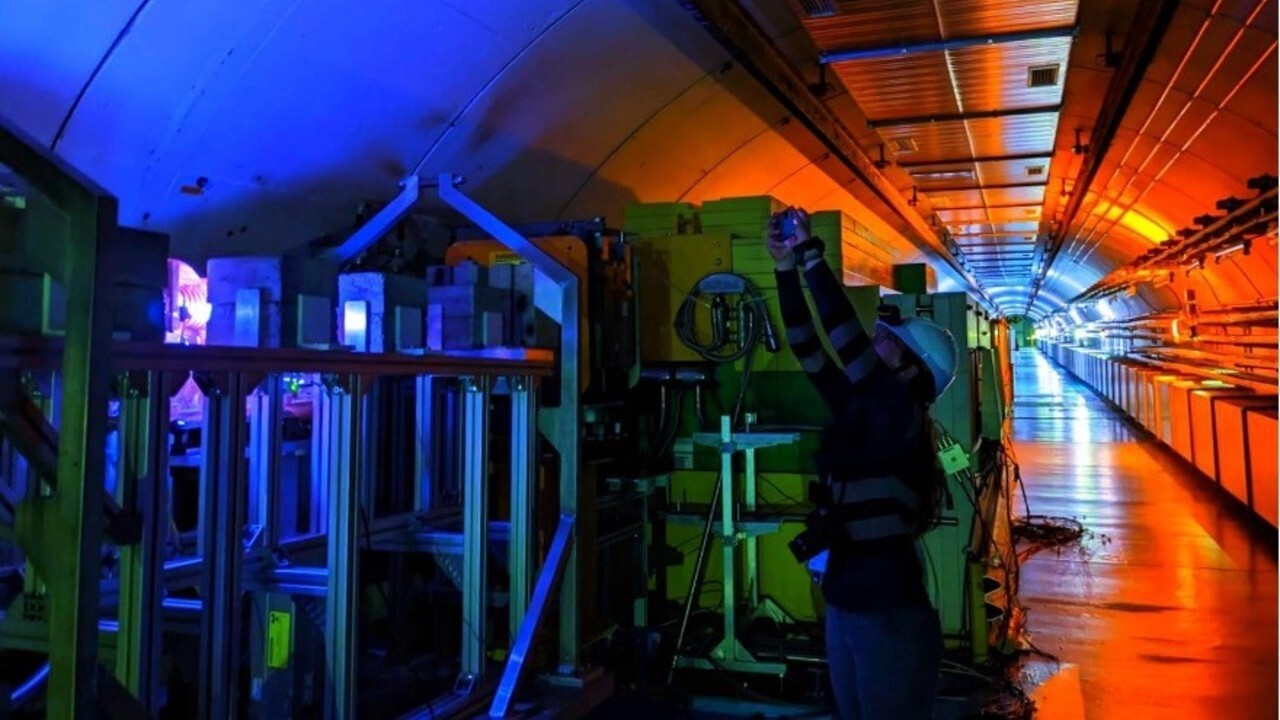
In a first-of-its-kind experiment, scientists have recreated “cosmic fireballs” here on Earth in a particle accelerator.The experiment aimed to investigate the stability of jets of high-temperature gas or plasma blasted

In a first-of-its-kind experiment, scientists have recreated “cosmic fireballs” here on Earth in a particle accelerator.The experiment aimed to investigate the stability of jets of high-temperature gas or plasma blasted
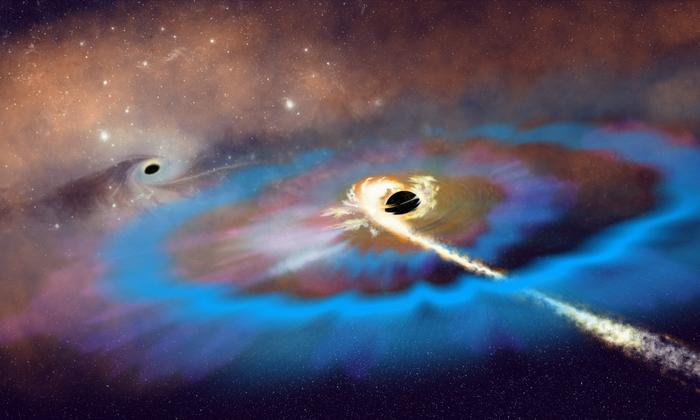
New study reveals, for the first time, a tidal disruption event (TDE), where a black hole tears apart a star, occurring outside the center of a galaxy that produced exceptionally

As Disney and Lucasfilm work towards establishing a coherent and regular theatrical schedule for Star Wars once again, the Disney Plus side of things continues to evolve the galaxy far,
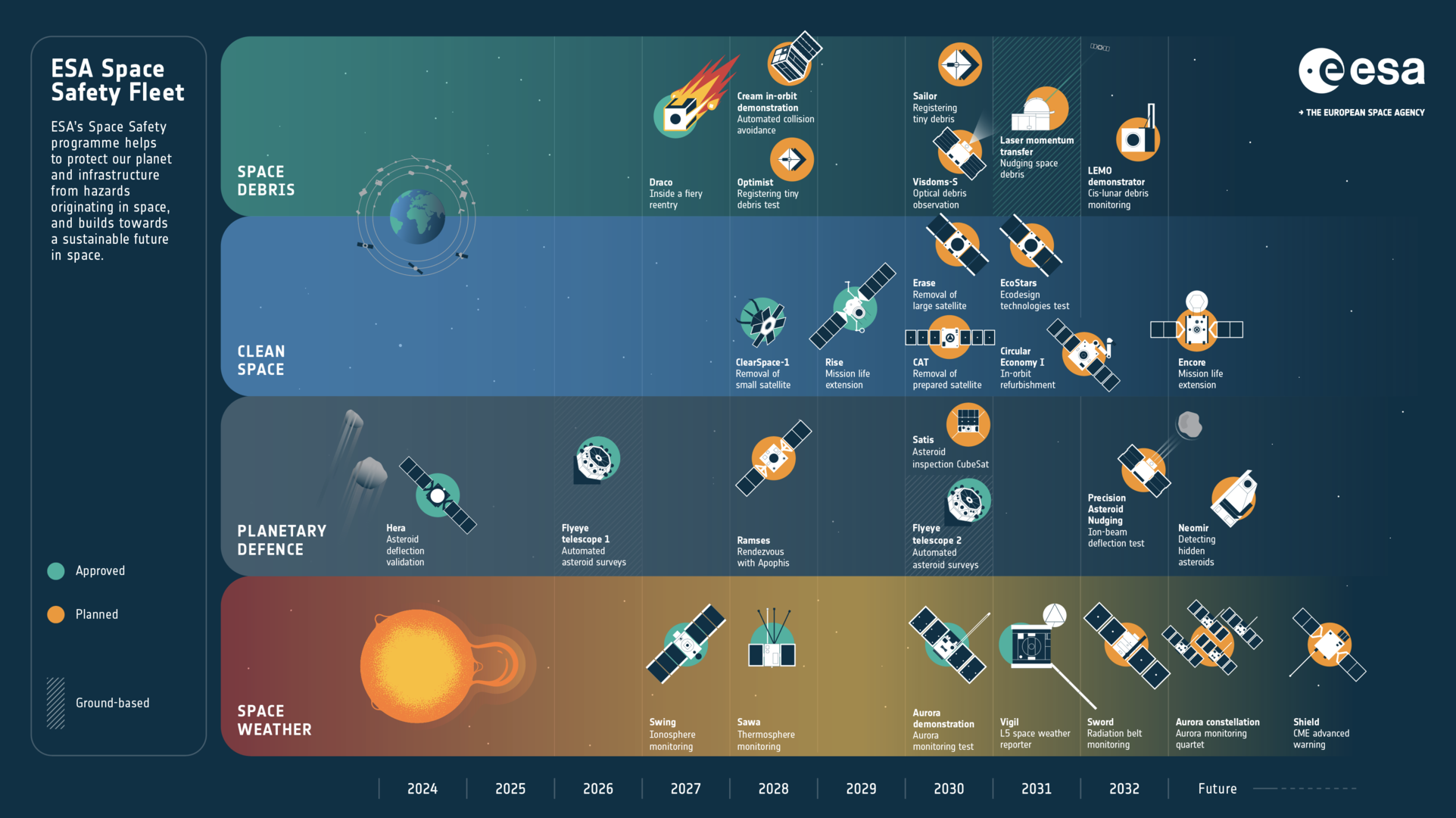
Hazards originating in space carry the risk of sudden disaster and potentially derailing everyday life, from natural threats like asteroids and solar storms to the human-made one of space debris.
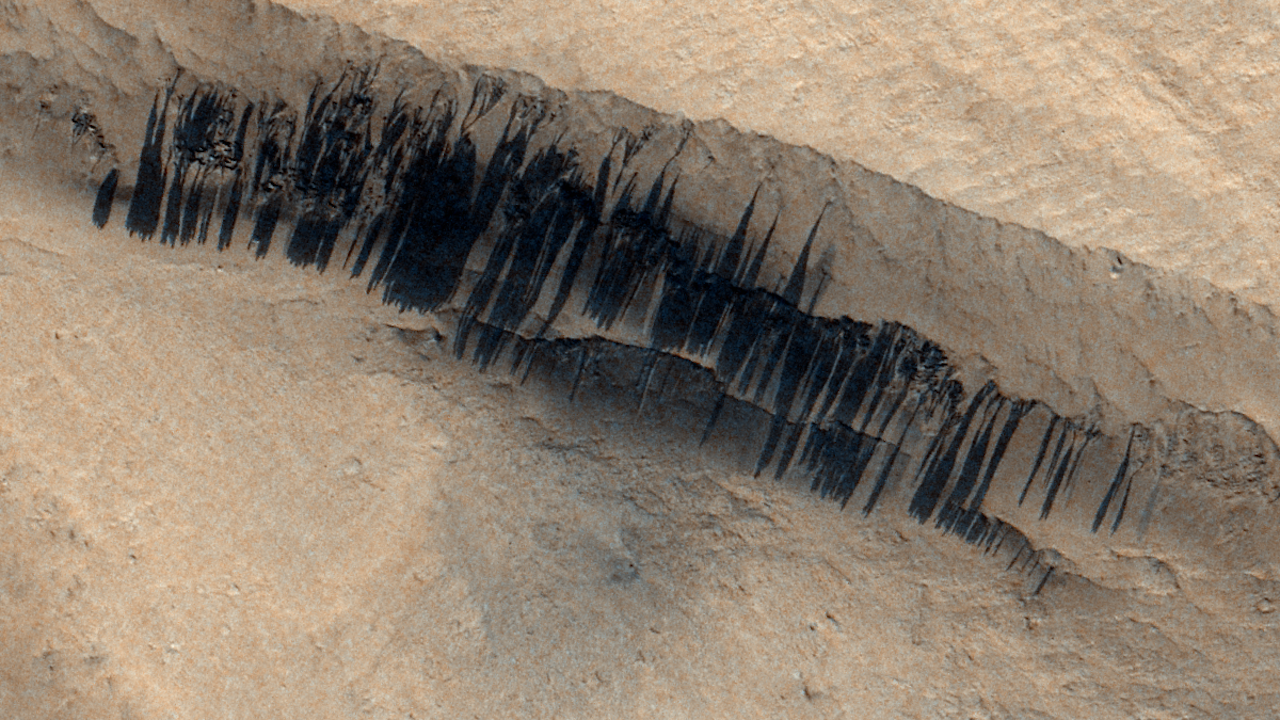
When a meteoroid shook the edge of Apollinaris Mons on Mars, it triggered streaks that carved a hundred new scratches on the surface. The European Space Agency’s ExoMars Trace Gas

WASHINGTON — Defense Secretary Pete Hegseth on Nov. 7 outlined an ambitious slate of procurement and regulatory reforms aimed at breaking through what he called the Pentagon’s “backwards culture” and
Conditions on Venus’s surface have largely remained a mystery for decades. Carl Sagan famously pointed out that people were quick to jump to conclusions, such as that there are dinosaurs

Insects have been travelling to space since 1947, but now they might become dinner for astronauts on missions to the Moon and Mars. A new European Space Agency study explores
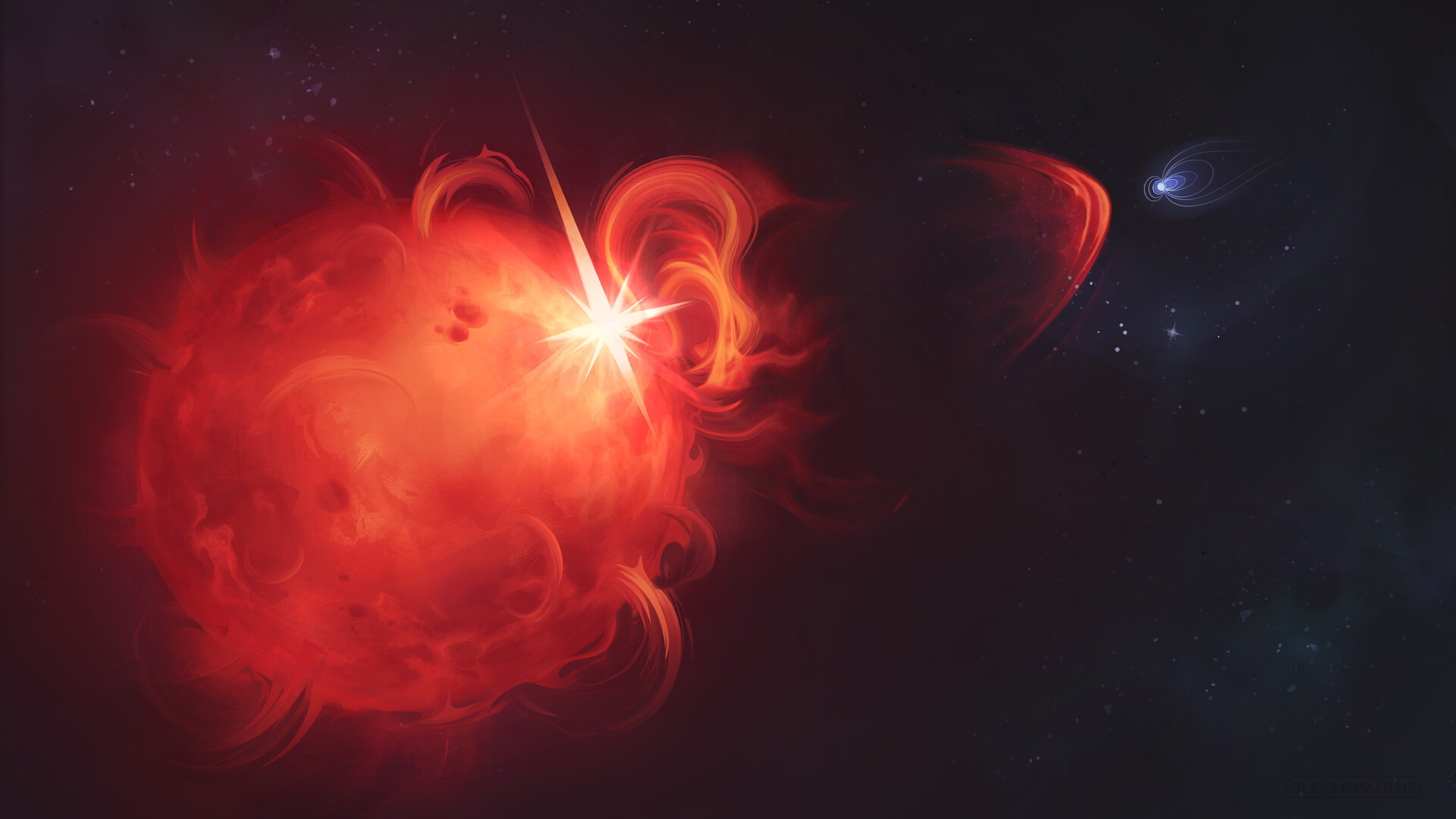
Astronomers have made a groundbreaking discovery, using the European Space Agency’s XMM-Newton space telescope and the LOFAR radio telescope to successfully observe a coronal mass ejection (CME) from a star
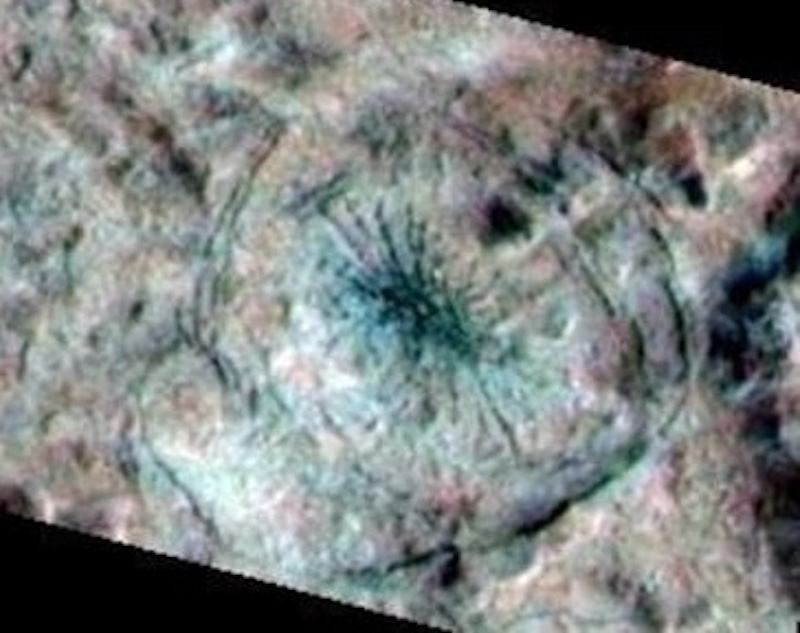
View larger. | NASA’s Galileo spacecraft captured this view of the ‘spider’ on Europa – one of Jupiter’s moons – in Manannán crater in May 1998. Image via NASA/JPL/ University