
The discovery of a superheated star factory that forms stars 180 times faster than our own Milky Way could help solve a long-standing puzzle about how galaxies grew so quickly

Hot Posts857- Page
Let’s rewind the clock back…oh, I don’t know, let’s say a hundred years. It was 1917, and Einstein had just developed his general theory of relativity. It was a masterpiece,
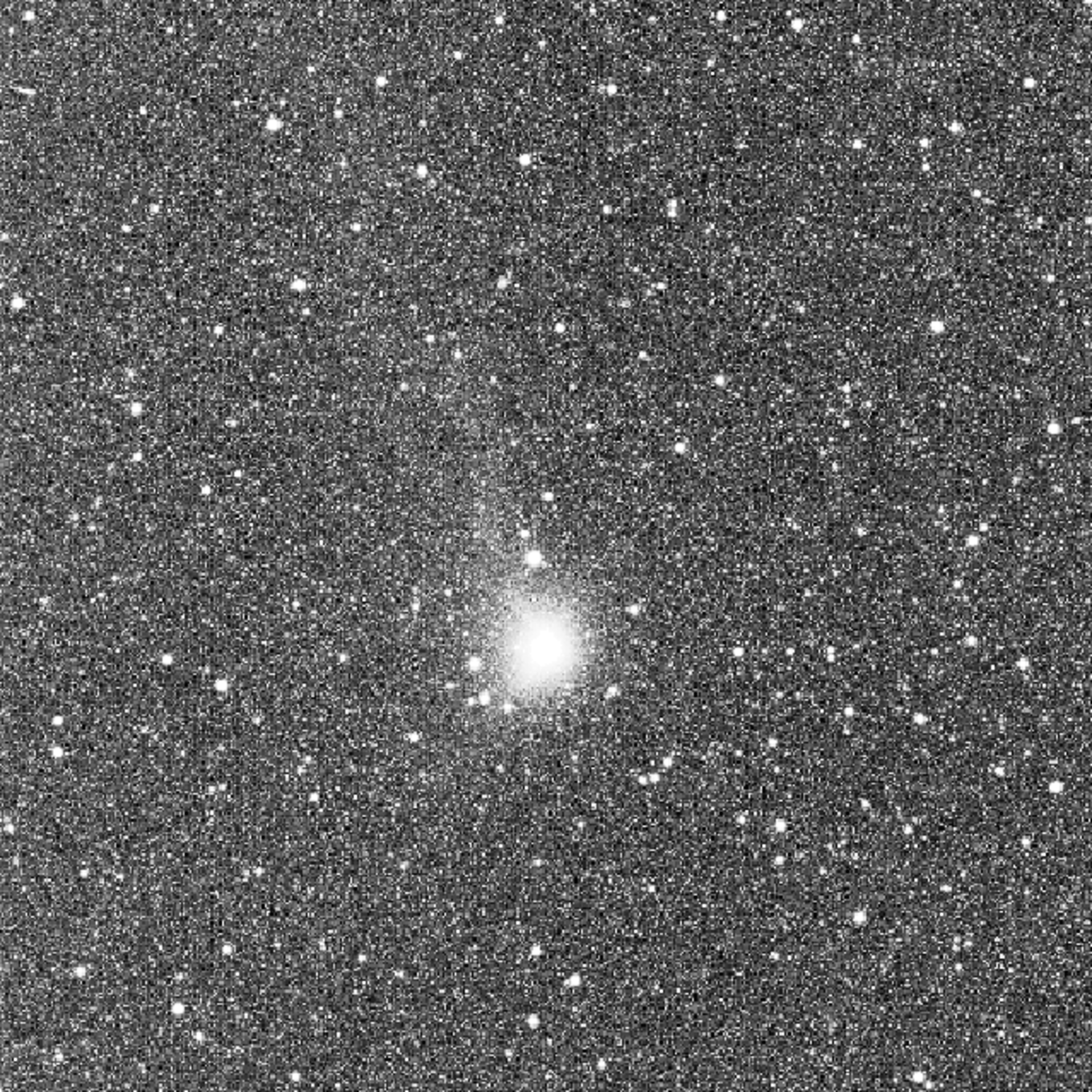
During November 2025, ESA’s Jupiter Icy Moons Explorer (Juice) used five of its science instruments to observe 3I/ATLAS. The instruments collected information about how the comet is behaving and what

The Milky Way’s Galactic Center and Bulge are shrouded in thick dust and tightly-packed with stars. It’s a tough region to observe, but the Nancy Gracy Roman Space Telescope is

Ice coverage in the Arctic sea is rapidly declining, which causes the remaining ice to melt faster and alters nutrient availability. In a University of Washington-led study, researchers show how
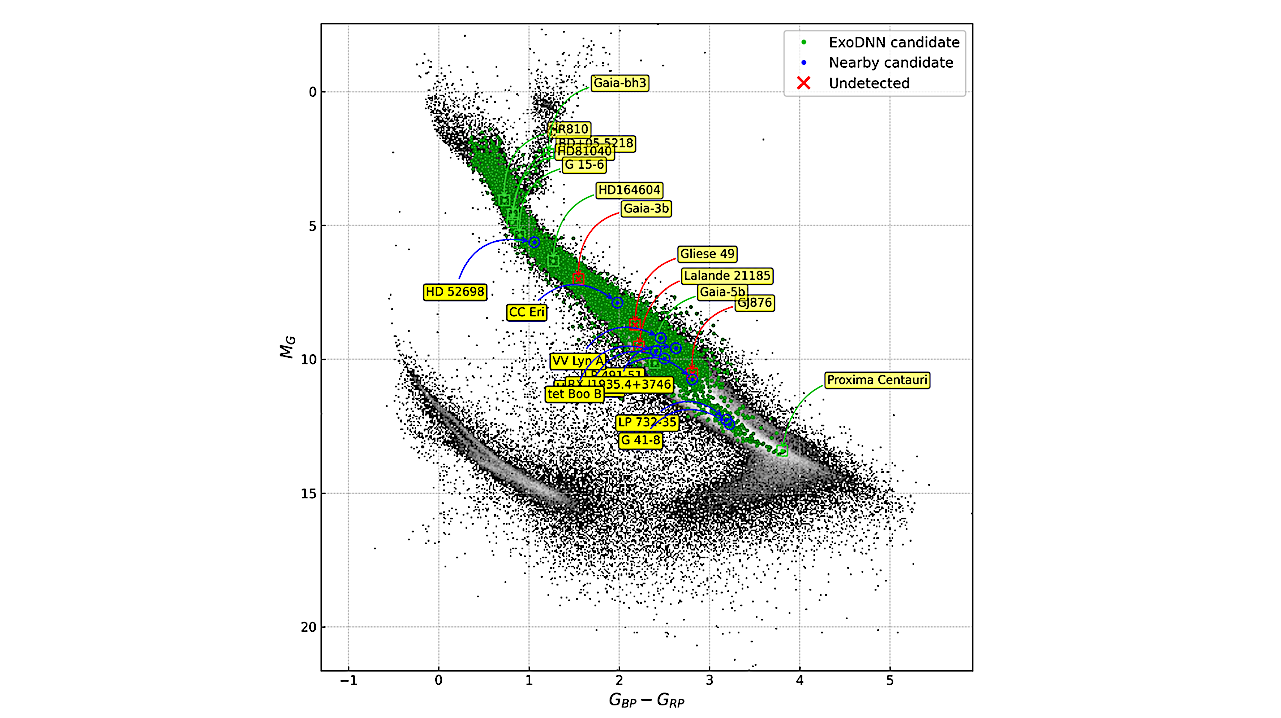
Gaia BP minus RP color vs. absolute magnitude diagram of Gaia DR3 Catalog of Nearby Sources. The 7414 final candidates reported by ExoDNN after filtering are displayed in green. Prediction
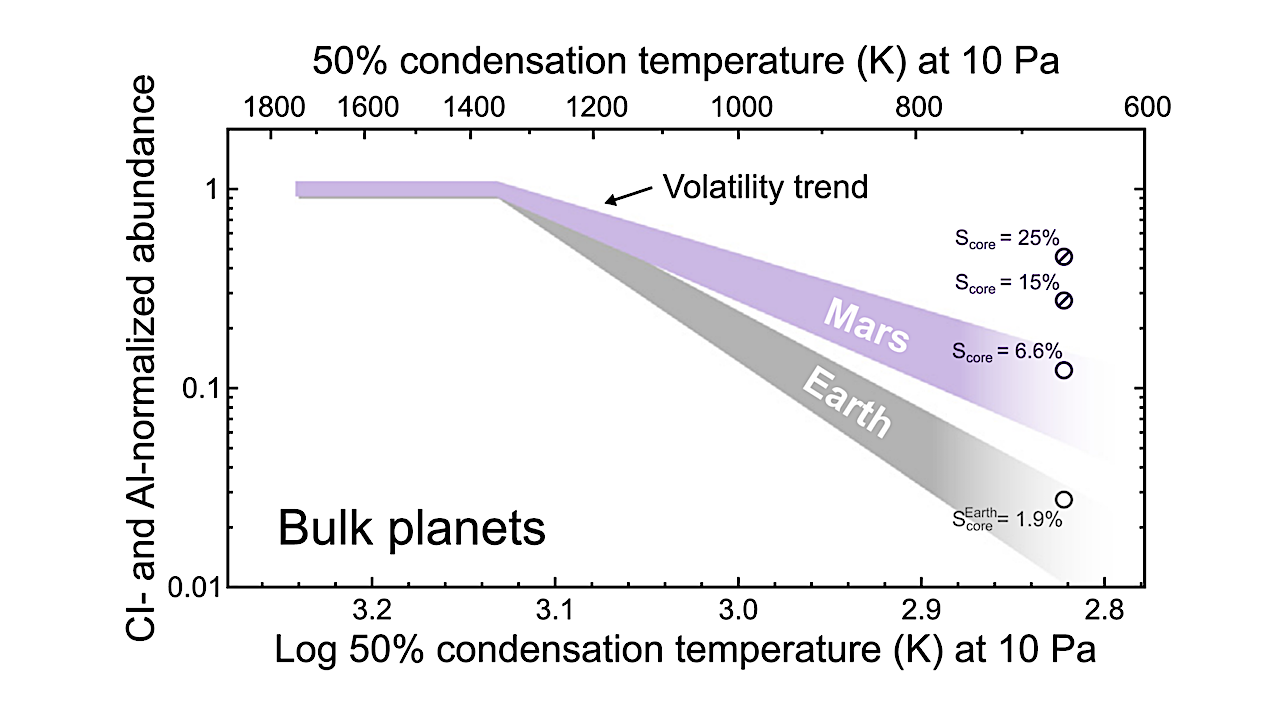
Volatile element abundance of bulk Mars and Earth relative to chondrites (Yoshizaki & McDonough 2020). As volatile element abundance increases with heliocentric distance, Mars is enriched in volatiles. — astro-ph.IM

China’s persistent use of maritime gray zone tactics poses a fundamental challenge to regional stability and the international order. These actions are designed to achieve strategic aims — territorial advancement
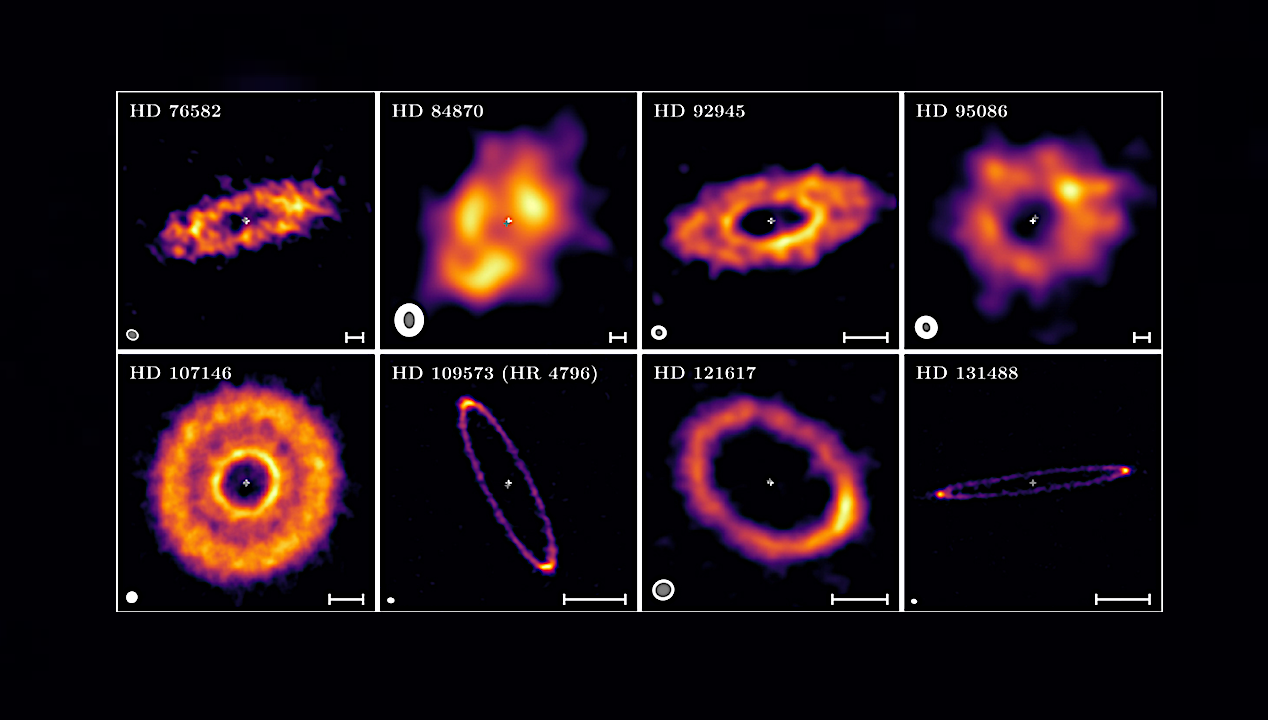
ARKS continuum clean images of systems in the sample after correction and subtraction of any SMG. — in Astronomy & Astrophysics. Astronomers have, for the first time, captured a detailed
![Discovery Of 1H-cyclopent[cd]indene (c-C11H8) In TMC-1 With The QUIJOTE Line Survey: A New Three-ringed Polycyclic Aromatic Hydrocarbon](https://flyingtomars.com/wp-content/uploads/2026/01/discovery-of-1h-cyclopentcdindene-c-c11h8-in-tmc-1-with-the-quijote-line-survey-a-new-three-ringed-polycyclic-aromatic-hydrocarbon.png)
polycyclic aromatic hydrocarbon (PAH) 1H-cyclopentindene (c-C11H8) — astro-ph.GA We report the detection of the polycyclic aromatic hydrocarbon (PAH) 1H-cyclopentindene (c-C11H8) in TMC-1 with the QUI- JOTE line survey. We detected



Advertisement
Popular Now
-
 01Two Black Holes Observed Circling Each Other for the First Time
 -
 02From Polymerization-Enabled Folding and Assembly to Chemical Evolution: Key Processes for Emergence of Functional Polymers in the Origin of Life
 -
 03Astronomy 101: From the Sun and Moon to Wormholes and Warp Drive, Key Theories, Discoveries, and Facts about the Universe (The Adams 101 Series)
 -
 04True Anomaly hires former York Space executive as chief operating officer
 -
 05Φsat-2 begins science phase for AI Earth images
 -
 06Hurricane forecasters are losing 3 key satellites ahead of peak storm season − a meteorologist explains why it matters
 -
 07Binary star systems are complex astronomical objects − a new AI approach could pin down their properties quickly
Scroll to Top