Keith Cowing Explorers Club Fellow, ex-NASA Space Station Payload manager/space biologist, Away Teams, Journalist, Lapsed climber, Synaesthete, Na’Vi-Jedi-Freman-Buddhist-mix, ASL, Devon Island and Everest Base Camp veteran, (he/him) 🖖🏻 Follow on

Keith Cowing Explorers Club Fellow, ex-NASA Space Station Payload manager/space biologist, Away Teams, Journalist, Lapsed climber, Synaesthete, Na’Vi-Jedi-Freman-Buddhist-mix, ASL, Devon Island and Everest Base Camp veteran, (he/him) 🖖🏻 Follow on
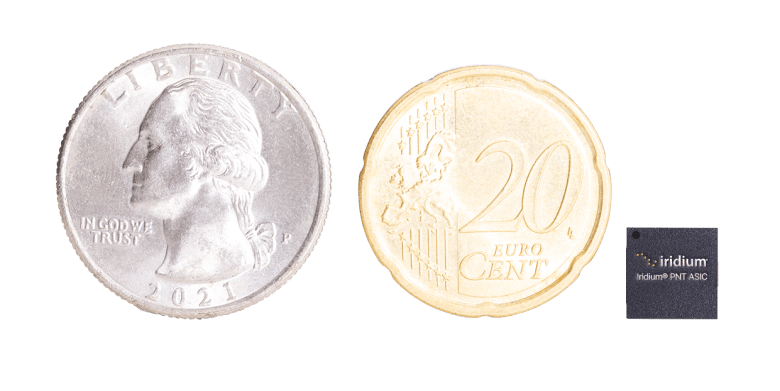
TAMPA, Fla. — Iridium Communications plans to release a tiny chip next year to protect devices relying on navigation satellites from jamming and spoofing, reinforcing one of the L-band operator’s
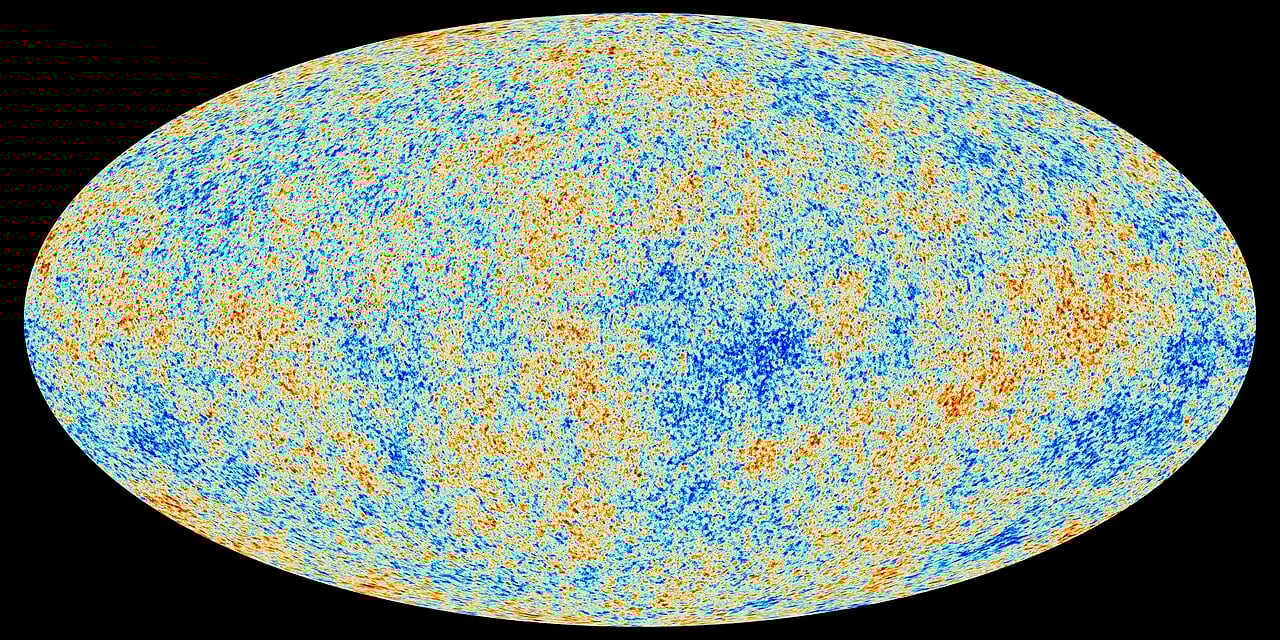
Researchers from Keio University have made the most precise measurement yet of the cosmic microwave background radiation’s temperature from seven billion years ago, finding it was approximately 5.13 K, roughly
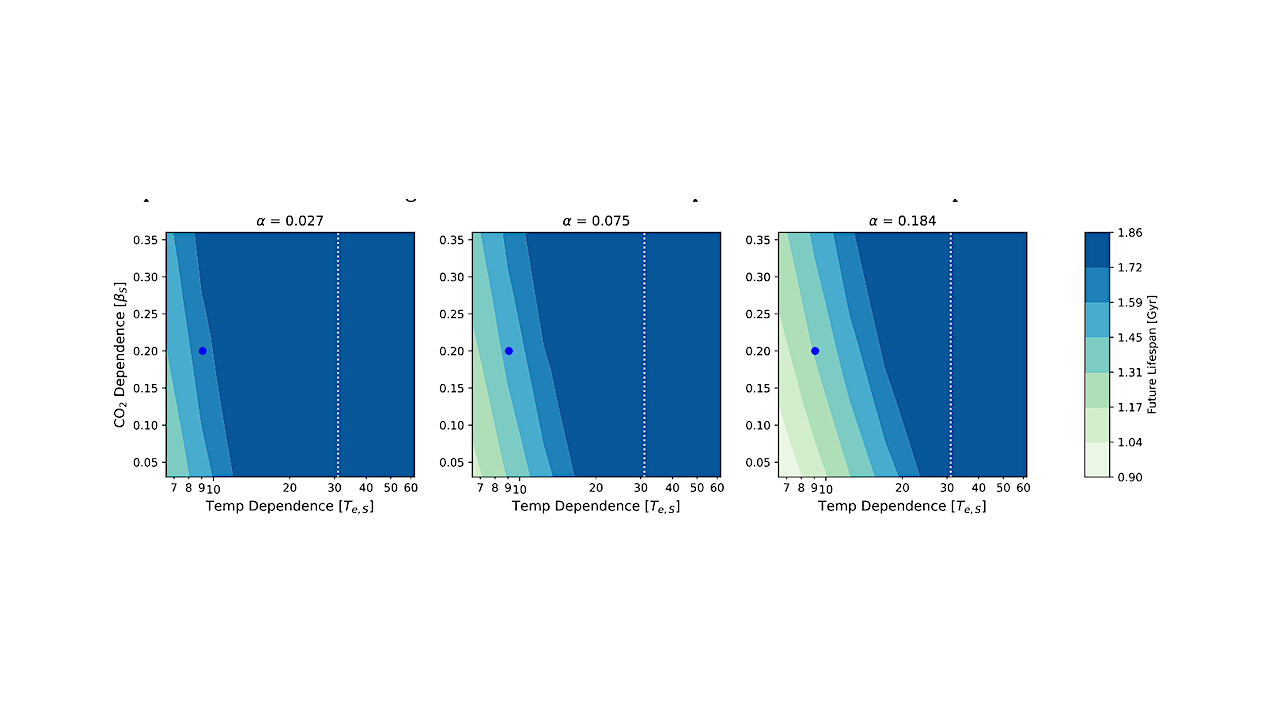
The future lifespan of the terrestrial biosphere is only significantly shortened if seafloor weathering accounts for a large portion of global silicate weathering (large α) and has a strong feedback

Edwin Hubble as a young man. It was then that he said, “If only I could find some principle for whose sake I could leave everything else and devote my
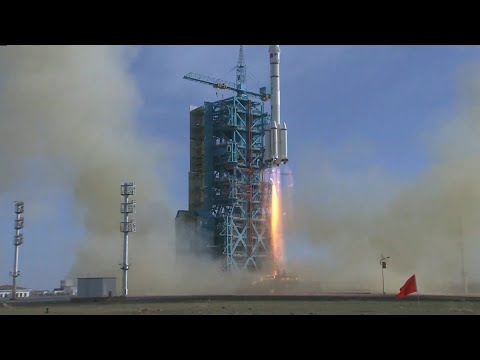
HELSINKI — China’s uncrewed Shenzhou-22 spacecraft has arrived at the Tiangong space station, reestablishing a lifeboat for the crew and ending the orbital outpost’s first operational emergency. A Long March
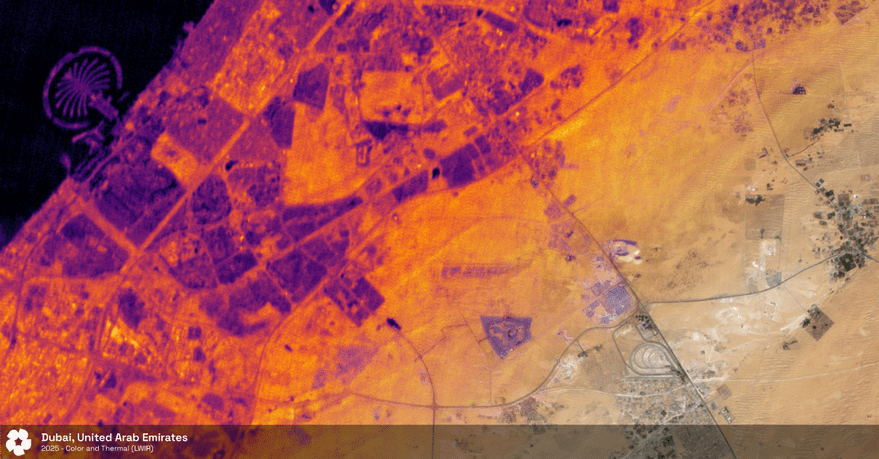
SAN FRANCISCO – Hydrosat, a thermal imagery startup focused on water-resource management, has raised $60 million in Series B funding from equity investors and sovereign wealth funds. With the influx
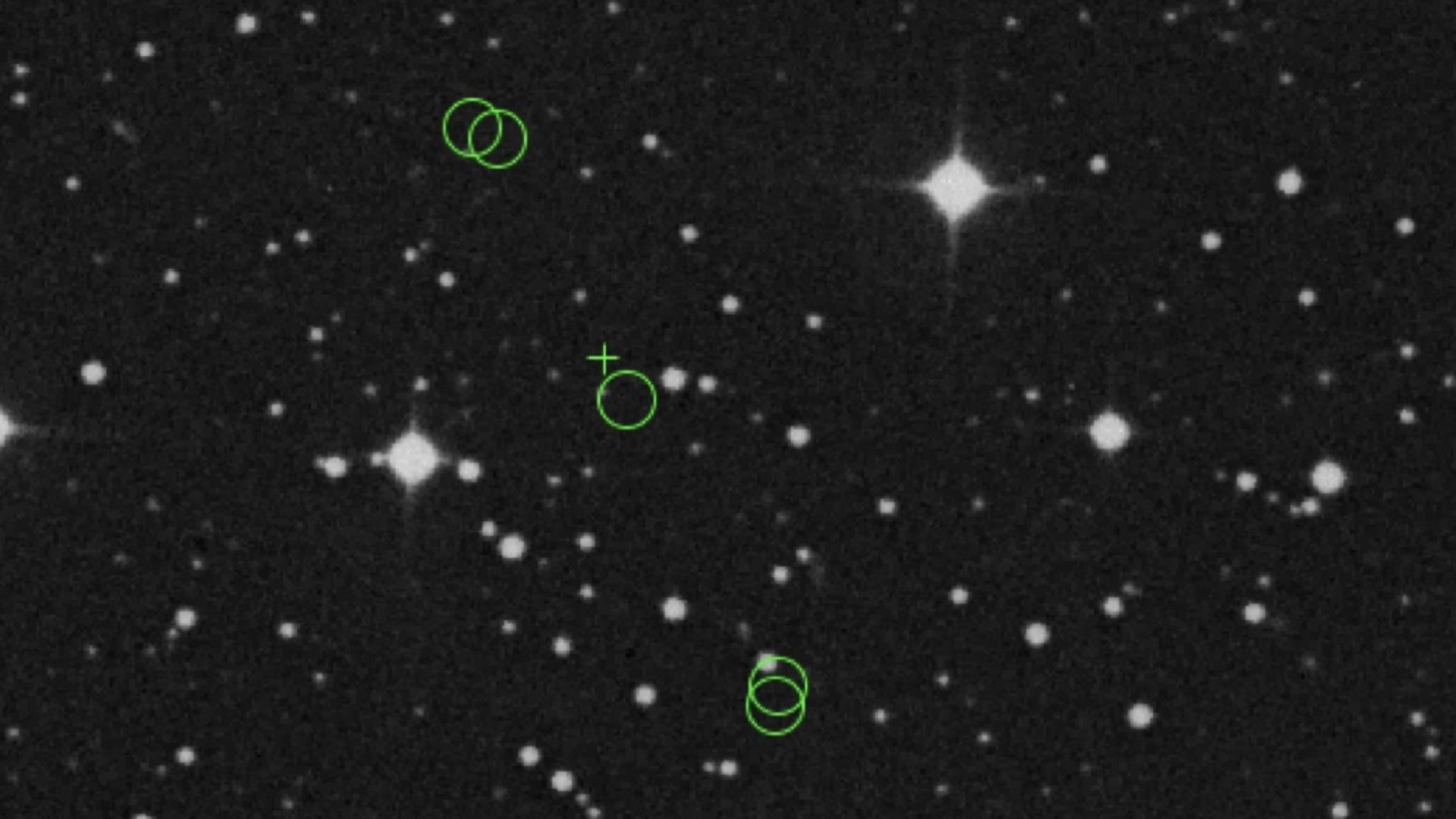
In the 1950s, mysterious flashes of light were captured on photographic plates taken at the Palomar Observatory in California. Two new studies claim that these flashes were caused by reflective
The moon has no significant atmosphere, no weather, and no wind. Yet it faces an invisible bombardment more relentless than any terrestrial storm, a constant rain of micrometeoroids, tiny fragments
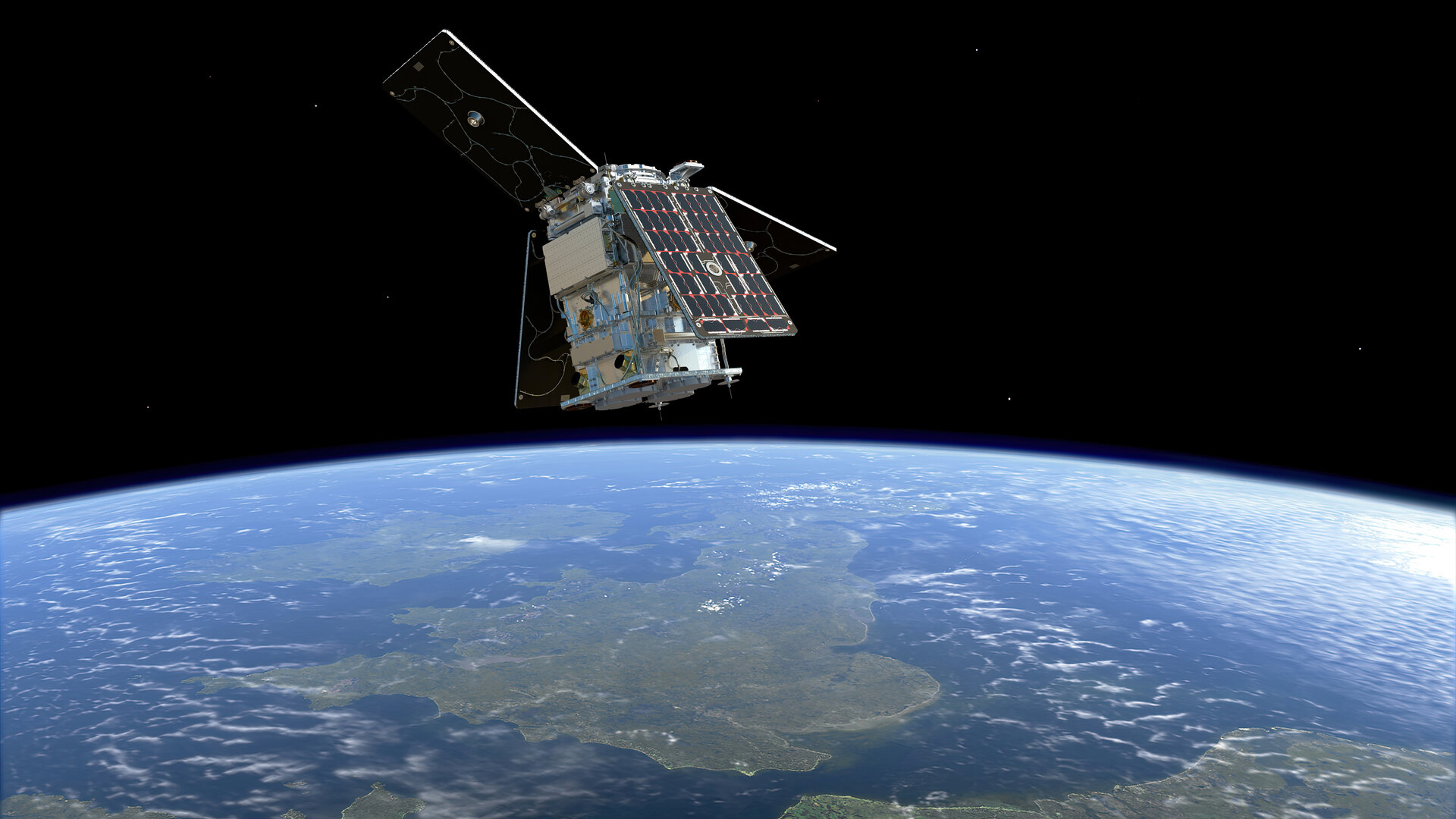
The European Space Agency (ESA) is set to launch its HydroGNSS mission, an innovative twin-satellite initiative aimed at monitoring Earth’s water cycle, on 19 November at 19:18 CET (10:18 Pacific