
The Copernicus Sentinel-1D satellite has joined the Sentinel-1 mission in orbit. Launch took place on 4 November 2025 at 22:03 CET (18:03 local time) on board an Ariane 6 rocket

Hot Posts879- Page
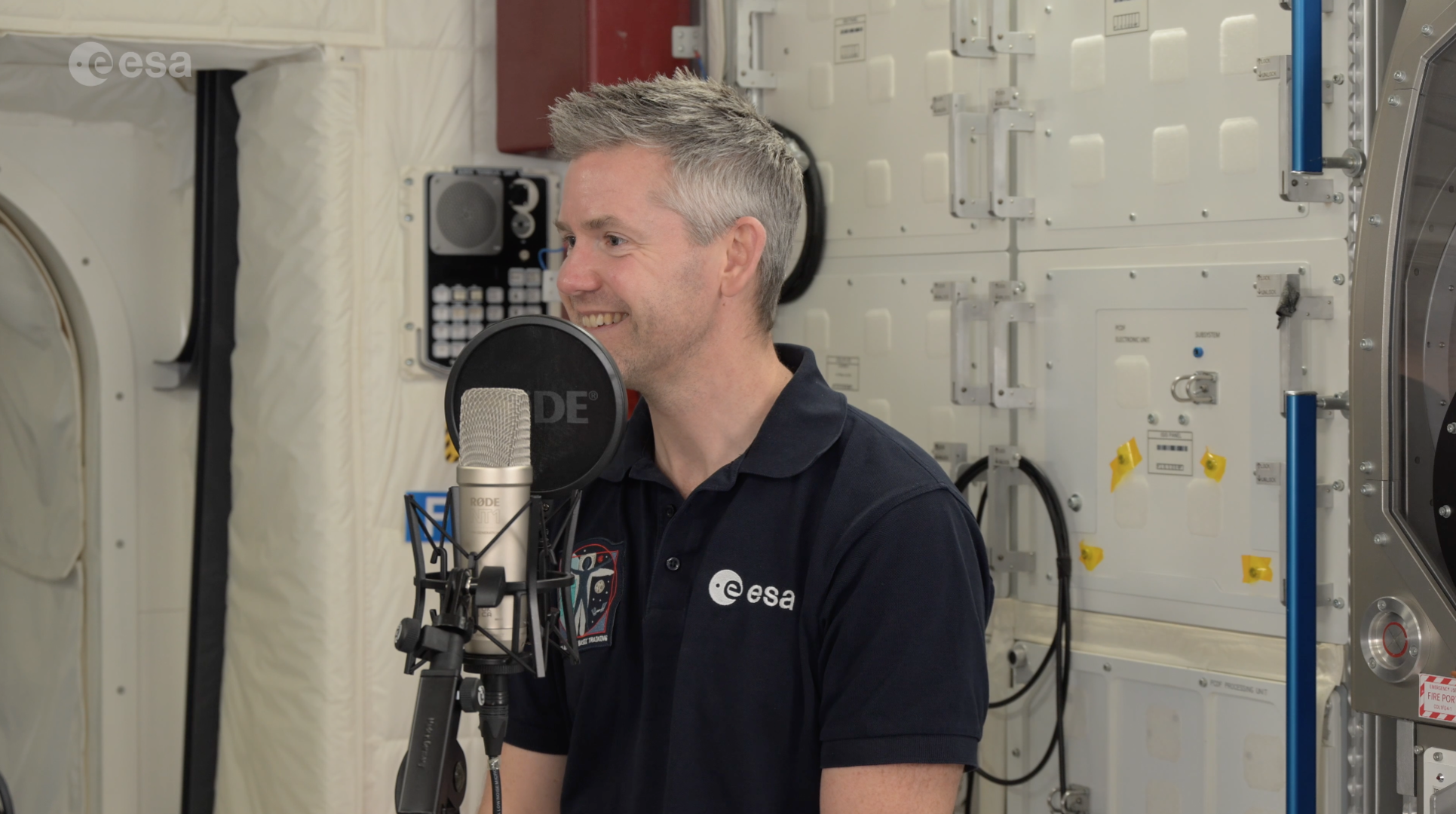
Meet John McFall – Paralympian, medical doctor and member of ESA’s Astronaut Reserve. As part of ESA’s groundbreaking FLY initiative, John is helping prove that physical disability is no barrier
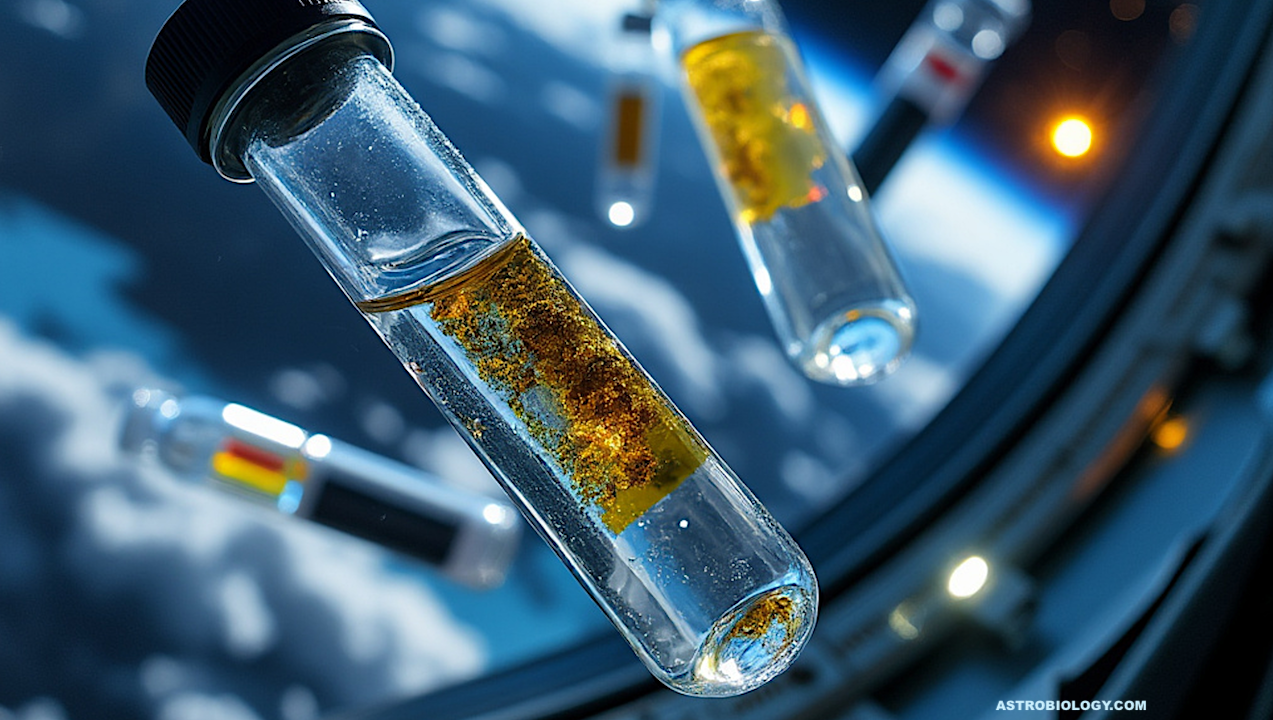
Keith Cowing Explorers Club Fellow, ex-NASA Space Station Payload manager/space biologist, Away Teams, Journalist, Lapsed climber, Synaesthete, Na’Vi-Jedi-Freman-Buddhist-mix, ASL, Devon Island and Everest Base Camp veteran, (he/him) 🖖🏻 Follow on
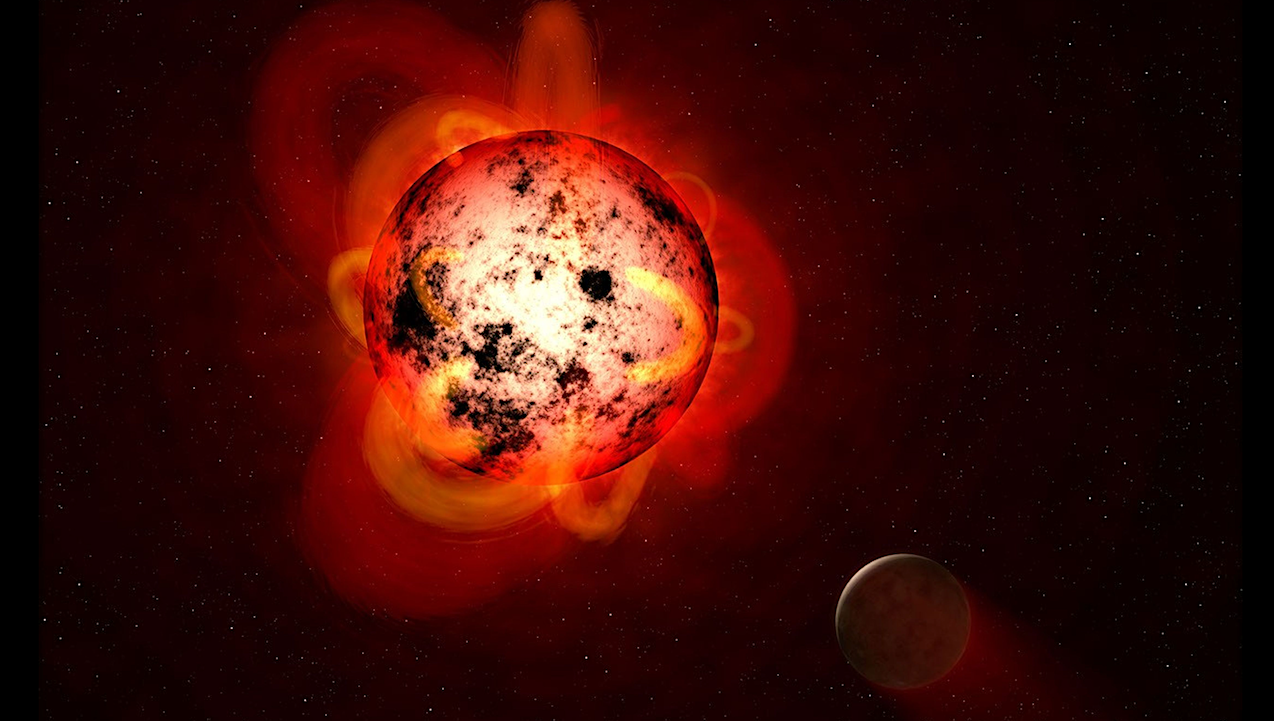
This illustration shows a red dwarf star orbited by a hypothetical exoplanet. Red dwarfs tend to be magnetically active, displaying gigantic arcing prominences and a wealth of dark sunspots. Red
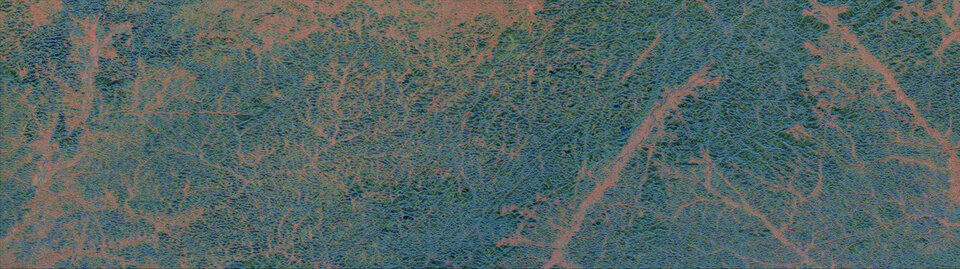
Applications 13/11/2025 358 views 13 likes As the COP30 climate conference gets underway in Brazil, the world’s attention is once again drawn to the plight of the Amazon – the

From the first satellite in orbit, to the first human in space, to the first steps on the moon, the United States government has always framed space exploration as a
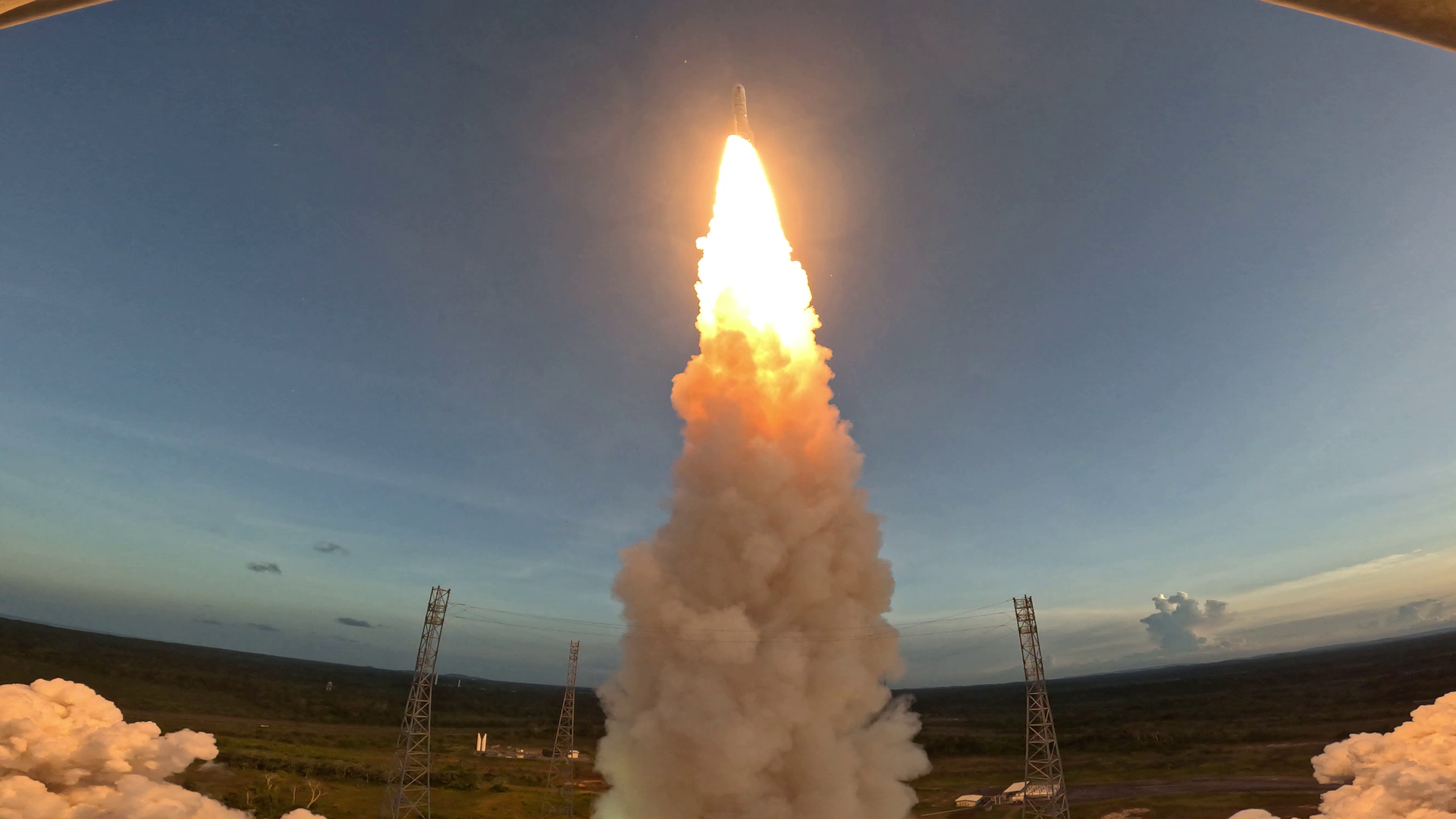
The Copernicus Sentinel-1D satellite has successfully entered orbit as part of the ongoing Sentinel-1 mission. The satellite was launched on November 4, 2025, at 22:02 CET (18:02 local time) aboard
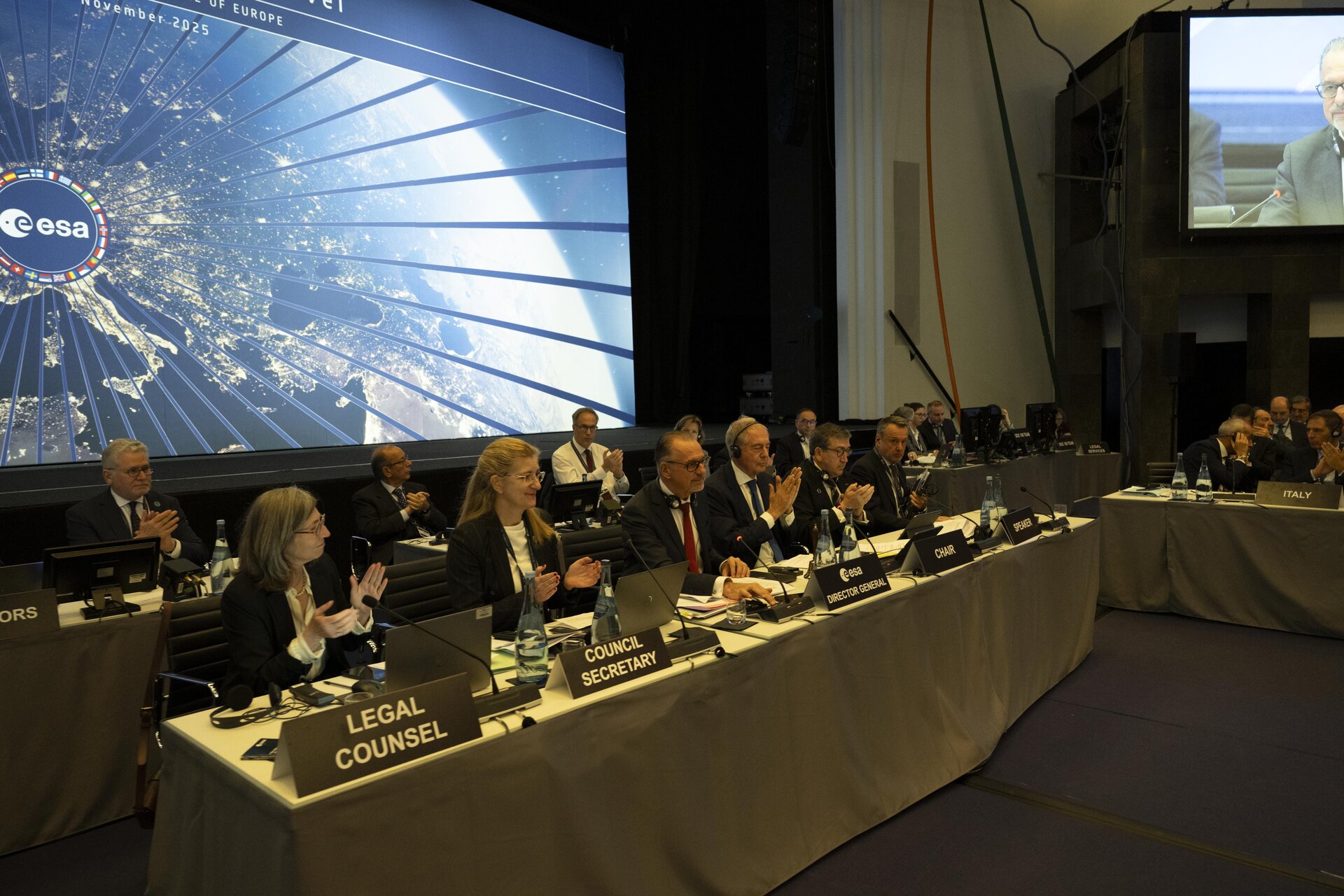
Agency 27/11/2025 2344 views 13 likes The largest contributions in the history of the European Space Agency, €22.1 bn, have been approved at its Council meeting at Ministerial level in Bremen, Germany. Ministers and high-level representatives from the 23 Member States, Associate
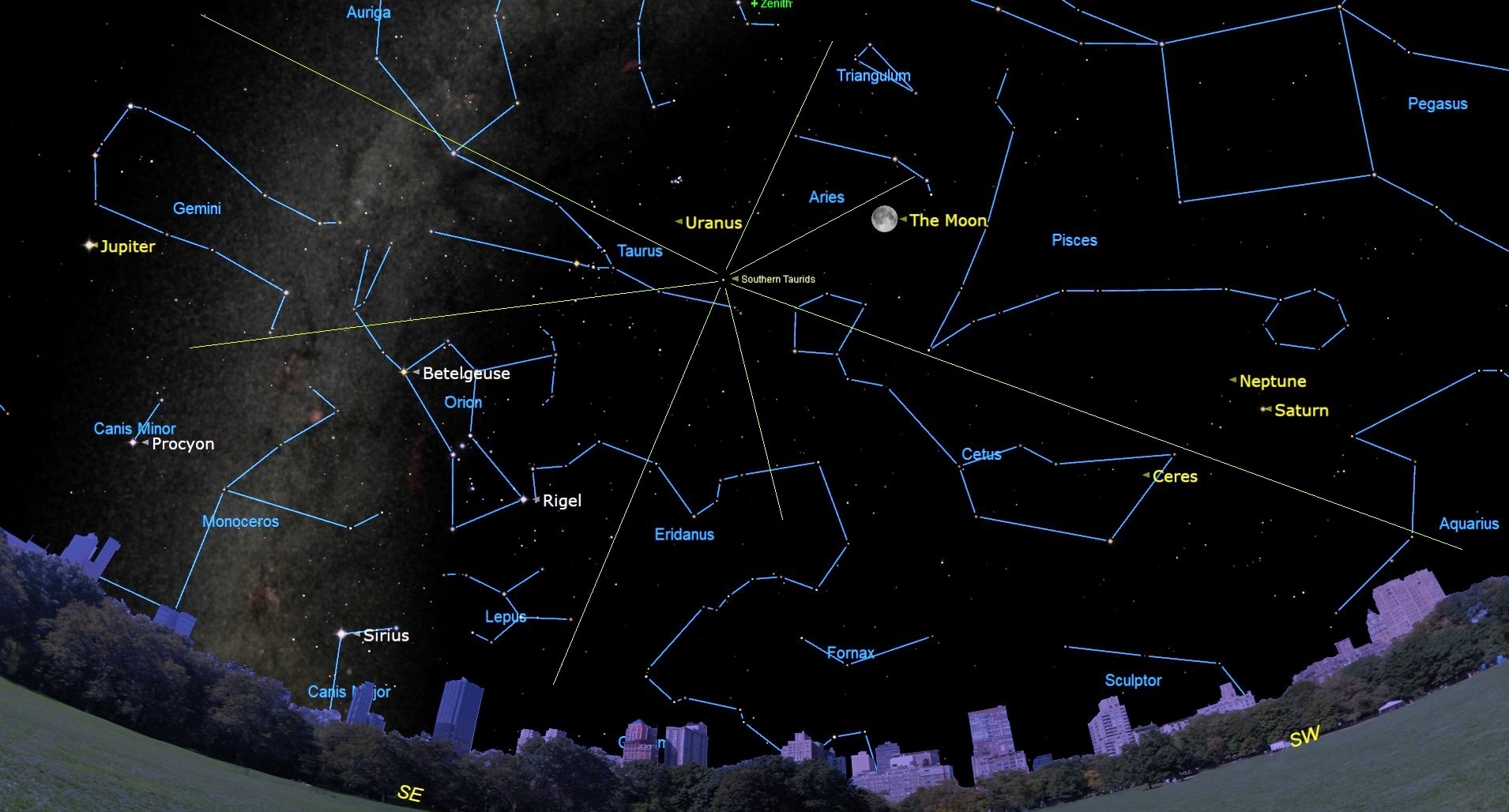
Heads up stargazers! The Southern Taurid meteor shower peaks overnight on Nov. 4-5, when a flurry of bright meteors could potentially be seen streaking through Earth’s sky as our planet
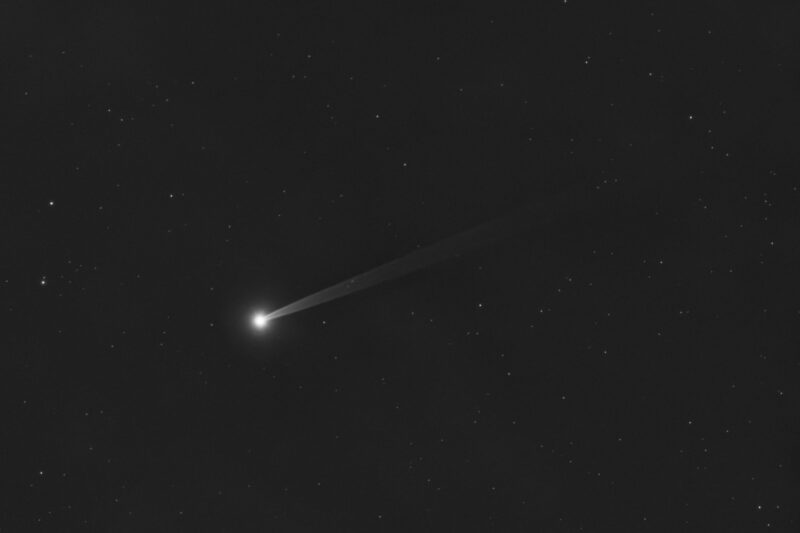
View at EarthSky Community Photos. | Steven Bellavia captured Mercury’s sodium tail on the morning of December 3, 2025, from Surry, Virginia. Steven wrote: “A 24-million-km-long plume of gas is
Advertisement
Popular Now
-
 01Two Black Holes Observed Circling Each Other for the First Time
 -
 02From Polymerization-Enabled Folding and Assembly to Chemical Evolution: Key Processes for Emergence of Functional Polymers in the Origin of Life
 -
 03Astronomy 101: From the Sun and Moon to Wormholes and Warp Drive, Key Theories, Discoveries, and Facts about the Universe (The Adams 101 Series)
 -
 04True Anomaly hires former York Space executive as chief operating officer
 -
 05Φsat-2 begins science phase for AI Earth images
 -
 06Hurricane forecasters are losing 3 key satellites ahead of peak storm season − a meteorologist explains why it matters
 -
 07Binary star systems are complex astronomical objects − a new AI approach could pin down their properties quickly
Scroll to Top