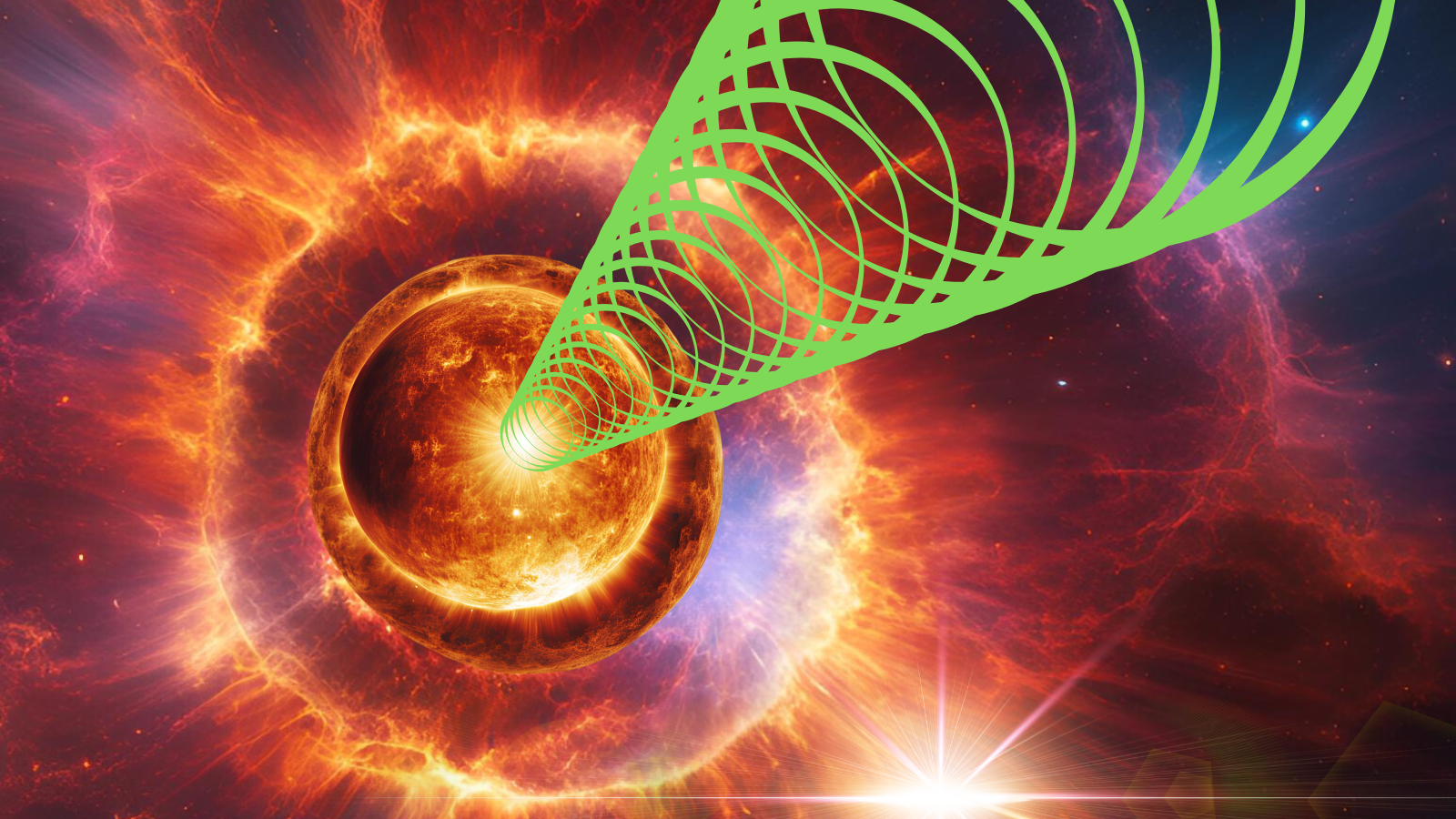
The universe’s largest structure, the Hercules-Corona Borealis Great Wall, was already a challenge to explain with models of the universe due to its incredibly vast size — and now, using

The universe’s largest structure, the Hercules-Corona Borealis Great Wall, was already a challenge to explain with models of the universe due to its incredibly vast size — and now, using

Join our newsletter to get the latest military space news every Tuesday by veteran defense journalist Sandra Erwin. WASHINGTON — The U.S. Space Force on April 17 released its most

1 min read Preparations for Next Moonwalk Simulations Underway (and Underwater) On April 16, 2025, the Earth Science Division at NASA’s Ames Research Center in Silicon Valley held an Earth
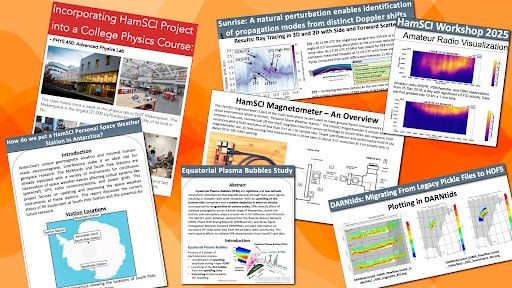
Explore This Section Projects Highlights Publications NASA Citizen Scientists Science Activation Resources 2 min read Amateur Radio Scientists Shine at the 2025 HamSCI Workshop A collage of Posters from HamSCI’s
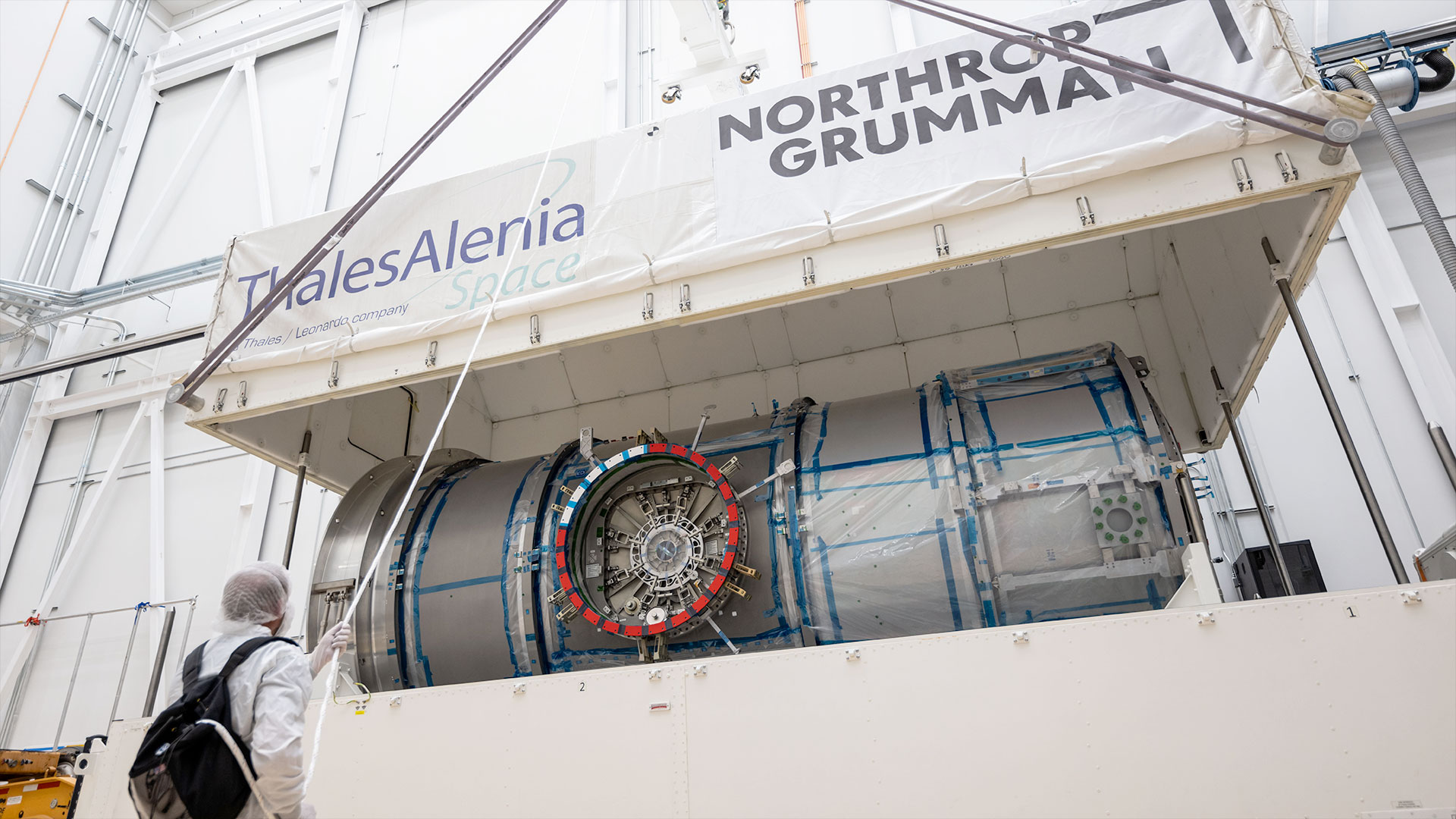
The HALO (Habitation and Logistics Outpost) for NASA’s Gateway lunar orbit platform is removed from its transport container at Northrop Grumman’s Gilbert, Arizona, facility on April 3, 2025. (Image credit:

Key details Price: $79.99/£79.99 Model number: 76191 Number of pieces: 590 Dimensions: 13 x 6 x 5 inches / 31 x 13 x 11cm Recommended age: 18+ Most Lego sets

Watch a video about the 1908 Tunguska explosion. The Tunguska explosion: June 30, 1908 On June 30, 1908, the largest asteroid impact in recorded history occurred on a warm summer
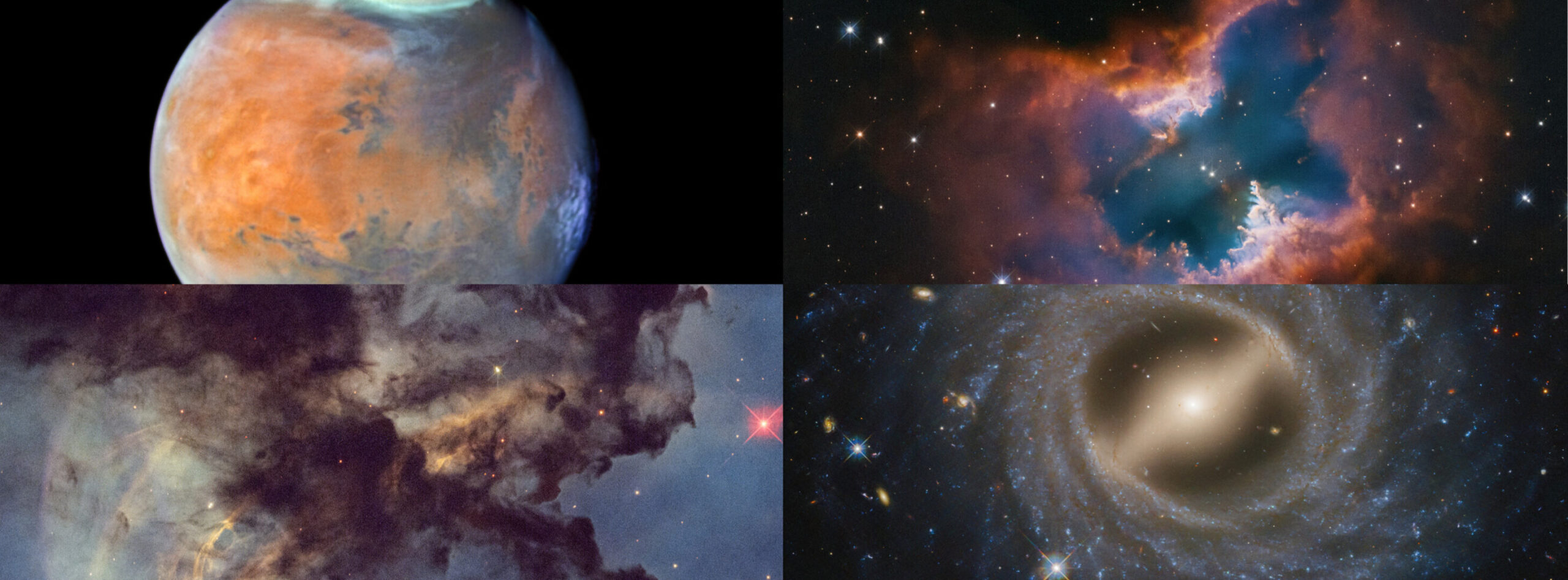
Science & Exploration 23/04/2025 58 views 0 likes In celebration of the NASA/ESA Hubble Space Telescope’s 35 years in Earth orbit, an assortment of images that were recently taken by

Katy Perry says her brief trip to the final frontier changed her in significant ways. The pop star and five other women launched to suborbital space with Blue Origin this
HELSINKI — China launched a second collaborative seismo-electromagnetic satellite early Saturday, aimed at detecting electromagnetic precursors to natural disasters such as earthquakes. A Long March 2D rocket lifted off at