
Astronomers using W. M. Keck Observatory on Maunakea, Hawaiʻi Island have taken the closest-ever look at the dusty regions where planets form, offering new insight into the earliest stages of

Hot Posts892- Page
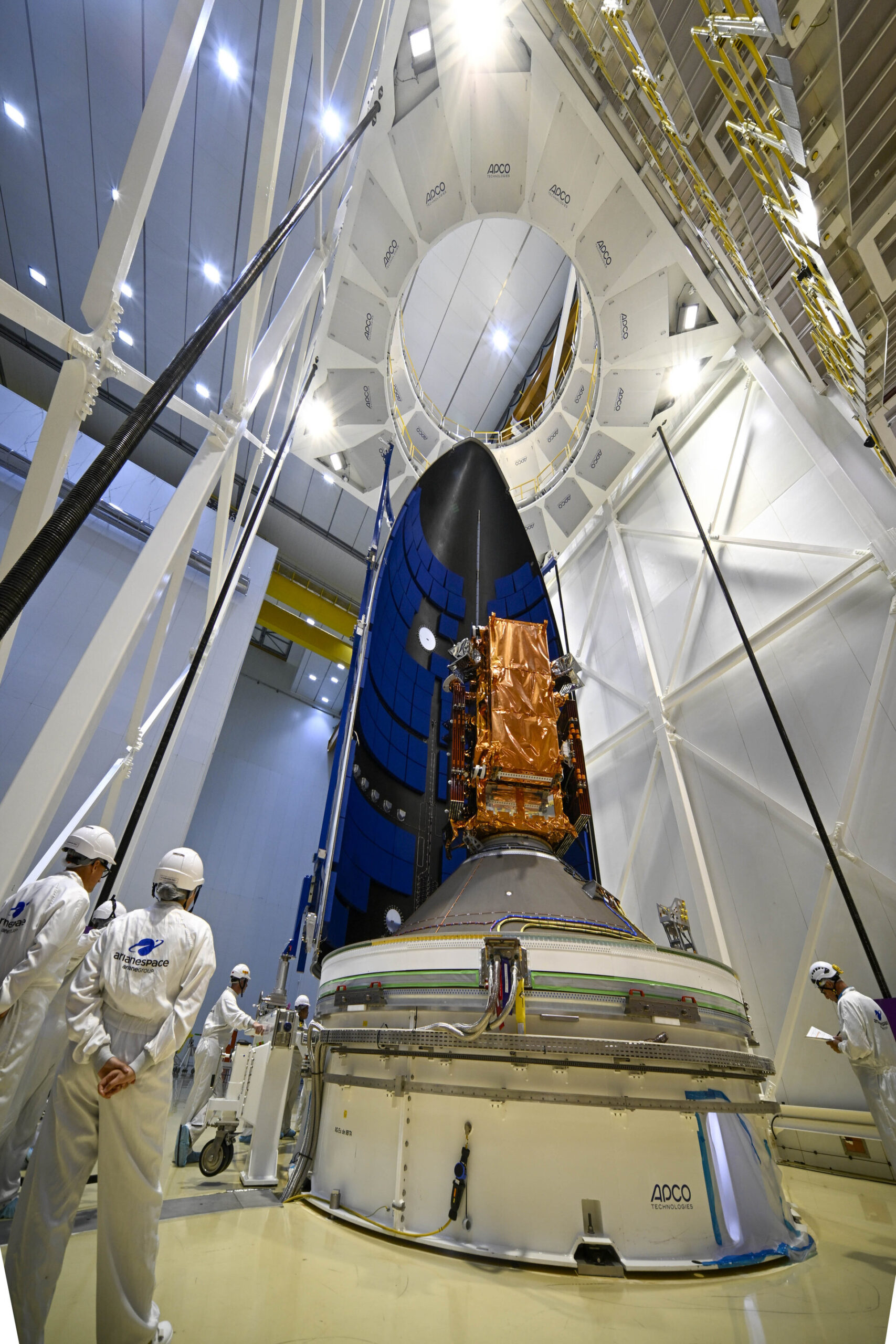
The Copernicus Sentinel-1D satellite has reached a significant milestone as it was successfully encapsulated in the fairing of the Ariane 6 rocket at Europe’s Spaceport in French Guiana. This encapsulation

Astronomers have discovered that the Seven Sisters of the Pleiades star cluster have more stellar siblings than we thought — a lot more. Using NASA’s exoplanet hunting spacecraft TESS (Transiting
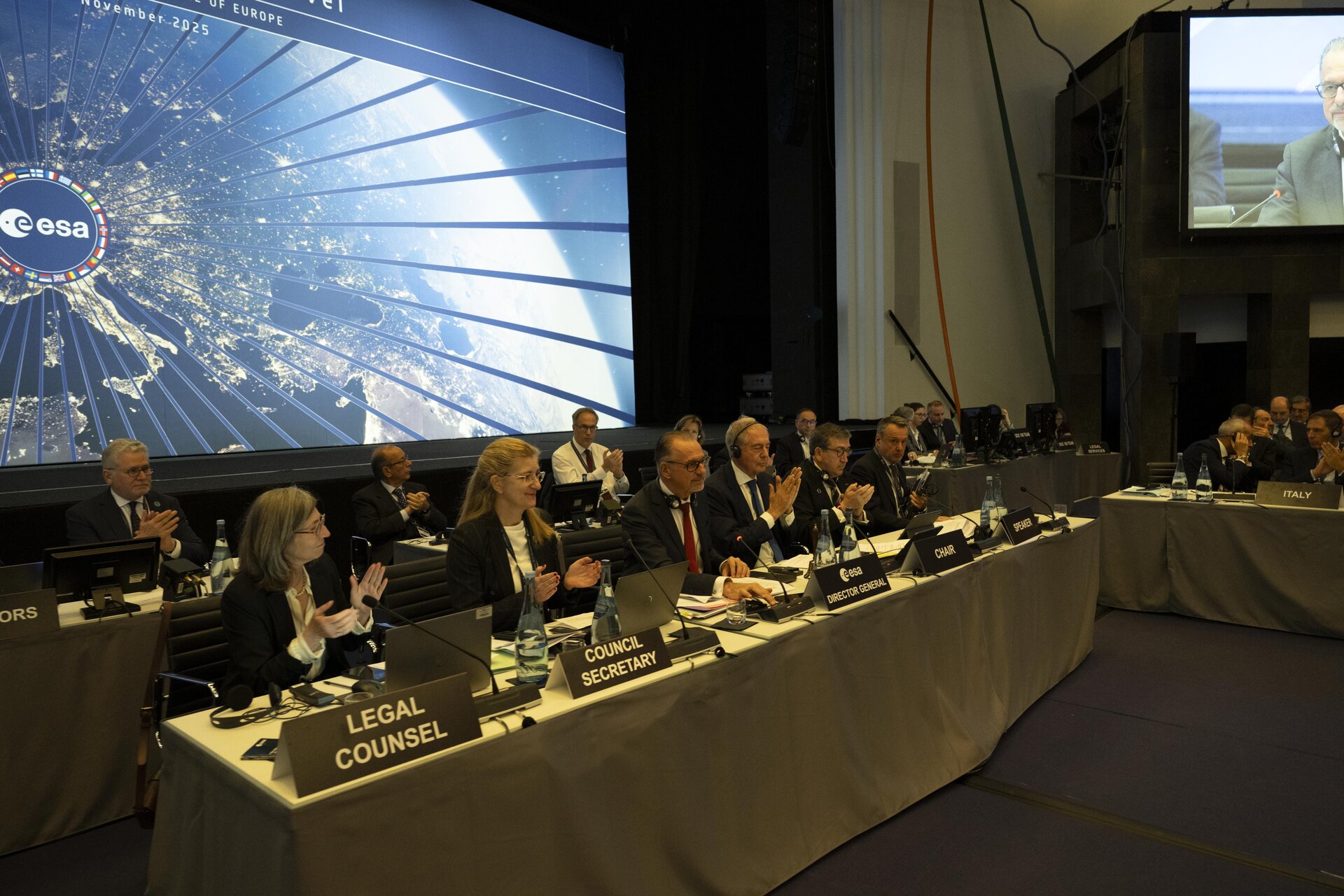
Agency 27/11/2025 2344 views 13 likes The largest contributions in the history of the European Space Agency, €22.1 bn, have been approved at its Council meeting at Ministerial level in Bremen, Germany. Ministers and high-level representatives from the 23 Member States, Associate
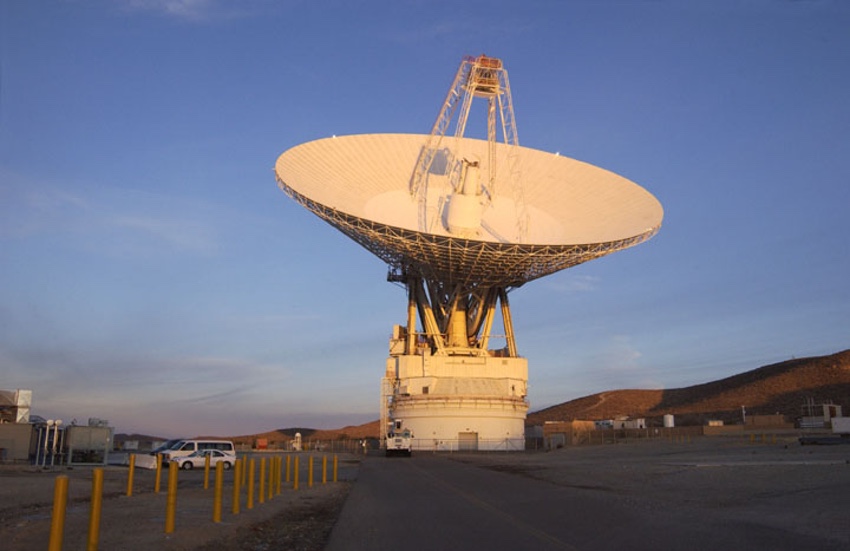
WASHINGTON — A key antenna in NASA’s Deep Space Network (DSN) that was damaged last fall is expected to remain offline until May, before being taken out of service again
How could the principle of “radical mundanity” proposed by the Fermi paradox help explain why humans haven’t found evidence of extraterrestrial technological civilizations (ETCs)? This is what a recent study
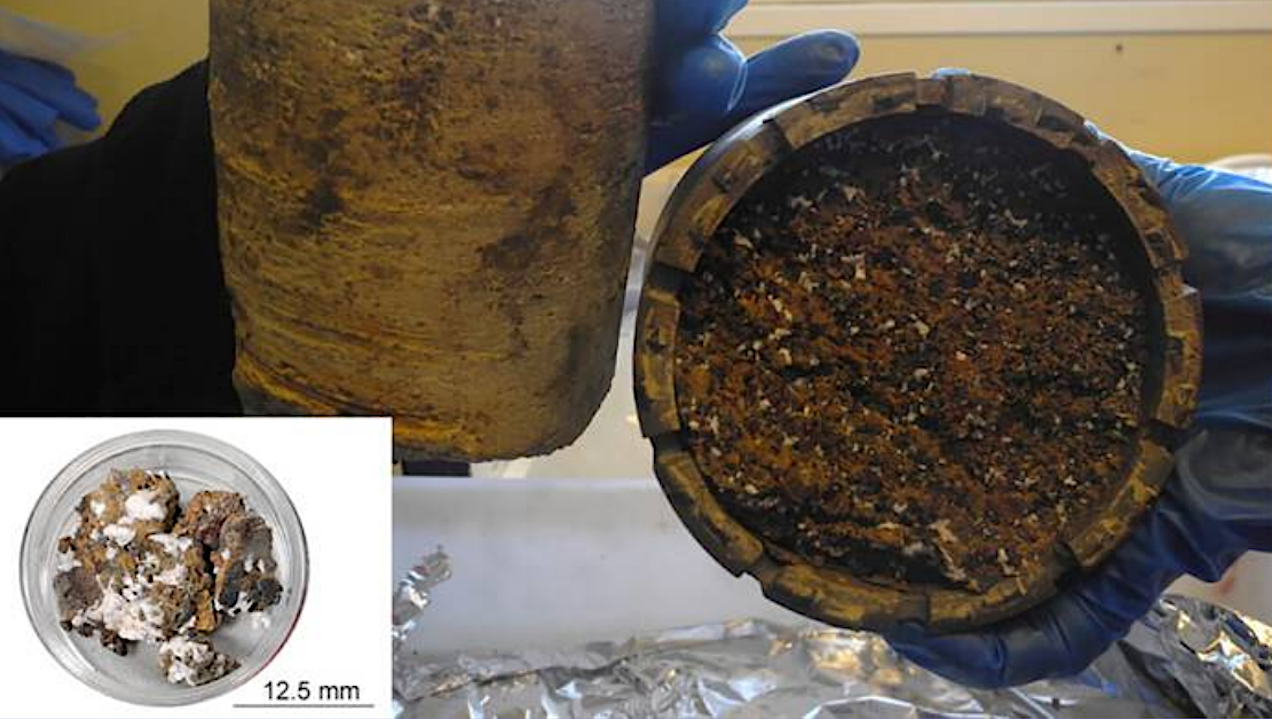
A drill-core section of the CCBH2 borehole showing a yellowish-red color resulting from the hydrothermal alteration process, with small carbonate mineralizations. In the bottom left, a fragment of the CCBH2
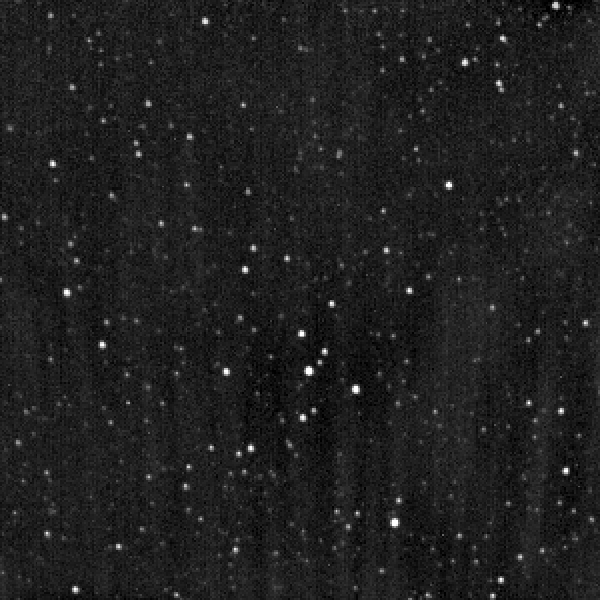
2 Min Read Europa Clipper Captures Uranus With Star Tracker Camera PIA26544 Credits: NASA/JPL-Caltech Photojournal Navigation Science Photojournal Europa Clipper Captures Uranus… Photojournal Home Photojournal Search Latest Content Galleries Feedback
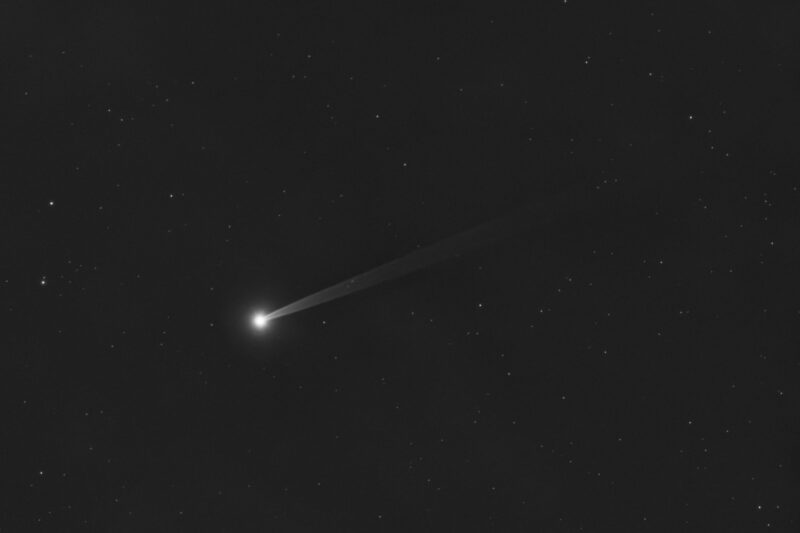
View at EarthSky Community Photos. | Steven Bellavia captured Mercury’s sodium tail on the morning of December 3, 2025, from Surry, Virginia. Steven wrote: “A 24-million-km-long plume of gas is
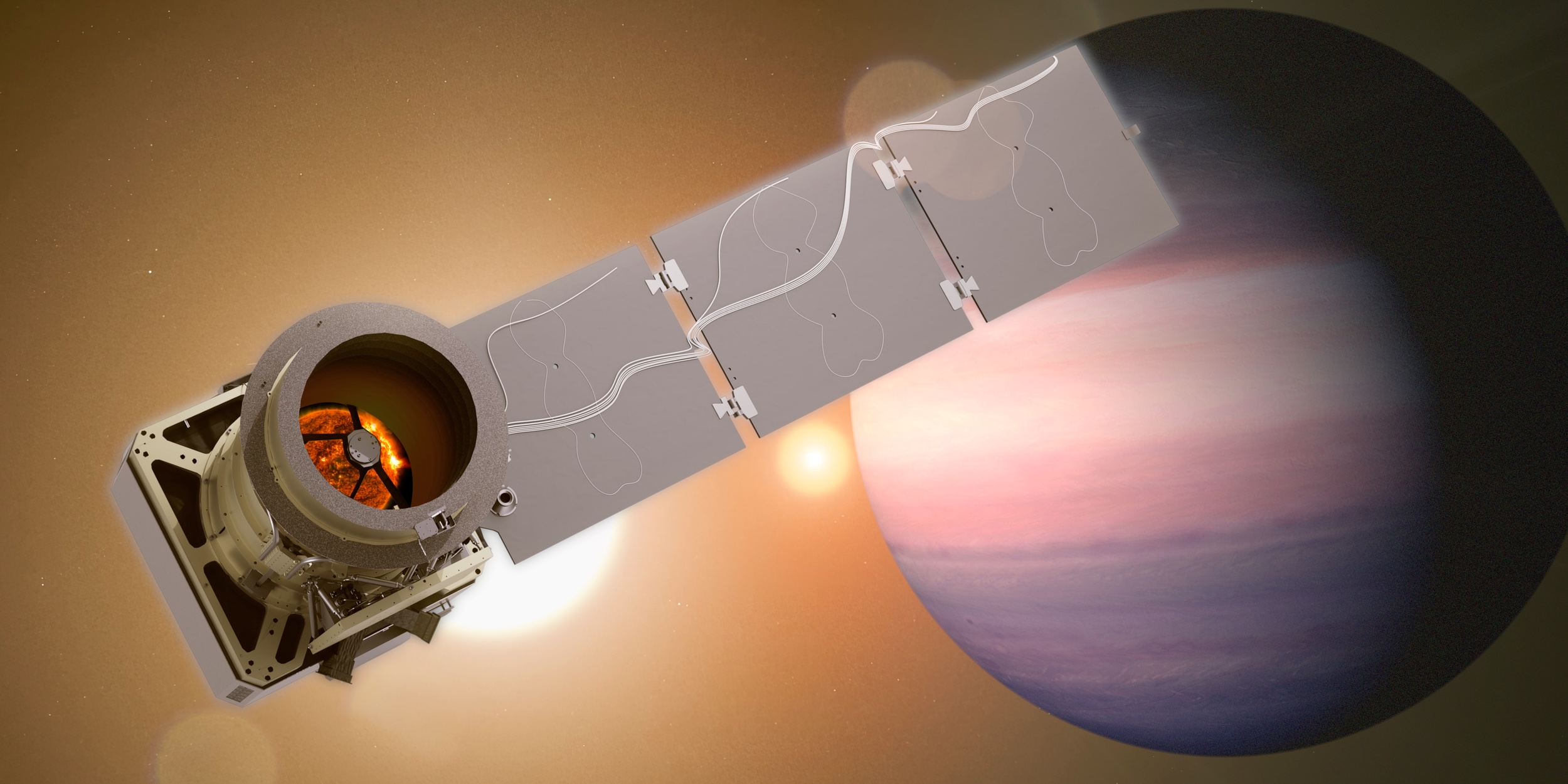
WASHINGTON — A SpaceX Falcon 9 launched a trio of NASA astrophysics small satellites along with dozens of commercial spacecraft on a rideshare mission Jan. 11. The Falcon 9 lifted
Advertisement
Popular Now
-
 01Two Black Holes Observed Circling Each Other for the First Time
 -
 02From Polymerization-Enabled Folding and Assembly to Chemical Evolution: Key Processes for Emergence of Functional Polymers in the Origin of Life
 -
 03Astronomy 101: From the Sun and Moon to Wormholes and Warp Drive, Key Theories, Discoveries, and Facts about the Universe (The Adams 101 Series)
 -
 04True Anomaly hires former York Space executive as chief operating officer
 -
 05Φsat-2 begins science phase for AI Earth images
 -
 06Hurricane forecasters are losing 3 key satellites ahead of peak storm season − a meteorologist explains why it matters
 -
 07Binary star systems are complex astronomical objects − a new AI approach could pin down their properties quickly
Scroll to Top