The mission patch symbolizing the National Reconnaissance Office’s proliferated architecture satellite constellation. Graphic: NRO SpaceX is preparing for a late night Falcon 9 launch from Vandenberg Space Force Base on

The mission patch symbolizing the National Reconnaissance Office’s proliferated architecture satellite constellation. Graphic: NRO SpaceX is preparing for a late night Falcon 9 launch from Vandenberg Space Force Base on
A telescope in Chile has captured a stunning new picture of a grand and graceful cosmic butterfly.
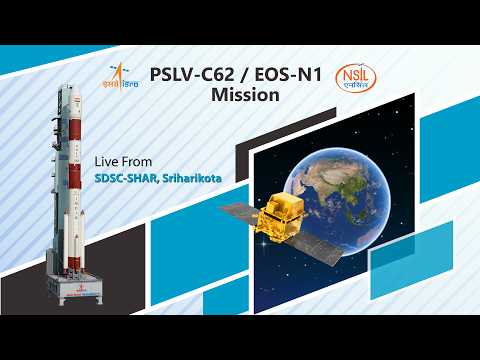
HELSINKI — India’s Polar Satellite Launch Vehicle failed late Sunday during ascent, resulting in the loss of a primary Earth observation satellite and 15 smaller co-passenger spacecraft. PSLV-C62 lifted off
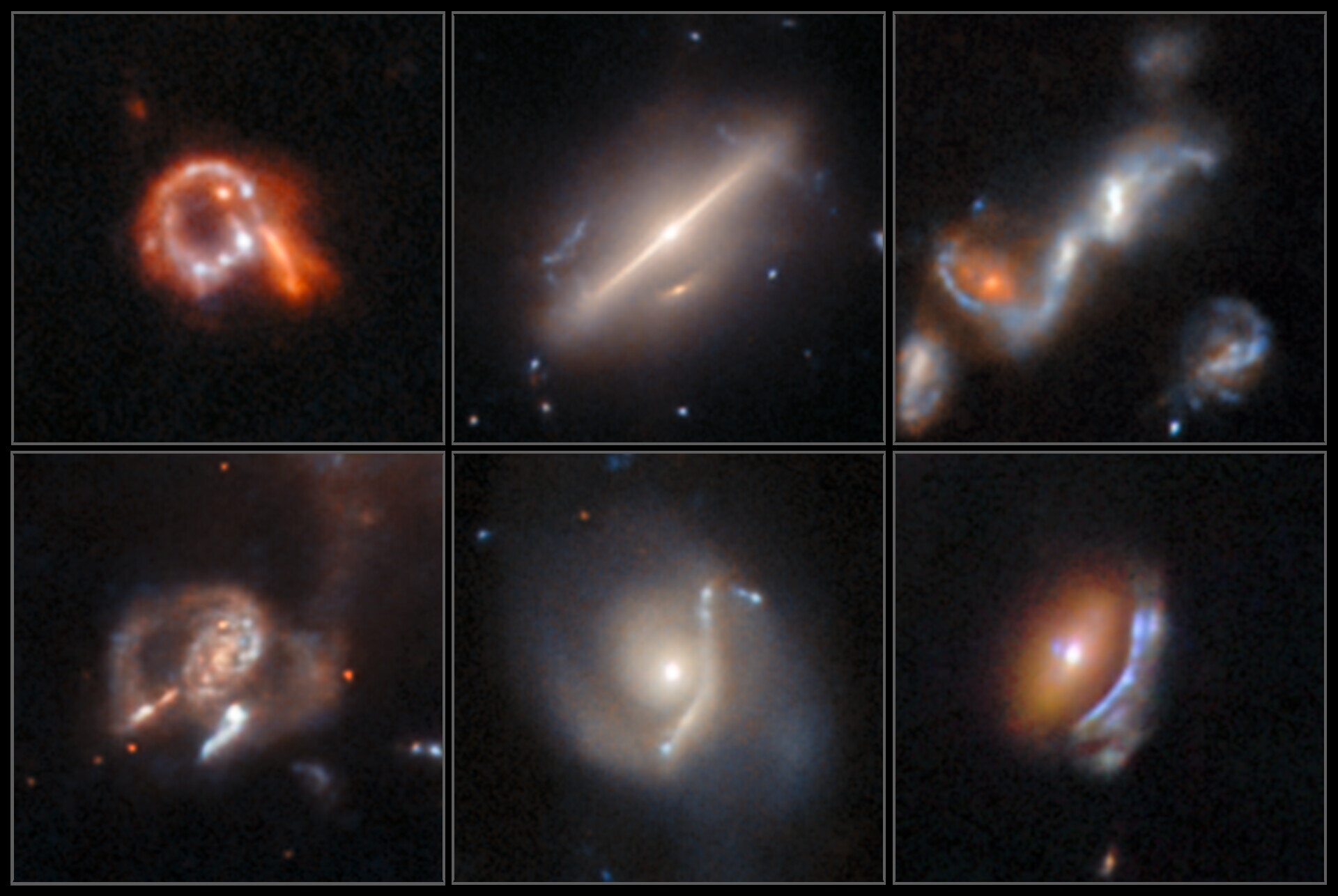
Science & Exploration 27/01/2026 184 views 3 likes A team of astronomers have used a new AI-assisted method to search for rare astronomical objects in the Hubble Legacy Archive. The

Irvine, Calif., November 25, 2025 — Terran Orbital Corporation is pleased to announce that Cheryl Paquete has joined the company full-time as Chief Financial Officer, transitioning from her previous temporary
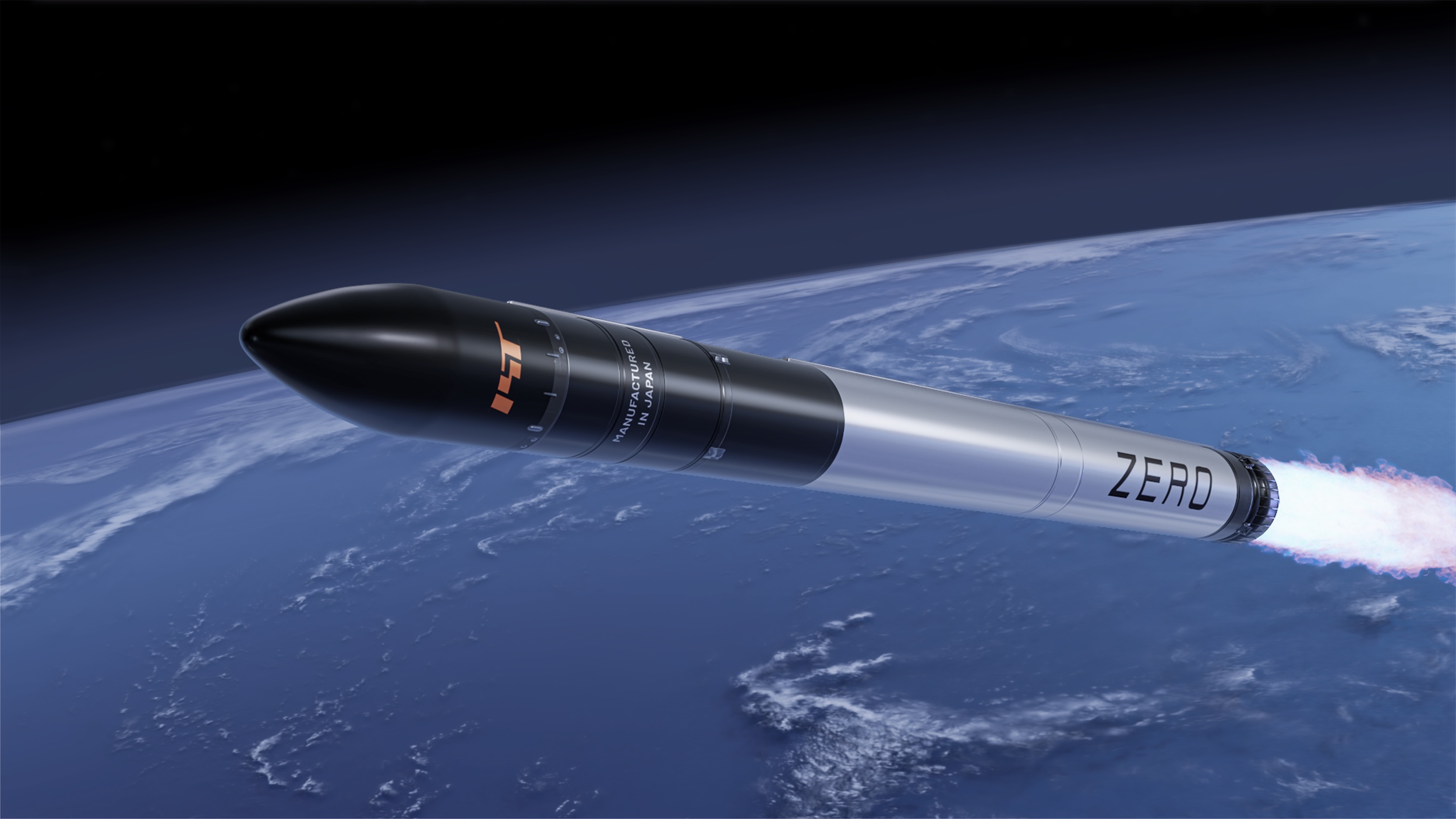
WASHINGTON — Japanese launch vehicle startup Interstellar Technologies has raised nearly $130 million to continue development of its Zero small launch vehicle. The company announced Jan. 16 that it raised
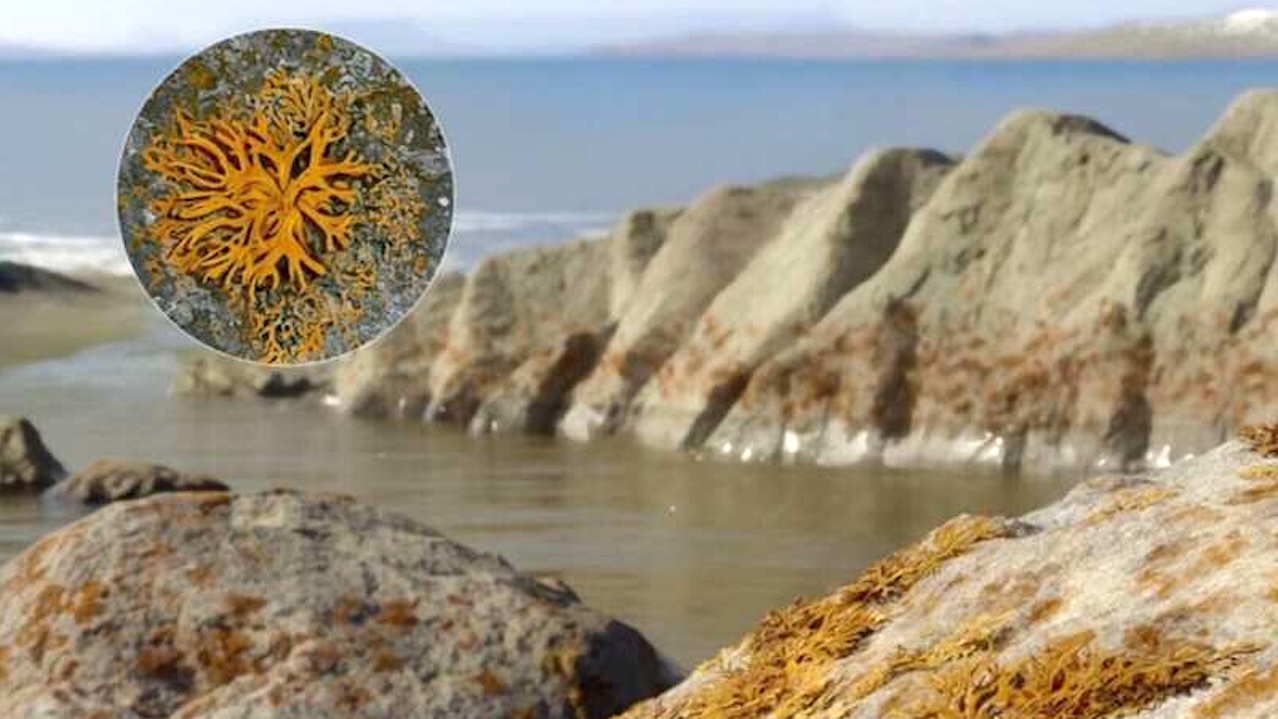
Artistic reconstruction of Spongiophyton during the Early Devonian in the high latitude depositional system of the Paraná Basin. Paleoart by J. Lacerda. Lichens were already widespread over 410 million years
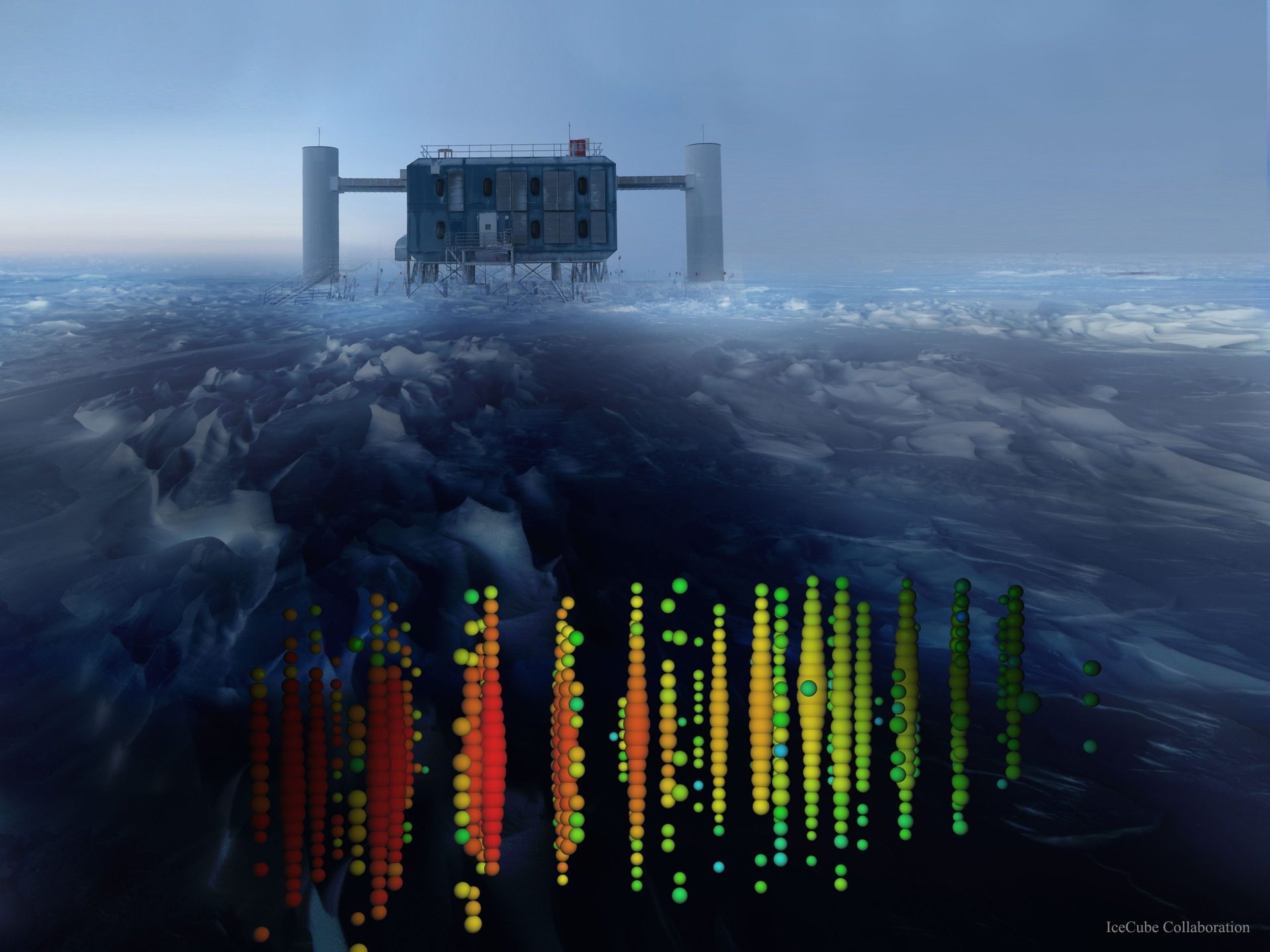
A research team has conducted the first systematic search for optical counterparts to a neutrino “multiplet,” a rare event in which multiple high-energy neutrinos are detected from the same direction

Want a pair of powerful multi-purpose binoculars to gaze at the cosmos in your back garden? Thanks to Amazon’s Black Friday sale, you can save $64 on these Celestron Nature
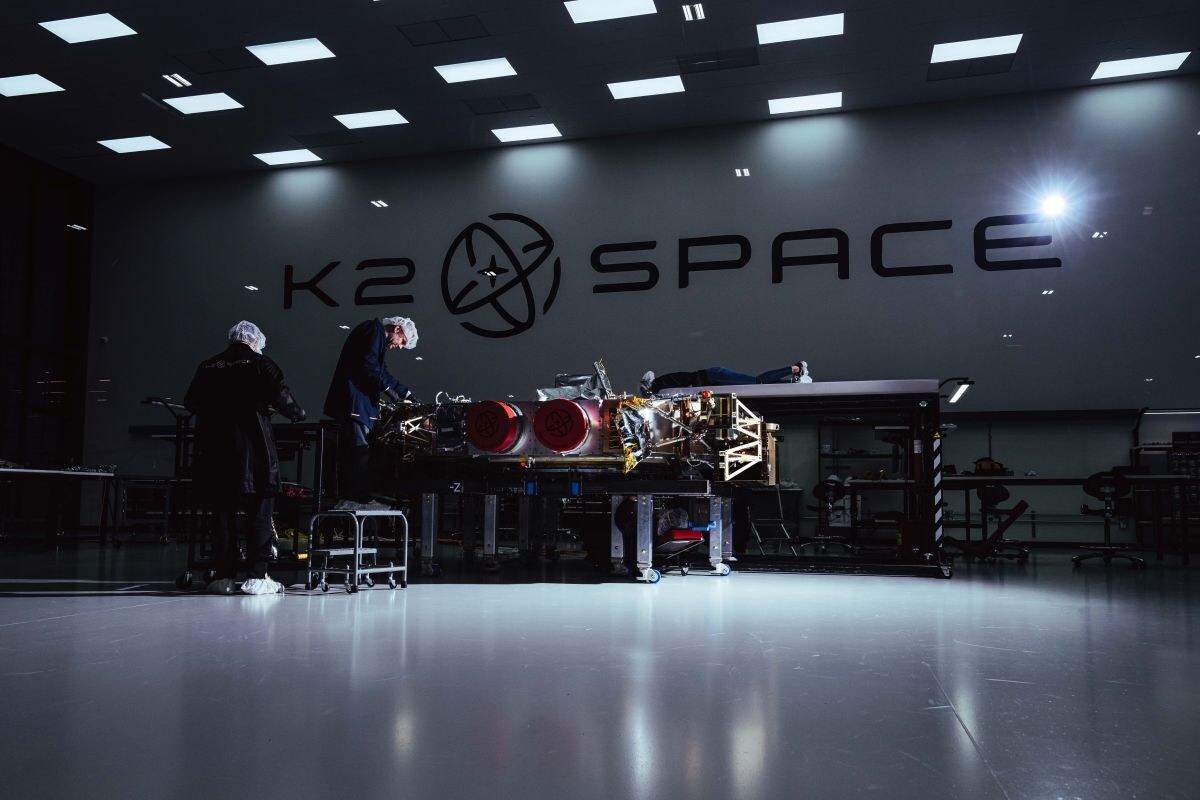
ORLANDO, Fla. — K2 Space said Dec. 11 it raised $250 million in new funding that values the satellite manufacturing startup at $3 billion. The Series C round was led