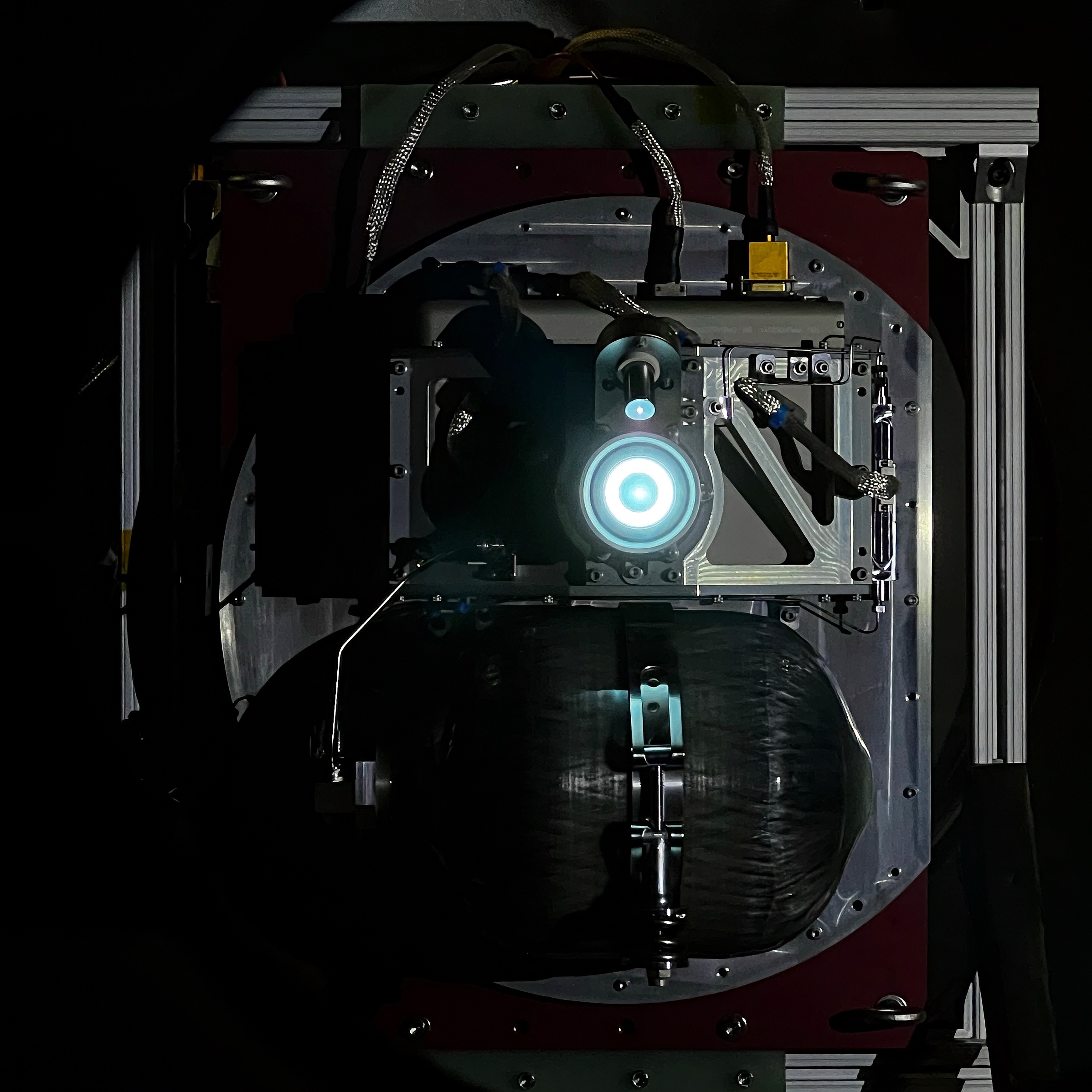
WASHINGTON — Orbion, an independent small-satellite propulsion company based in Michigan, has delivered 33 electric propulsion units to York Space Systems for a U.S. military satellite constellation, the company said,

WASHINGTON — Orbion, an independent small-satellite propulsion company based in Michigan, has delivered 33 electric propulsion units to York Space Systems for a U.S. military satellite constellation, the company said,
When President John F. Kennedy stood before Congress in May 1961 and declared that the United States would land a man on the moon before the decade’s end, his purpose
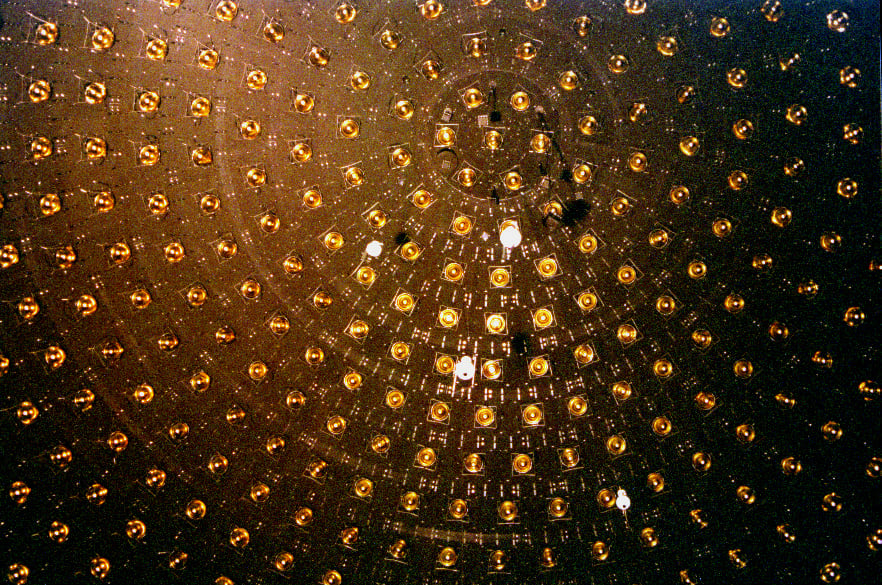
Every second, a trillion ghost particles stream through your body unnoticed, invisible messengers carrying secrets from the hearts of distant stars. Astrophysicists at the University of Copenhagen have now mapped
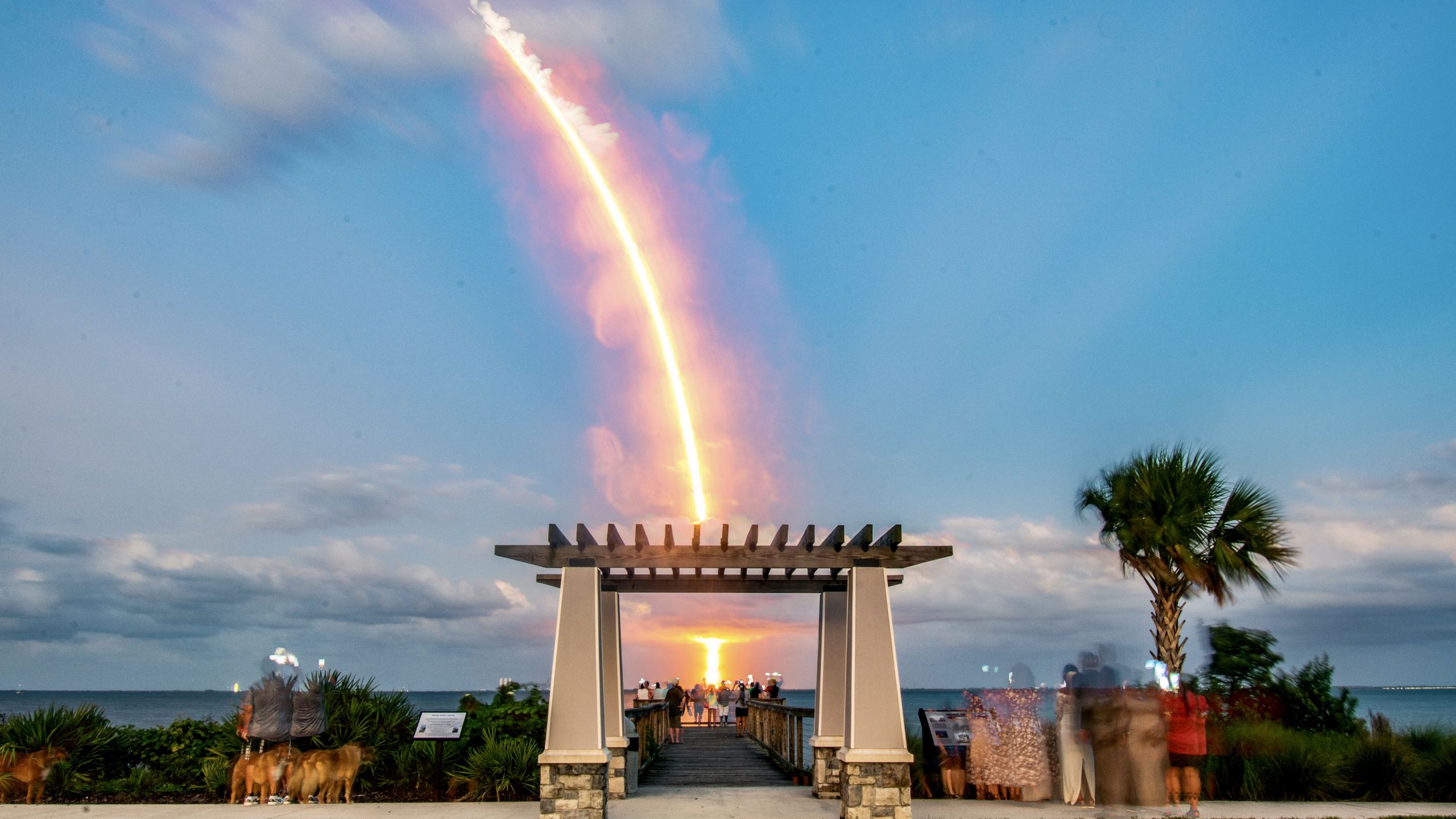
Commercial launch companies (especially SpaceX) can breathe easy, now that restrictions on when they’re allowed to lift off have been rescinded. The U.S. Federal Aviation Administration (FAA) has ended an
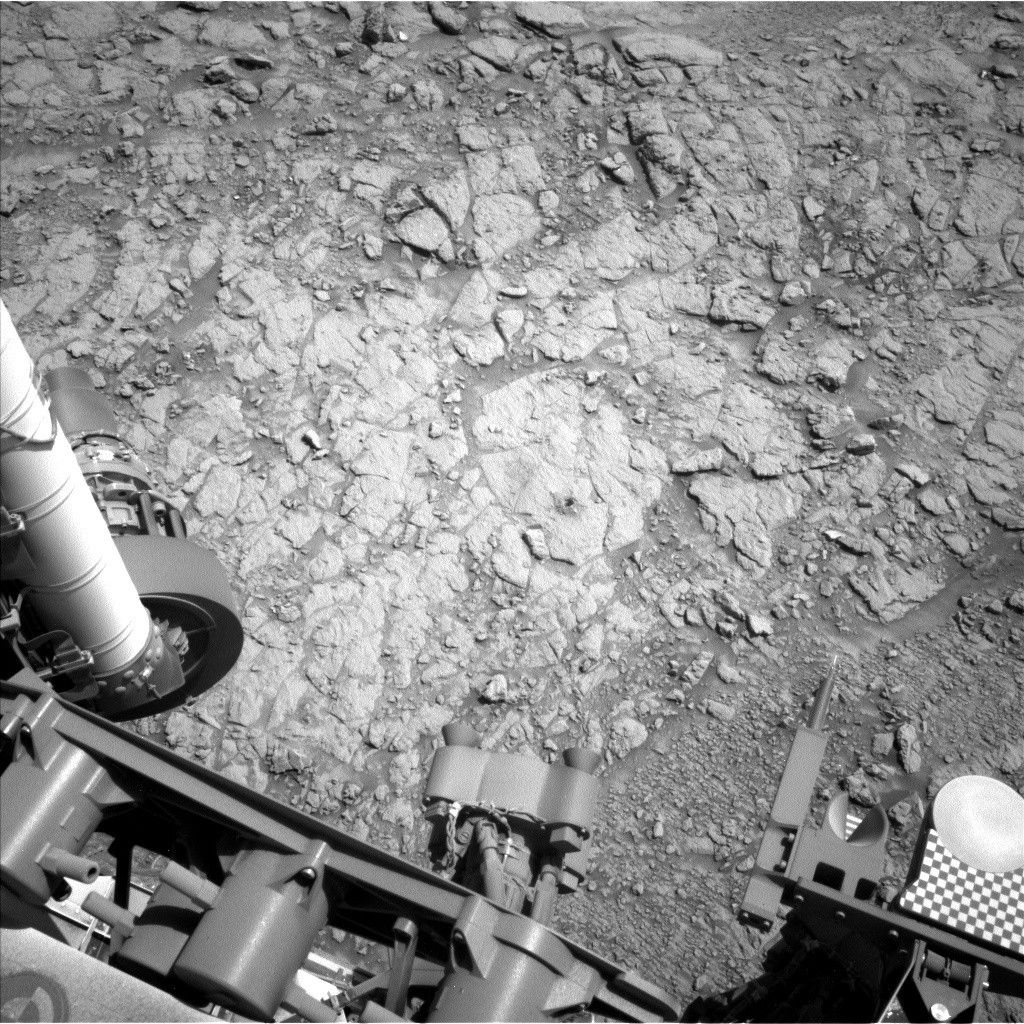
Curiosity Navigation Curiosity Home Mission Overview Where is Curiosity? Mission Updates Science Overview Instruments Highlights Exploration Goals News and Features Multimedia Curiosity Raw Images Images Videos Audio Mosaics More Resources
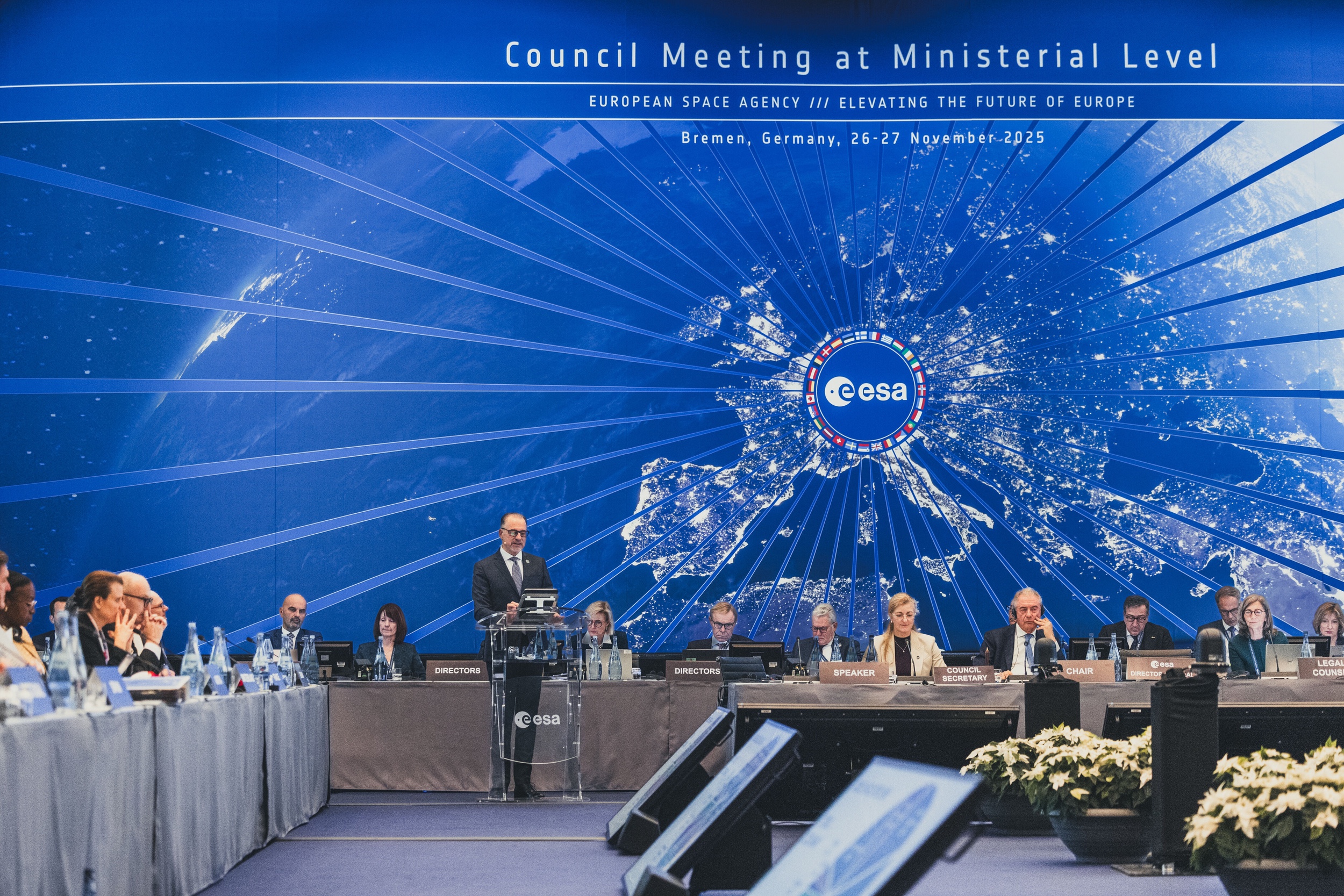
BREMEN, Germany — The European Space Agency wrapped up the first day of a critical ministerial conference sounding upbeat about progress in securing funding for the next three years, despite
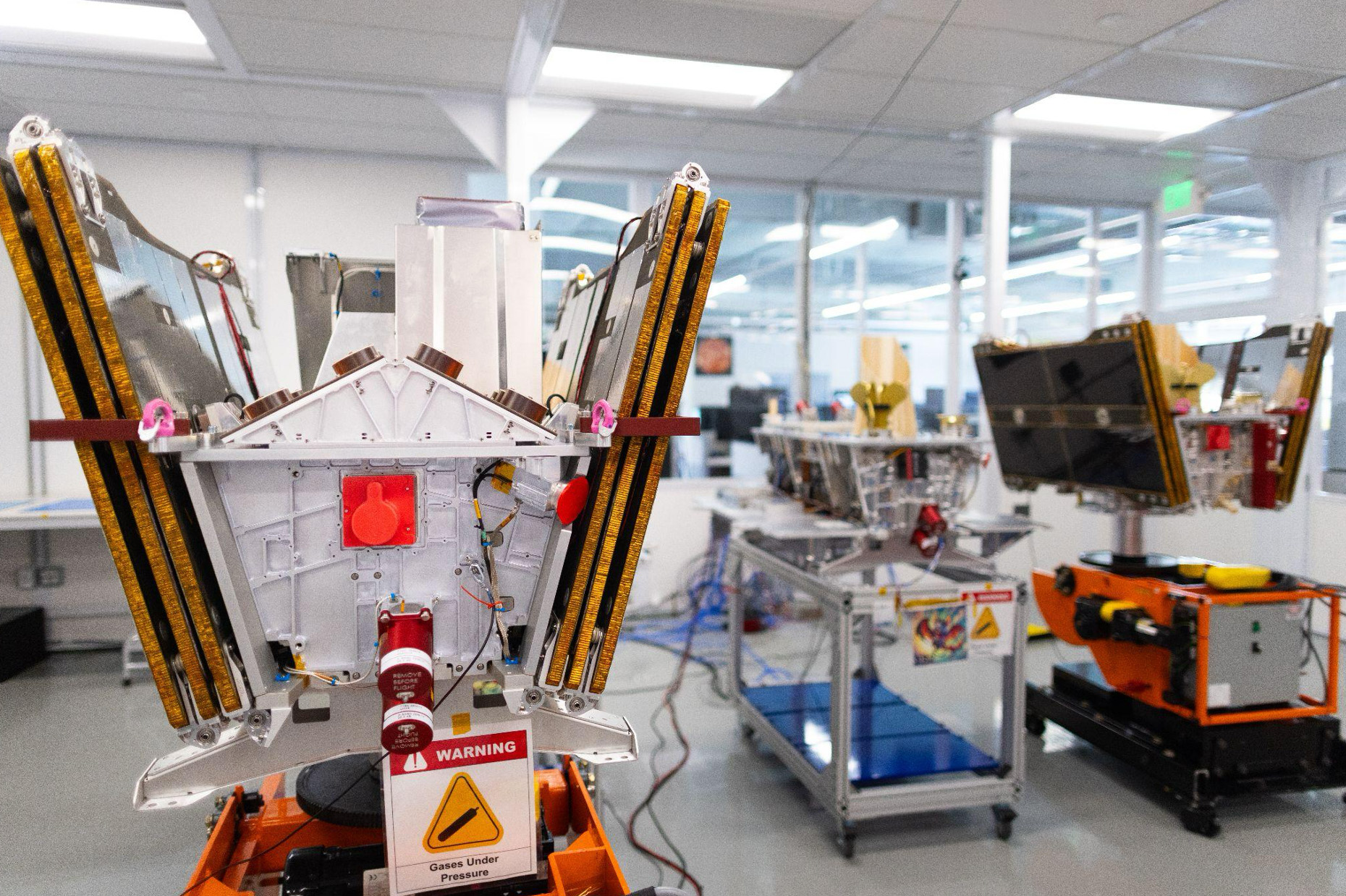
For decades, building a space mission meant a hard choice between two imperfect models. The first was the traditional prime: capable, proven, and thorough, but slow and expensive. Customers paid
Astronomers have long puzzled over how some massive galaxies stop forming stars and remain dormant for billions of years—even when they still contain gas that could, in principle, fuel new
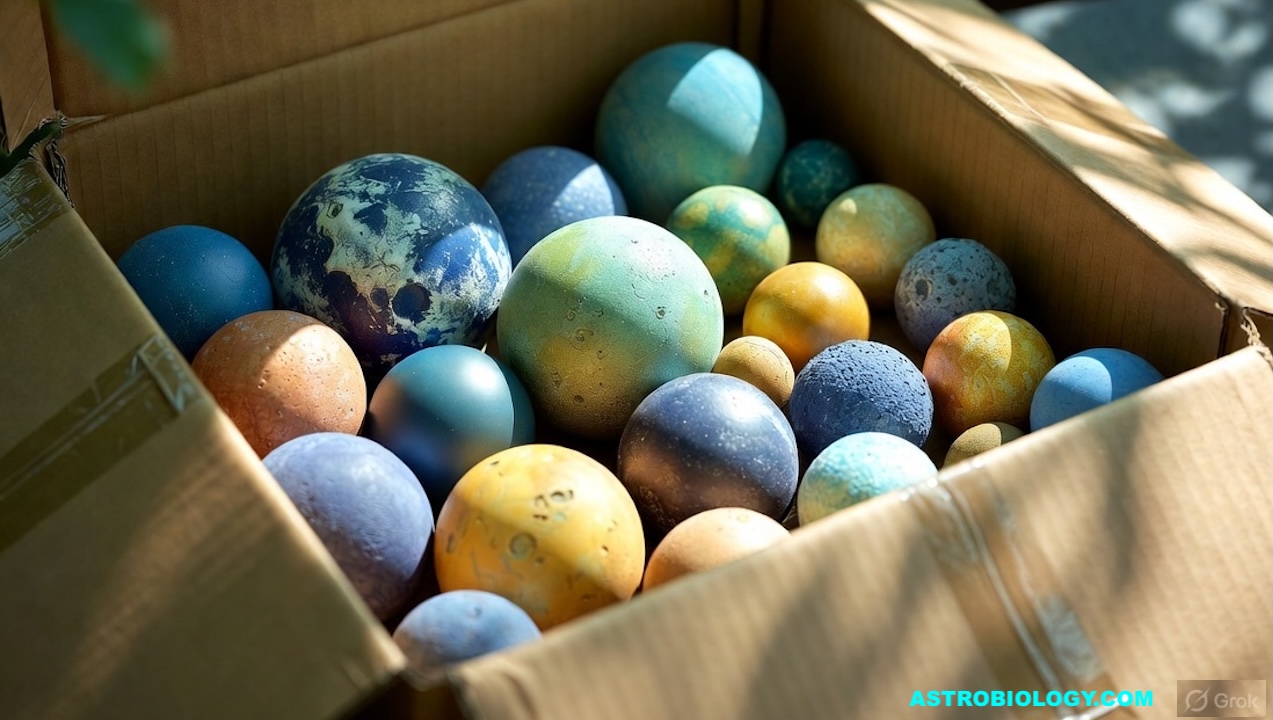
NASA Planetary Research — Grok via Astrobiology.com On December 10, 2025 at 1 PM Eastern, NASA’s Planetary Science Division (PSD) Planetary Research Programs will host a webinar to celebrate the

Two models adapted for equilibrium conditions between magma ocean, atmosphere, and disk gas in the formation stage (Section 2.7). (A) case with an exchange of hydrogen and helium between the