
Deep beneath the surface of distant exoplanets known as super-Earths, oceans of molten rock may be doing something extraordinary: powering magnetic fields strong enough to shield entire planets from dangerous

Hot Posts994- Page
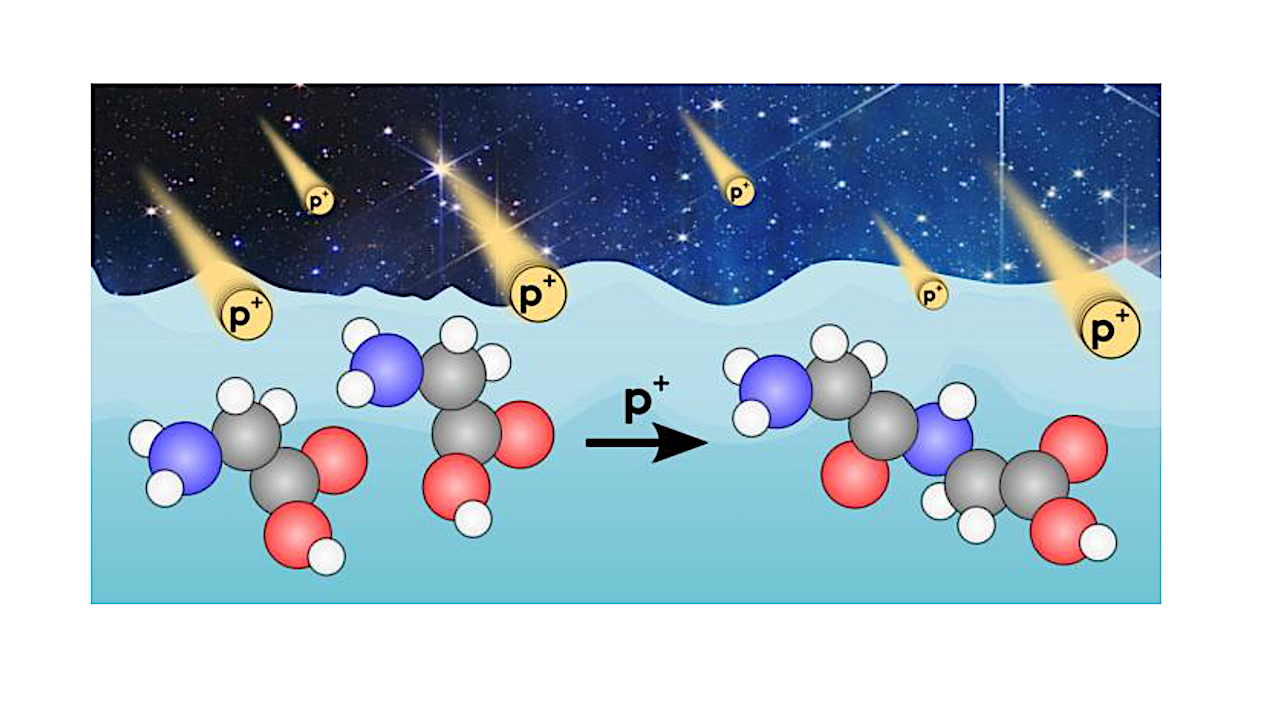
A graphical representation of glycine on a surface in the interstellar medium bombarded by cosmic rays to produce peptides, the building block of proteins. Credit Alfred Thomas Hopkinson. The stars
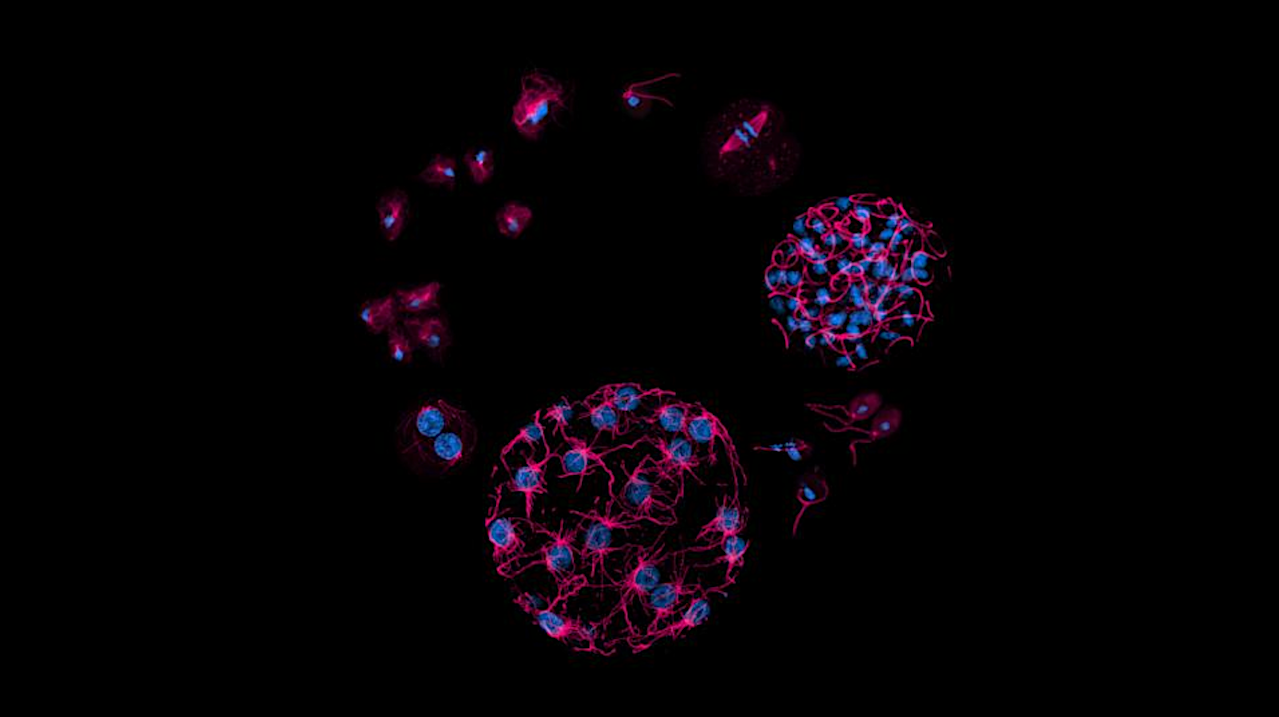
The diversity of unicellular eukaryotes covered in the study, with their nucleus (blue) and microtubule cytoskeleton (magenta) stained. These organisms are so distantly related to each other as they are
A team of researchers has confirmed stars ring loud and clear in a “key” that will harmonize well with the science goals and capabilities of NASA’s upcoming Nancy Grace Roman
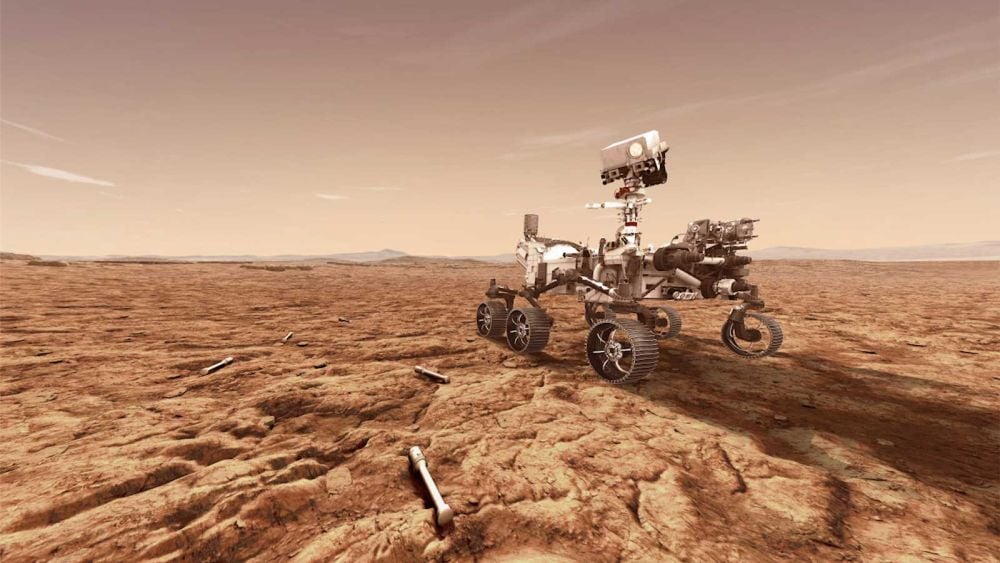
This year’s funding for the Mars Sample Return mission has been cut. It seems unlikely that the mission will be revived in the coming years, barring some unforeseen development. This
There’s always a touch of melancholy when a chapter that has absorbed years of work comes to an end. In the case of the Atacama Cosmology Telescope (ACT), those years

Watch the keynote address by ESA Director General Josef Aschbacher at the 18th European Space Conference in Brussels. The European Space Conference is a key strategic event bringing together representatives from
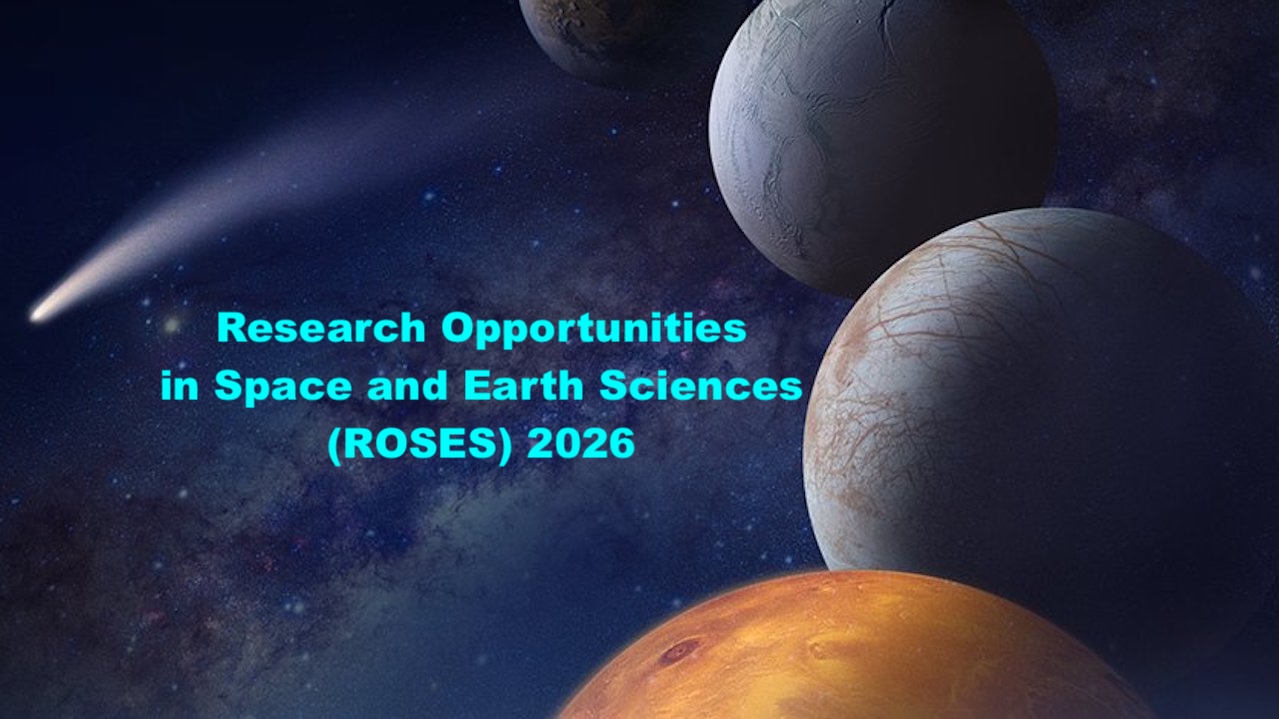
NASA ROSES-2026 — Astrobiology.com Historically the new omnibus ROSES solicitation was released in February but proposals to the programs from the prior year’s ROSES that were rolling submissions (no due
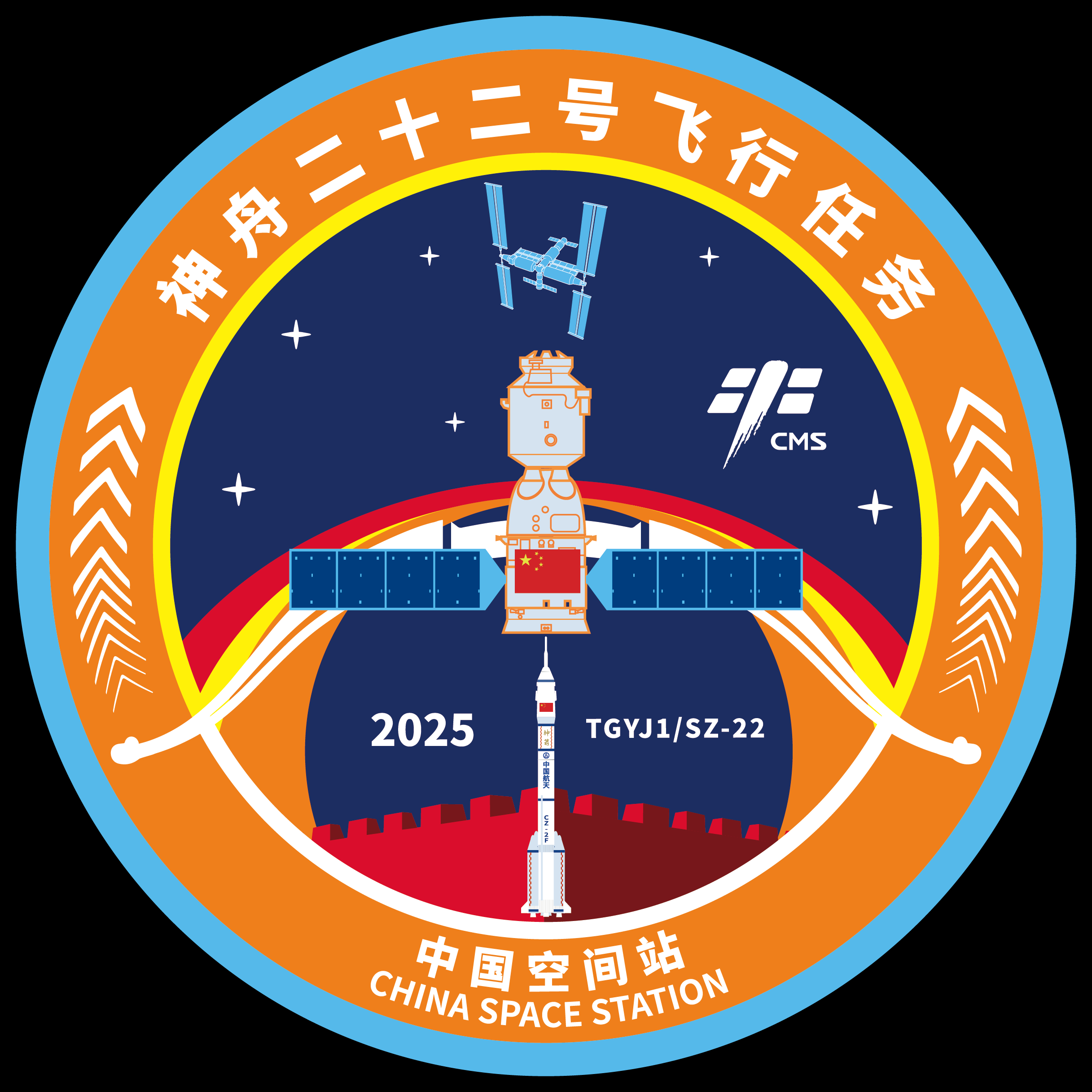
China will launch an empty spacecraft to the Tiangong space station overnight tonight (Nov. 24), to provide a lifeboat for its 3 stranded astronauts currently living and working aboard. A
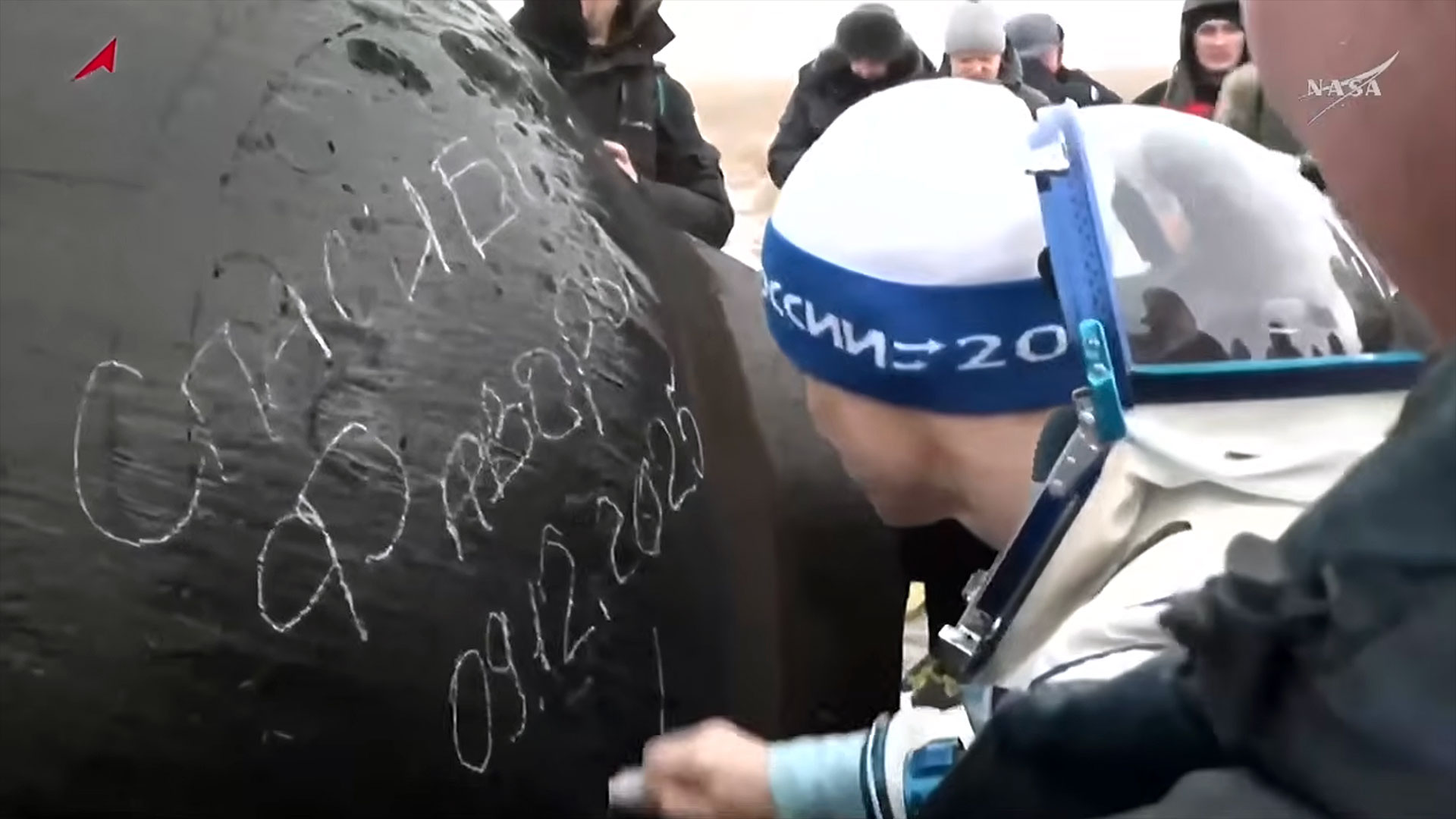
Two Russian cosmonauts and an American astronaut are safely back on Earth after spending eight months aboard the International Space Station. Soyuz MS-27 crewmates Sergey Ryzhikov and Alexey Zubritsky of
Advertisement
Popular Now
-
 01Two Black Holes Observed Circling Each Other for the First Time
 -
 02From Polymerization-Enabled Folding and Assembly to Chemical Evolution: Key Processes for Emergence of Functional Polymers in the Origin of Life
 -
 03Astronomy 101: From the Sun and Moon to Wormholes and Warp Drive, Key Theories, Discoveries, and Facts about the Universe (The Adams 101 Series)
 -
 04True Anomaly hires former York Space executive as chief operating officer
 -
 05Φsat-2 begins science phase for AI Earth images
 -
 06Hurricane forecasters are losing 3 key satellites ahead of peak storm season − a meteorologist explains why it matters
 -
 07Binary star systems are complex astronomical objects − a new AI approach could pin down their properties quickly
Scroll to Top