
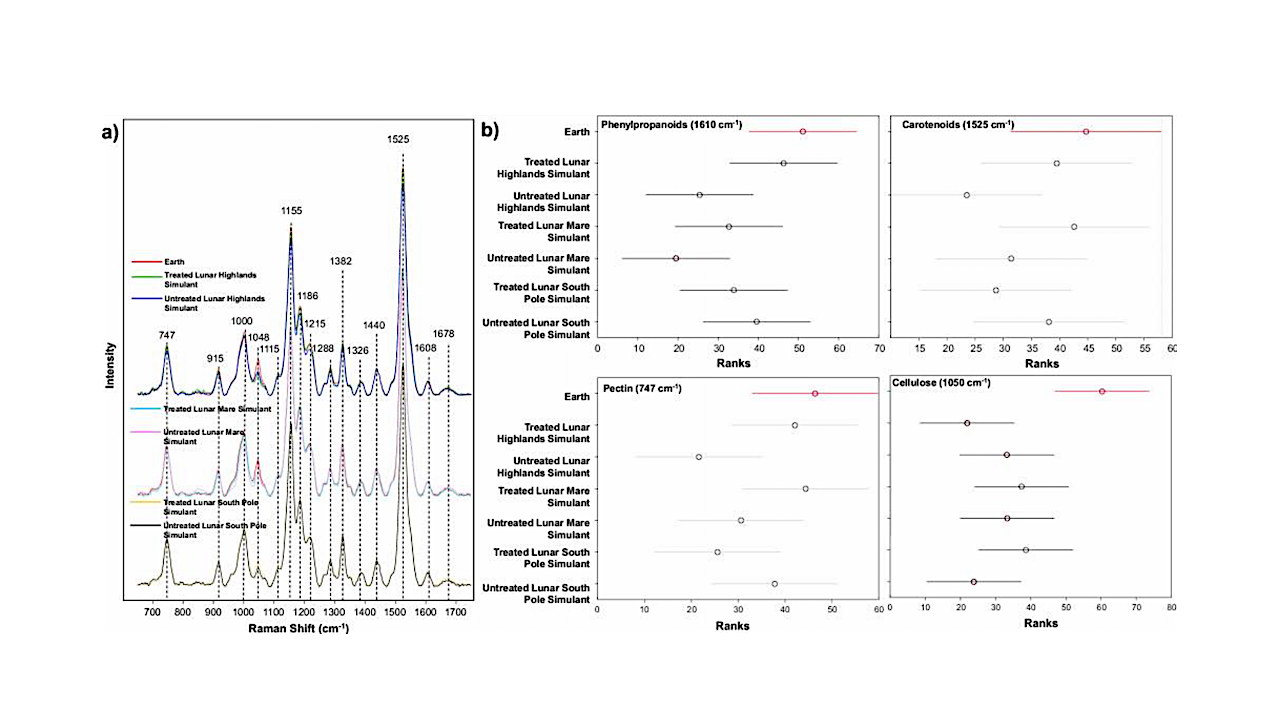
Averaged Raman spectra (a) acquired from A. thaliana grown on treated and untreated lunar regolith at 47 days old. Changes in the intensities of vibrational bands that can be assigned


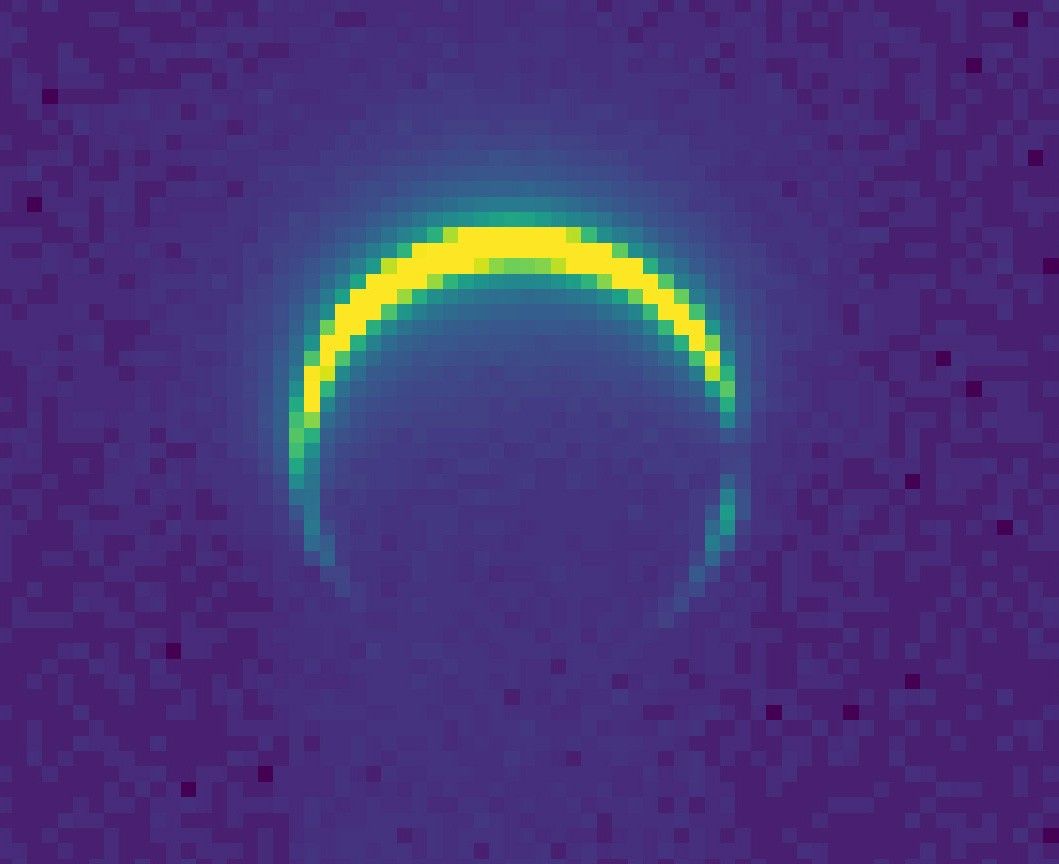
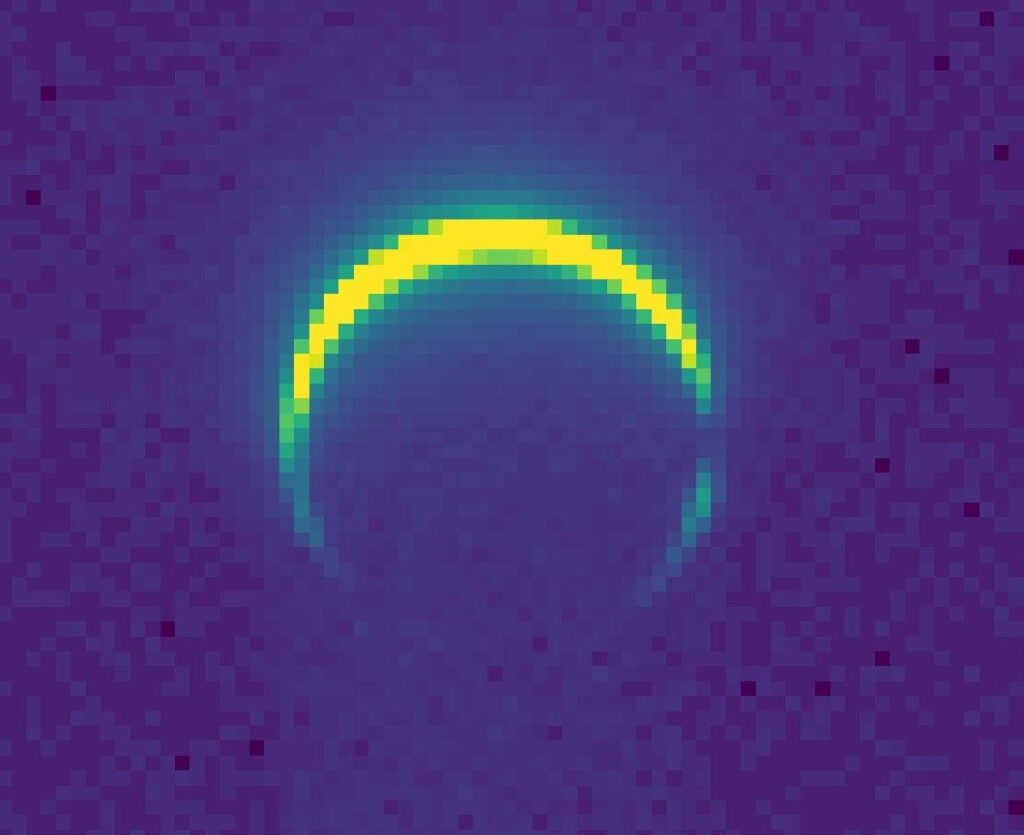
2 Min Read NASA’s Psyche Mission Captures Mars During Gravity Assist Approach PIA26750 Credits: NASA/JPL-Caltech/ASU Photojournal Navigation Science Photojournal NASA’s Psyche Mission… Photojournal Home Photojournal Search Latest Content Galleries Feedback
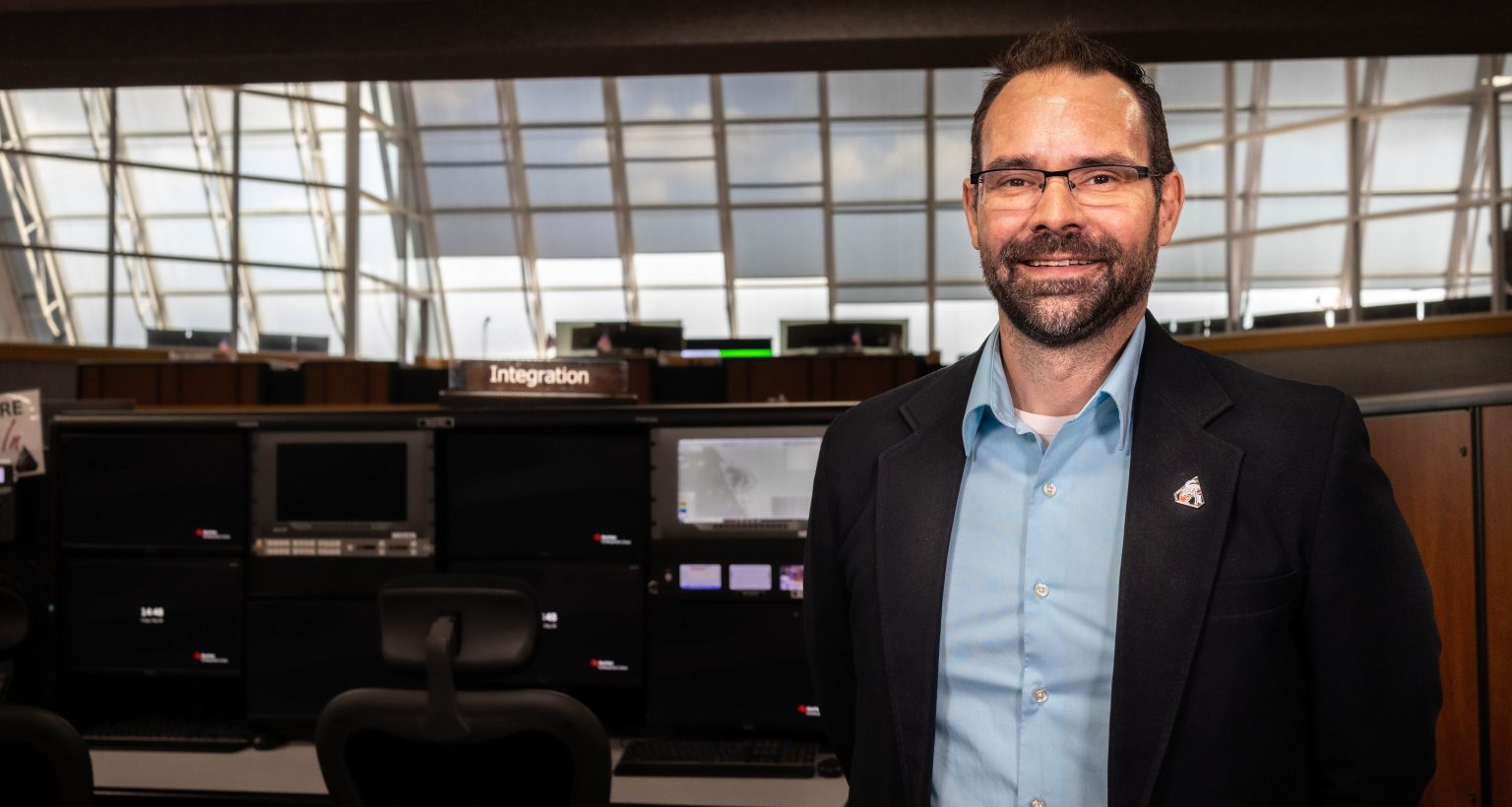
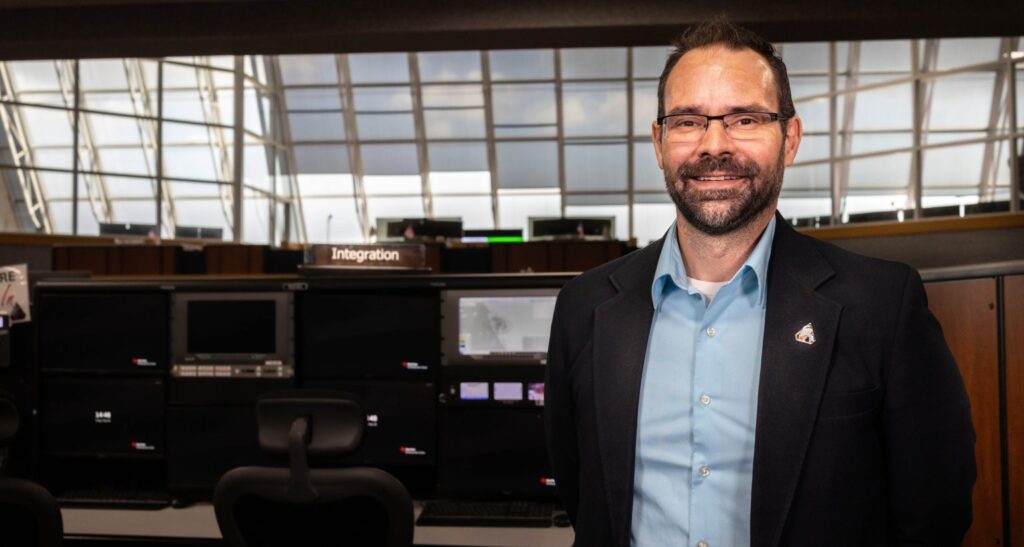
3 Min Read I Am Artemis: Anton Kiriwas Listen to this audio excerpt from Anton Kiriwas, senior technical integration manager for NASA’s Exploration Ground Systems Program: 0:00 / 0:00 Your
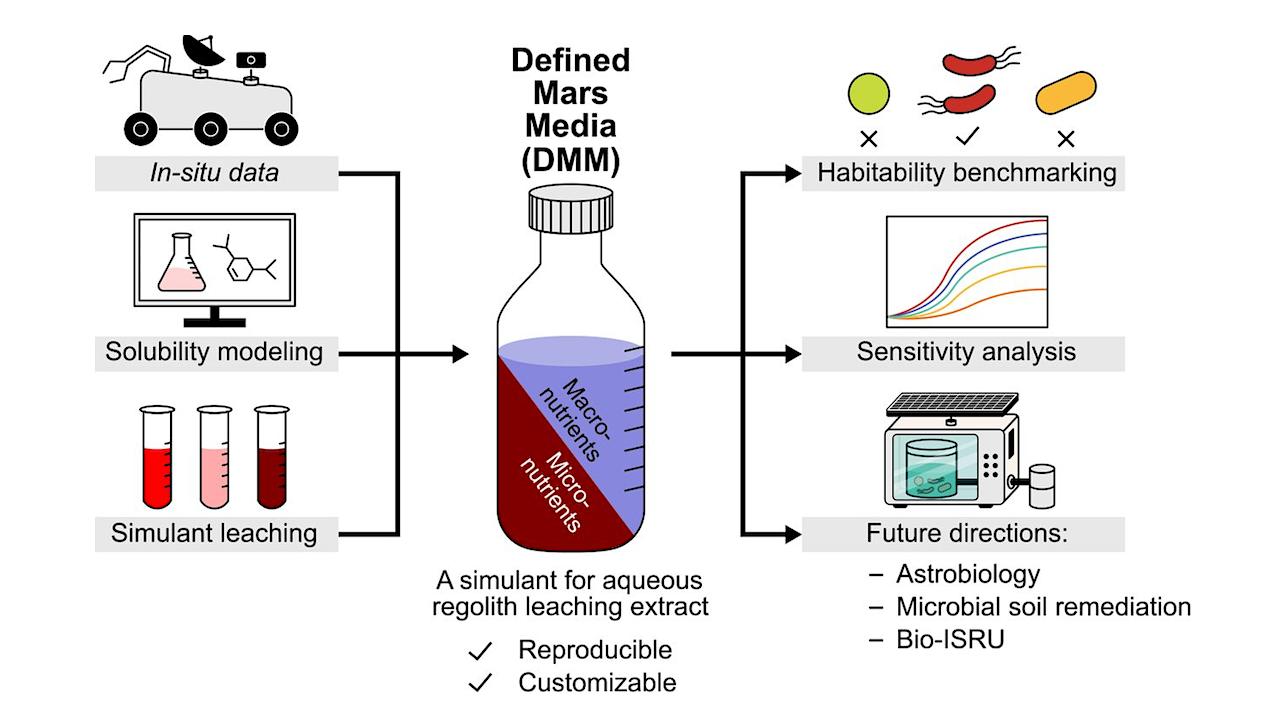
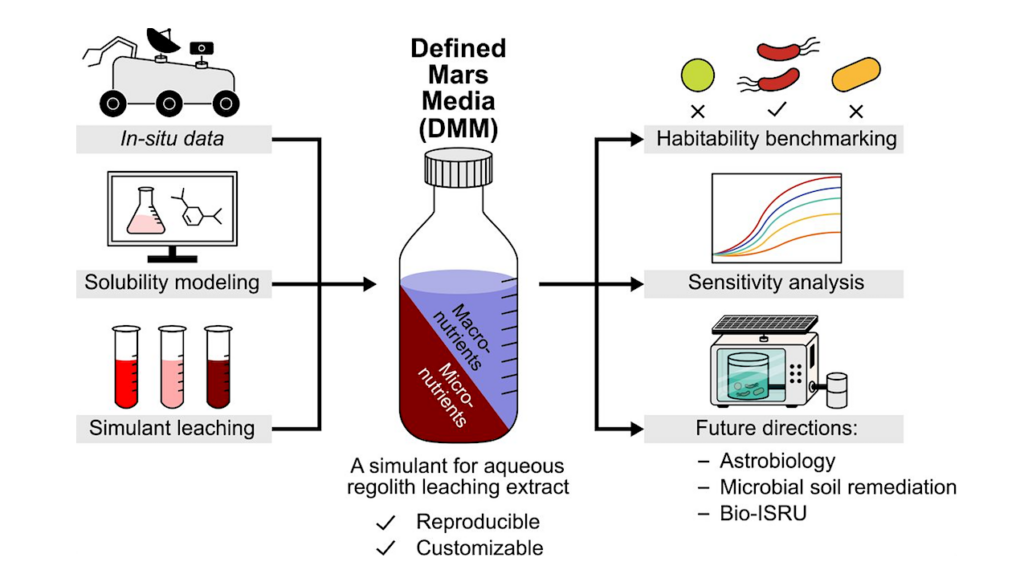
Graphical abstract Mars’ relatively moderate surface conditions, availability of solar energy, and in situ resources like water ice, carbon dioxide, and mineral-rich regolith make it a compelling target for supporting
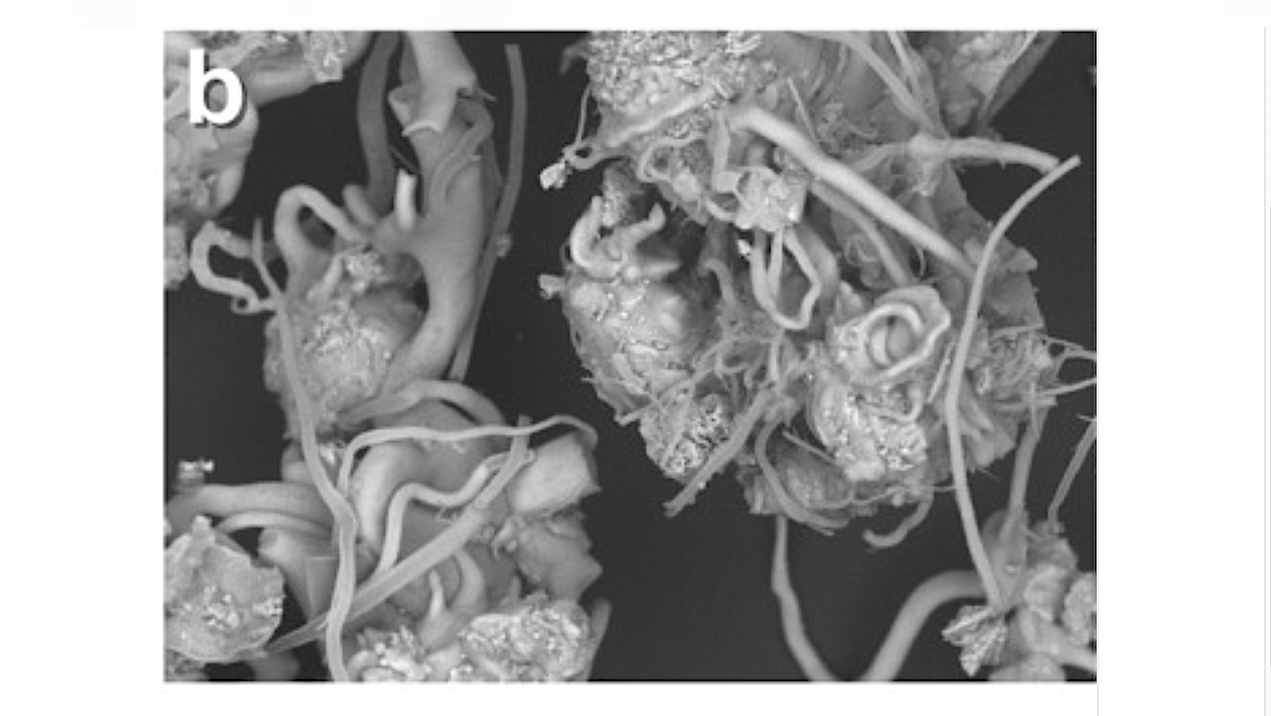
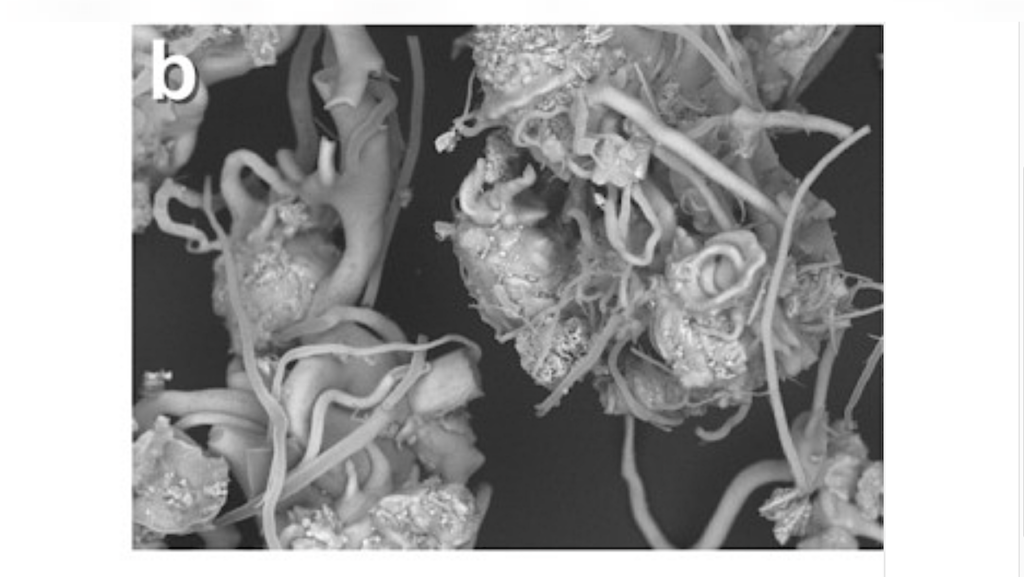
SEM photomicrograph — Geology via PubMed Observations of morphology are commonly used to evaluate the biogenicity of terrestrial microfossils and could constitute a crucial line of evidence for extraterrestrial life‐detection
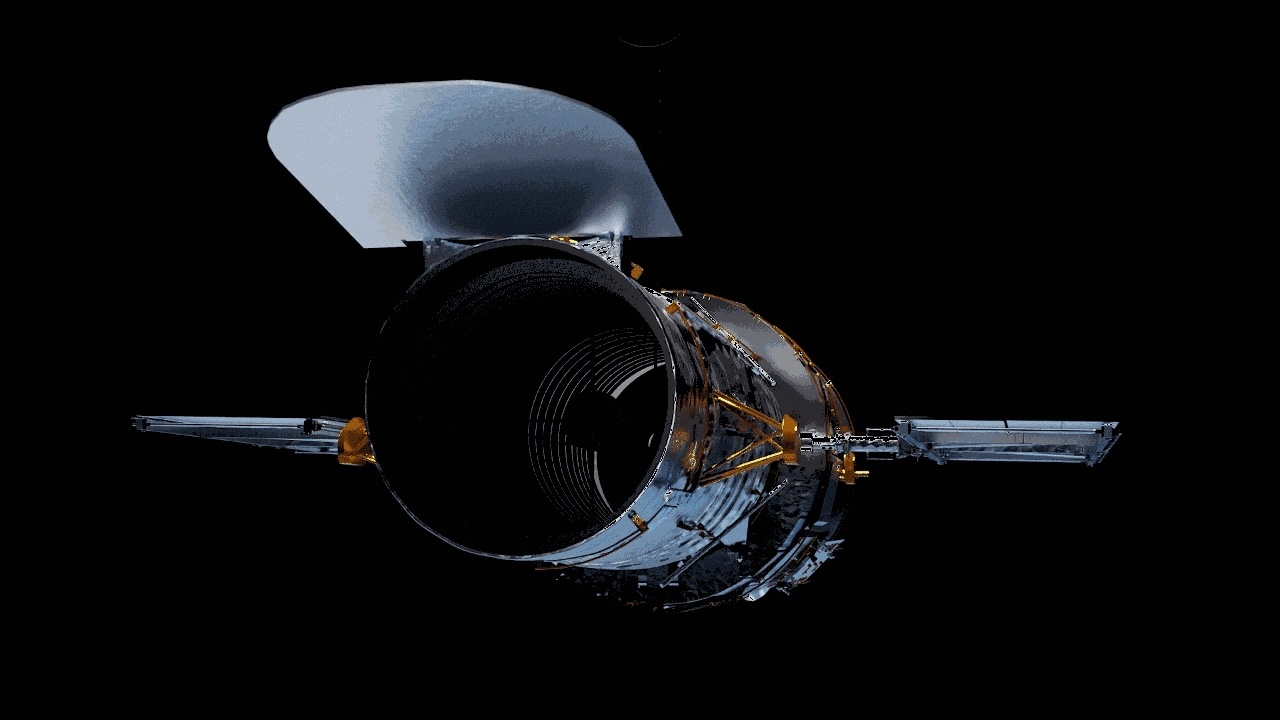
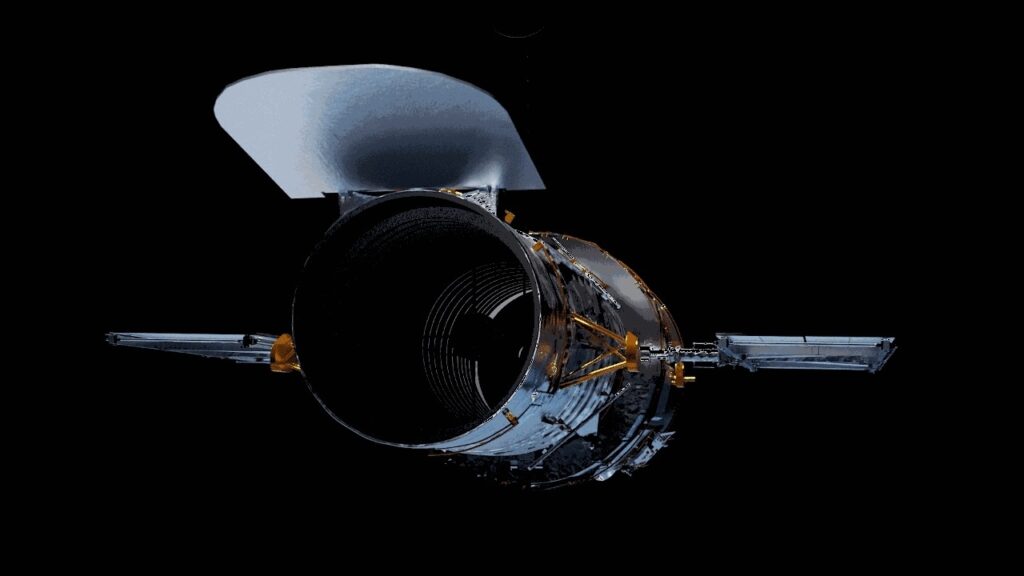
Hubble Space Telescope — NASA The new Hubble Spectroscopic Legacy Archive (HSLA) provides coadded spectra of individual targets that have been observed with the Cosmic Origins Spectrograph (COS) and the
Averaged Raman spectra (a) acquired from A. thaliana grown on treated and untreated lunar regolith at 47 days old. Changes in the intensities of vibrational bands that can be assigned
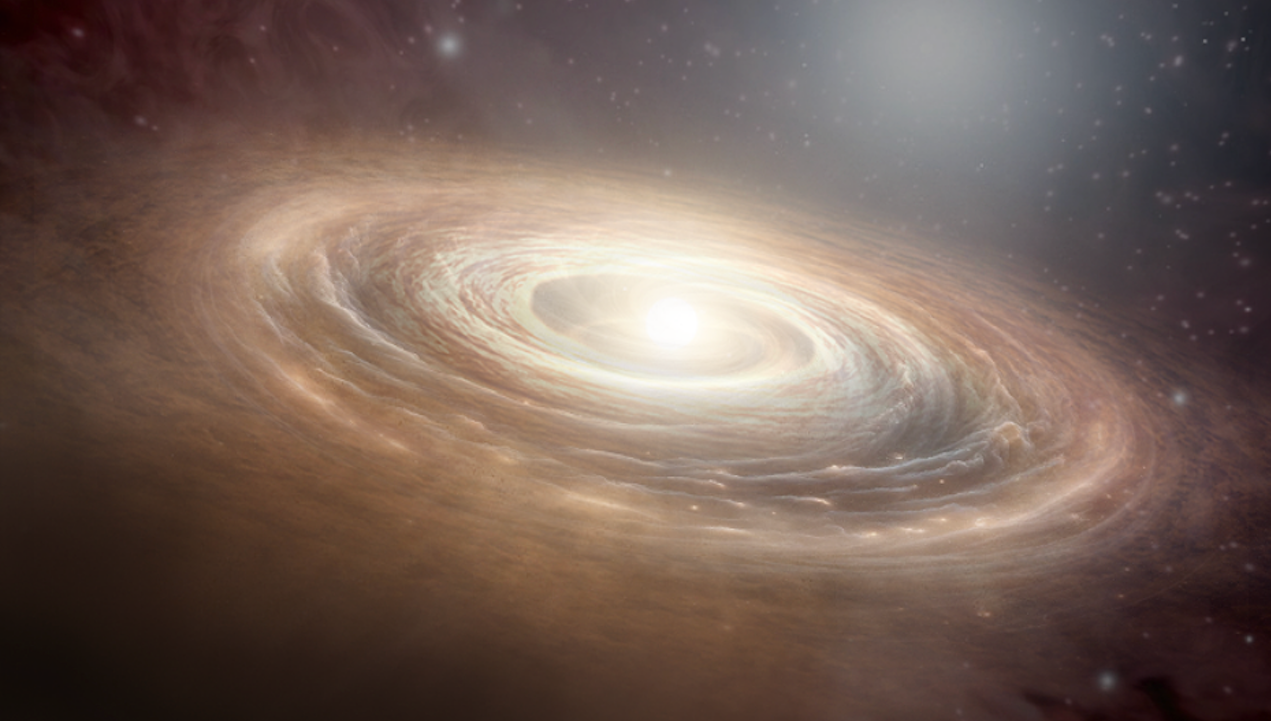
Artist’s concept of protoplanetary disk, like the thirty studied for the ALMA AGE-PRO survey. The lifetime of the gas within the disk determines the timescale for planetary growth. Credit: NSF/AUI/NSF
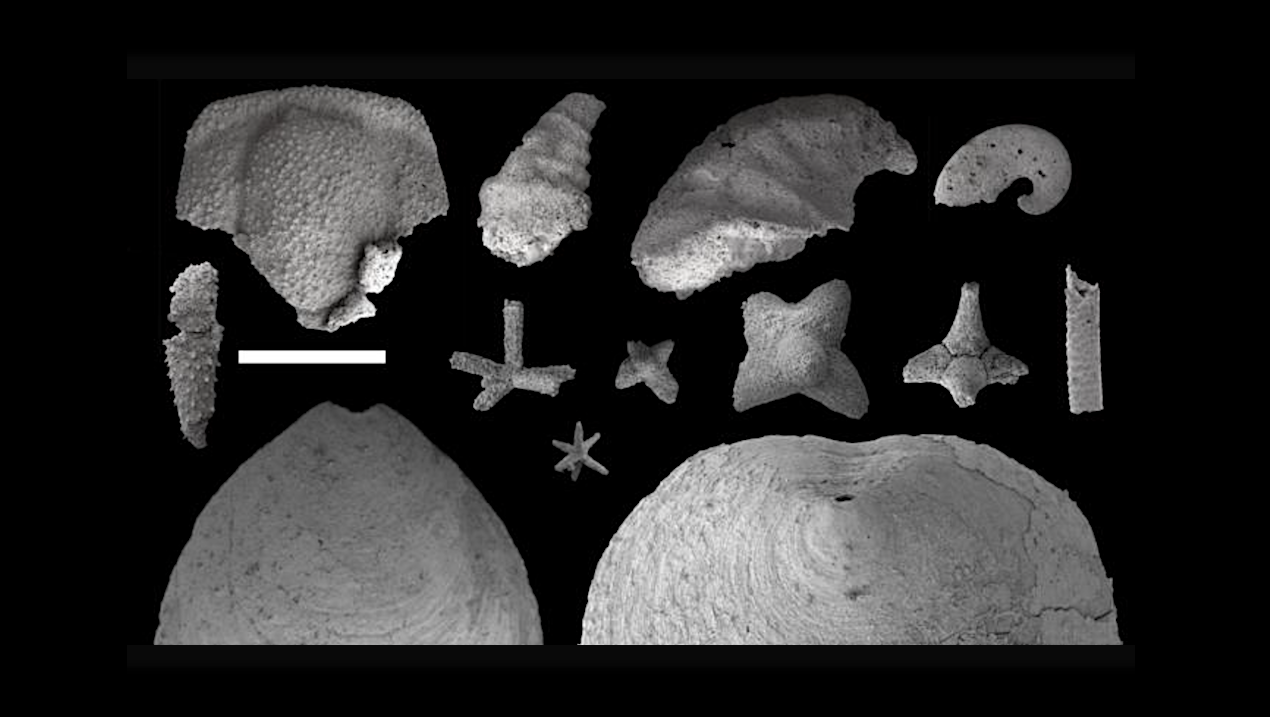
Various small shelly fossils recovered from the beds surrounding the Cambrian reefs. Scale bar is 1 mm. Credit Photo courtesy Sarah Jacquet More than 514 million years ago, long before
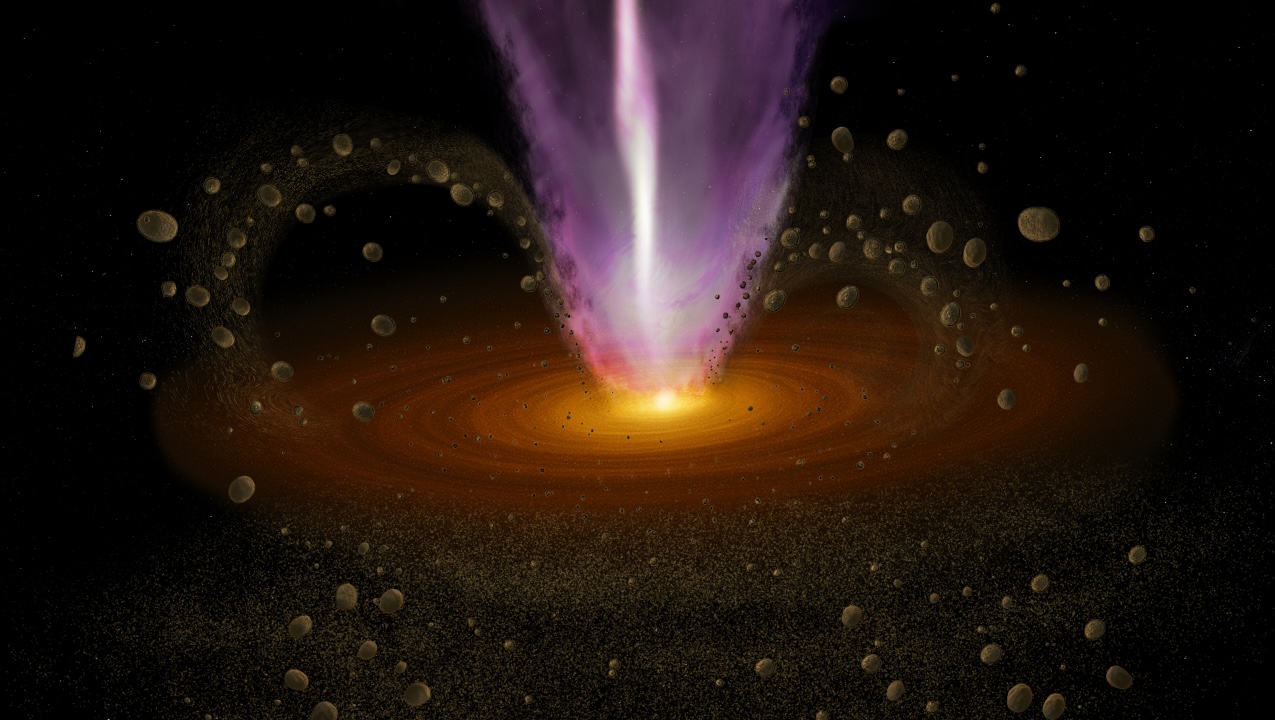
Large dust grains observed surrounding outflows of young protostellar binary system L1551 IRS5. Credit: B. Saxton U.S. National Science Foundation/NSF National Radio Astronomy Observatory The Atacama Large Millimeter/submillimeter Array (ALMA)
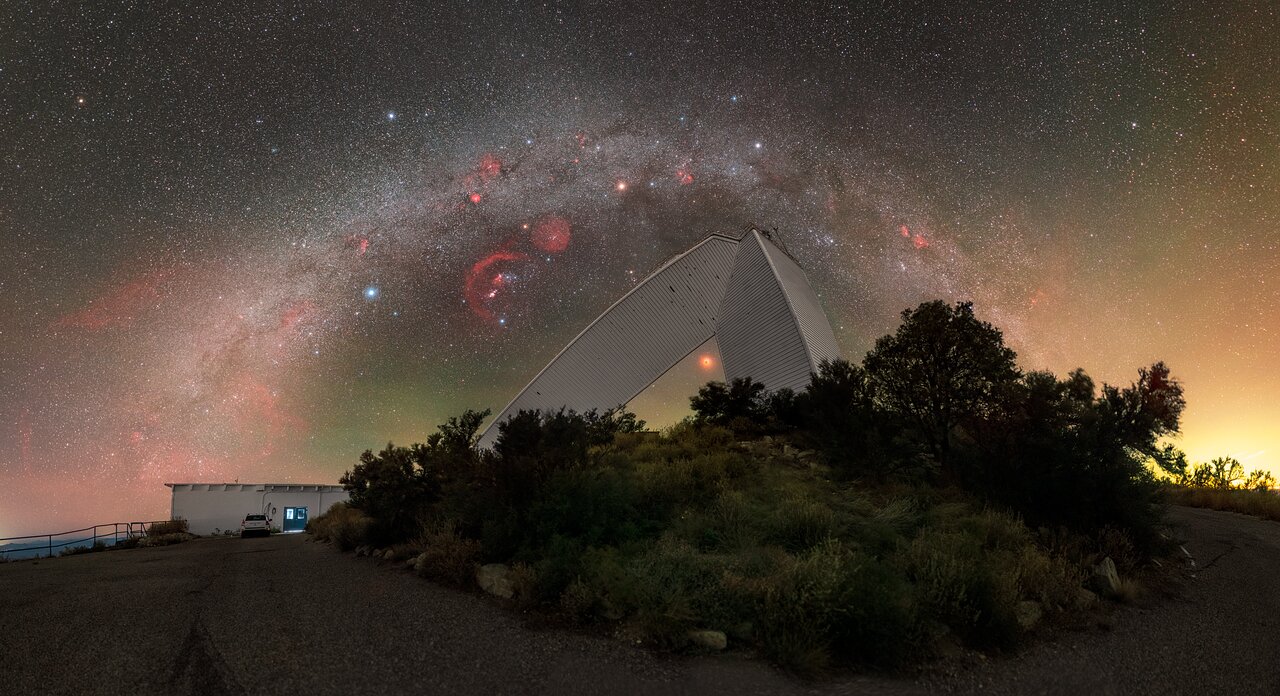
On a warm June evening, viewers in Arizona watched the sky burst with color from the clouds of gas and dust that help create our home galaxy, the Milky Way.

How can heritage in space — the very objects and events that tell the story of humanity becoming a spacefaring civilization, such as Neil Armstrong’s and Buzz Aldrin’s bootprints, India’s
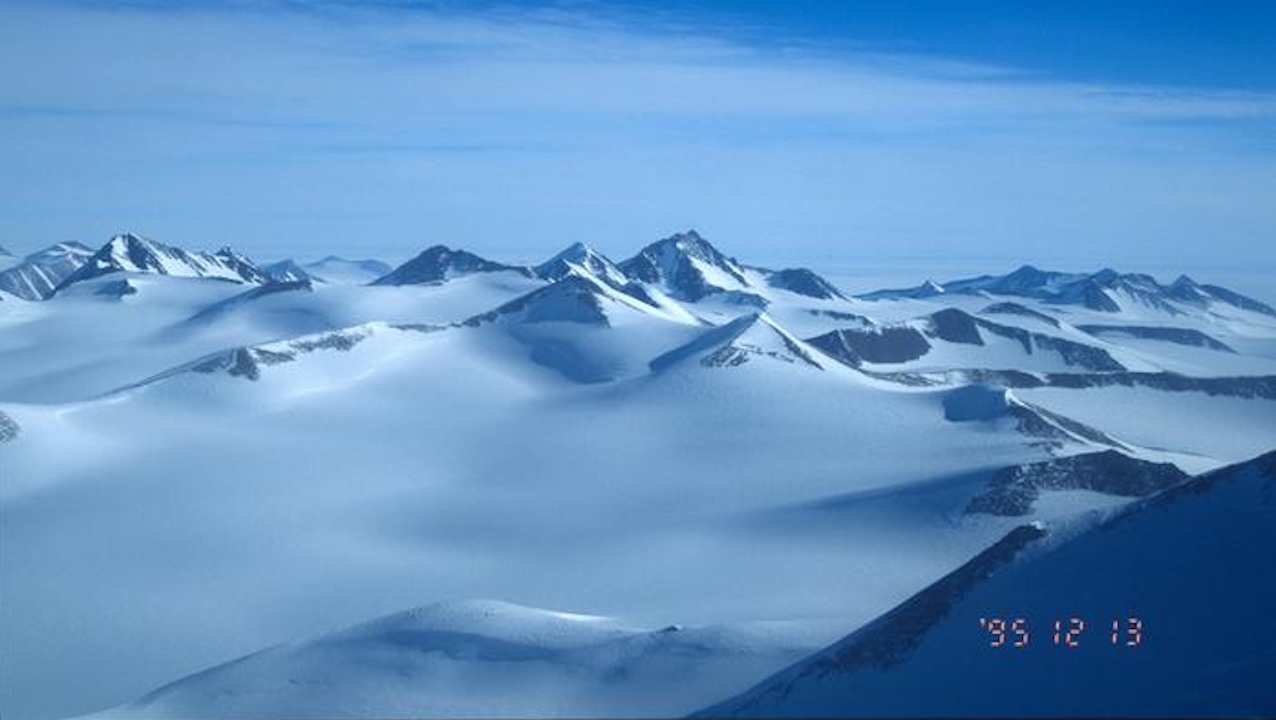
The ice blanketed bedrock of the Transantarctic Mountains. Credit Timothy Paulsen A new study led by University of Wisconsin-Oshkosh geologist Timothy Paulsen and University of Colorado Boulder thermochronologist Jeff Benowitz

WASHINGTON — BlackSky, a provider of satellite imagery and analytics, announced plans to develop a new type of Earth observation satellite designed to capture large areas of the planet. This new
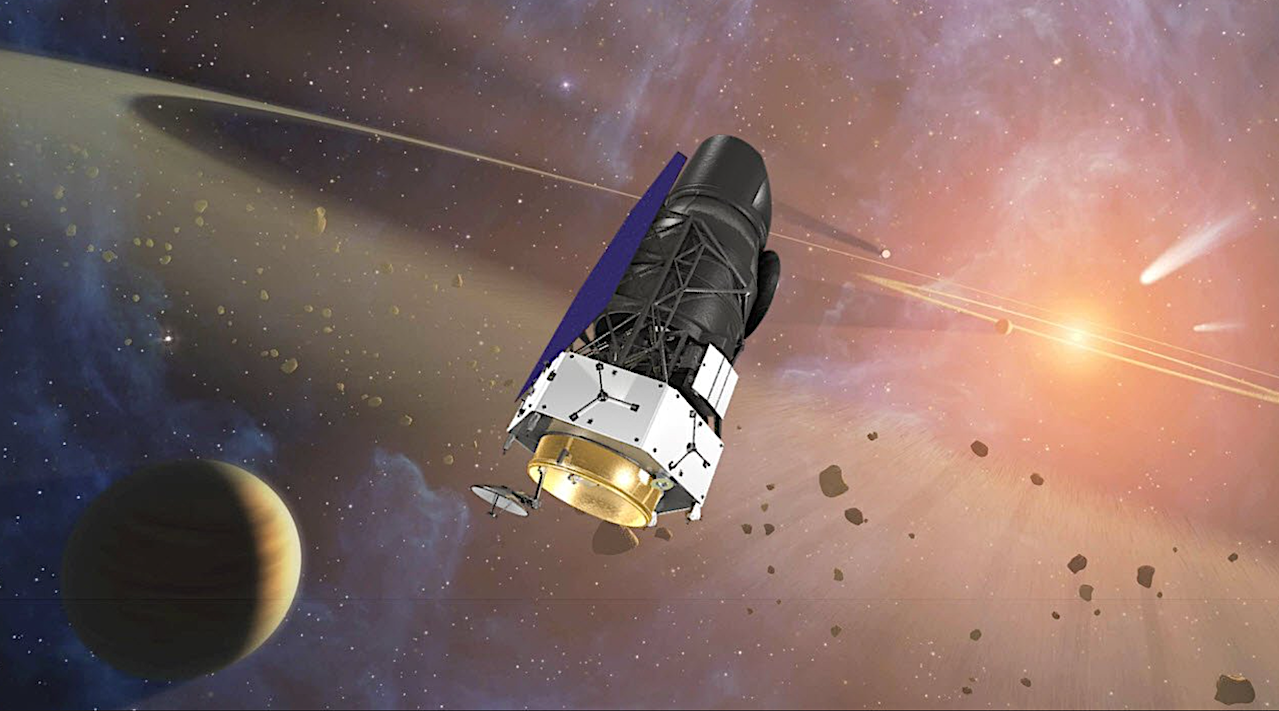
Nancy Grace Roman Space Telescope The Nancy Grace Roman Space Telescope (hereafter, Roman) is NASA’s next astrophysics flagship mission. When fully operational in 2027, Roman will provide the astronomical community
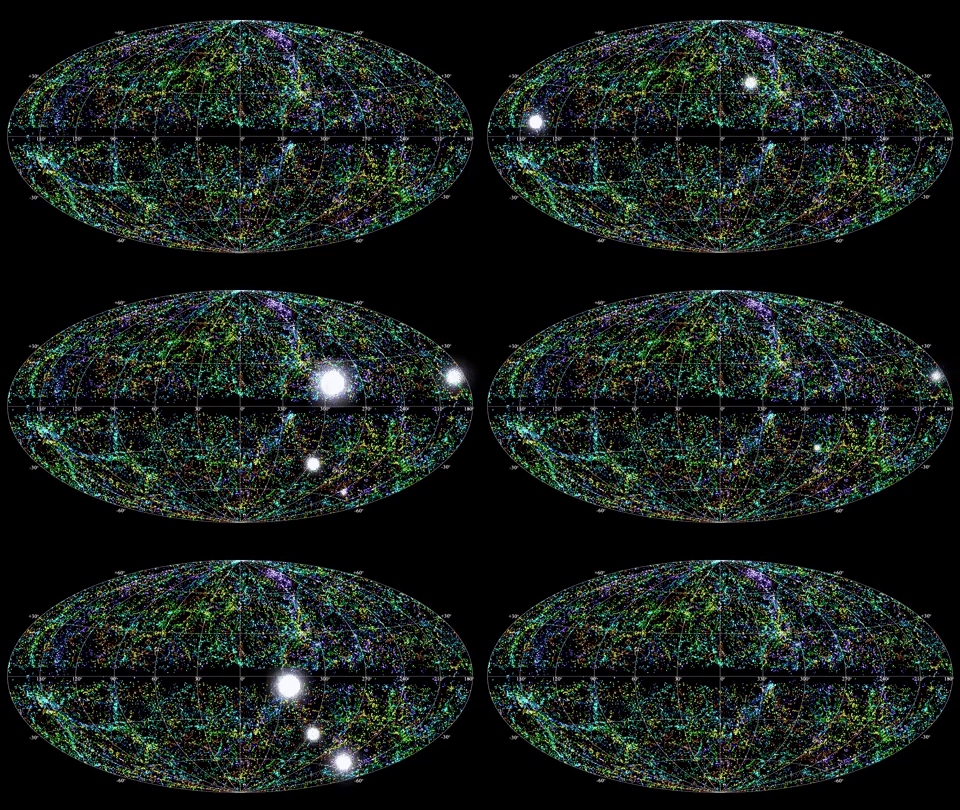
Half of the universe’s ordinary matter was missing — until now. Astronomers have used mysterious but powerful explosions of energy called fast radio bursts (FRBs) to detect the universe’s missing