

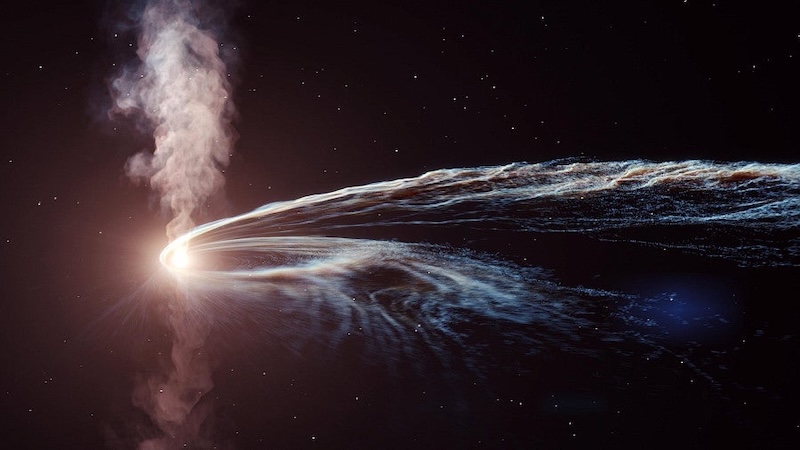
This is an artist’s depiction of what supermassive black hole AT2018hyz might look like. There could be an accretion disk around the black hole with a tail of material flying


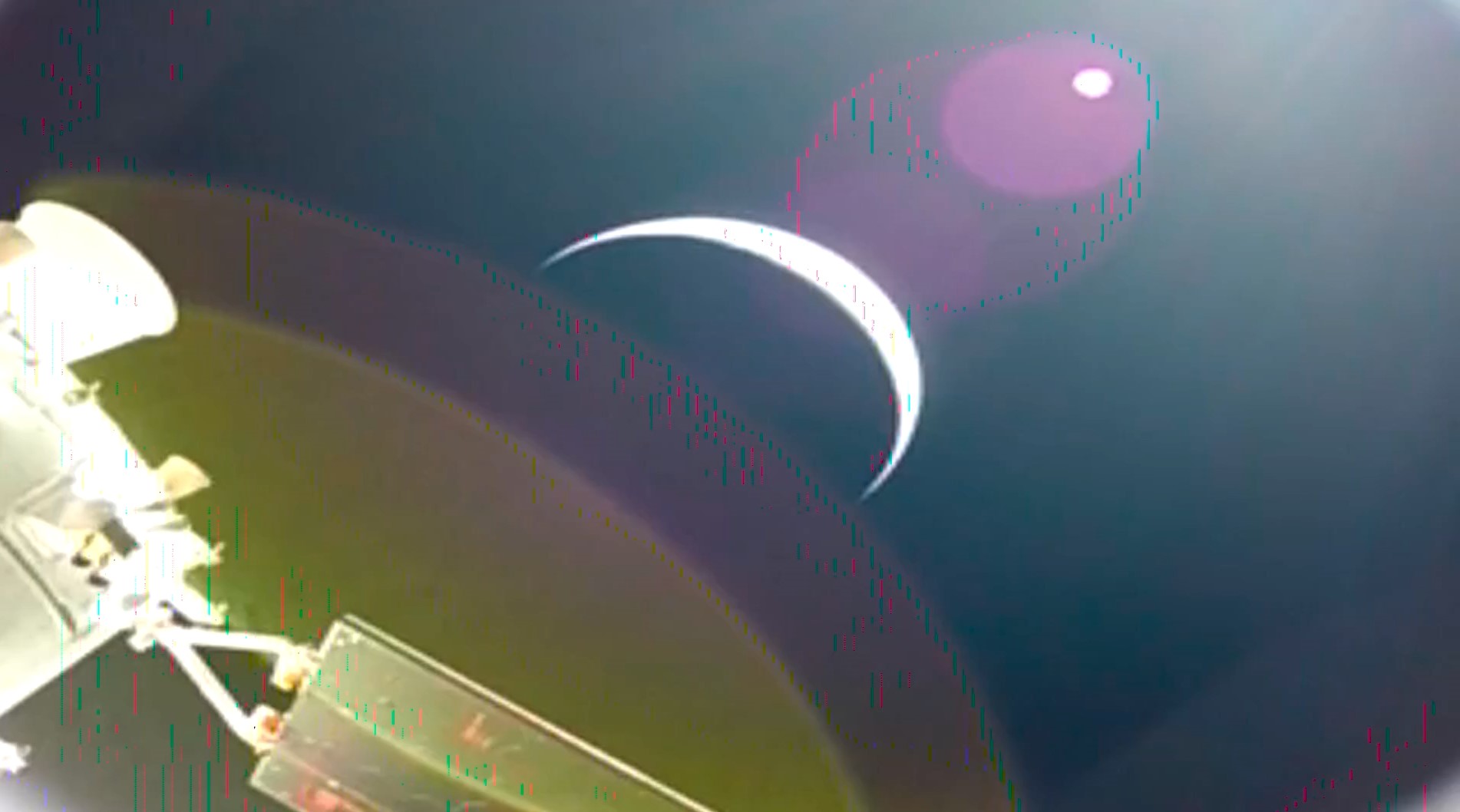
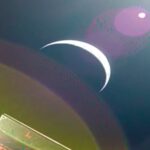
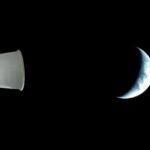
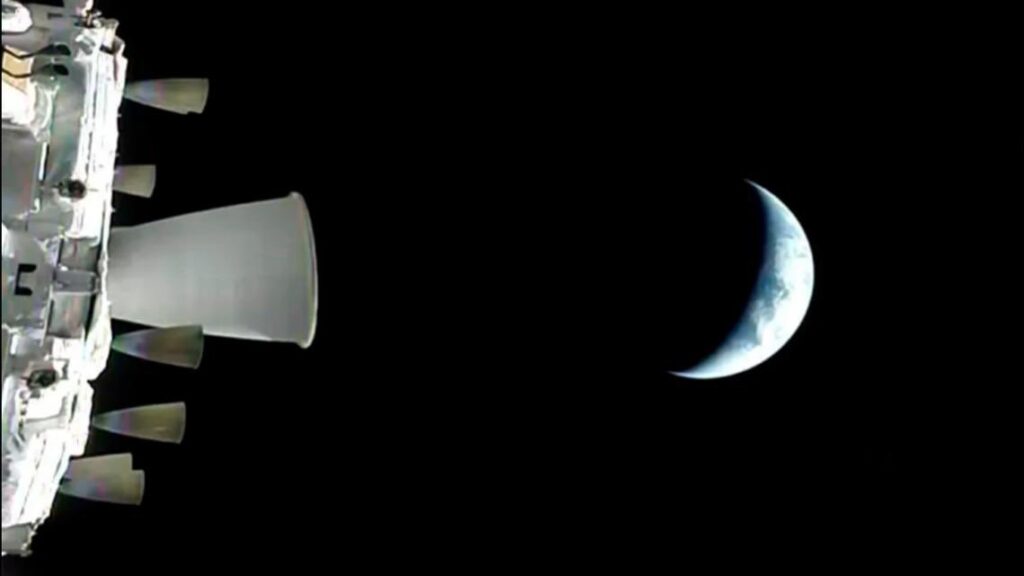
Earth’s crescent is seen from a solar array camera on the Orion spacecraft on the first flight day of the Artemis II mission. Credit: NASA For the first time in
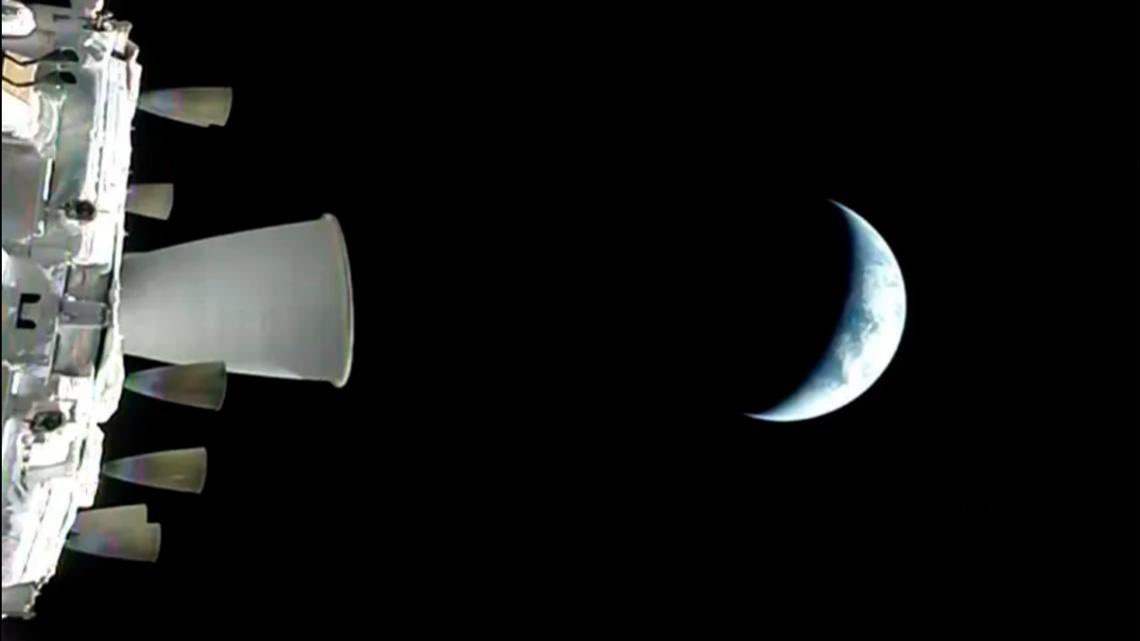
WASHINGTON — NASA’s Artemis 2 mission is on its way to the moon after a successful maneuver April 2. The Orion spacecraft Integrity fired its main engine at 7:49 p.m.
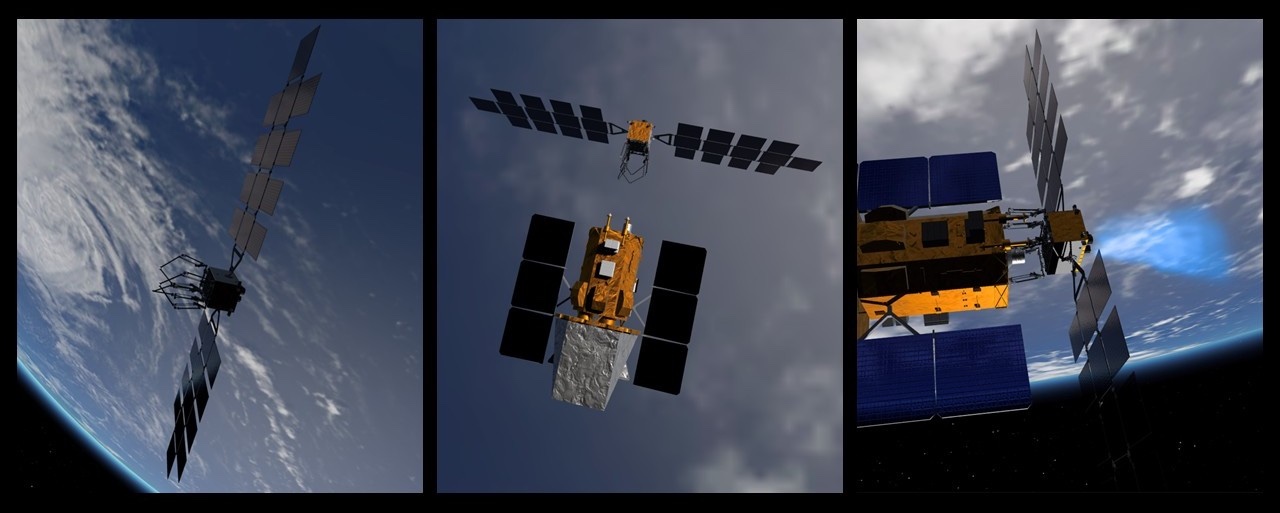
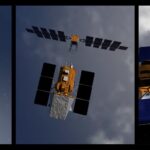
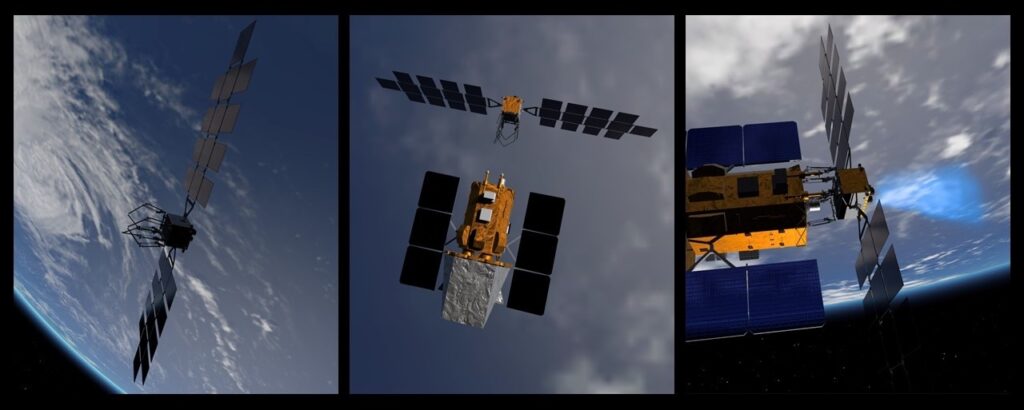
WASHINGTON — NASA modified operations of an astrophysics spacecraft in a decaying orbit to buy more time for a mission later this year that will attempt to raise its orbit.
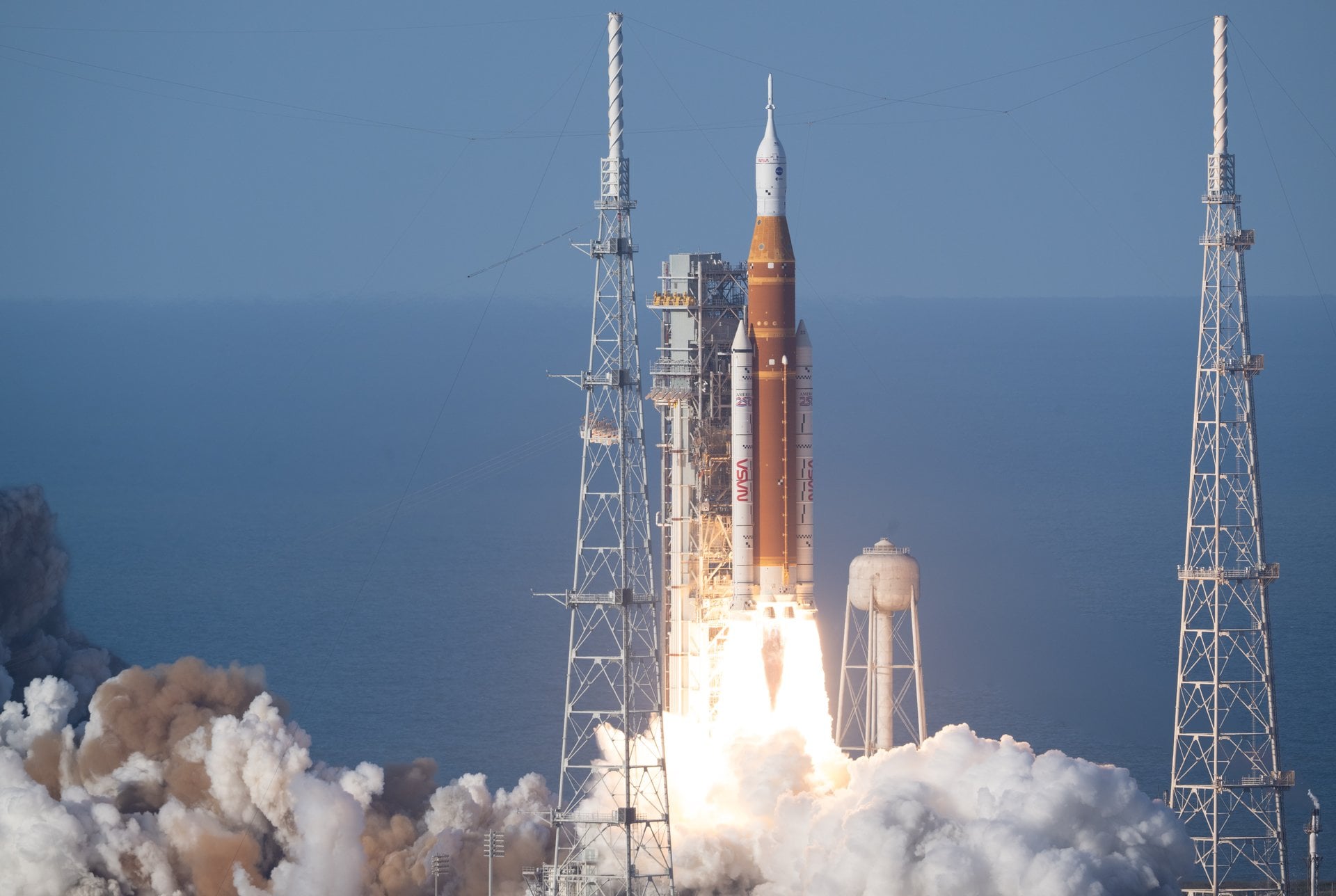
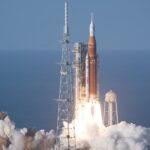
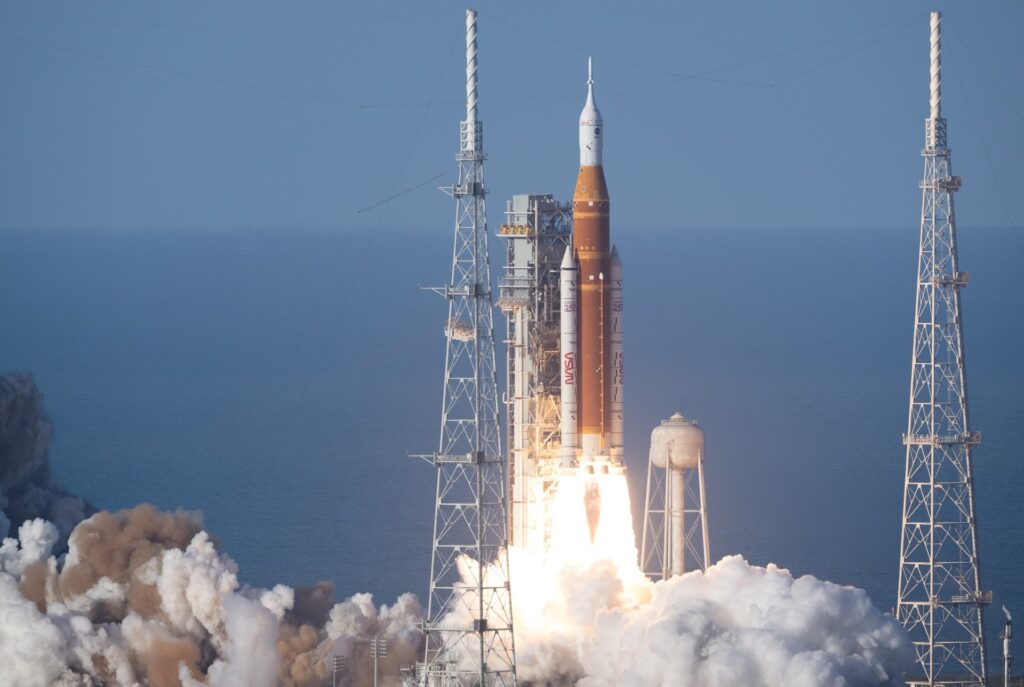
At 06:25 p.m. EDT (03:25 p.m. PDT) on April 1st, the Artemis II mission lifted off from the historic Launch Pad-39B at NASA’s Kennedy Space Center in Florida. This mission
This is an artist’s depiction of what supermassive black hole AT2018hyz might look like. There could be an accretion disk around the black hole with a tail of material flying
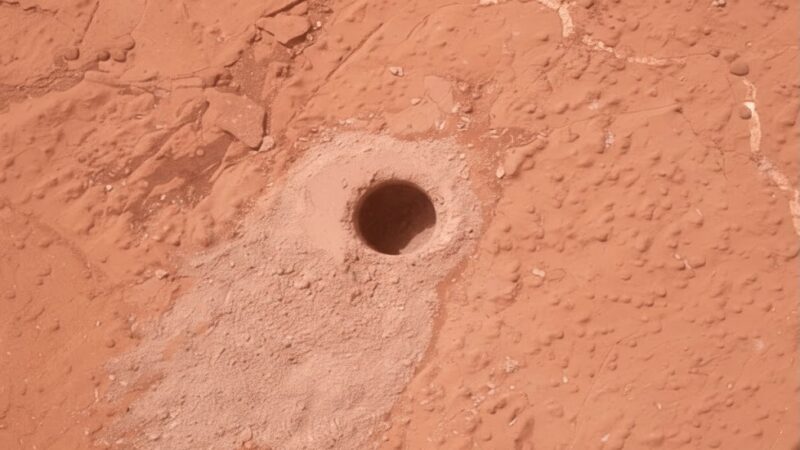
View original. | The Mars Curiosity rover captured this image of the drill hole in the Cumberland mudstone that it first investigated back in 2013. A new study from NASA
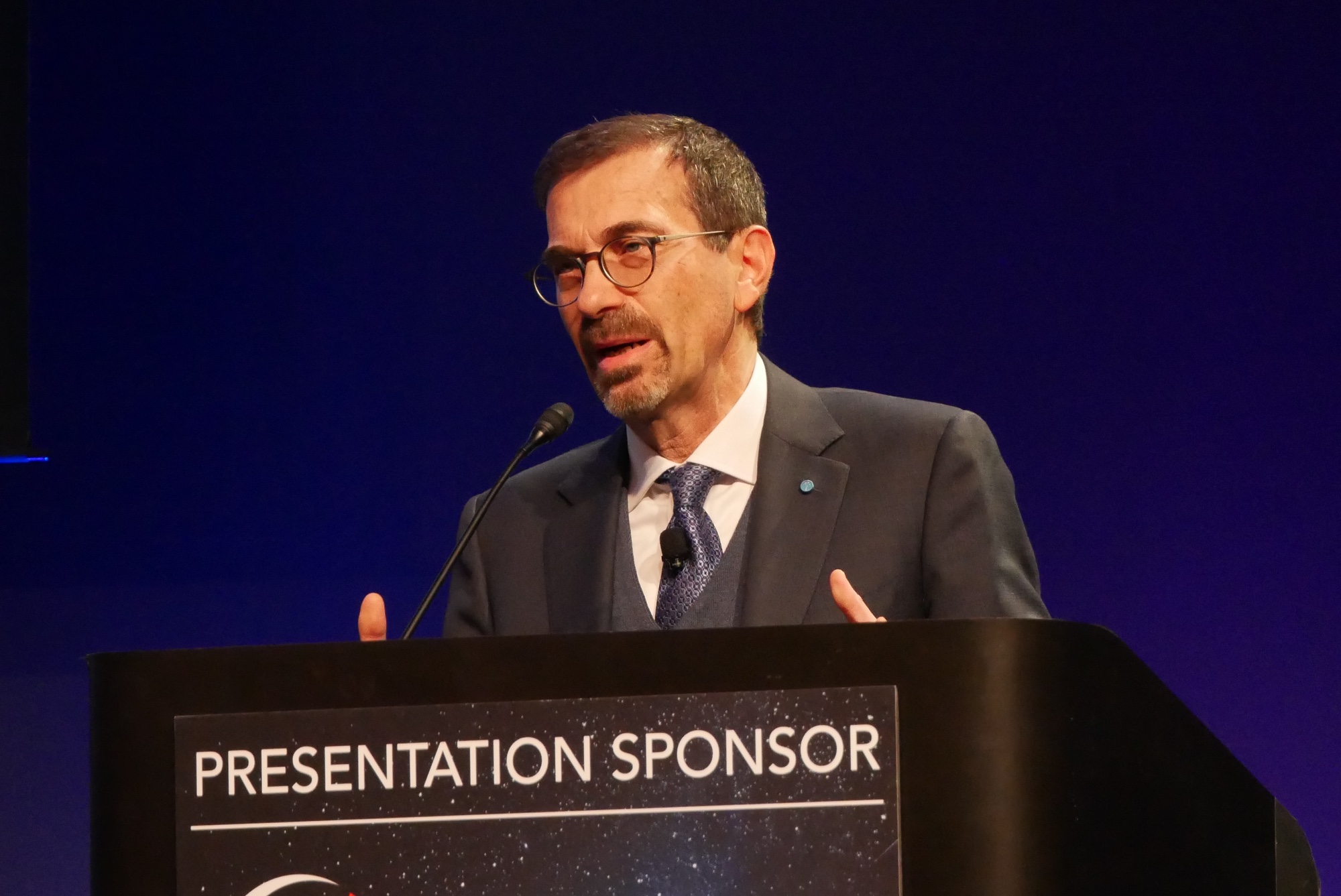
MOUNTAIN VIEW, Calif. — Leonardo is funding development of an Earth observation constellation designed to highlight its capabilities while also being a model for larger European initiatives. Speaking at last
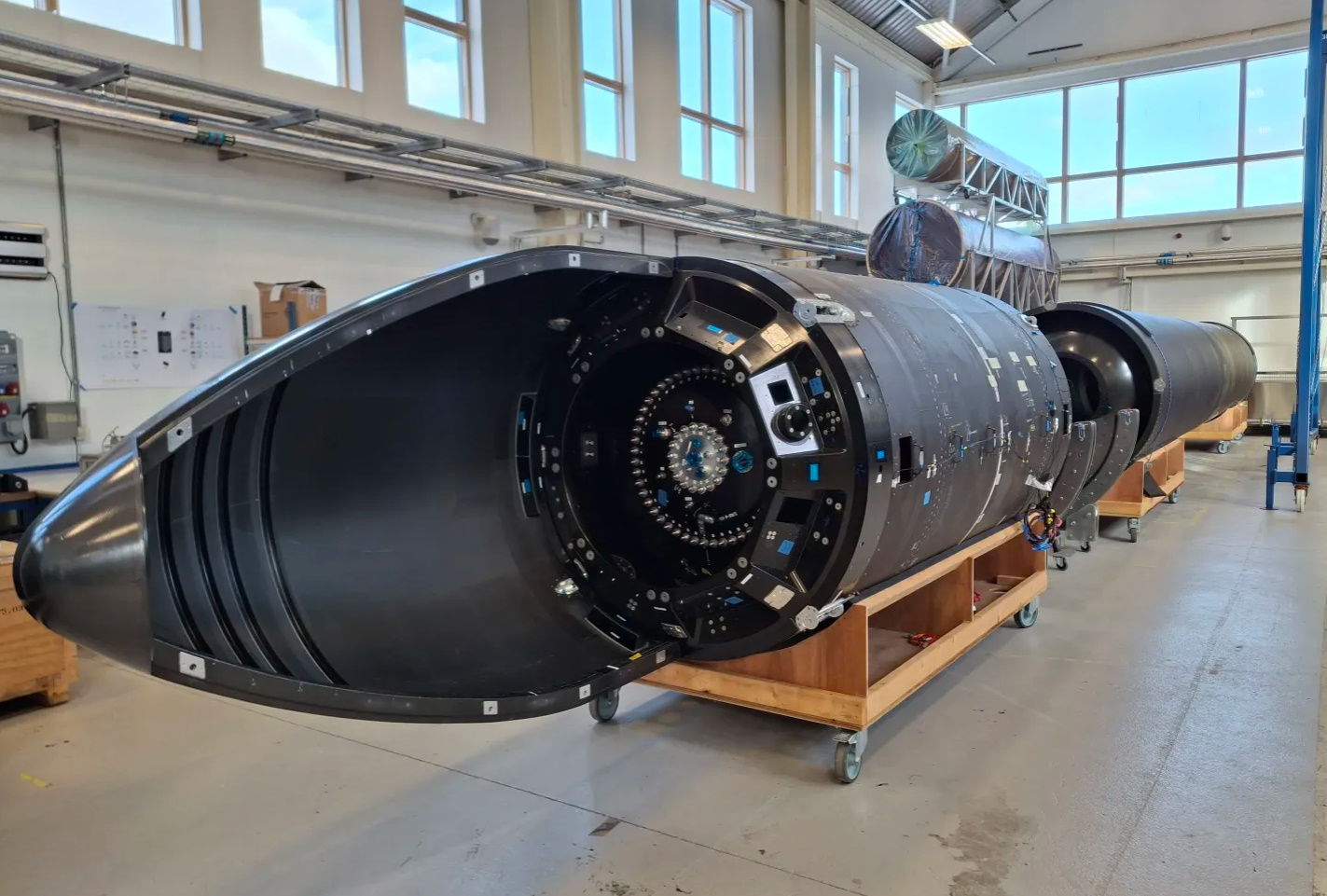
The collapse of UK-based rocket company Orbex has raised concerns over the future of the United Kingdom’s independent space endeavors while highlighting the competitive landscape in the European small satellite
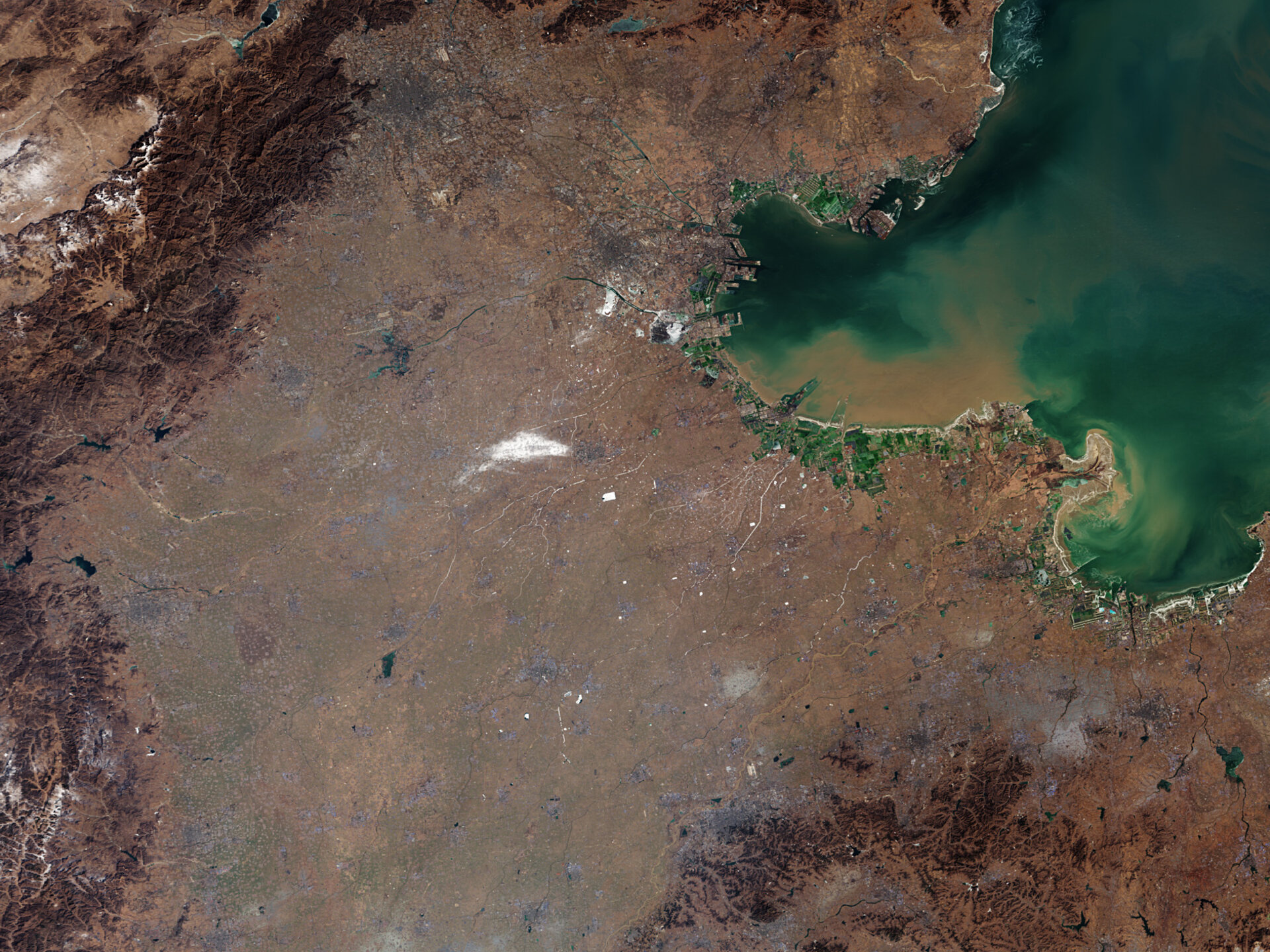
Recent research has revealed that river deltas across the globe are sinking at alarming rates, creating a significant challenge as sea levels rise. These low-lying regions, which host around 5%

NASA’s Space Launch System rocket is seen at Launch Complex 39B in the midst of pre-launch testing for the Artemis 2 mission. Image: Michael Cain/Spaceflight Now NASA will try again

With a growing interest in often overshadowed by chaos and uncertainty, Emily St. John Mandel’s “Station Eleven” emerges as a beacon of resilience and artistry amidst the ruins of civilization.
In the eastern Utah desert, carbon-dioxide-saturated water bubbles, sprays and foams from the ground. These cold-water geysers, sometimes called soda pop geysers, are a new and reliable Earth-based analog for
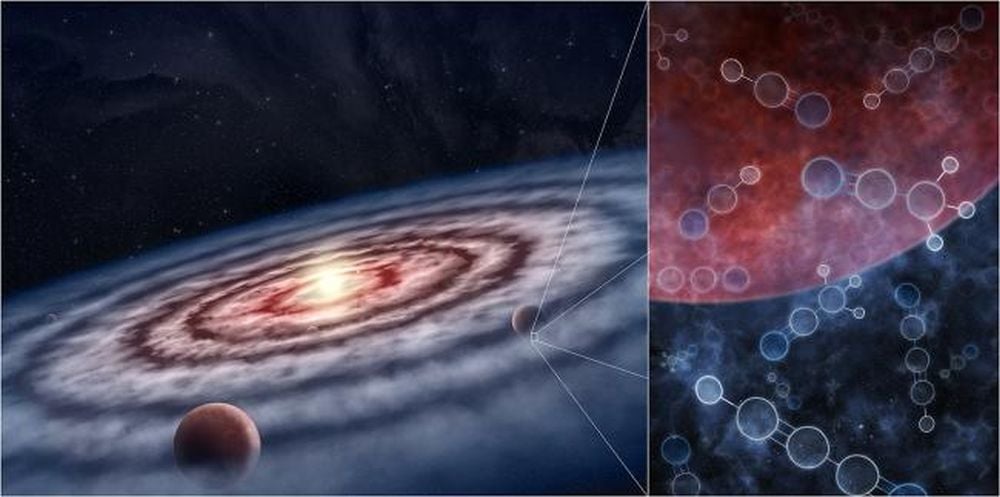
A complex web of interrelated factors make Earth a life-supporting planet, and some of those factors are chemical. New research shows how oxygen abundance regulates the availability of the important
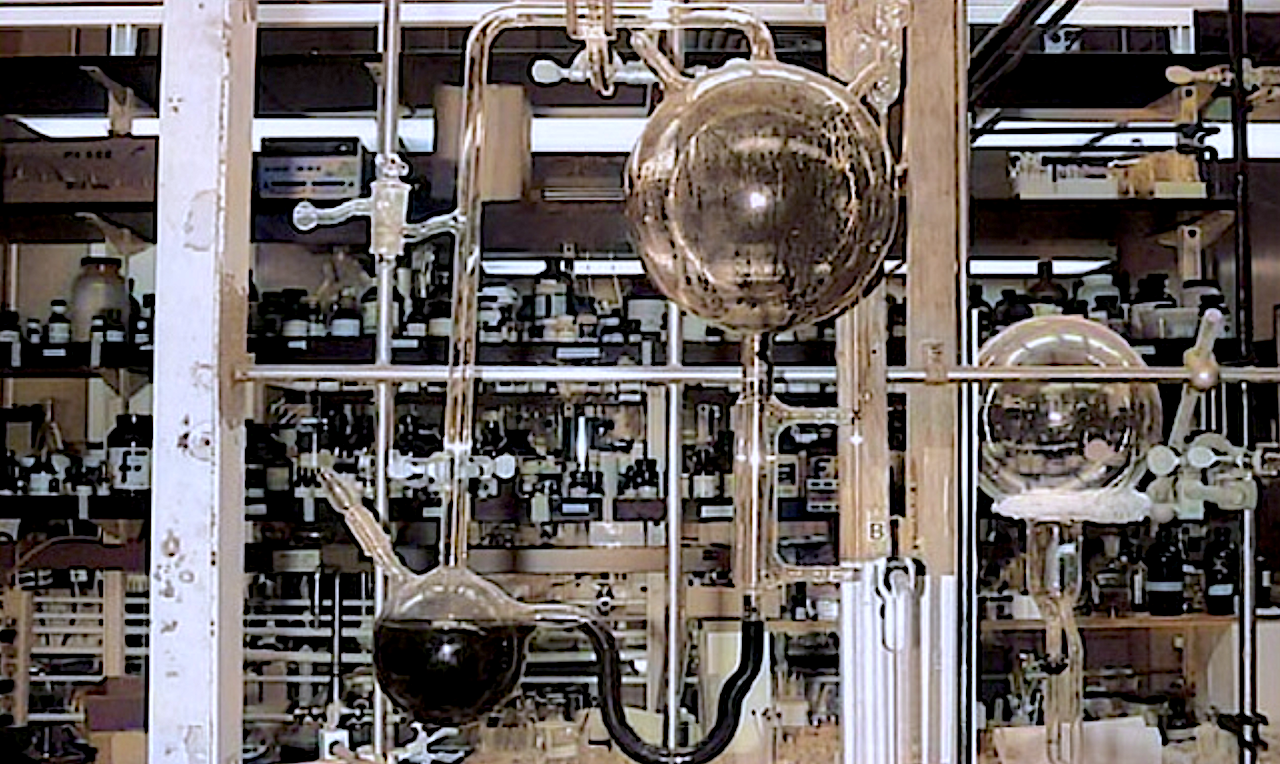
The Miller-Urey experiment that was used to demonstrate the synthesis of biologically relevant molecules in a hypothetical primitive reducing atmosphere. — UCSD (colorized) Creating a man‐made life in the laboratory