






By analyzing the archival data from the Atacama Large Millimeter/submillimeter Array (ALMA), an international team of astronomers has inspected the outflow of a nearby galaxy known as NGC 1266. Results

Advertisement
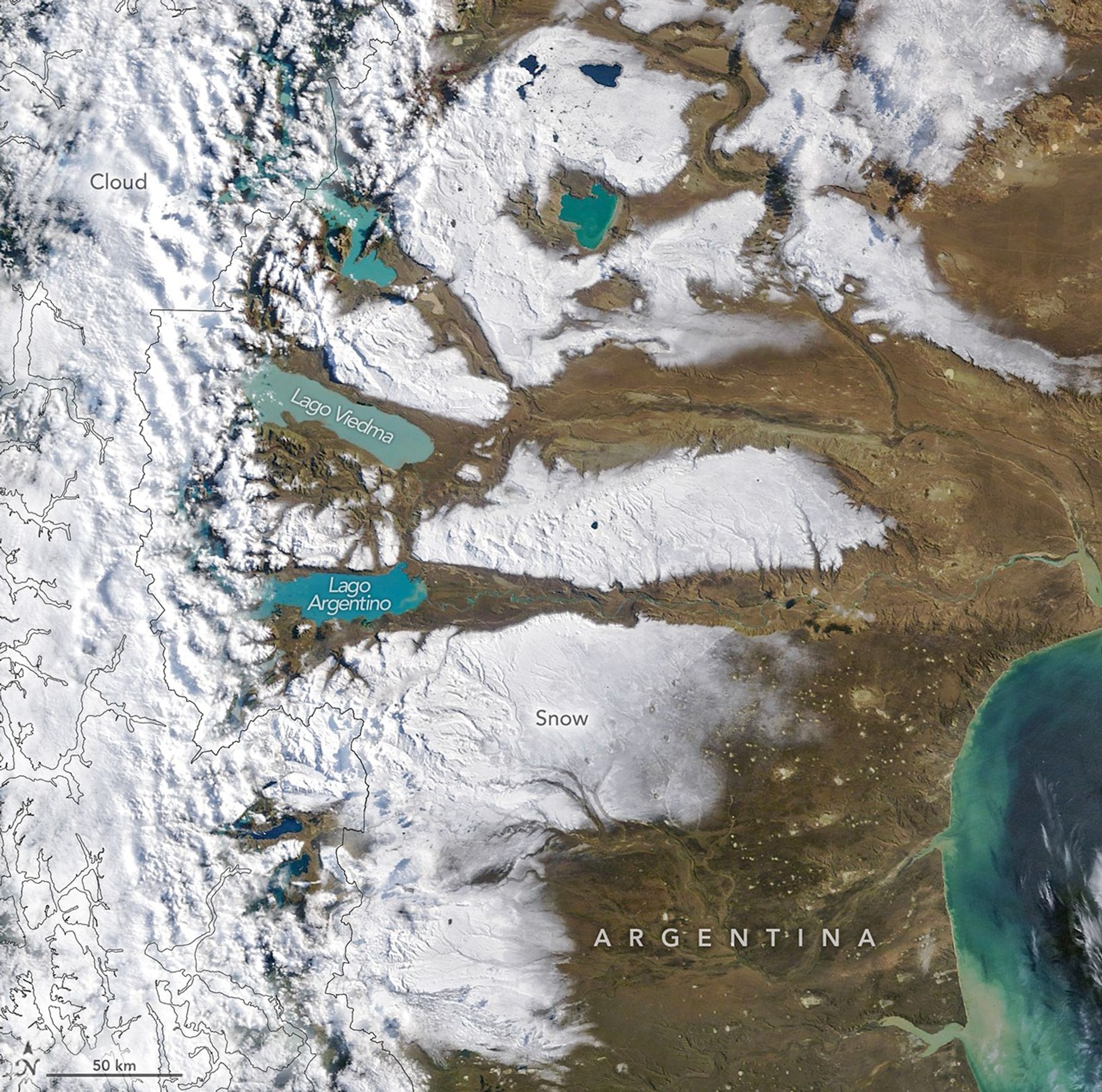
Snow in the Shadow of the Andes
Earth Observatory Science Earth Observatory Snow in the Shadow of the Andes Earth Earth Observatory Image of the Day EO Explorer Topics All Topics Atmosphere Land Heat & Radiation Life
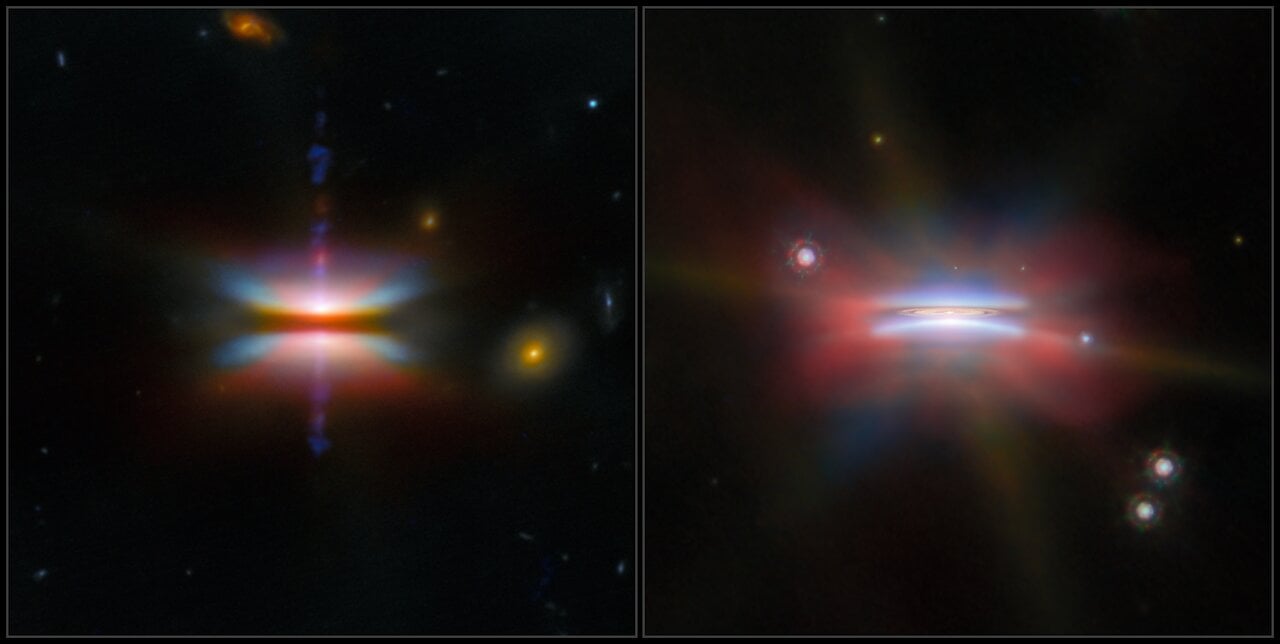
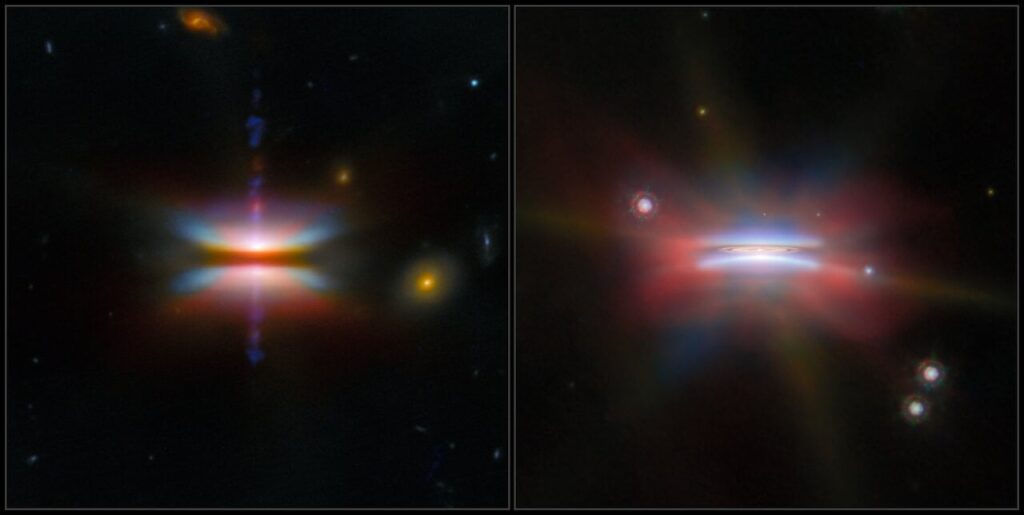
Webb's Picture of the Month Features Two Planet-Forming Disks and a Possible Planet
Two images of protoplanetary disks side-by-side. The left image shows a dark horizontal band covering the star, with broad, colorful, conical outflows above and below it, and a narrow jet
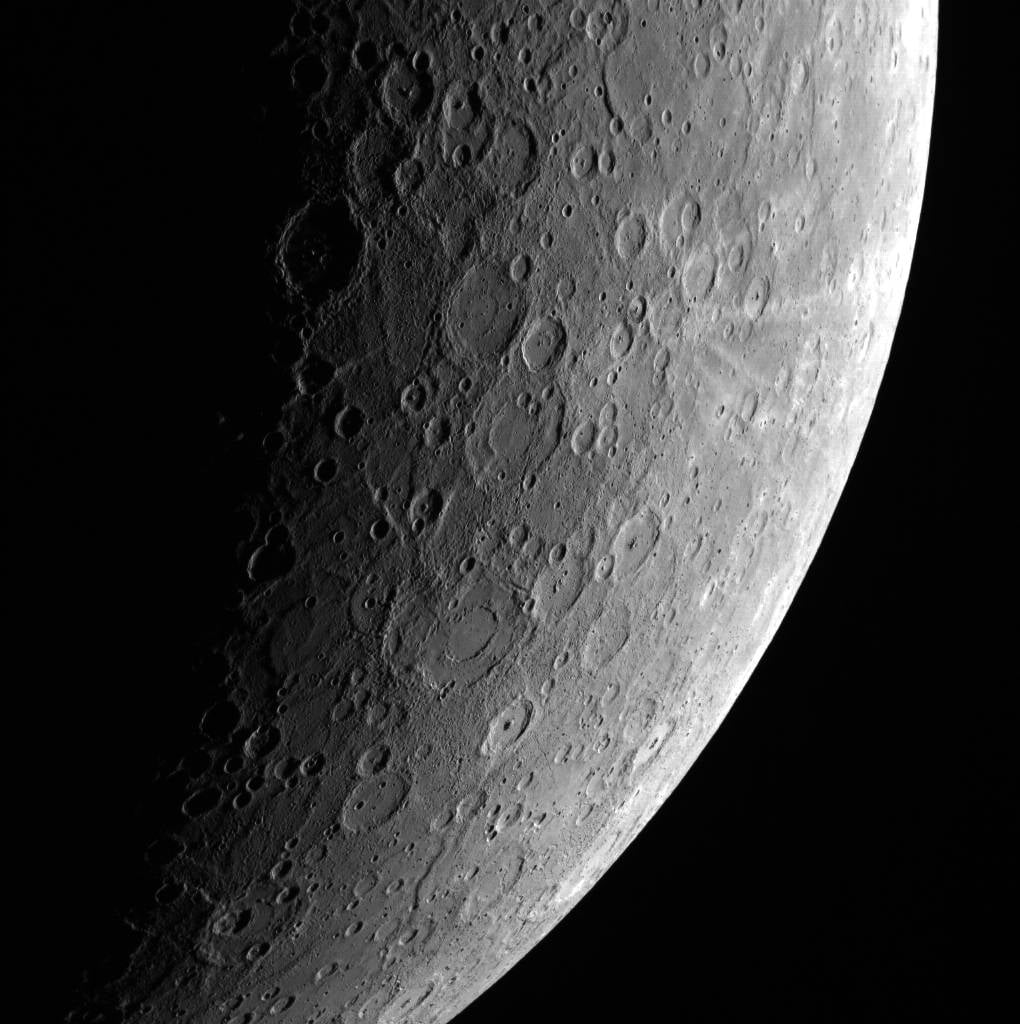
A Mercury Rover Could Explore the Planet by Sticking to the Terminator
A Mercury lander mission would create opportunities to sample unique geological features. However, extreme temperature fluctuations on Mercury’s surface pose challenges for exploration on the planetary surface. In a narrow
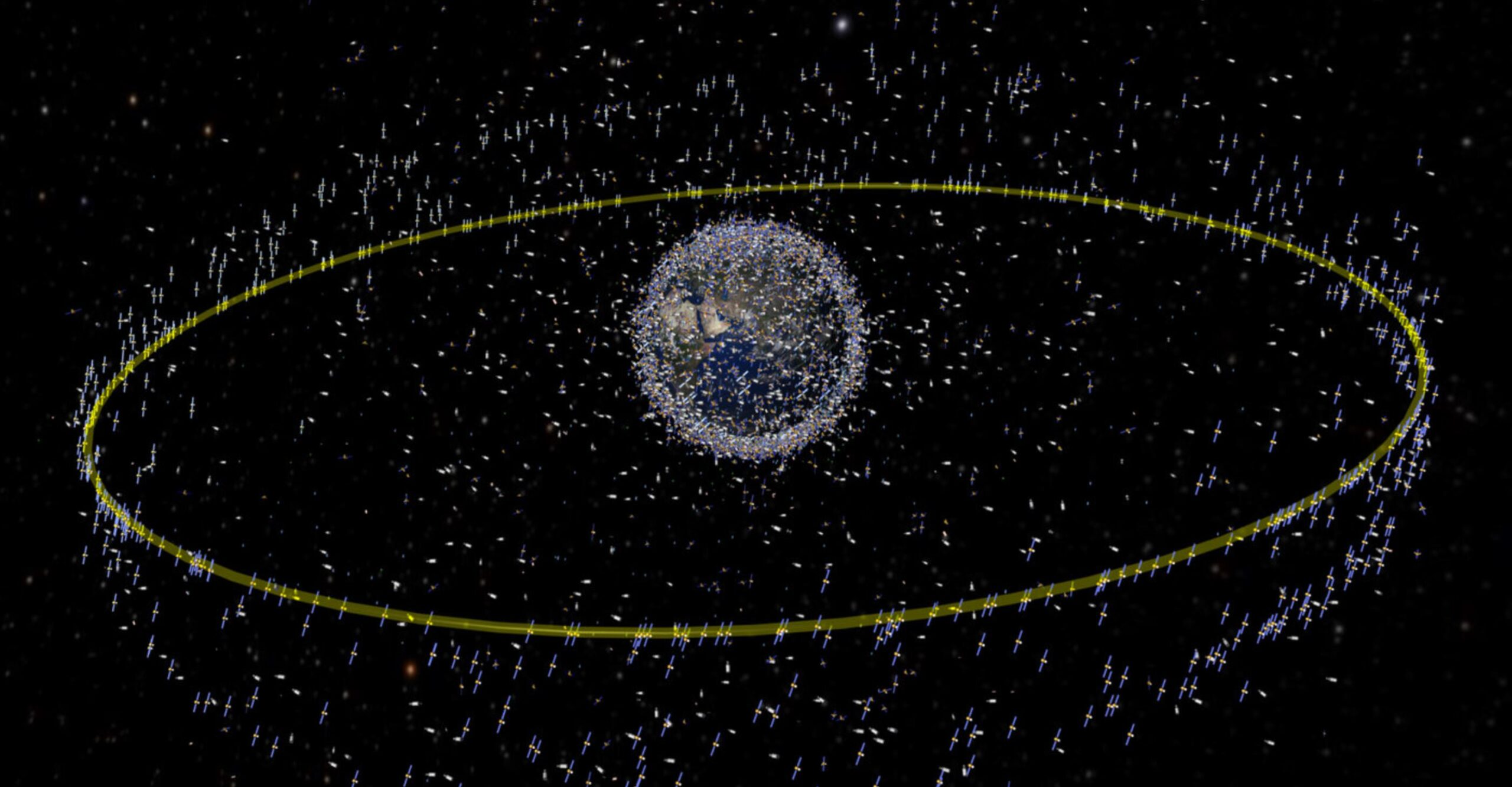
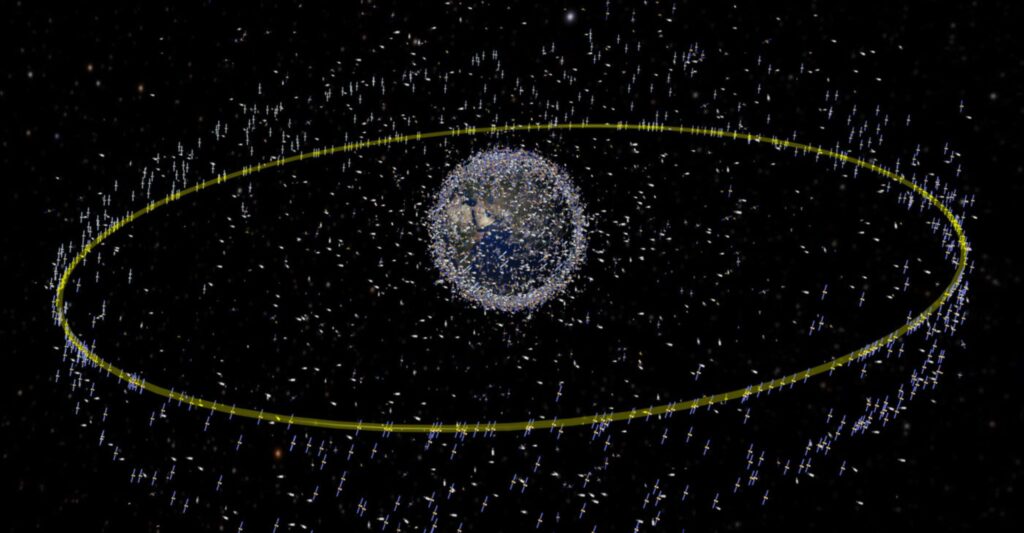
Improved thresholds and SSA accuracy can reduce most satellite collision risk
WASHINGTON — Improving the accuracy of space situational awareness (SSA) data and using tighter thresholds for potential conjunctions can help retire most of the risk of satellite collisions in low
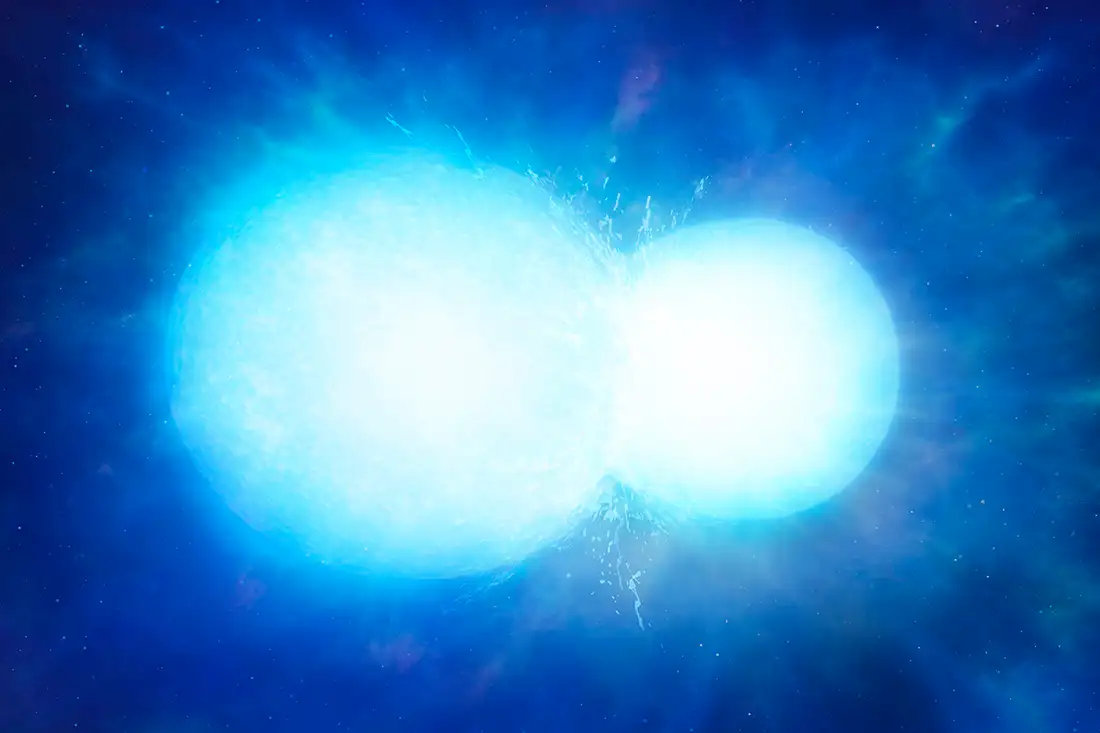
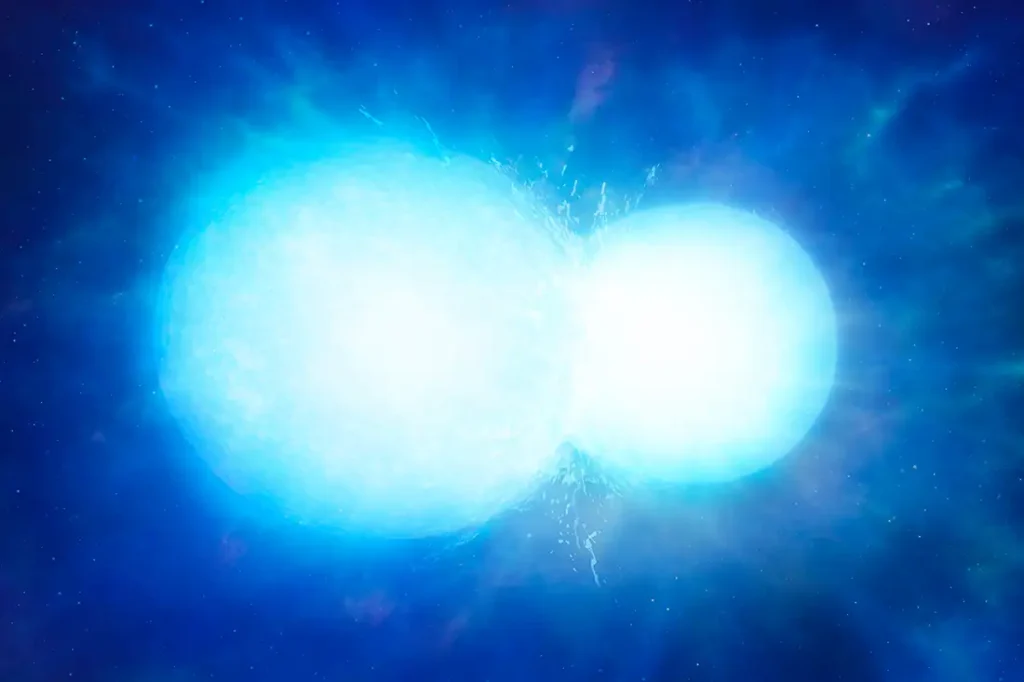
A New Class of Star: Merger Remnant
In the vastness of the Universe, any new object with interesting properties can spur the search for similar objects, potentially establishing a new class of stars. In a paper published
Top Headlines

At the end of their lives, most satellites fall to their death. Many of the smaller ones, including most of those going up as part of the “mega-constellations” currently under

In the vast cosmos of speculative fiction, few trilogies have ignited the imaginations of readers quite like “The Three-Body Problem Trilogy.” This remarkable series, penned by the visionary Liu Cixin,

NASA’s SPHEREx has mapped the entire sky in 102 infrared colors, which are invisible to the human eye but can be used to reveal different features of the cosmos. This

Reach for the Stars with the ALLNTRENDS Men’s NASA Symbol Space Force Graphic Shirt! Embark on a journey through style and comfort with the ALLNTRENDS Men’s T-Shirt featuring the iconic
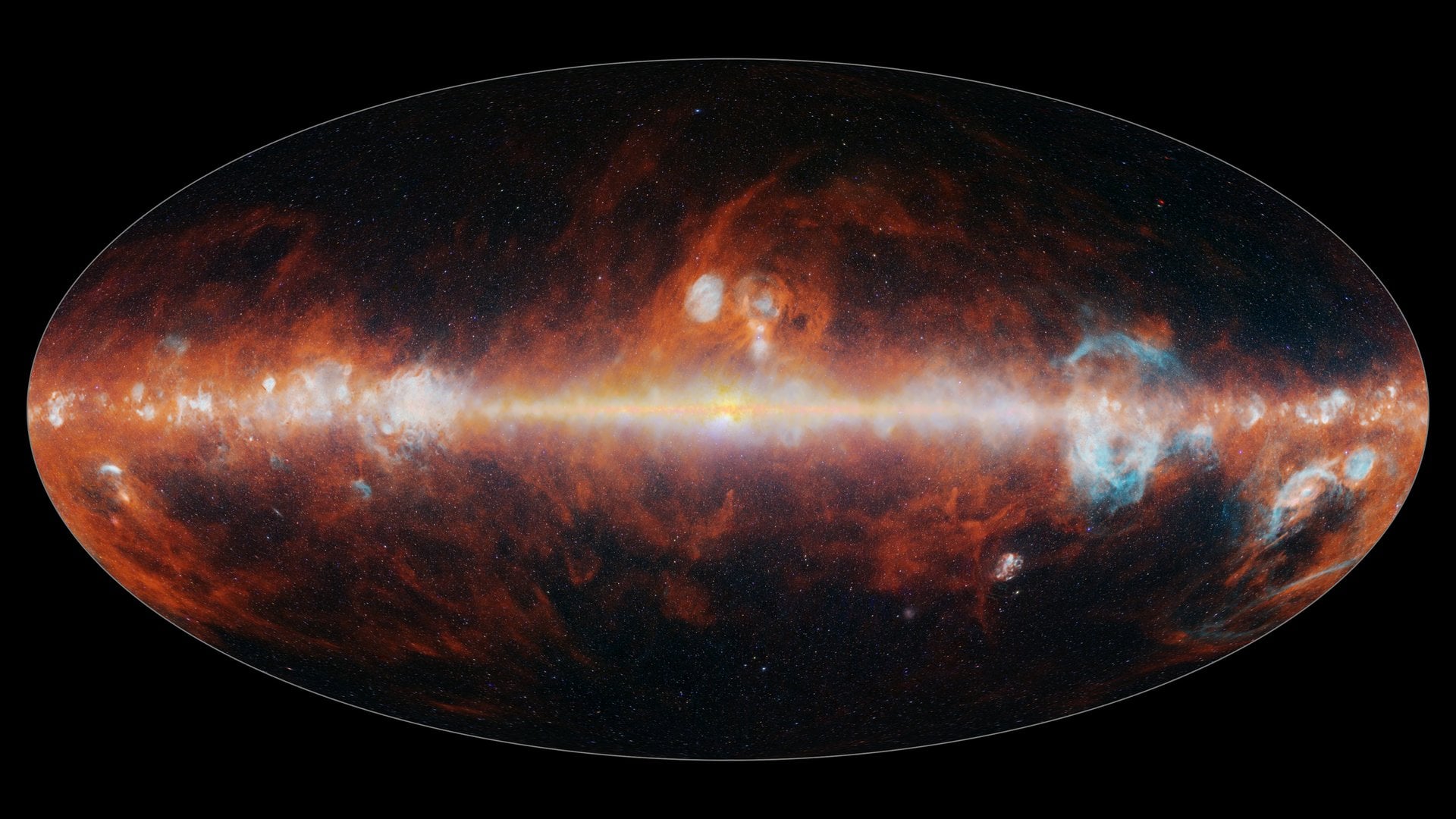
Launched in March, NASA’s SPHEREx space telescope has completed its first infrared map of the entire sky in 102 colors. This map will enable 3D distance measurements to other galaxies
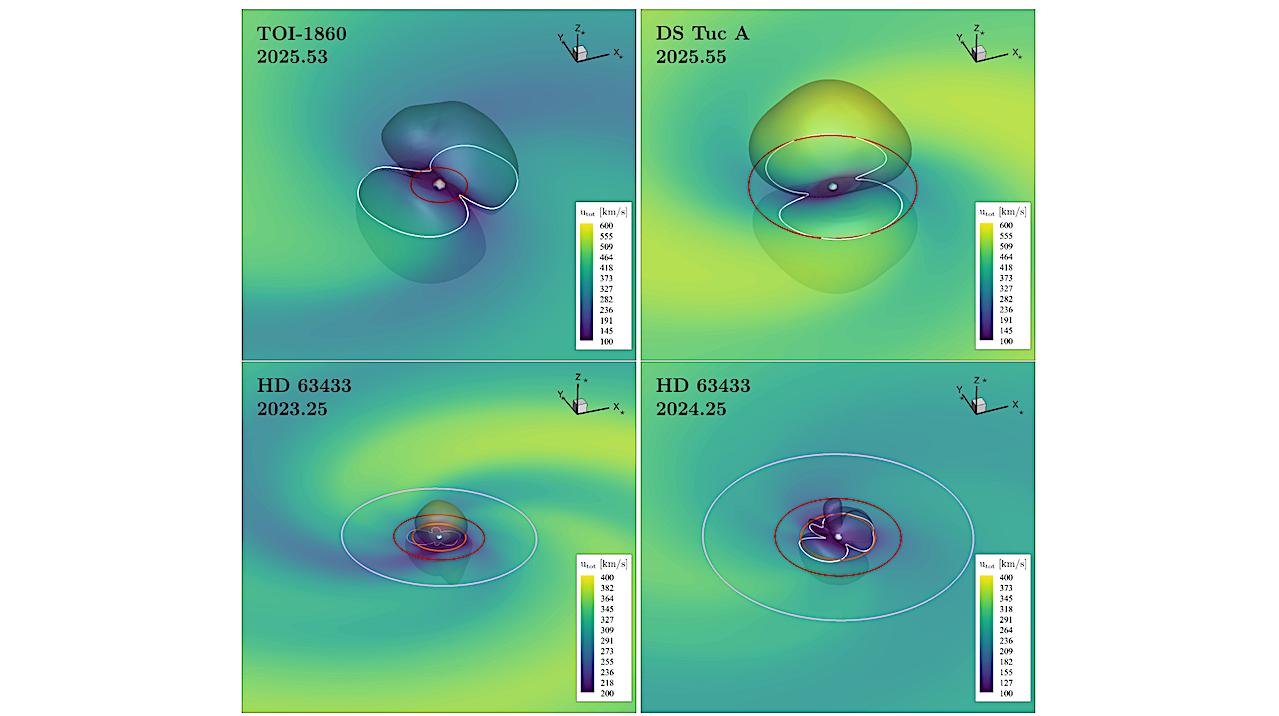
Simulated stellar wind of TOI-1860, DS Tuc A, and HD 63433 in the x⋆ −y⋆ plane. The rotation axis lies along the positive z⋆. The Alfvén surface is shown as
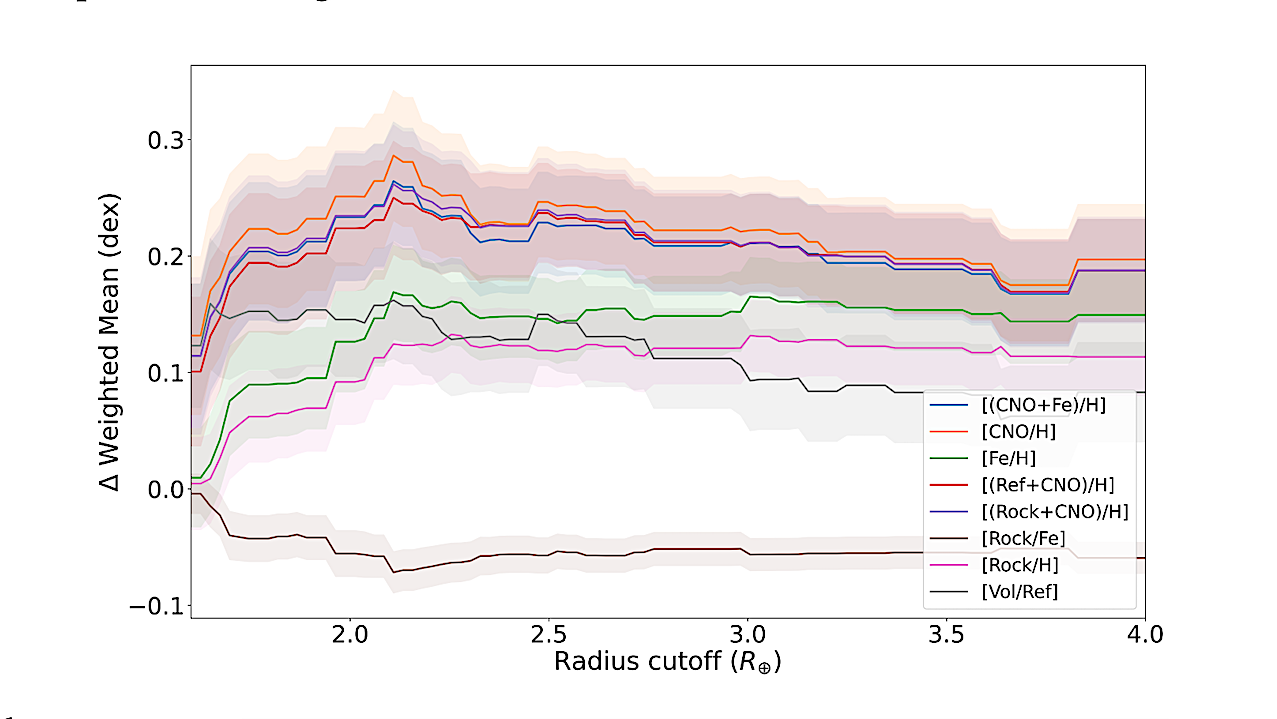
Weighted mean abundance differences (large–small planet hosts) as a function of the chosen radius cutoff. Colored curves trace the various composite indices, with shaded bands showing uncertainties. The apparent volatile
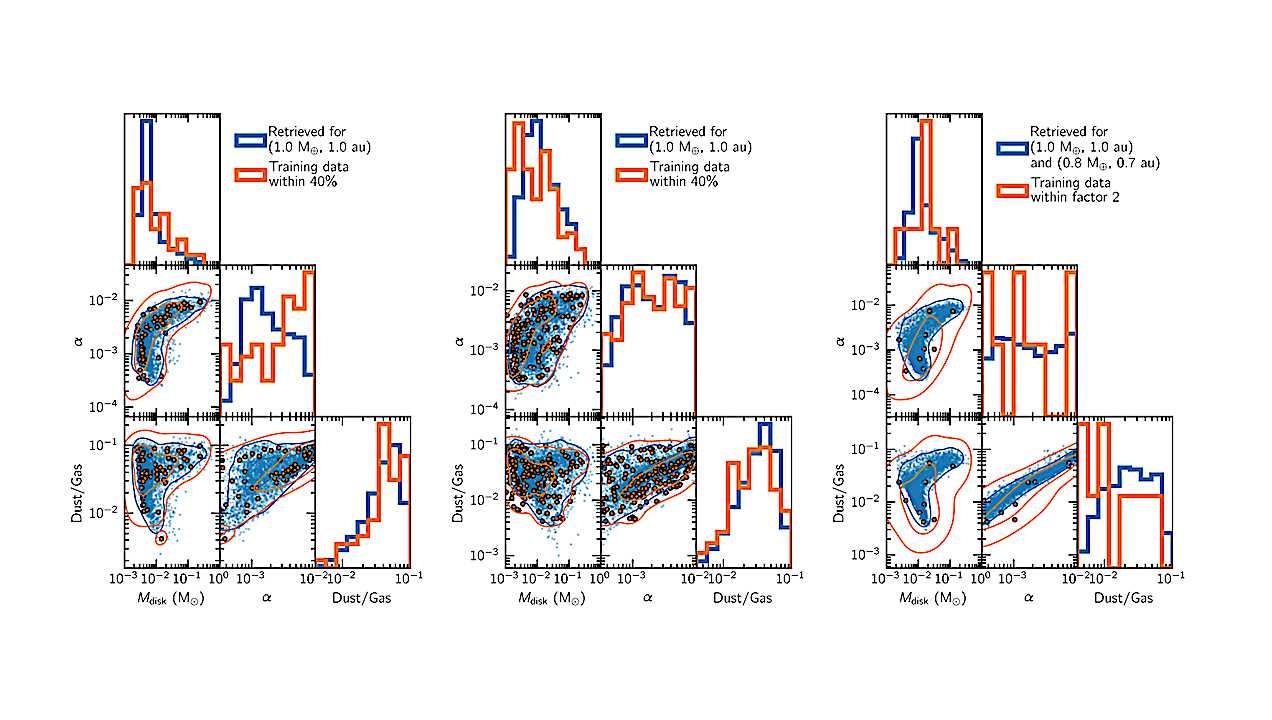
Retrieved and training disk parameters for Earth-analogues. Left: single-planet per disk; Center: nominal, Right: two-planet systems. Training data is shown if both the planet mass and semi-major axis lies within
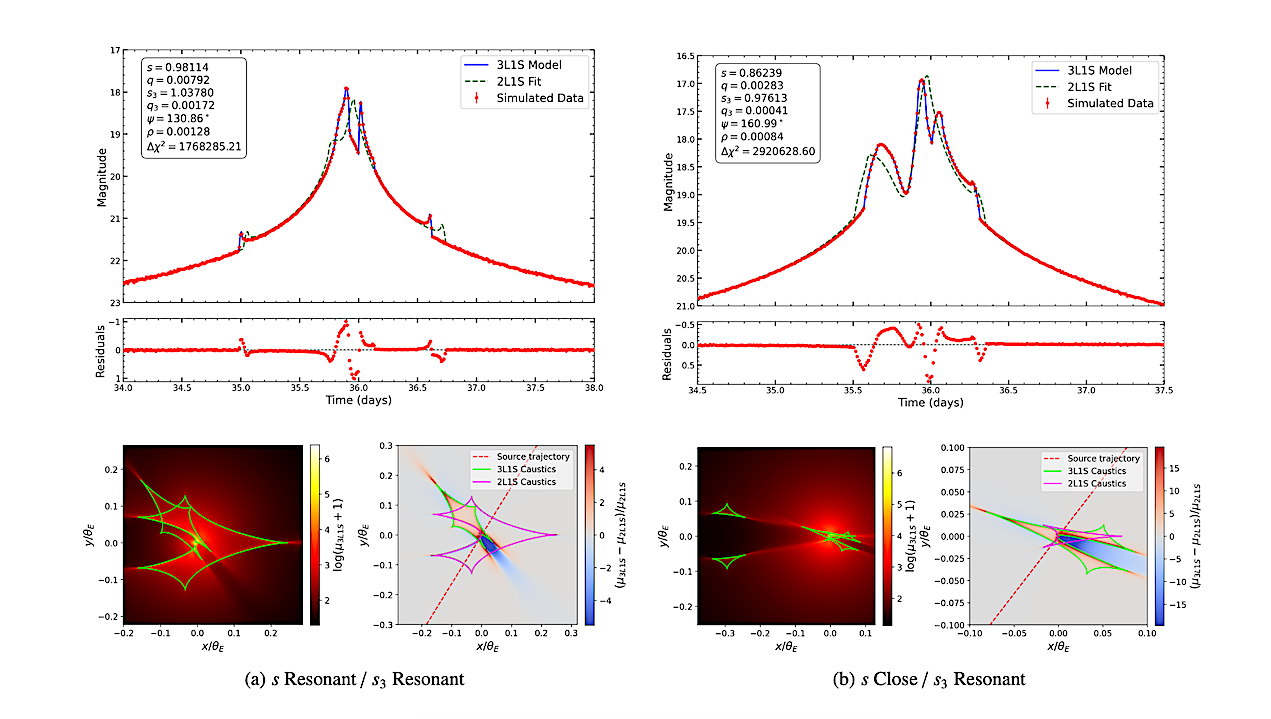
Simulated light curves for triple-lens systems where at least one planet lies in the resonant regime, as defined by the massratio-dependent boundaries (Equations 7) These configurations generally show strong central

Advertisement
Popular Now
-
 01Two Black Holes Observed Circling Each Other for the First Time
 -
 02From Polymerization-Enabled Folding and Assembly to Chemical Evolution: Key Processes for Emergence of Functional Polymers in the Origin of Life
 -
 03Astronomy 101: From the Sun and Moon to Wormholes and Warp Drive, Key Theories, Discoveries, and Facts about the Universe (The Adams 101 Series)
 -
 04True Anomaly hires former York Space executive as chief operating officer
 -
 05Φsat-2 begins science phase for AI Earth images
 -
 06Hurricane forecasters are losing 3 key satellites ahead of peak storm season − a meteorologist explains why it matters
 -
 07Binary star systems are complex astronomical objects − a new AI approach could pin down their properties quickly
Scroll to Top