



Using the James Webb Space Telescope (JWST), an international team of astronomers has observed a nearby spiral galaxy known as NGC 628. Results of the observational campaign, published March 10

Advertisement

Advertisement
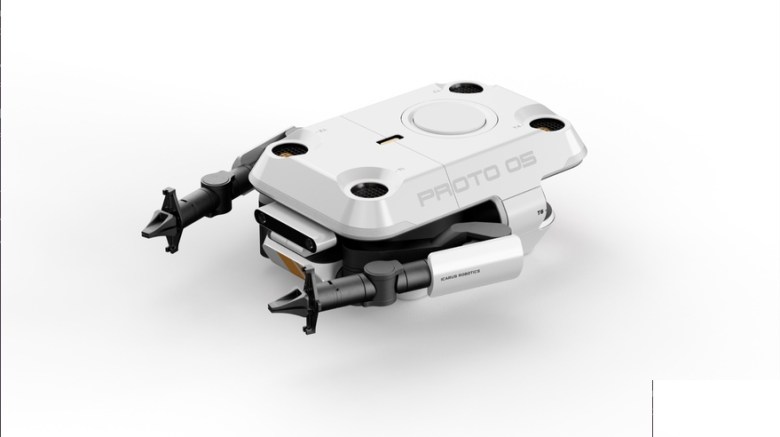
With Voyager’s help, Icarus Robotics to test free-flyer on ISS
SAN FRANCISCO – Voyager Technologies announced plans March 30 to help Icarus Robotics test a free-flying platform, called Joyride, on the International Space Station. Under the agreement, Voyager will handle
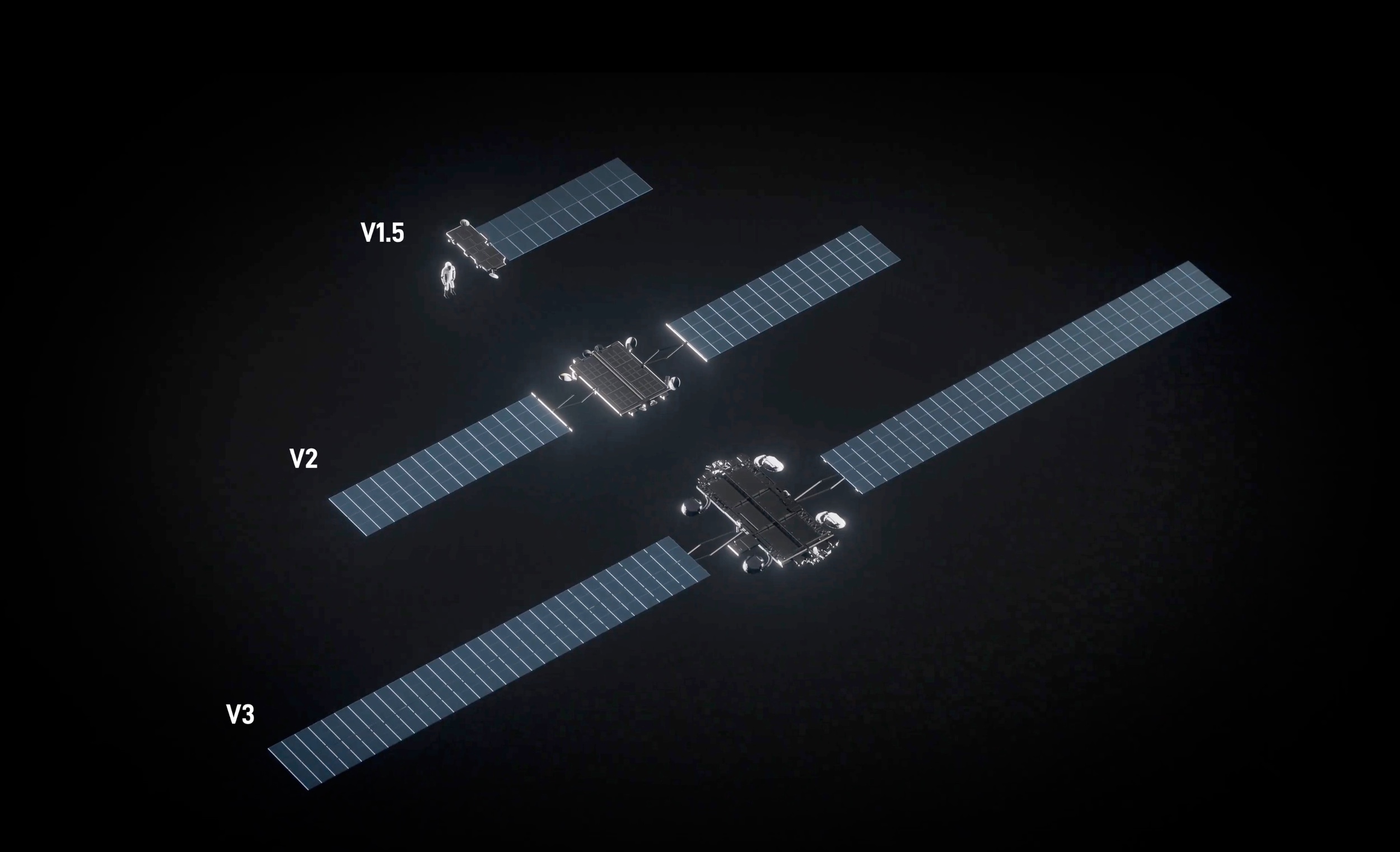
The race to build orbital data centers is missing its biggest variable: power
Here’s the version of the orbital data center story you keep reading: Elon Musk says space will be the cheapest place to run AI within 36 months. LoneStar announces plans for a lunar data center.
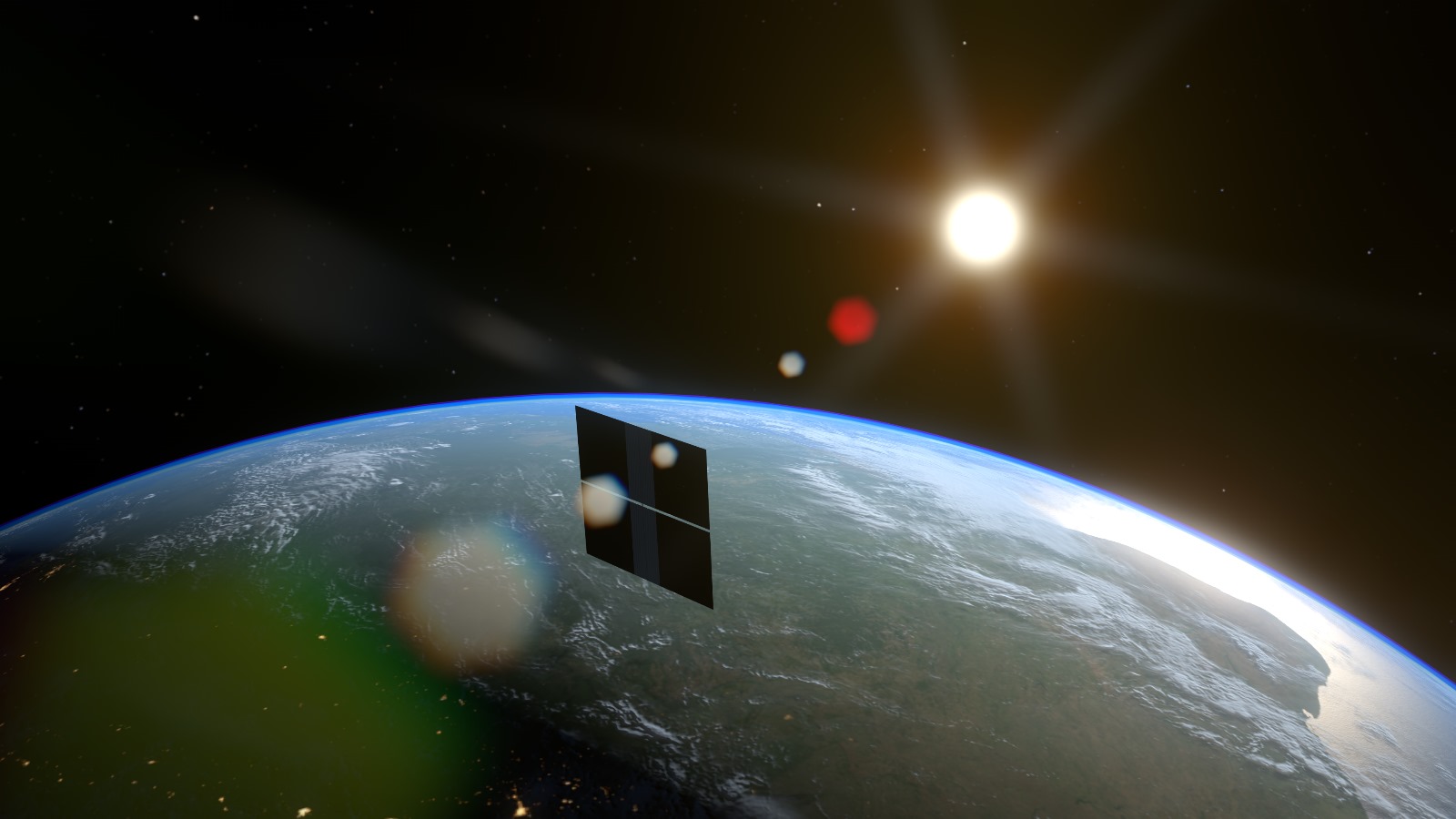
Starcloud achieves unicorn status with $170 million raise for orbital data centers
TAMPA, Fla. — Starcloud has raised $170 million to accelerate development of its next-generation spacecraft, reaching a $1.1 billion valuation as it awaits permission to deploy an 88,000-strong orbital data
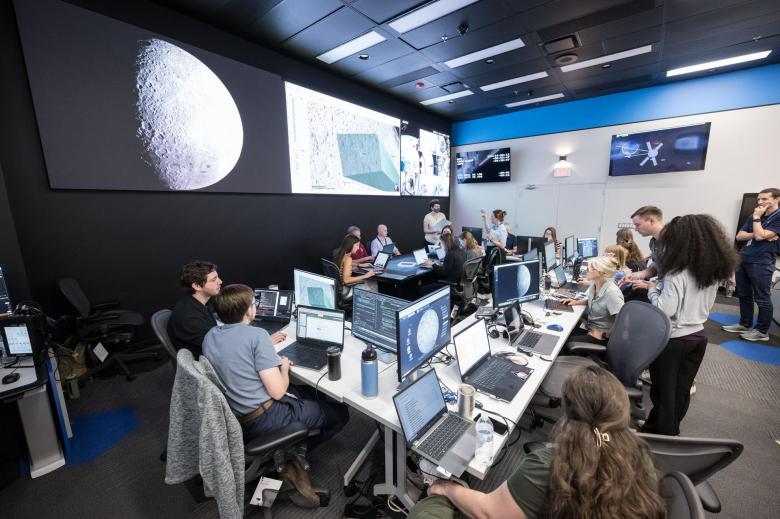
Science finds a place on Artemis 2
KENNEDY SPACE CENTER, Fla. — While the Artemis 2 mission is primarily a test flight, the four astronauts on board will conduct some science during the nearly 10-day mission. At

Finished Starfleet Academy? Explore the animated antics of Star Trek: Lower Decks for just $2.99 a month
Where do you go after Star Trek: Starfleet Academy? Season 2, the show’s final season, likely won’t arrive till 2027, which may leave you craving your next Trek fix. However,
Top Headlines

ID: ESP_054090_1985 date: 9 February 2018 altitude: 280 km larger image One of the final three candidate landing sites for the Mars 2020 mission was northeast Syrtis, along with Gusev
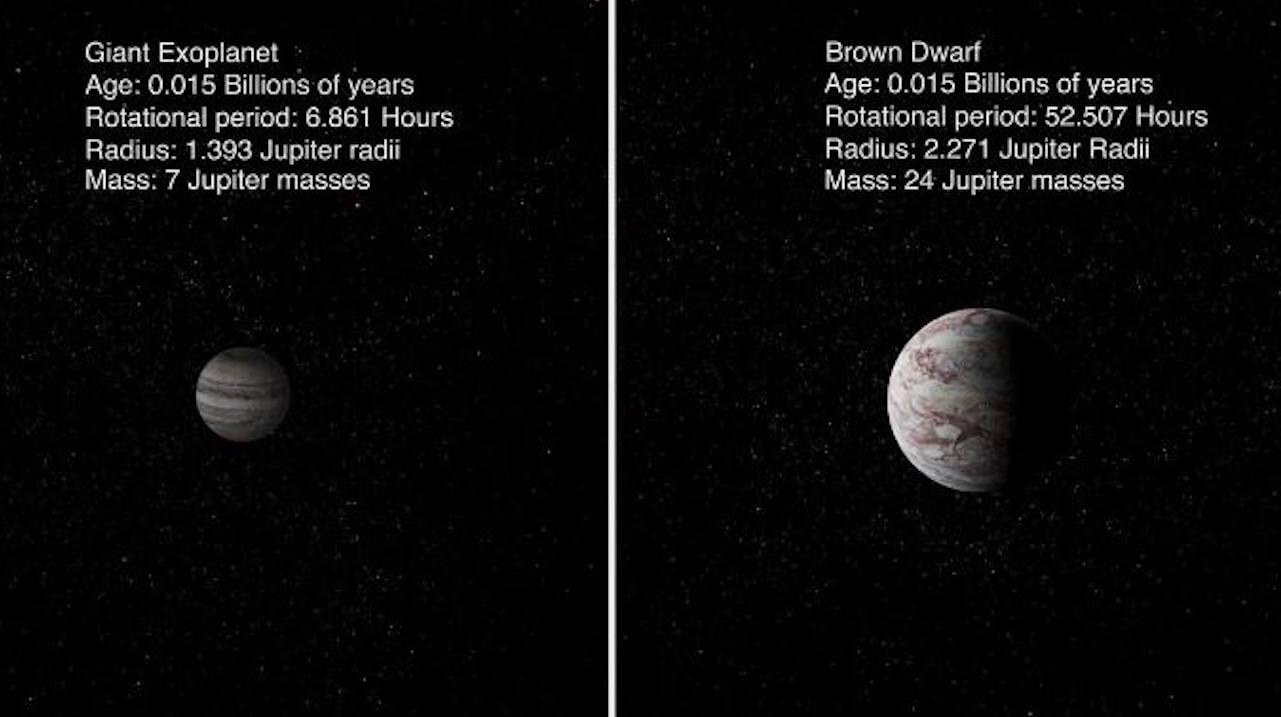
A New Window into Planet Formation — Keck Observatory Astronomers using the W. M. Keck Observatory on Maunakea, Hawaiʻi Island, have confirmed a long-predicted relationship between planetary mass and rotation.
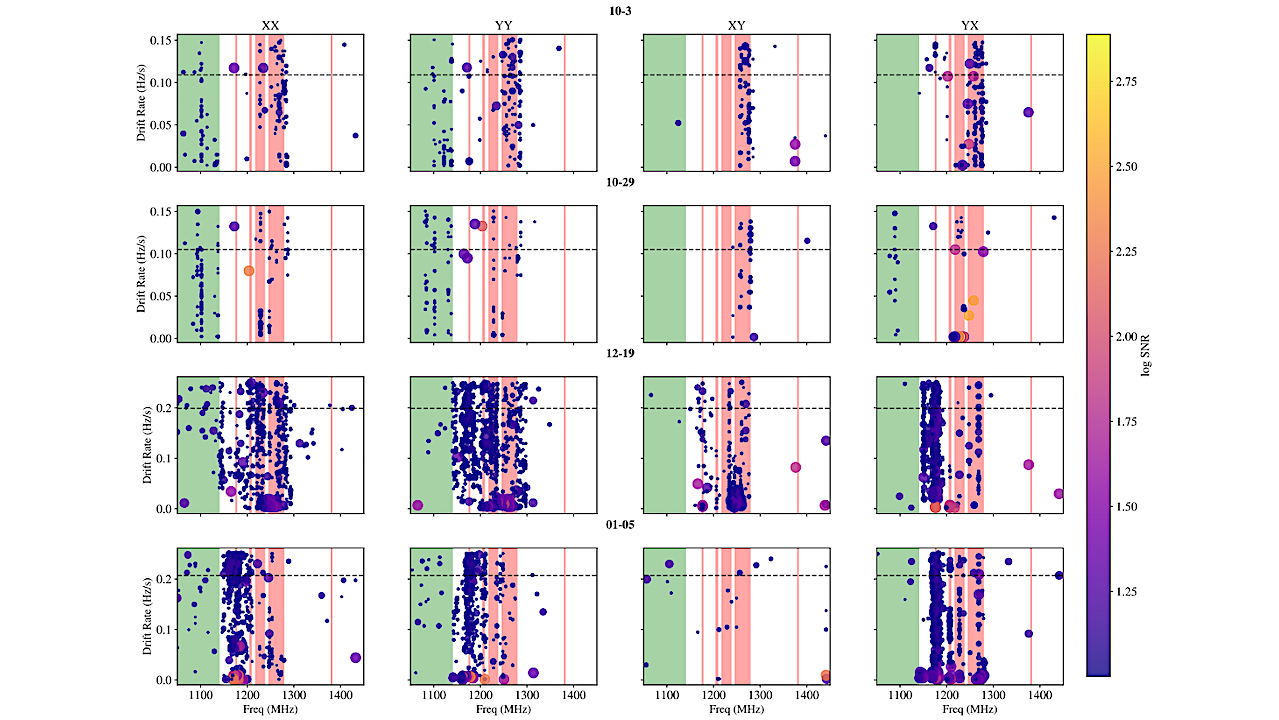
Scatter plots of potential candidate in frequency, drift rate and signal-to-noise ratio for each polarization channel. The color and the size for each point represent the value of SNR in
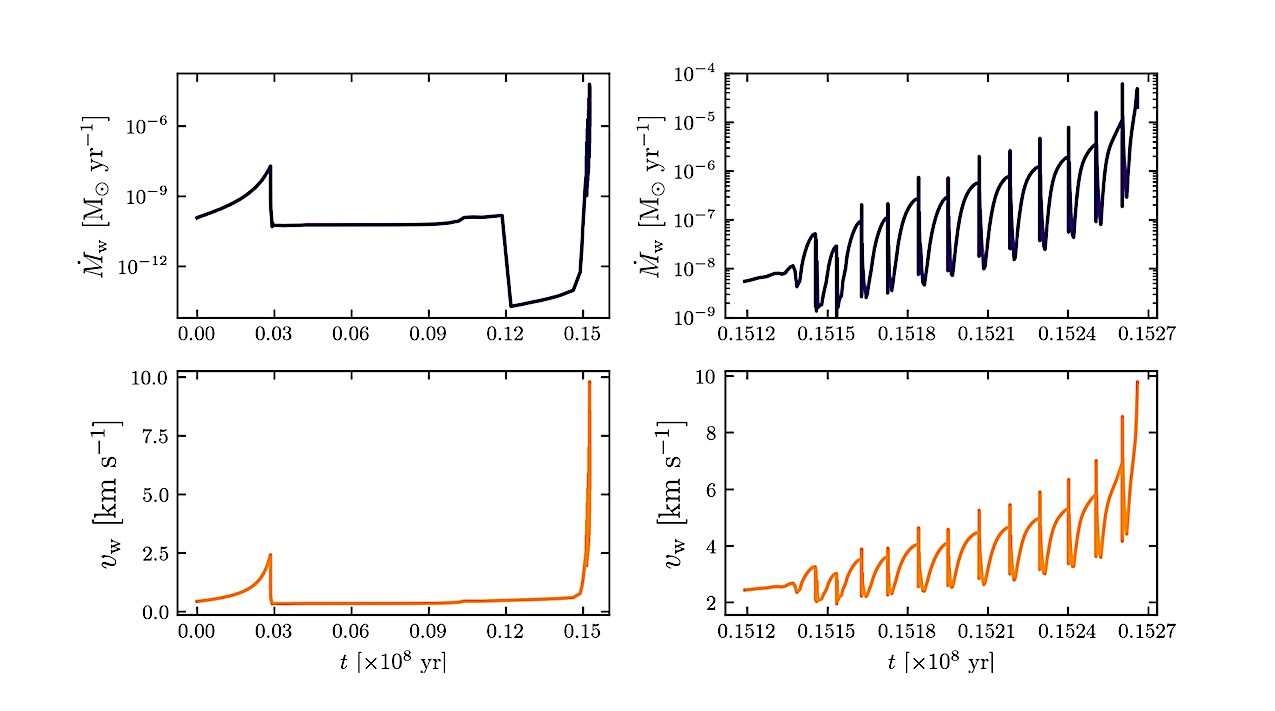
Evolution of the stellar mass-loss rate (𝑀̇ w) and wind velocity (𝑣w) obtained from our 2 M⊙ stellar model. The left panels show the complete evolution of 𝑀̇w and 𝑣w
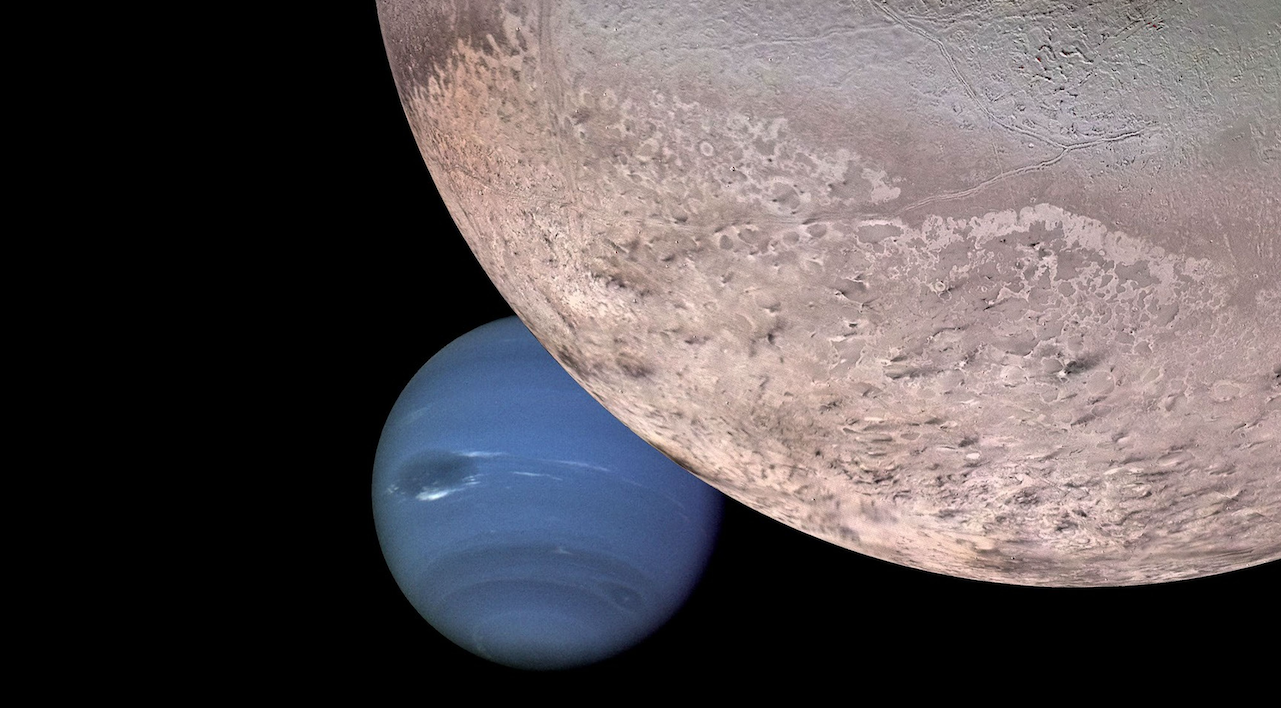
Triton and Neptune – NASA Neptune’s present axial tilt of approximately 28 deg. with respect to its orbital plane can be explained by collisions that its primordial core may have
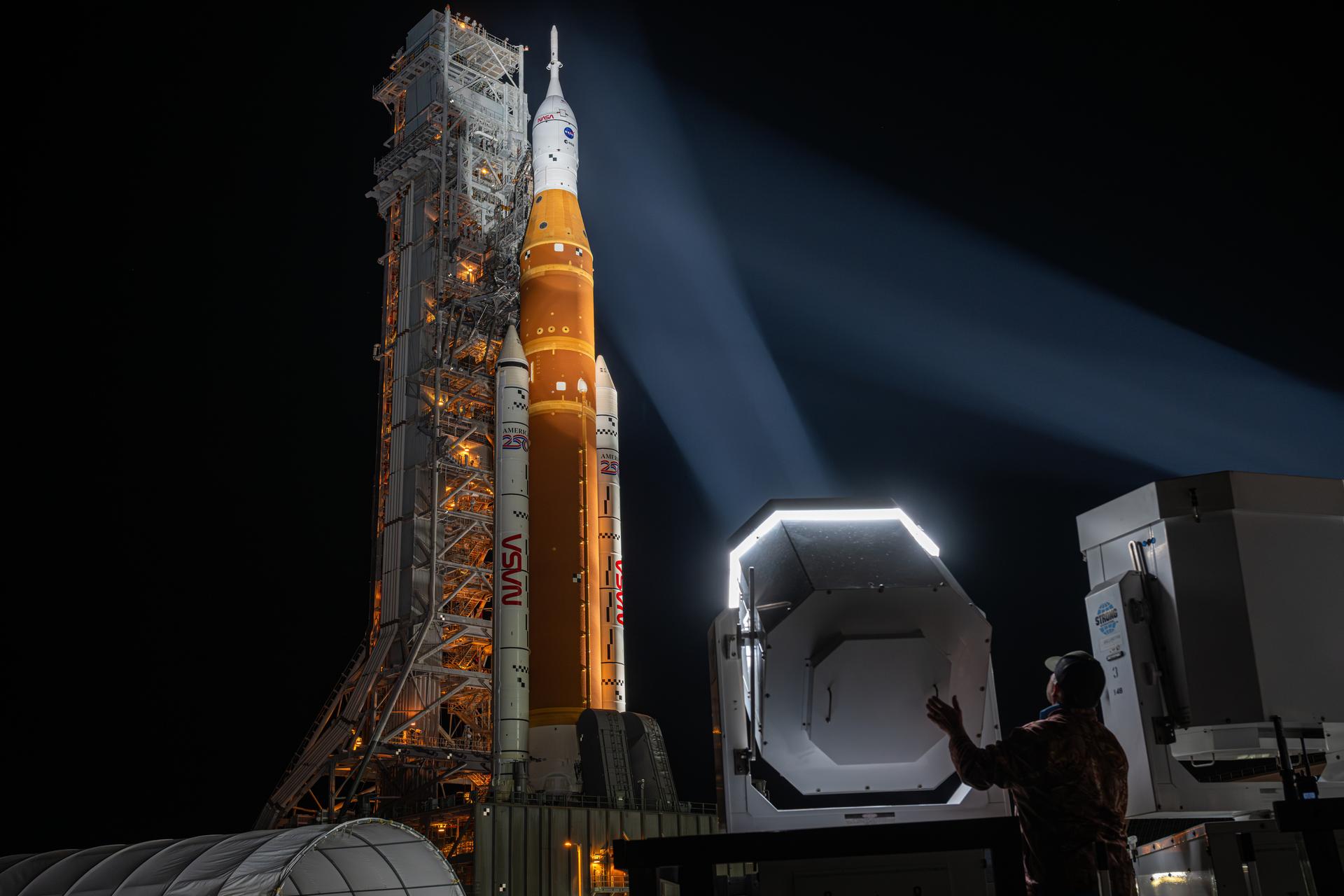
WASHINGTON — The Artemis 2 launch vehicle and spacecraft have returned to the launch pad for a launch as soon as April 1. The mobile launch platform carrying the Space

With NASA’s Artemis 2 rocket and spacecraft rolling back out to the launch pad for an upcoming moon mission launch, and March being Women’s History Month, now is the ideal
Provided they host thick, hydrogen-dominated atmospheres, moons orbiting free-floating exoplanets could retain much of the heat generated deep within their interiors by tidal forces. Led by David Dahlbüdding at the

Artemis Imminent – Artemis II Back on the Pad! – YouTube Watch On On Episode 202 of This Week In Space, Rod Pyle and Tariq Malik are joined by Mike



Advertisement
Popular Now
-
 01Two Black Holes Observed Circling Each Other for the First Time
 -
 02From Polymerization-Enabled Folding and Assembly to Chemical Evolution: Key Processes for Emergence of Functional Polymers in the Origin of Life
 -
 03Astronomy 101: From the Sun and Moon to Wormholes and Warp Drive, Key Theories, Discoveries, and Facts about the Universe (The Adams 101 Series)
 -
 04True Anomaly hires former York Space executive as chief operating officer
 -
 05Φsat-2 begins science phase for AI Earth images
 -
 06Hurricane forecasters are losing 3 key satellites ahead of peak storm season − a meteorologist explains why it matters
 -
 07Binary star systems are complex astronomical objects − a new AI approach could pin down their properties quickly
Scroll to Top