
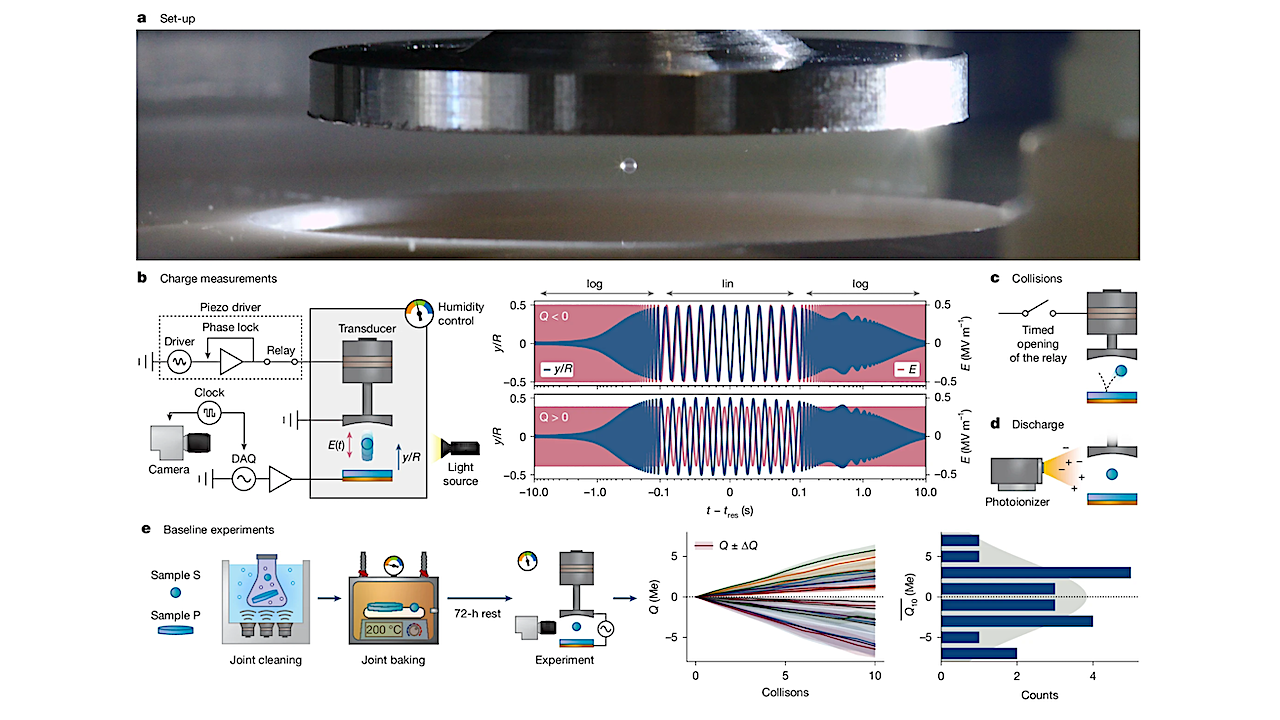
a, We levitate a 500-μm silica sphere in an acoustic trap above a silica target plate. b, Charge is measured by applying a frequency-swept electric field, E(t), and extracting the


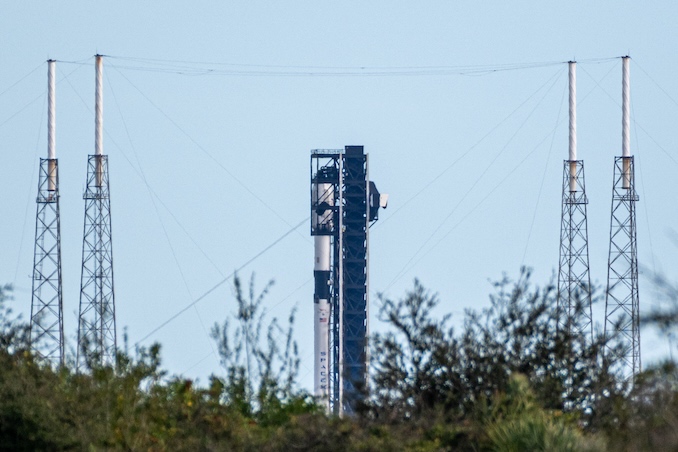
A SpaceX Falcon 9 rocket stands in the launch position at Space Launch Complex 40 at Cape Canaveral Space Force Station ahead of the launch of the Starlink 6-88 mission.
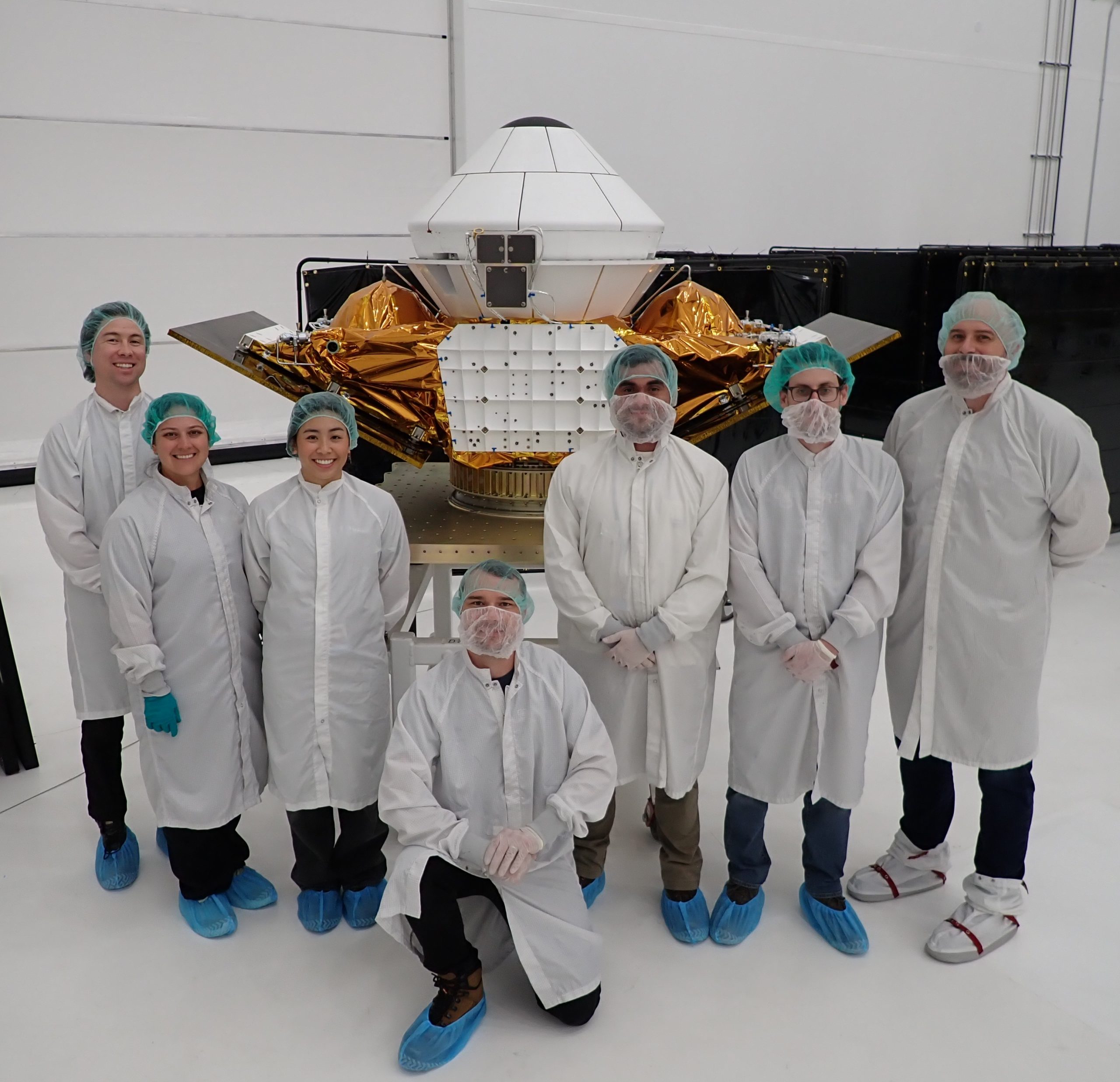
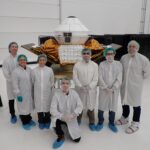
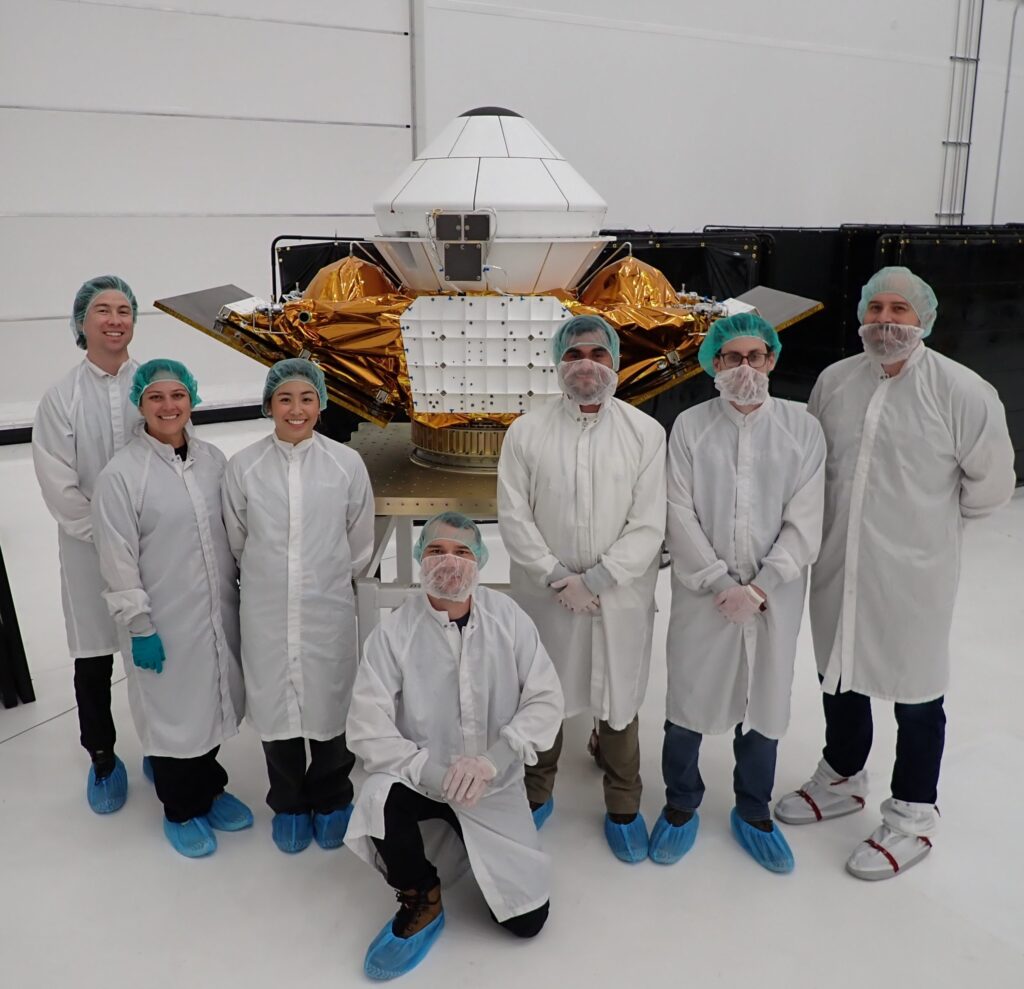
WASHINGTON — Varda Space Industries on March 30 launched its sixth reentry capsule carrying U.S. government-funded experiments designed to operate under the extreme conditions of hypersonic flight. The W-6 mission

Since the age of silent movies, filmmakers have been transfixed by the idea of blasting off from our home planet to explore the moon. And who could blame these romantic
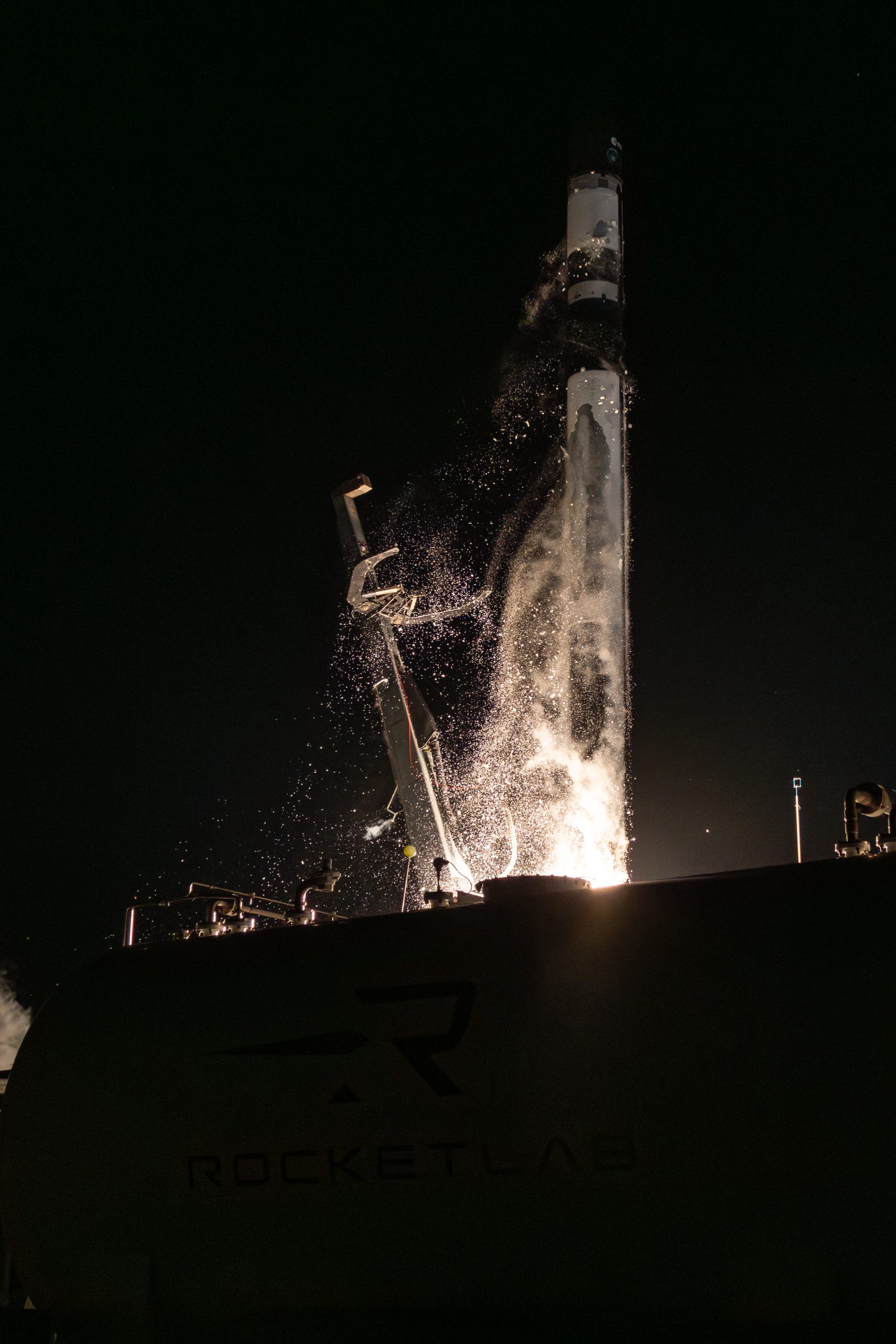
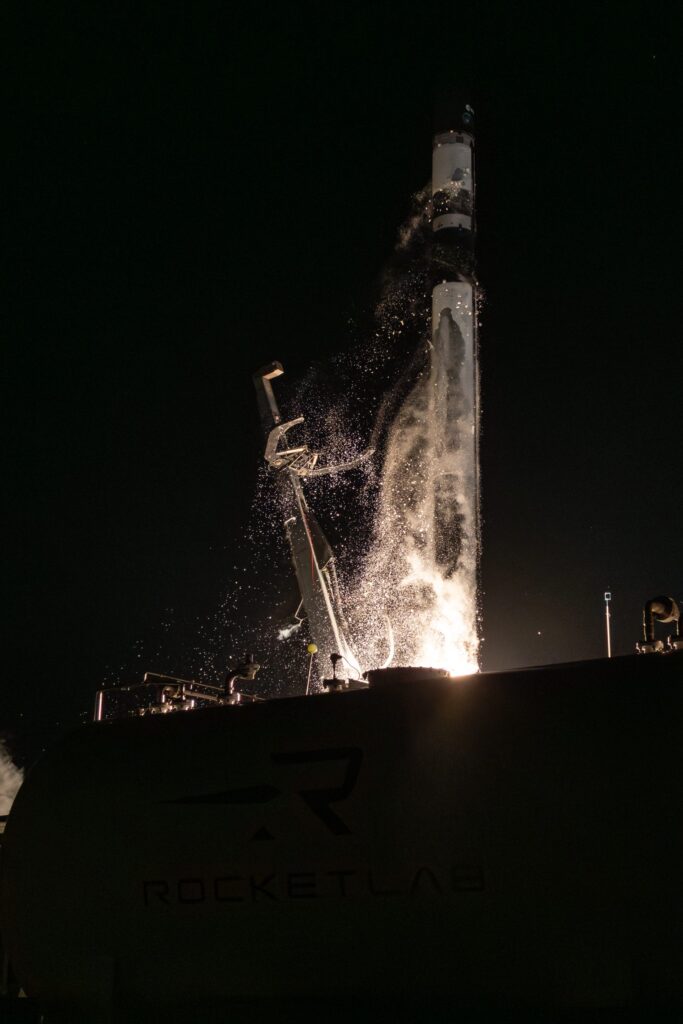
MILAN — The European Space Agency has launched the first two satellites of the Celeste in-orbit demonstration mission from New Zealand aboard a Rocket Lab Electron launcher on March 28.
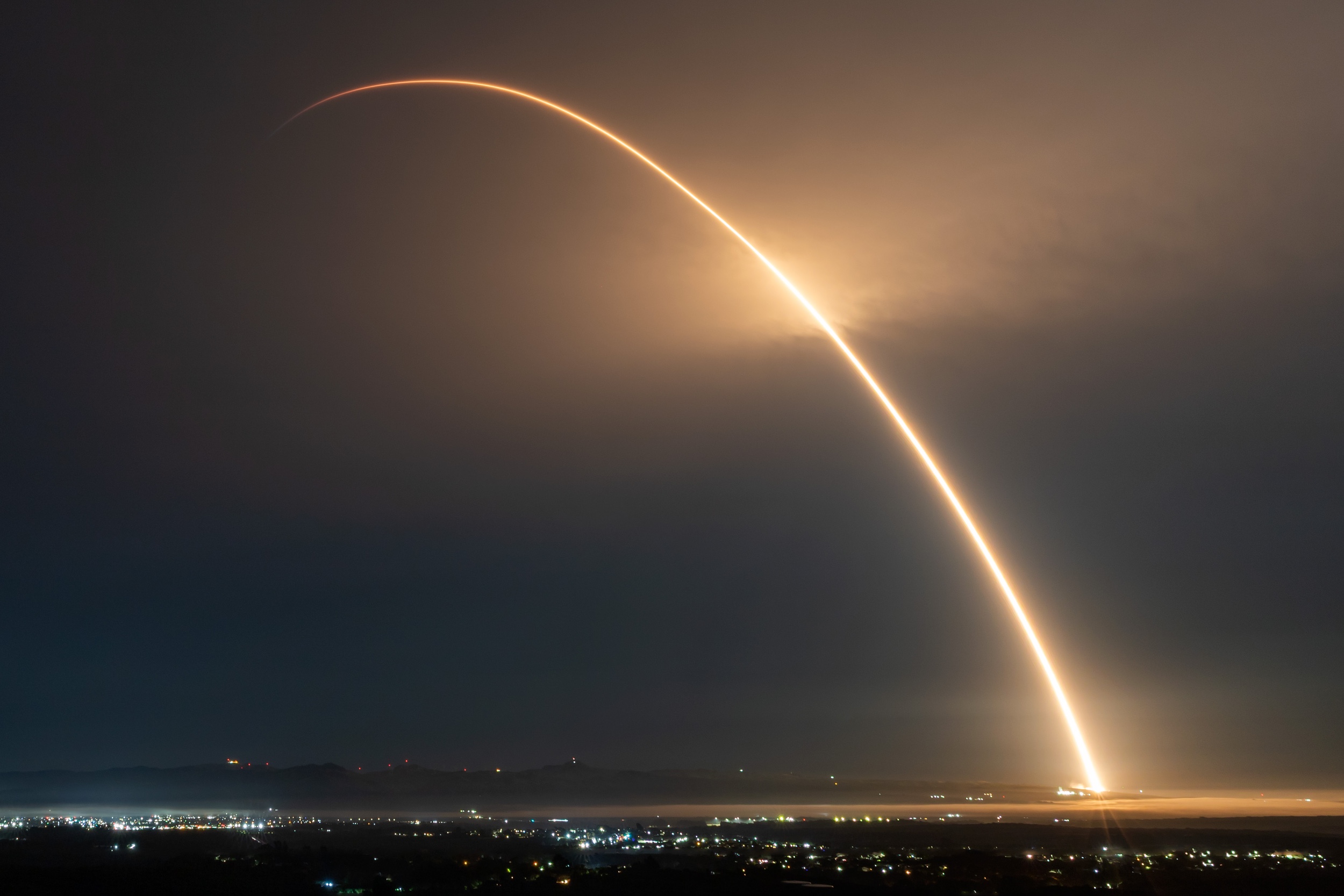
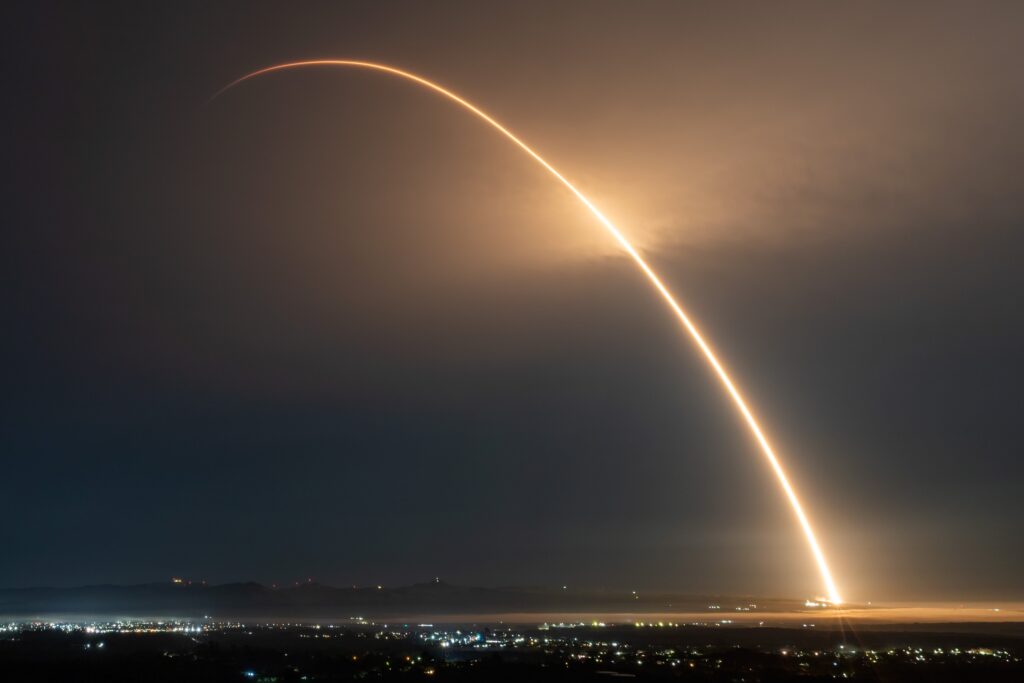
KENNEDY SPACE CENTER, Fla. — SpaceX launched the latest in its series of dedicated rideshare missions March 30, delivering more than 100 payloads to sun-synchronous orbit. A Falcon 9 lifted
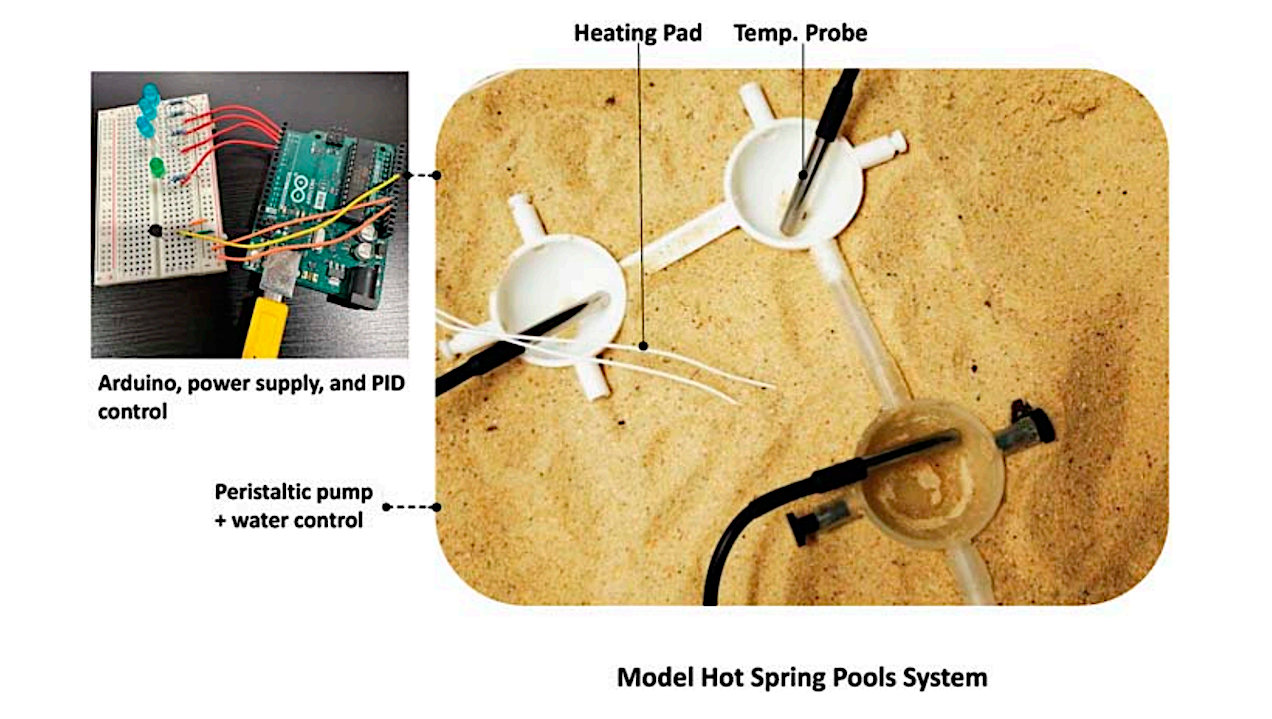
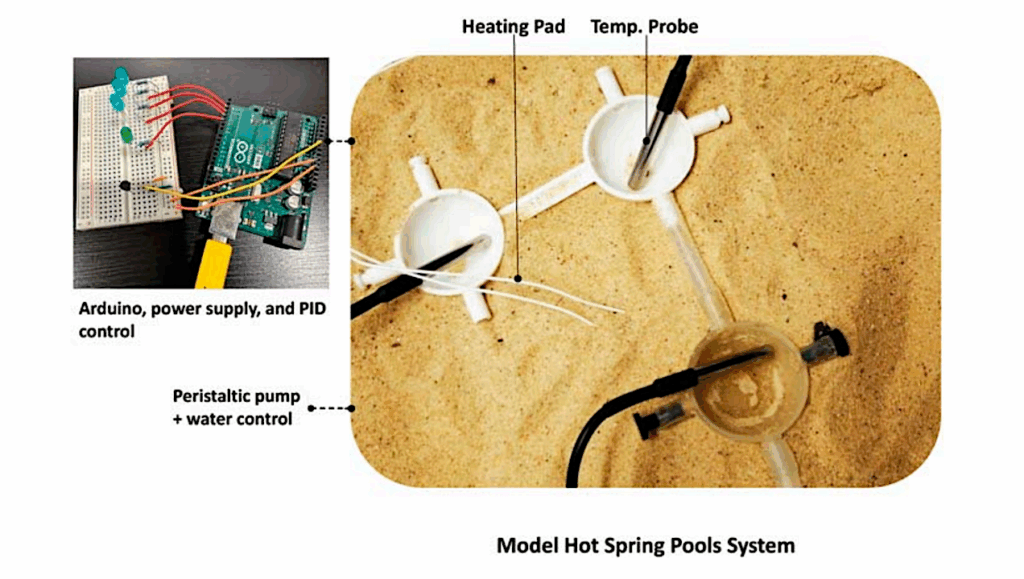
Photograph of the model hot spring pools system showing the assembled pools with temperature probes placed in the cups and heating pads inserted underneath for controlling temperature. Power supply provides
a, We levitate a 500-μm silica sphere in an acoustic trap above a silica target plate. b, Charge is measured by applying a frequency-swept electric field, E(t), and extracting the
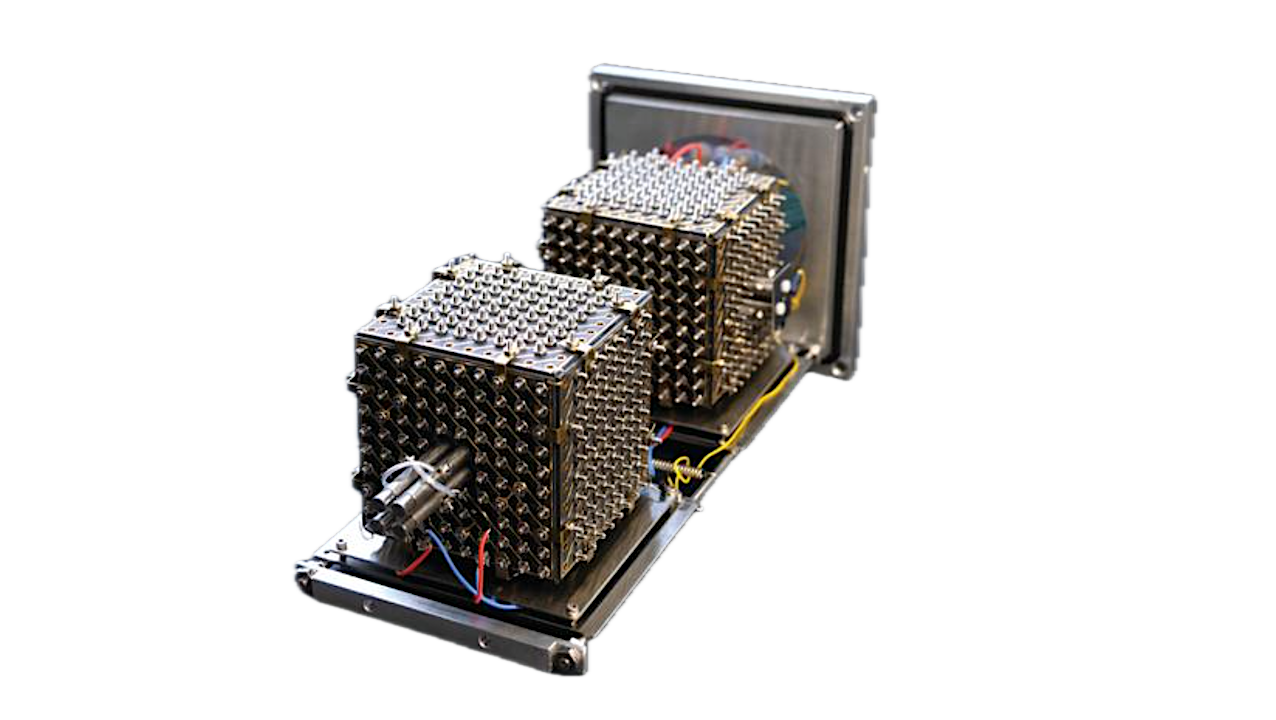
The new MultiQ-IT prototype can cool, trap, filter, and redirect over a billion ionssimultaneously, dramatically improving dynamic range and signal-to-noise. Credit Lori Chertoff/The Rockefeller University Editor’s note: with recent speculation
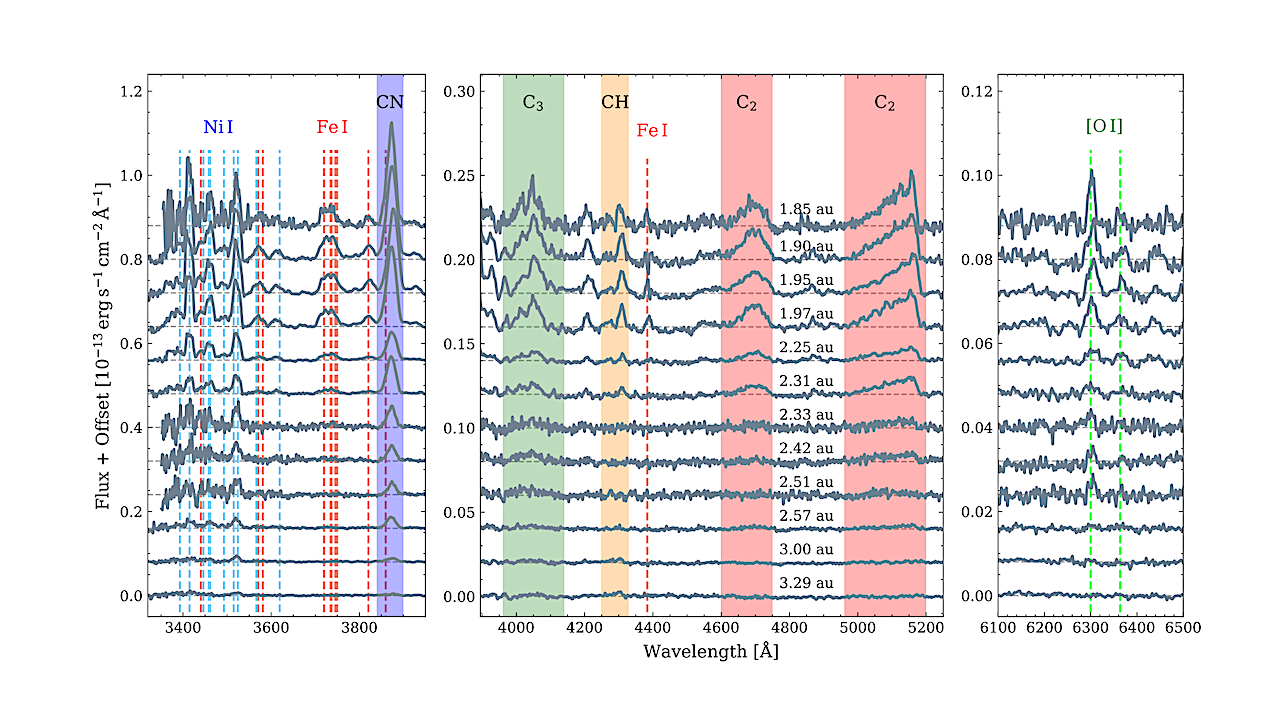
Eimission spectra of 3I/ATLAS taken with BFOSC and YFOSC. For clarity, the full spectral range is divided into three panels with different vertical offsets to emphasize specific features. The left
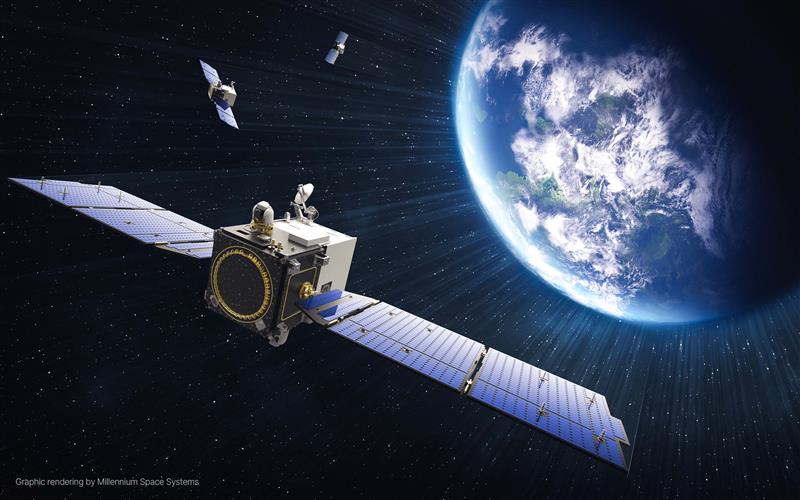
WASHINGTON — Kratos Defense & Security Solutions has won a $446.8 million contract from the U.S. Space Force to build and operate the ground system for a new constellation of
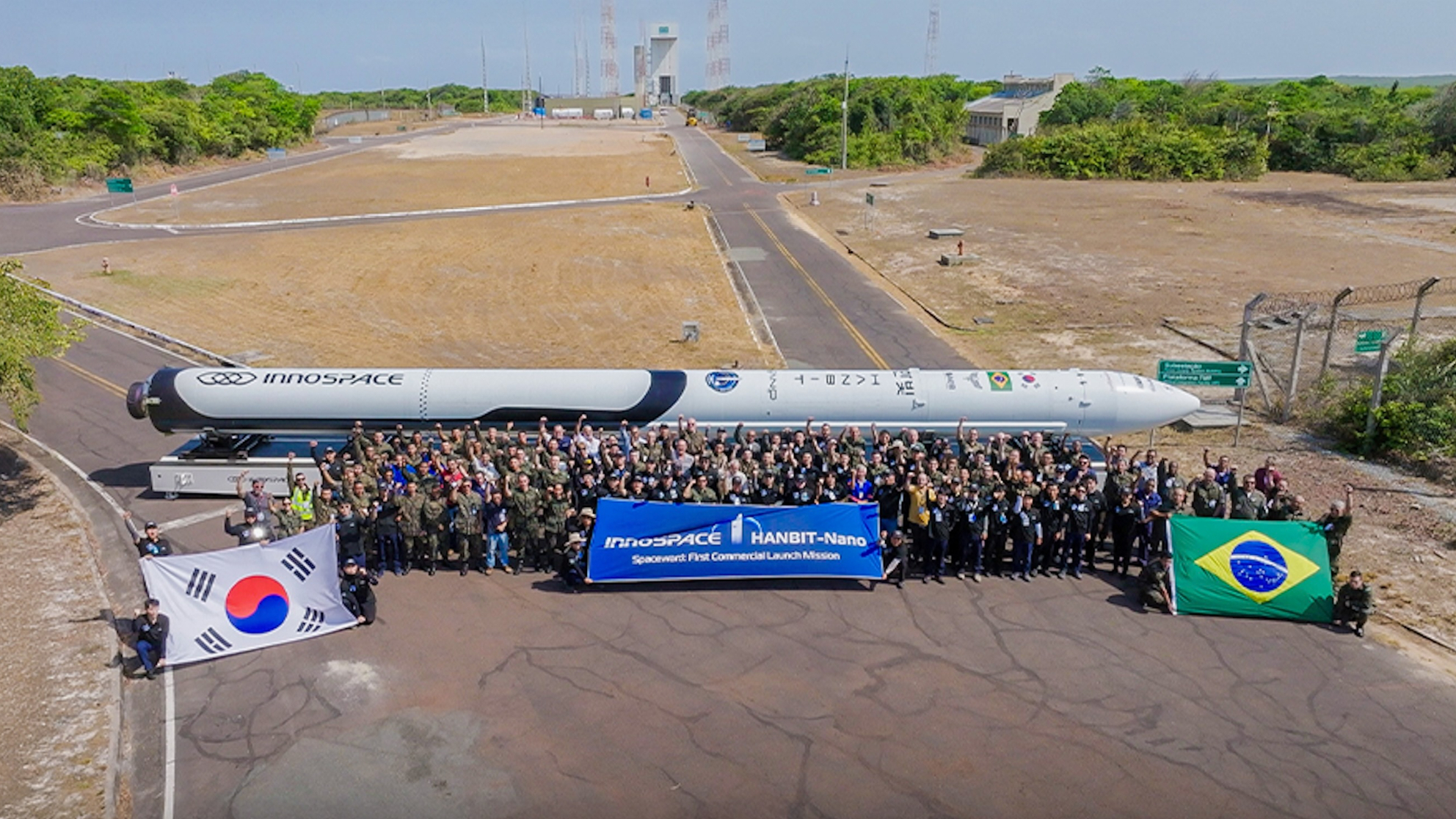
South Korean startup Innospace says it knows what went wrong on its first-ever orbital launch attempt. Innospace sent its Hanbit-Nano rocket skyward for the first time ever on Dec. 22,
The European Space Agency announced Thursday it has re-established communication with a spacecraft that is part of its Proba-3 mission, after losing contact with the satellite a month ago.
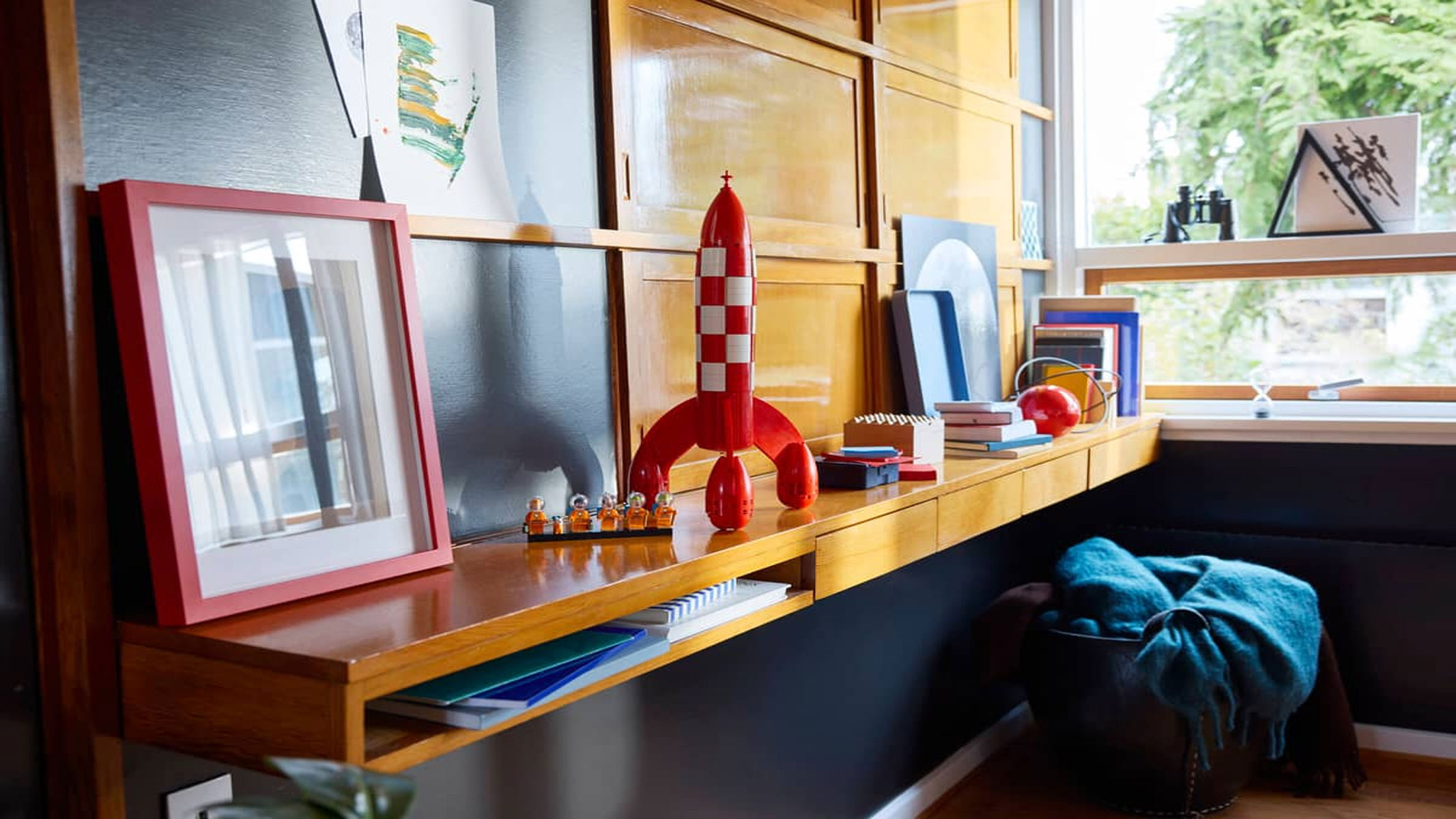
Available for purchase on April 1, Lego is releasing a Tintin Moon Rocket set, which is the toy brick manufacturer’s first-ever Tintin set, and it will feature 1283 pieces, six
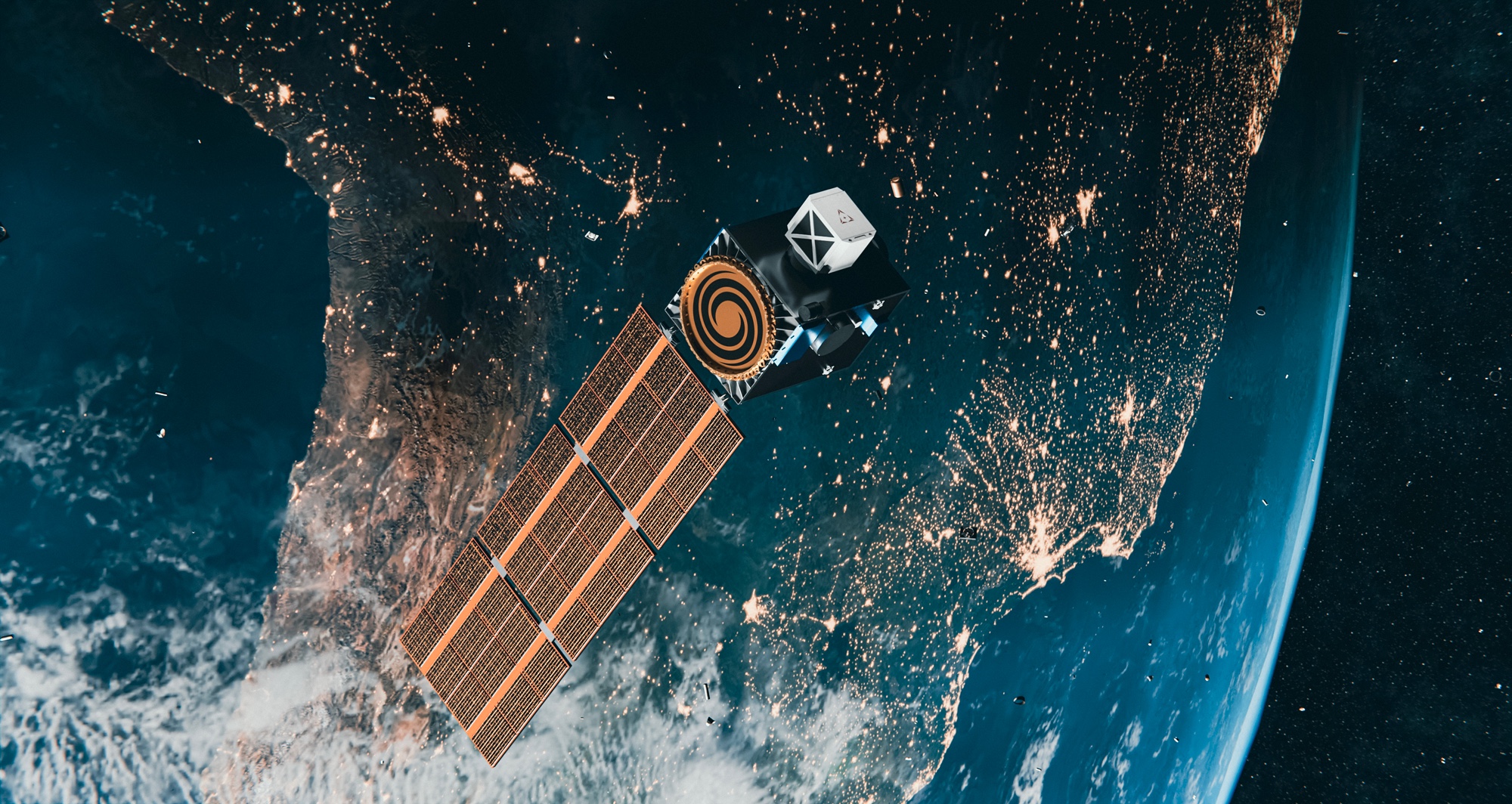
WASHINGTON — Portal Space Systems, a company developing maneuverable spacecraft, is partnering with an Australian startup to offer a commercial orbital debris removal service. Portal announced March 19 that it
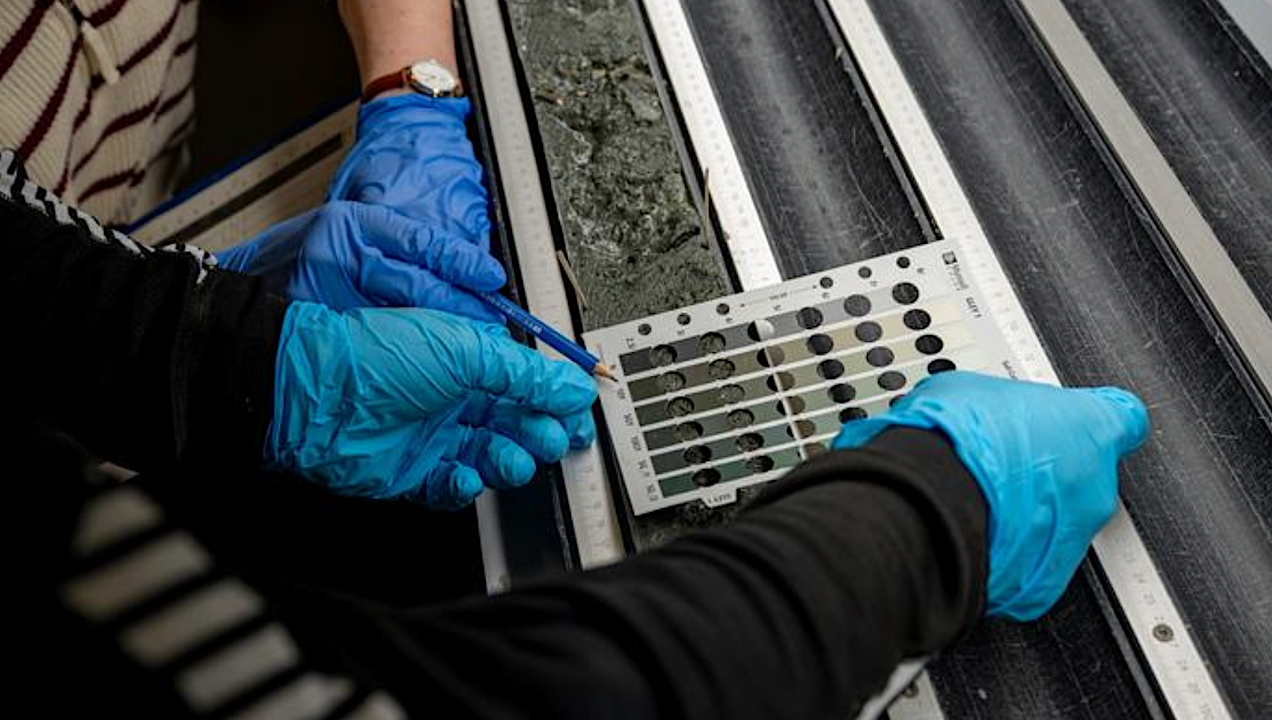
With the Munsell Soil Colour Chart the cores are described visually in colour and structure as acurately as possible. Photo: Diekamp@ECORD_IODP3_NSF Credit Diekamp@ECORD_IODP3_NSF The goal of this expedition went far
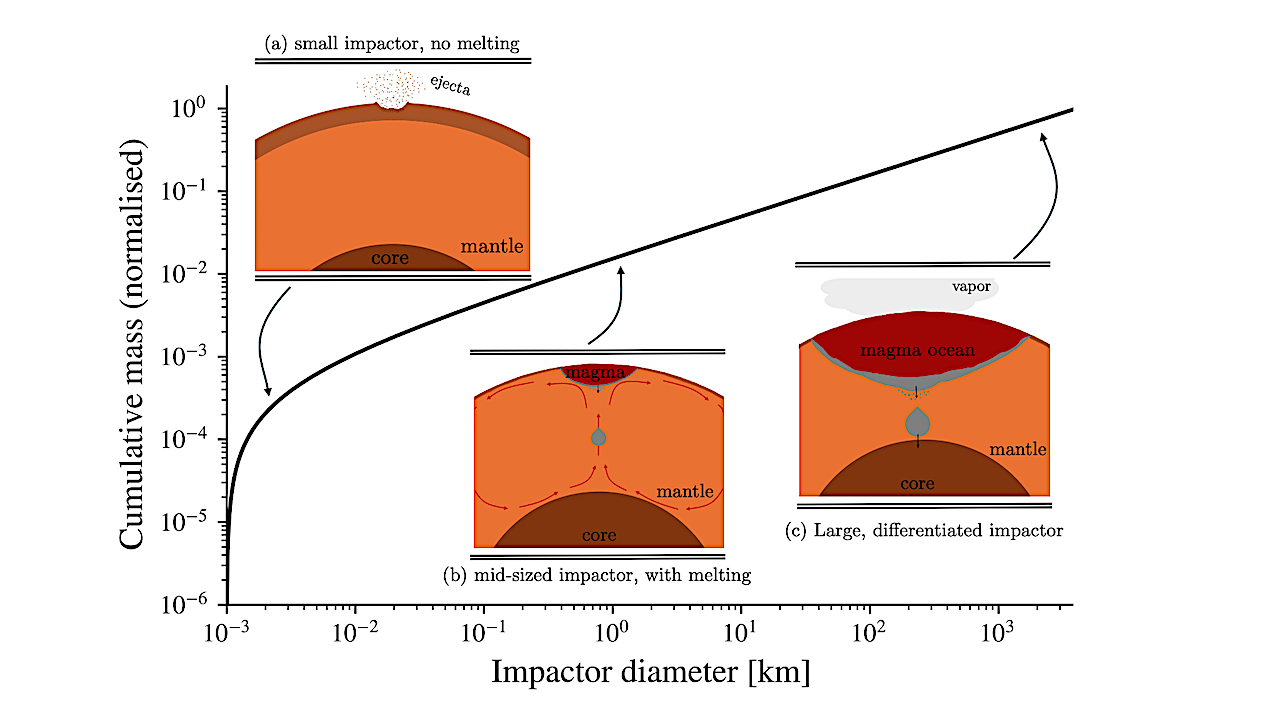
Collisions between leftover planetesimals drives the redistribution of mass between bodies of different sizes, generating a so-called collisional size-frequency distribution (SFD) dominated, in number, by the smallest bodies. The Earth