


On July 22, 2028, the moon’s shadow will cut a 143-mile-wide (230 kilometer) path across Australia and New Zealand. According to NASA, it will mark the first total solar eclipse


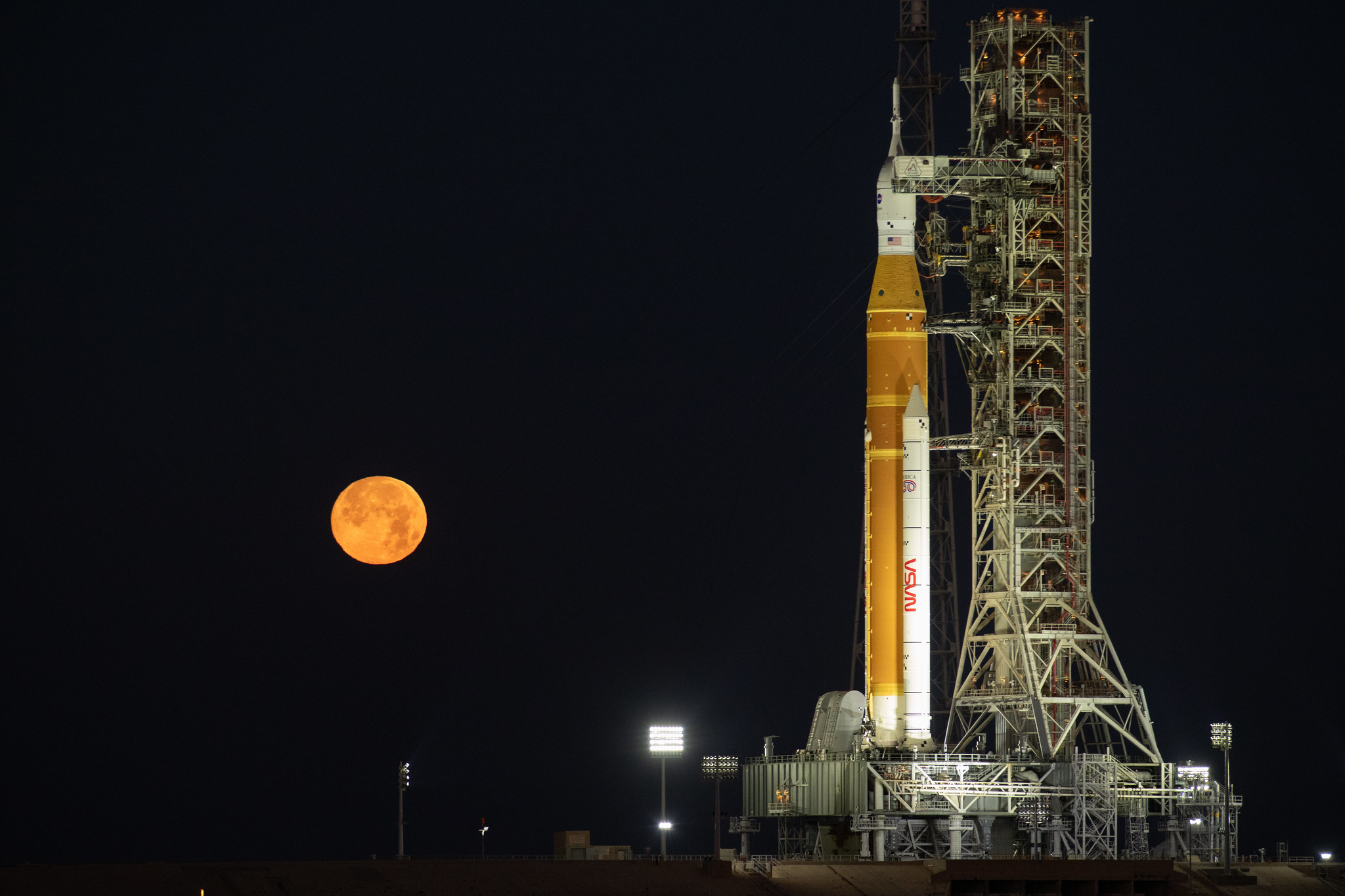
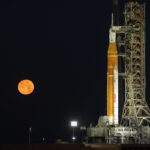
The Moon rises behind NASA’s Artemis II SLS (Space Launch System) rocket and Orion spacecraft atop a mobile launcher at Launch Complex 39B at NASA’s Kennedy Space Center in Florida
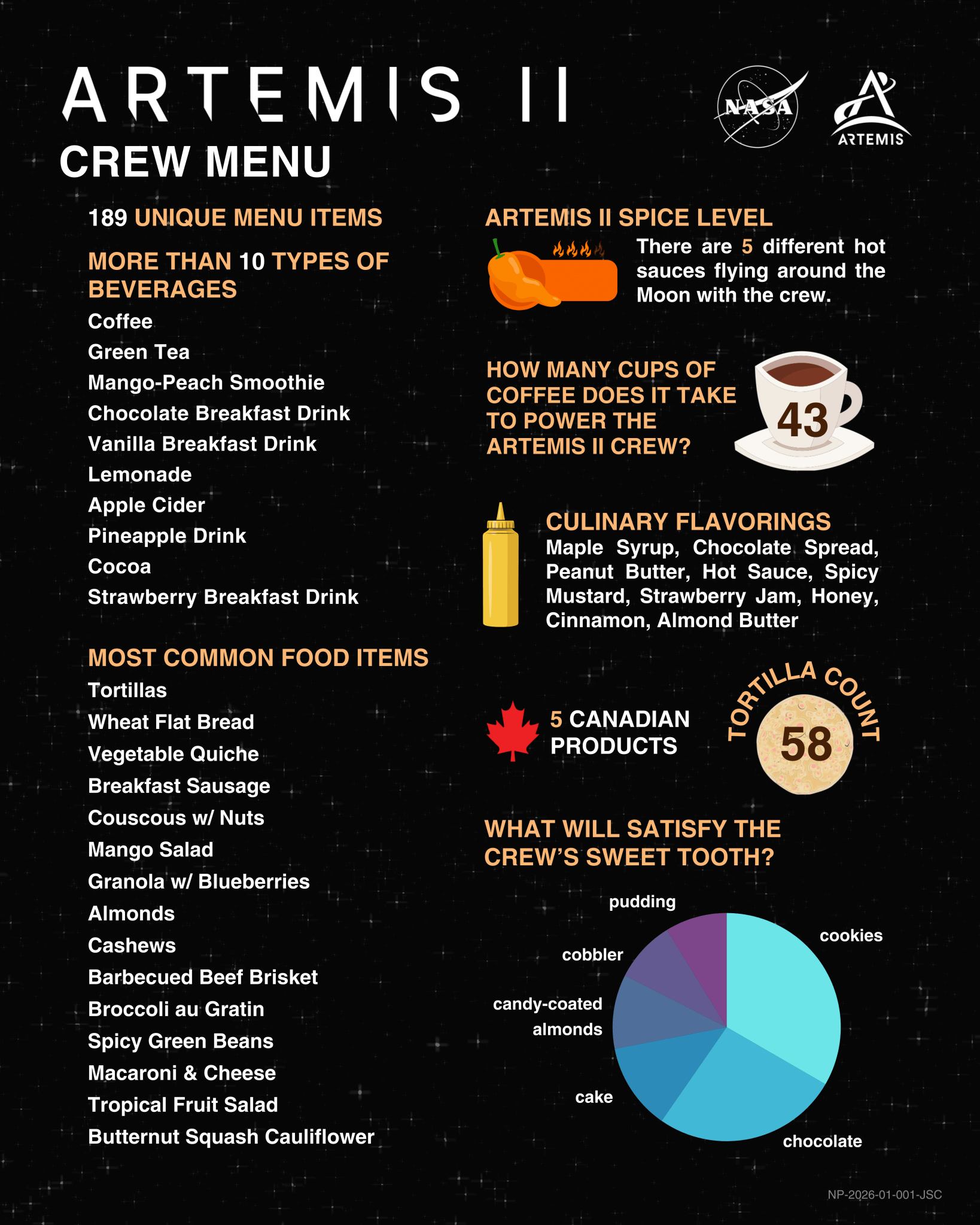
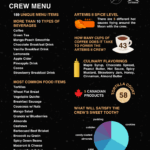
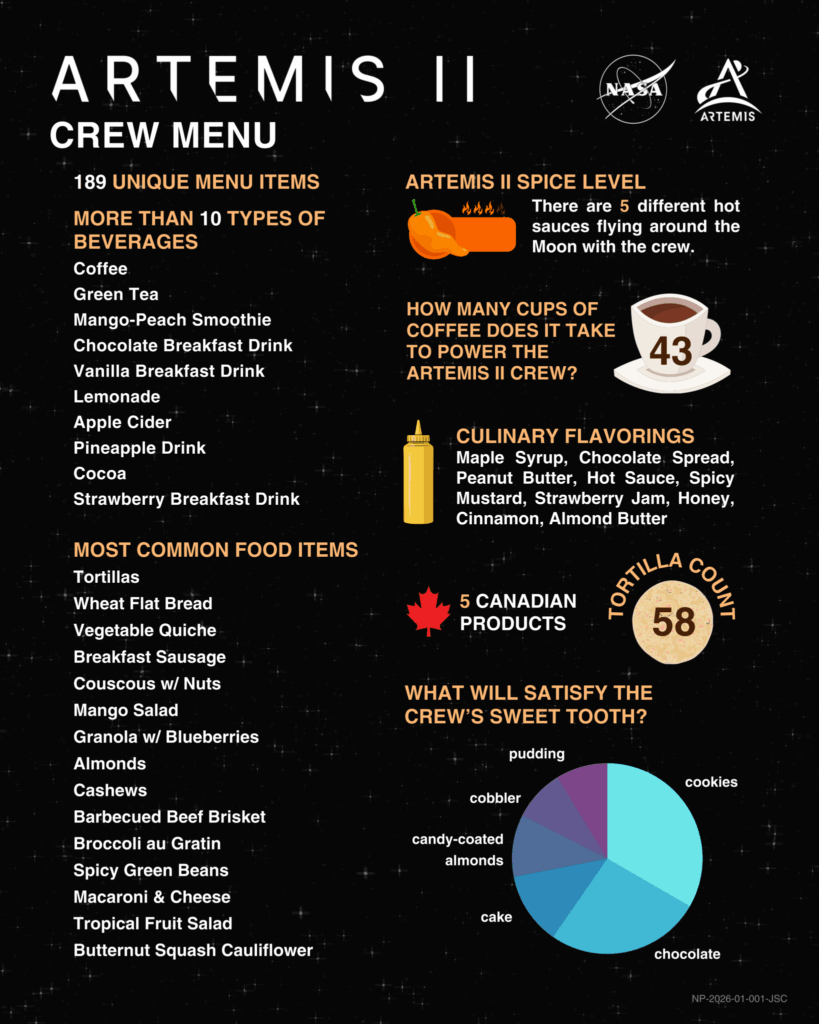
NASA The food flying aboard Artemis II is designed to support crew health and performance during the mission around the Moon. With no resupply, refrigeration, or late-load capability, all meals
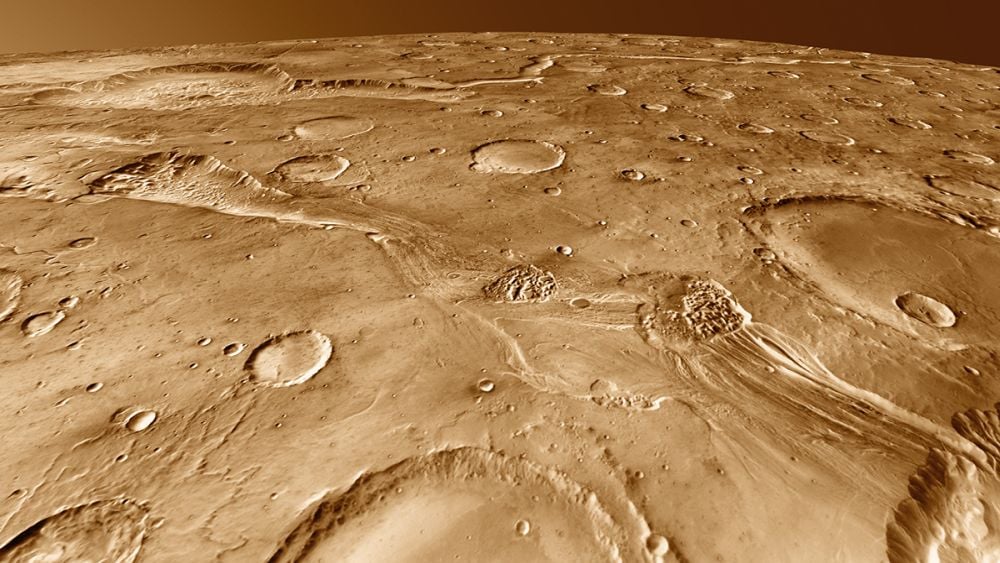
Panspermia is the idea that life was spread from world to world somehow. New research shows that one type of Earthly extremophile can survive the extremely high pressure from asteroid
On July 22, 2028, the moon’s shadow will cut a 143-mile-wide (230 kilometer) path across Australia and New Zealand. According to NASA, it will mark the first total solar eclipse
For many college students, satellites are faint dots crossing the sky on clear nights. These objects are background details from science fiction to reality, like GPS, satellite radio, and WiFi.
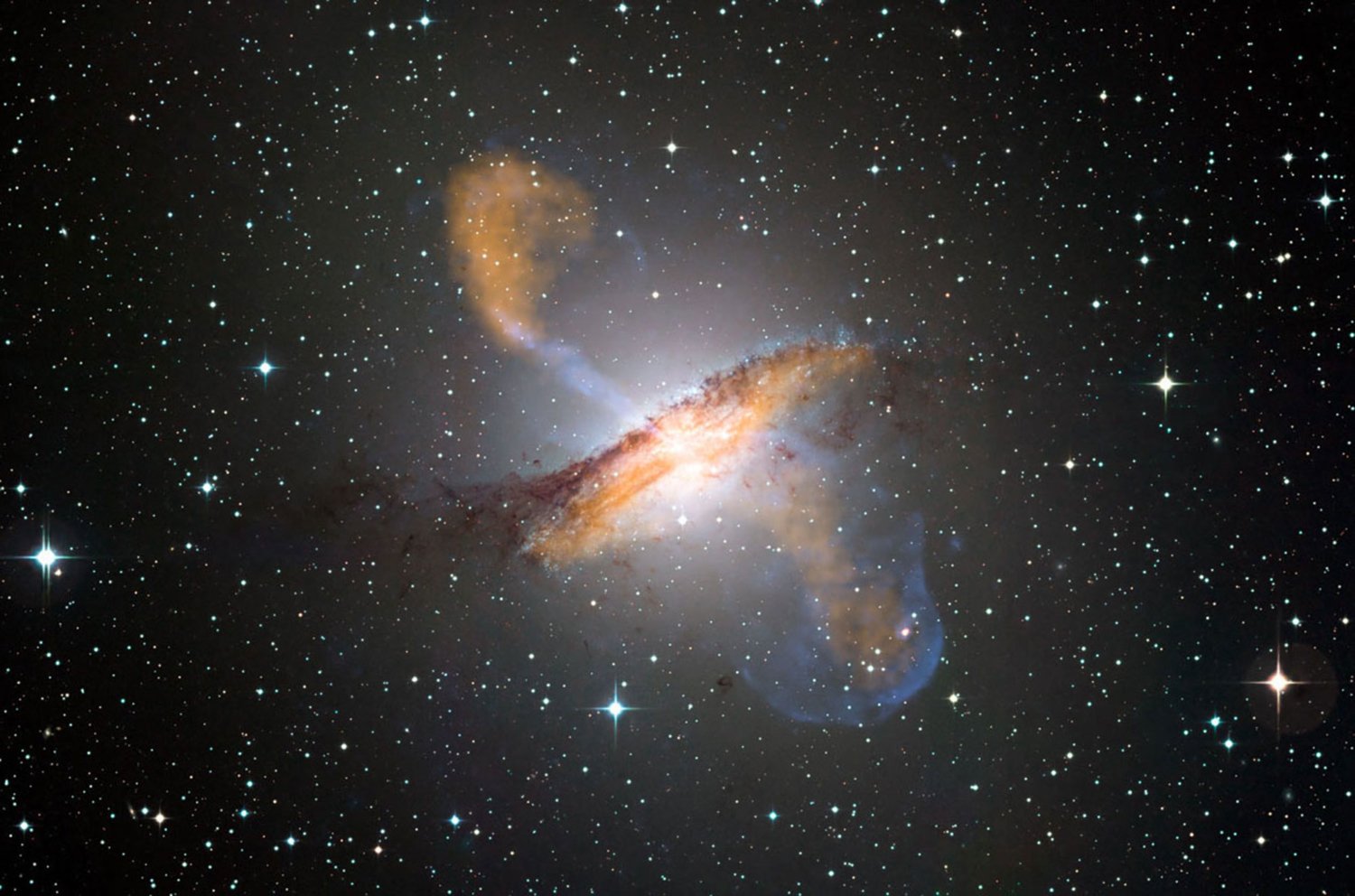
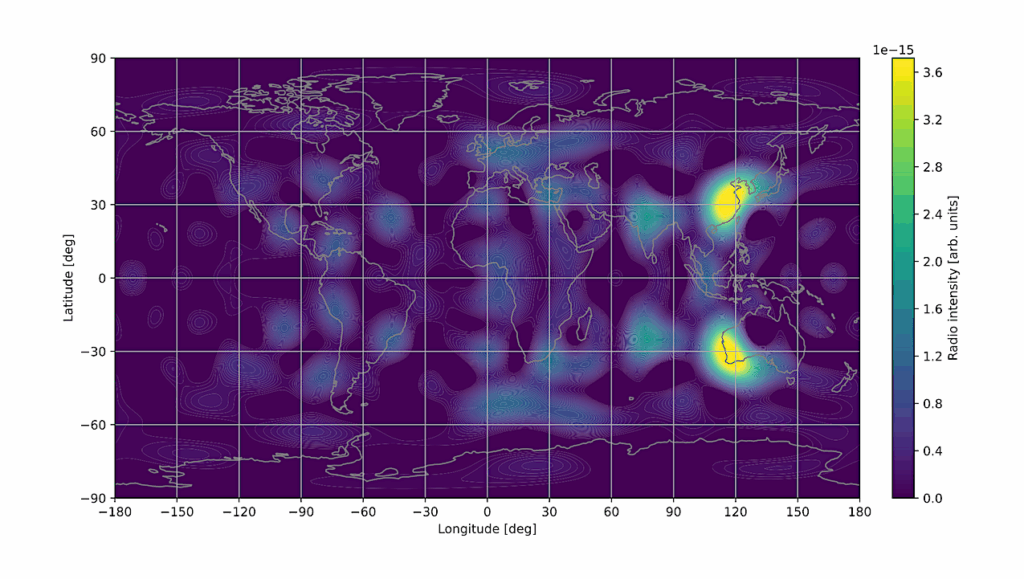
arXiv:2508.00249v1 Announce Type: new Abstract: Any population of artificial radio broadcasts in a galaxy contributes to its integrated radio luminosity. If this radio emission is bright enough, inhabited galaxies themselves
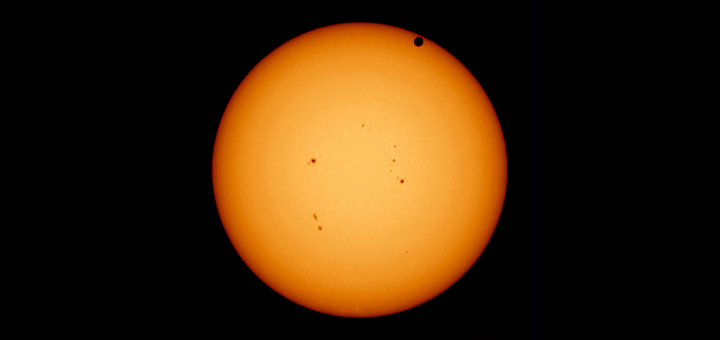
By modeling the limb darkening of a star, astronomers can get a better measure of the transit depth of an exoplanet. This will allow us to get better measurements of

New observations made with the European Southern Observatory’s Very Large Telescope (ESO’s VLT) identified an enormous a rogue planet with the strongest growth rate ever recorded. These observations reveal that
Keith Cowing Explorers Club Fellow, ex-NASA Space Station Payload manager/space biologist, Away Teams, Journalist, Lapsed climber, Synaesthete, Na’Vi-Jedi-Freman-Buddhist-mix, ASL, Devon Island and Everest Base Camp veteran, (he/him) 🖖🏻 Follow on

United States Embassy – New Zealand This September, the U.S. Embassy partnered with the New Zealand Astrobiology Network to celebrate ten years of astrobiology in Aotearoa and 150 years of

The U.S. Army Corps of Engineers’ Permafrost Tunnel near Fairbanks, Alaska. (Credit: Tristan Caro) In a new study, a team of geologists and biologists led by CU Boulder resurrected ancient
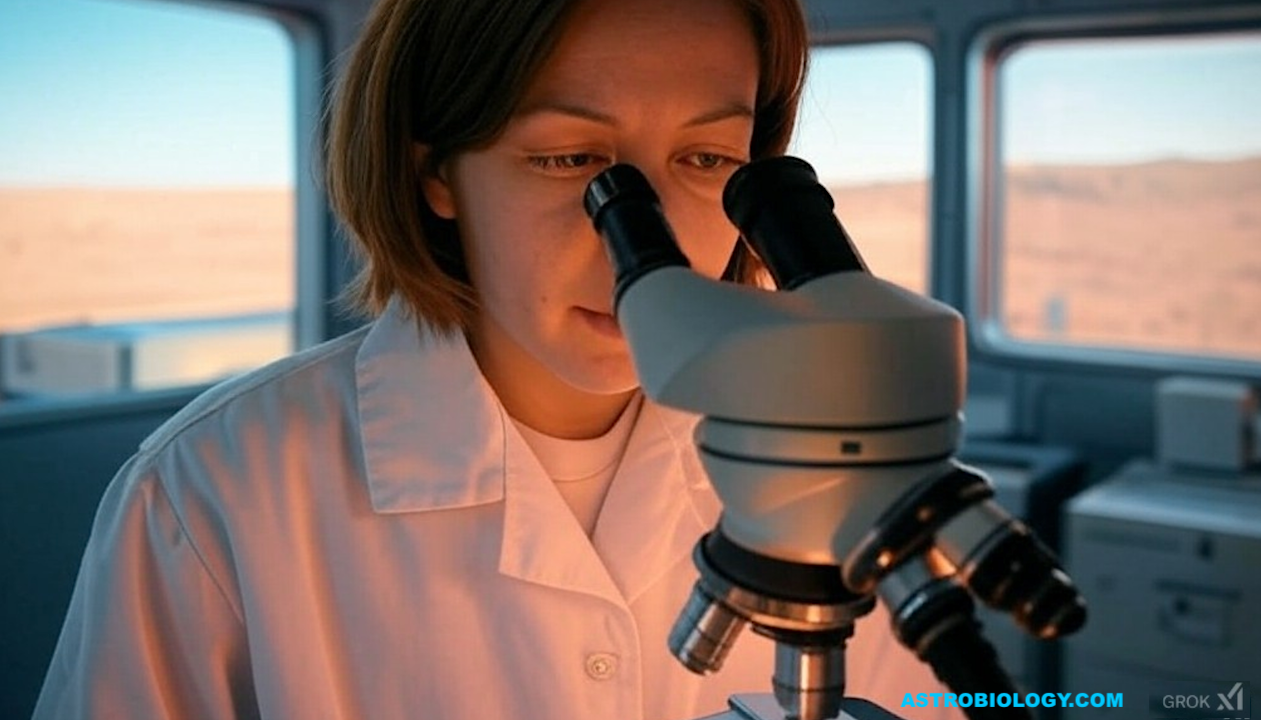
Using a microscope inside a research lab on Mars – Grok via Astrobiology.com Life on Earth has been shaped by transformative microbial innovations and singularities that redefined planetary systems, from
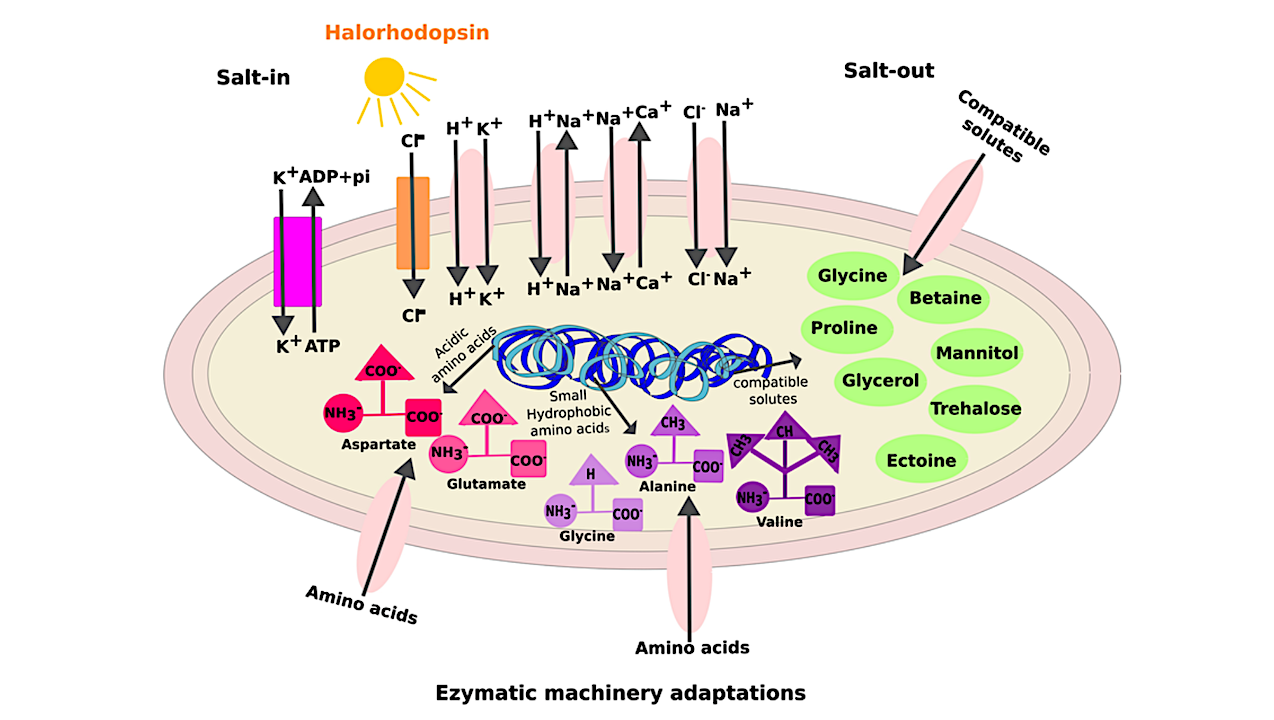
Adaptive mechanisms of halophilic microorganisms — Current Microbiology via PubMed Halophilic and halotolerant microorganisms, as members of the extremophile group, hold significant potential for both industrial applications and astrobiological research.