
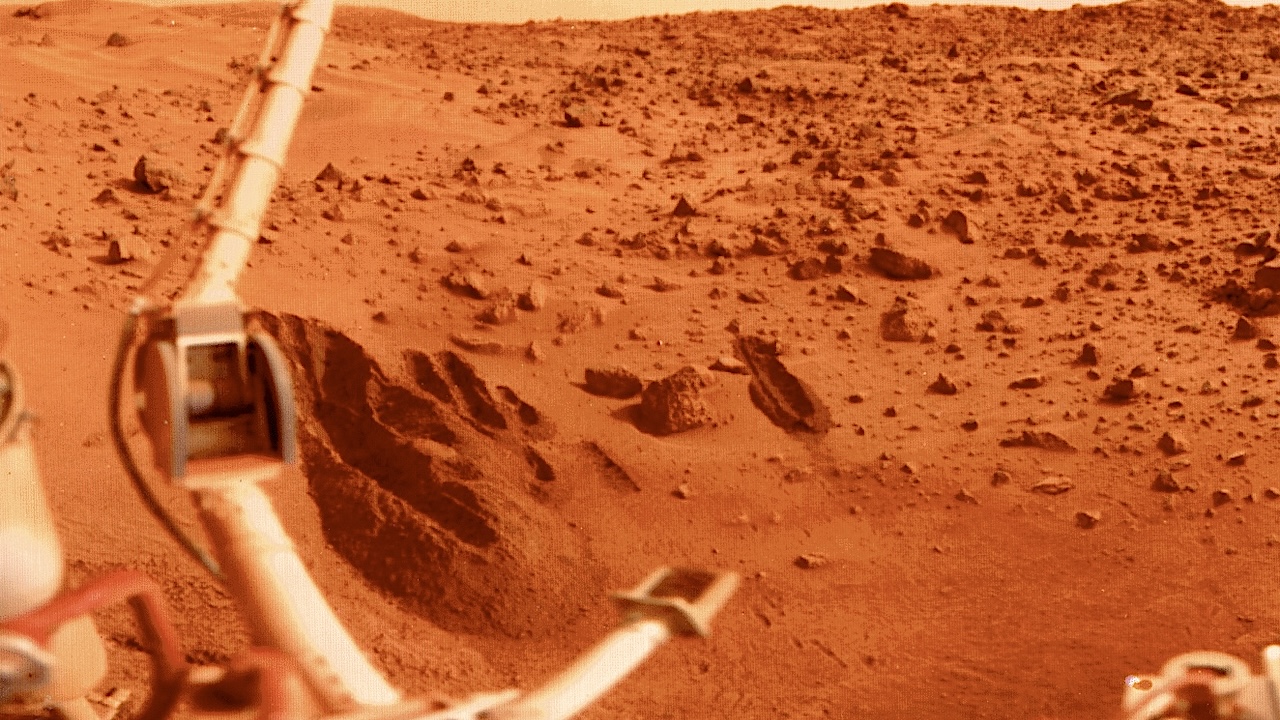
The Viking 1 Lander sampling arm created a number of deep trenches as part of the surface composition and biology experiments on Mars. The digging tool on the sampling arm


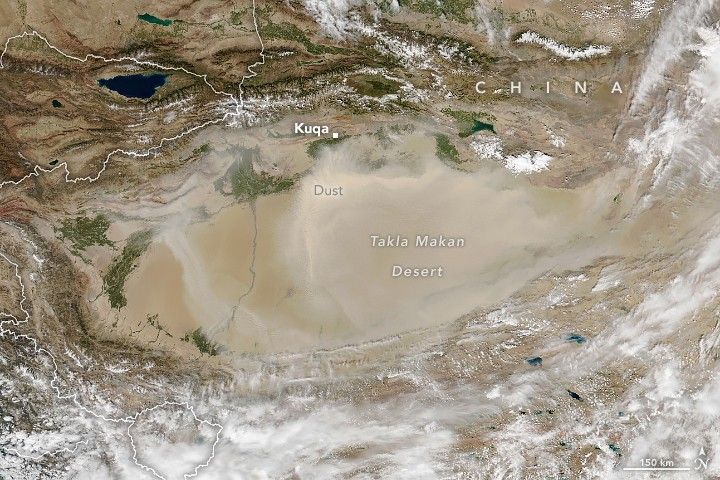
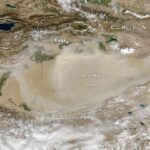
Earth Observatory Science Earth Observatory Dust Outbreak Reaches Europe Earth Earth Observatory Image of the Day EO Explorer Topics All Topics Atmosphere Land Heat & Radiation Life on Earth Human

Paris, February 2026 — Novaspace’s Capacity Pricing Trends, 8th Edition finds the satellite connectivity market has entered a Post‑Capacity Era, where bandwidth is no longer the basis of differentiation. Starlink’s vertical integration and cost
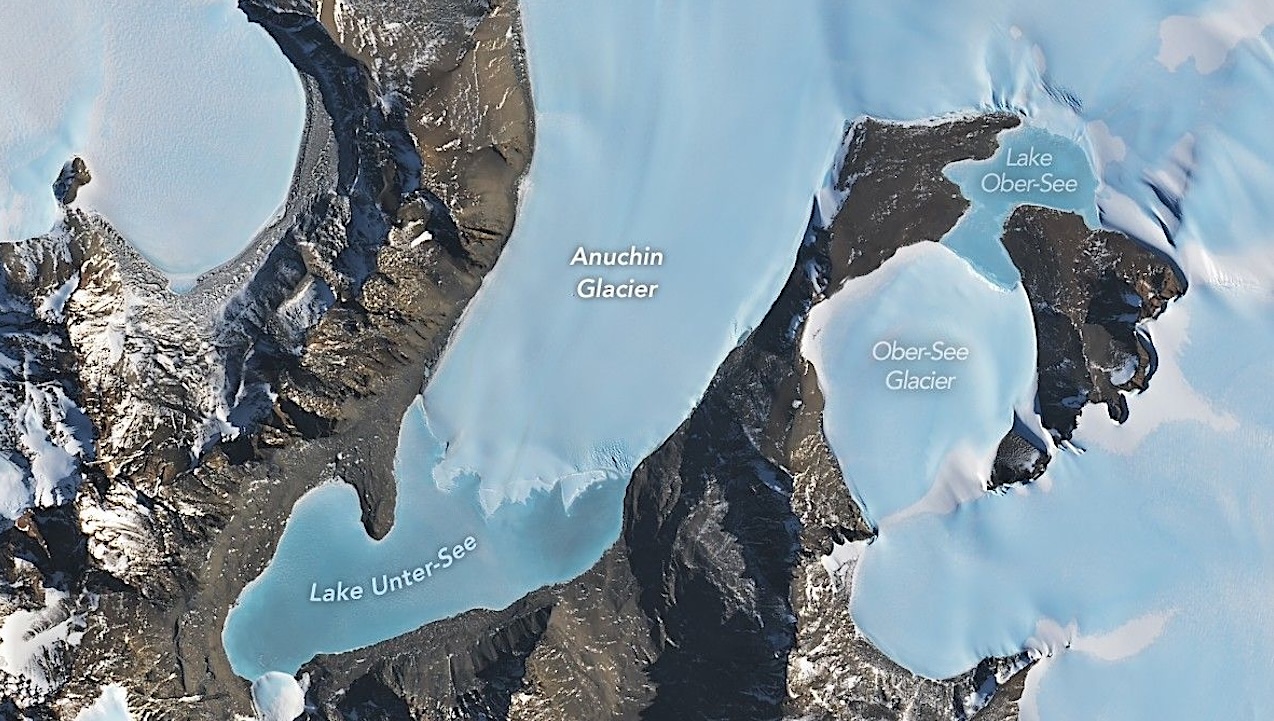
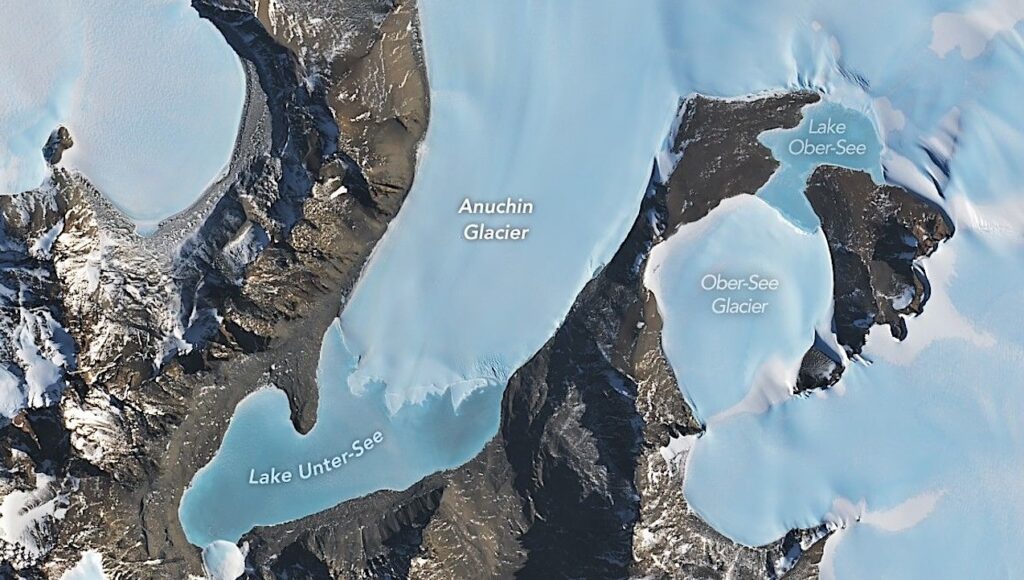
Lake Untersee, Antarctica and surrounding features – NASA/Google Earth Scientists estimate that Earth is home to more than 100 million lakes. Among the most unusual is Lake Untersee, one of
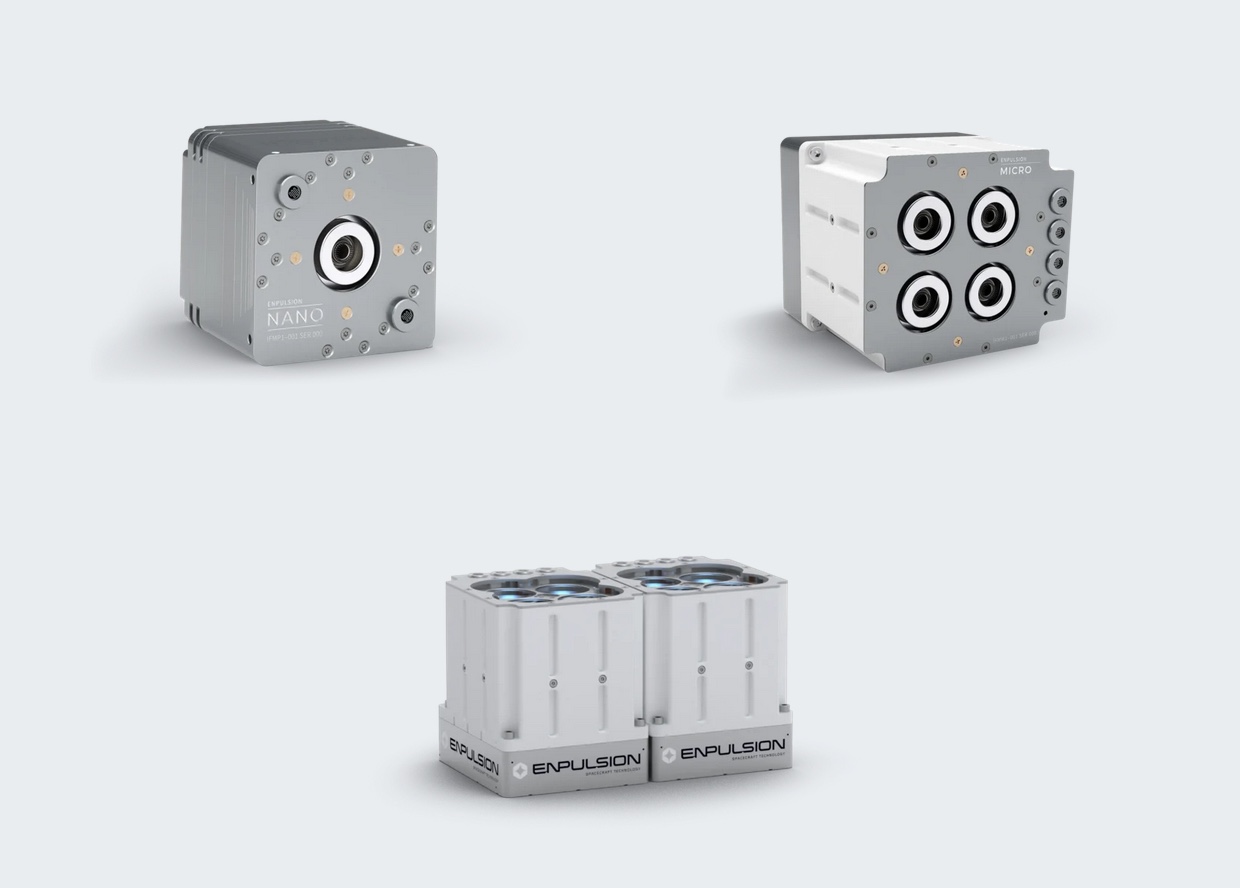
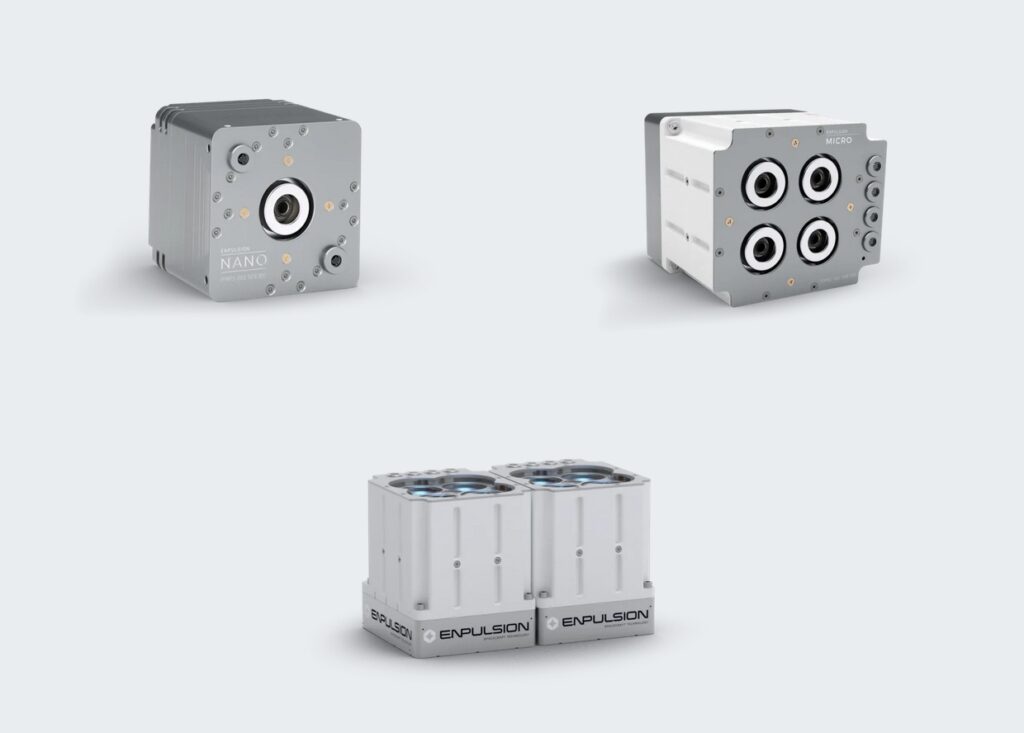
WASHINGTON — Enpulsion, an Austrian company that produces satellite electric propulsion systems, has raised its first significant outside funding to increase production and potentially acquire other companies. Enpulsion announced this
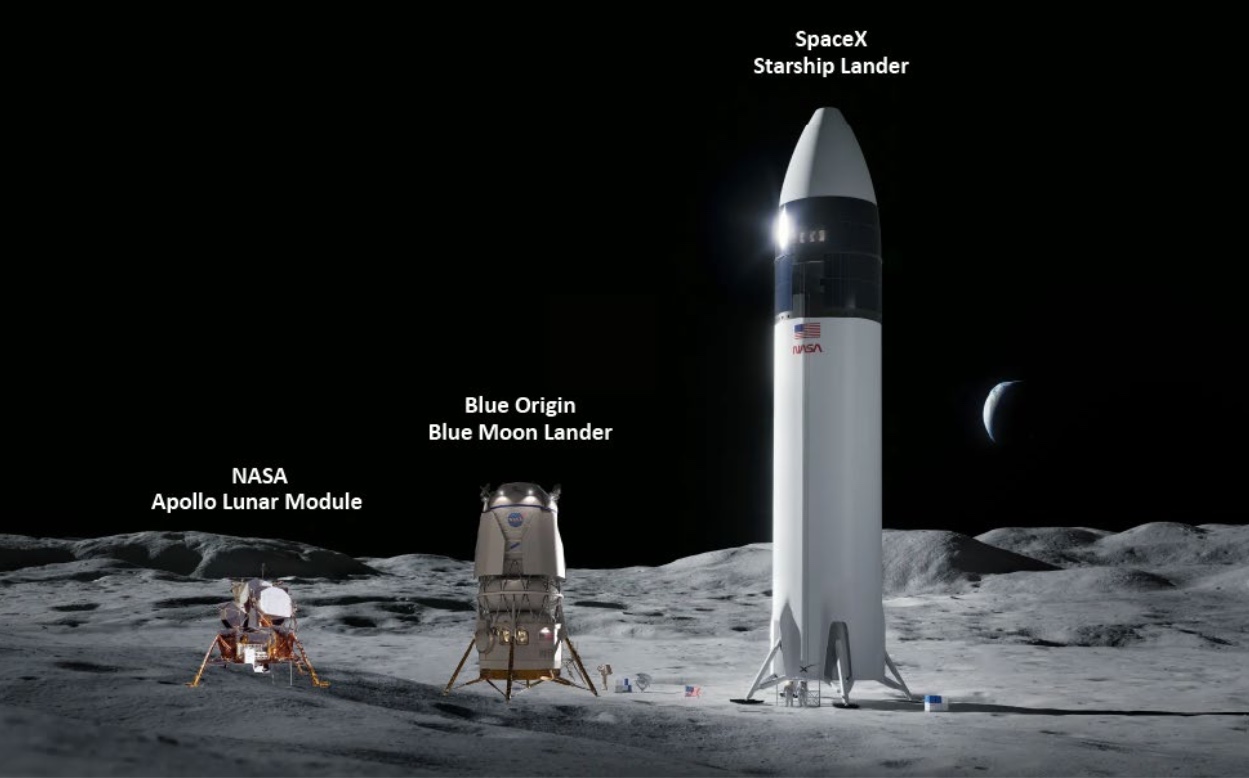
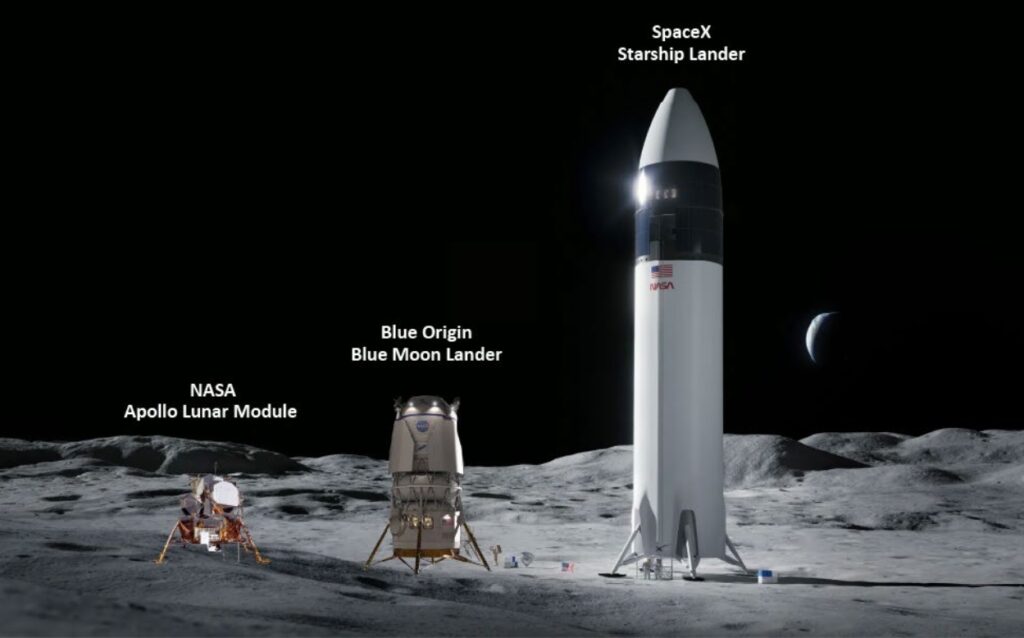
WASHINGTON — NASA’s approach to managing the development of crewed lunar landers for Artemis has successfully controlled costs but not schedule, raising questions about NASA’s desire to accelerate those efforts.
The Viking 1 Lander sampling arm created a number of deep trenches as part of the surface composition and biology experiments on Mars. The digging tool on the sampling arm
NASA’s Artemis II mission, set to send four astronauts on a nearly 10-day mission around the moon and back, will advance the agency’s goal to land astronauts at the moon’s
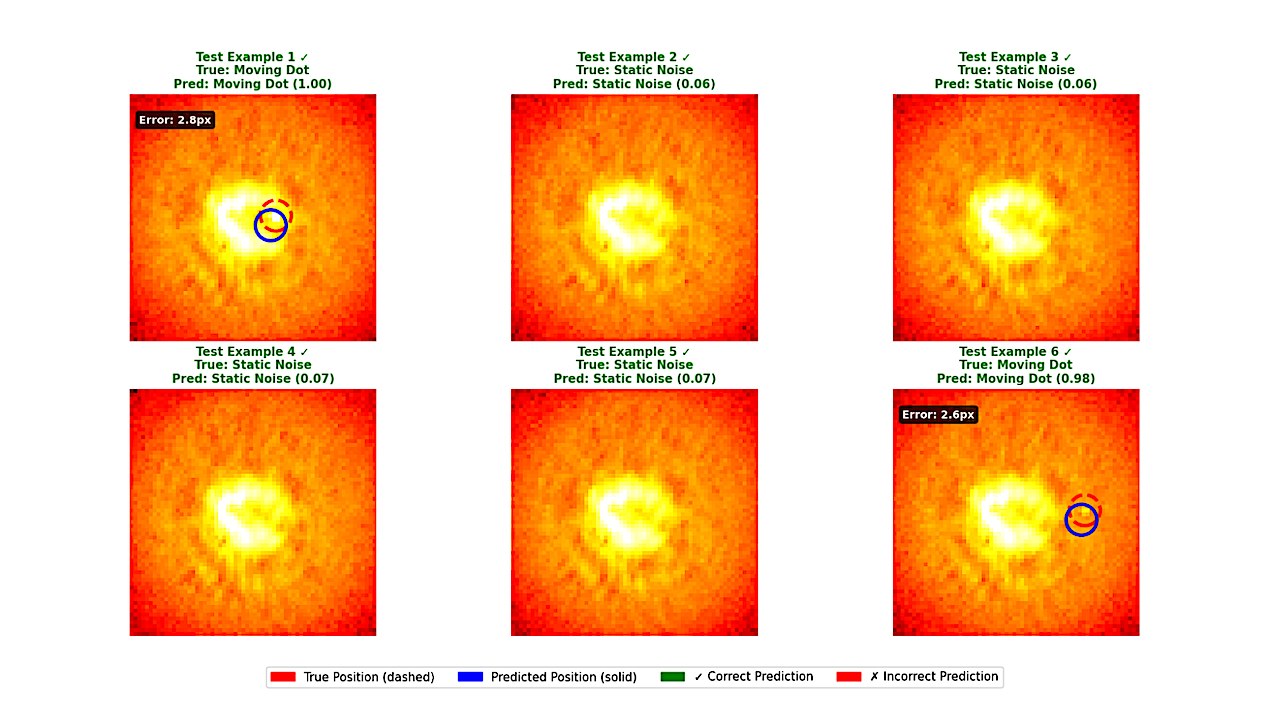
Model prediction on a test sequence from the semi-synthetic TW Hya dataset. The red circle indicates the true position of the injected planet in each frame. In the first frame,
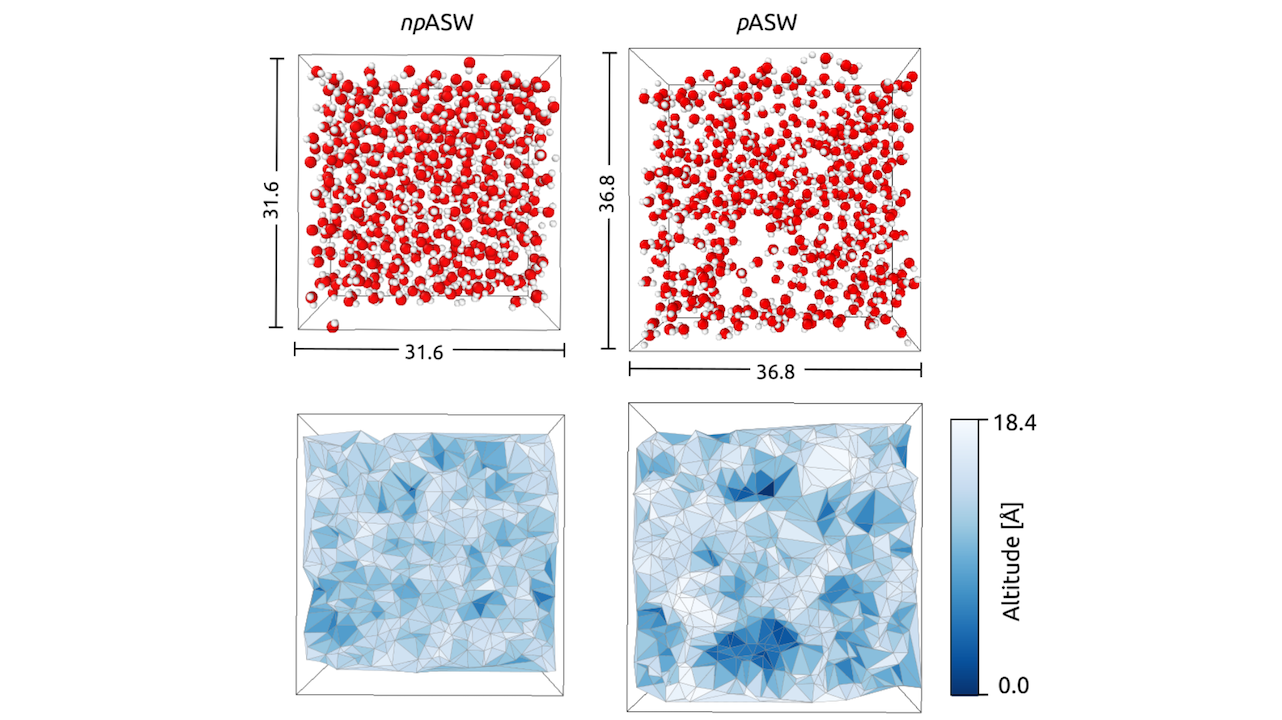
Upper panel: top view of one of the non-porous (npASW) (left) and porous (pASW) ice models. Each periodic surface contains 500 water molecules. Lower panel: altitude plot relative to the
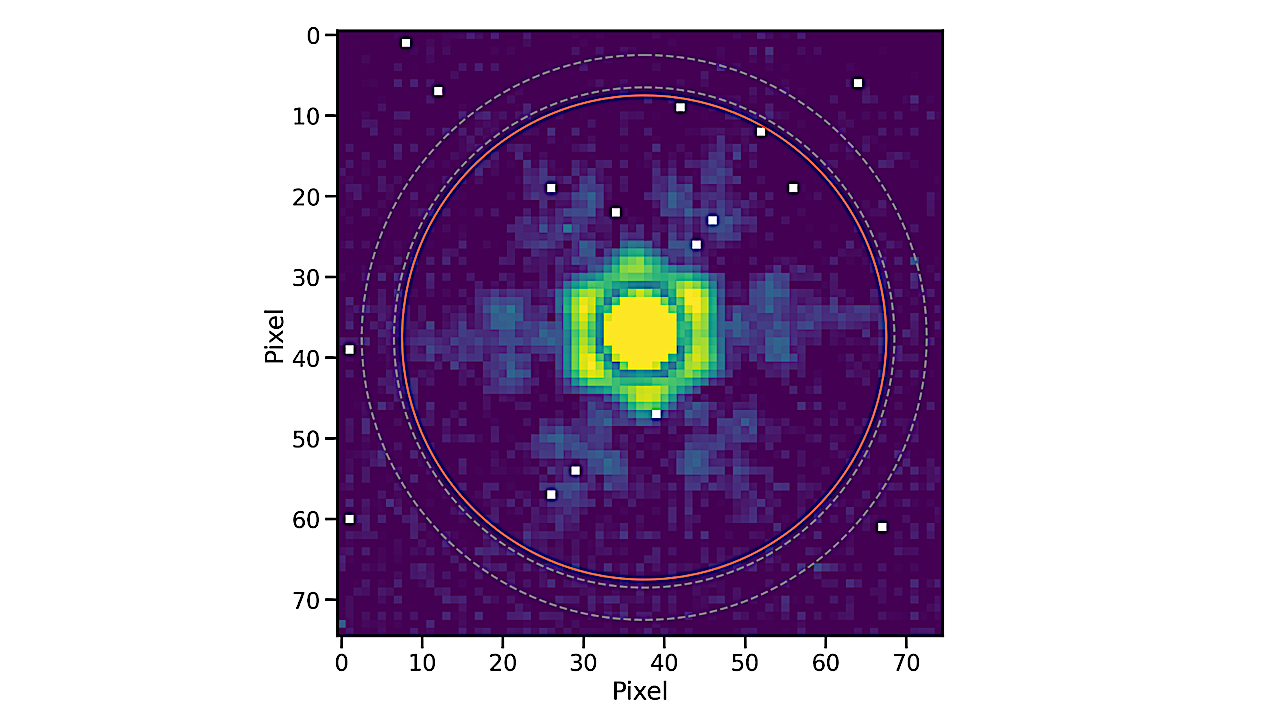
A single MIRI imaging integration of LTT 3780 b, taken from Observation 15, cut from 90 to 165 pixels in each direction of the whole frame. Shown in red is
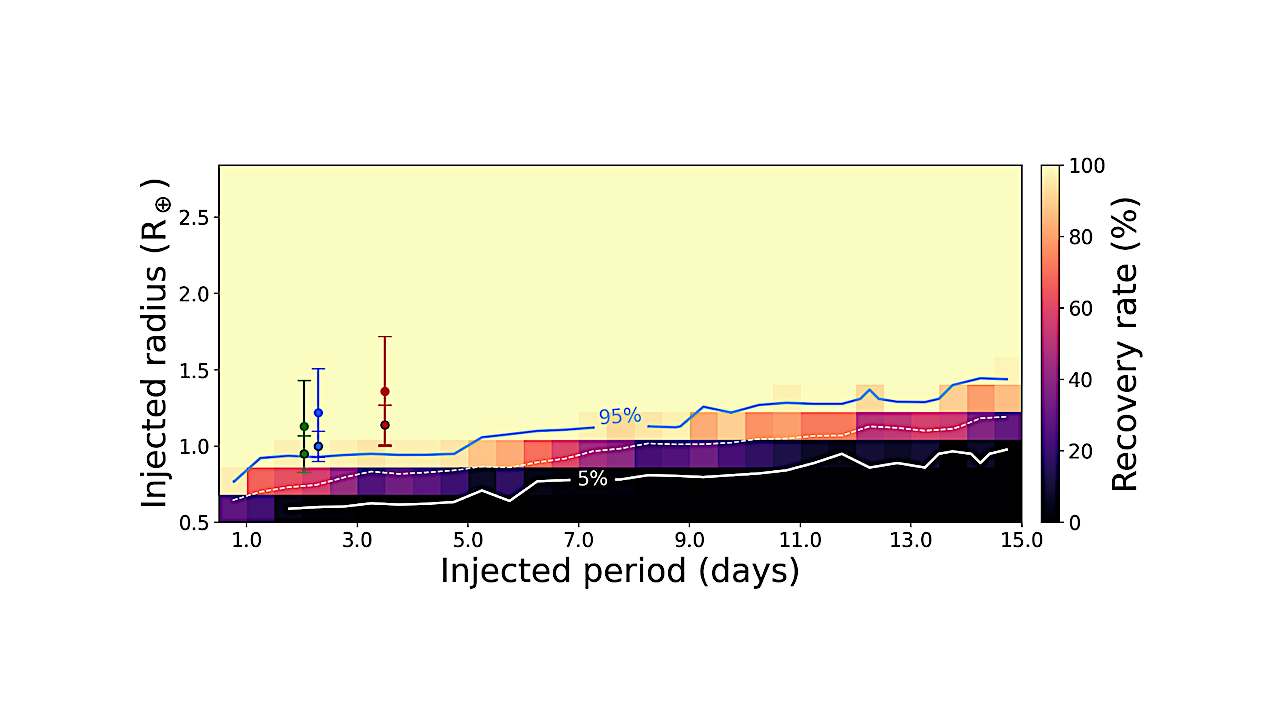
MATRIX injection-and-recovery experiment conducted to establish the detection limits using the ten TESS sectors described in Sect. 3.1. We explored a total of 18000 different scenarios, where each pixel evaluated
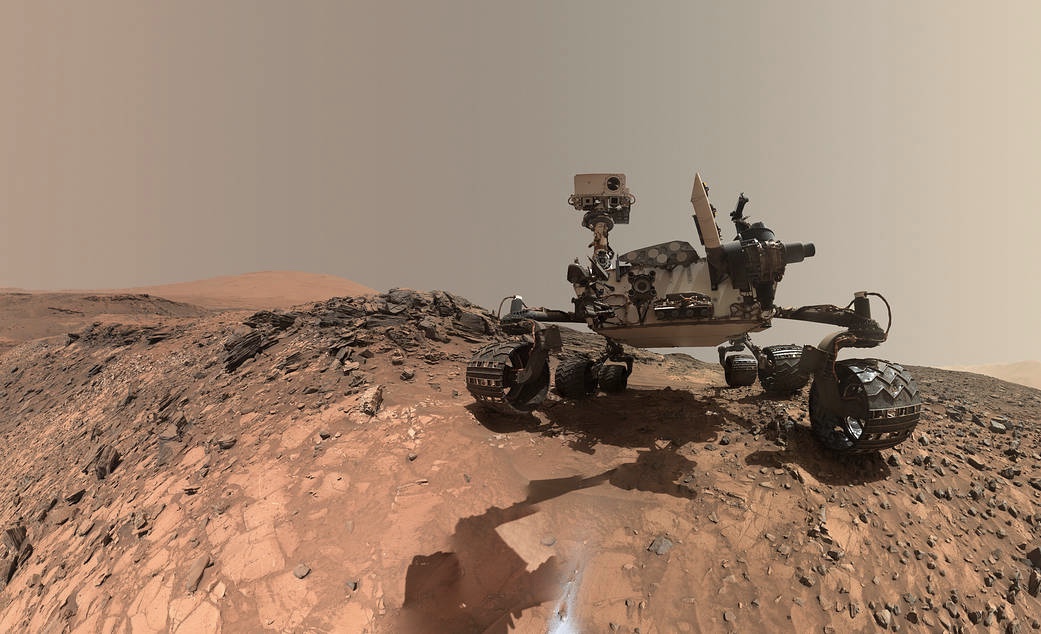
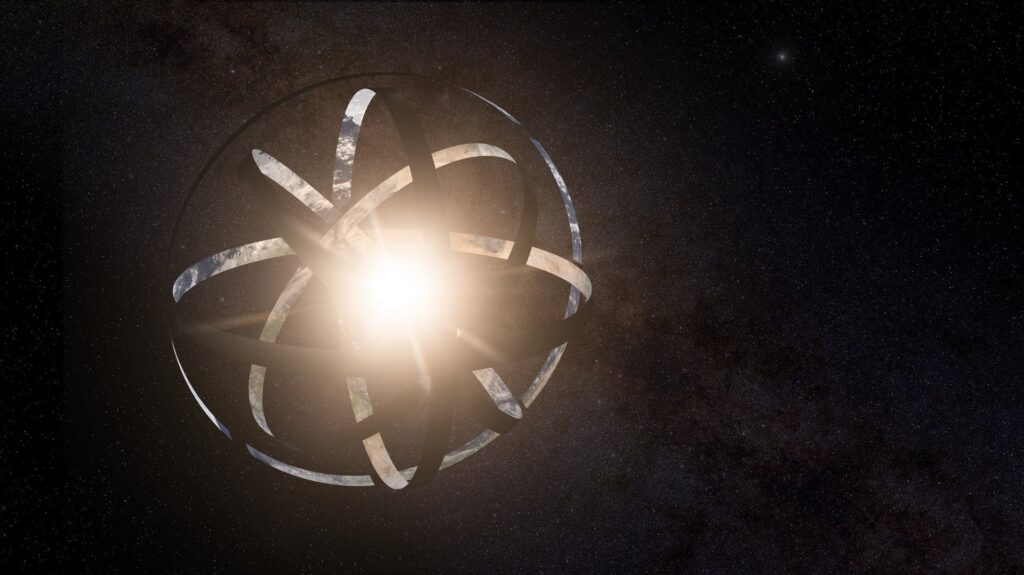
Scientists have taken a close look at our activity within the solar system to determine where to look for signals from intelligent alien life. The findings apply if those extraterrestrials

NASA astronauts Mike Fincke (left) and Zena Cardman photographed during training for their trip to the International Space Station at SpaceX facilities in Florida. Credit: SpaceX NASA astronauts Michael Fincke
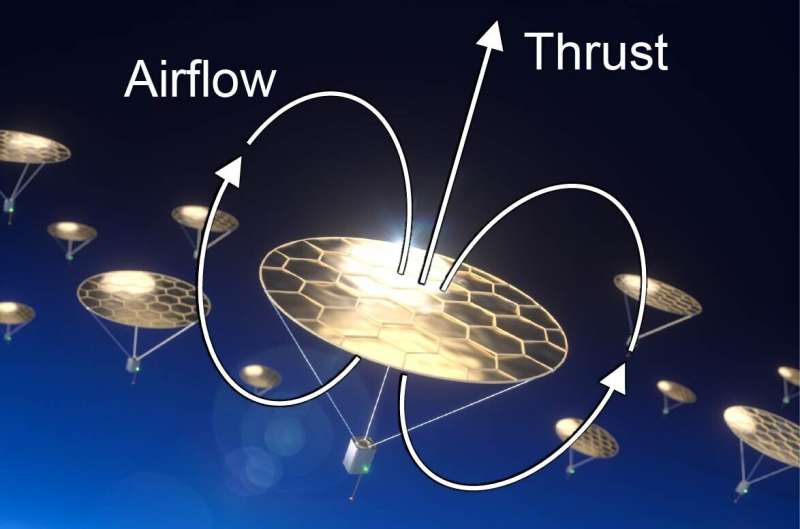
Earth’s atmosphere is large, extending out to around 10,000 km from the surface of the planet. It’s so large, in fact, that scientists break it into five separate sections, and
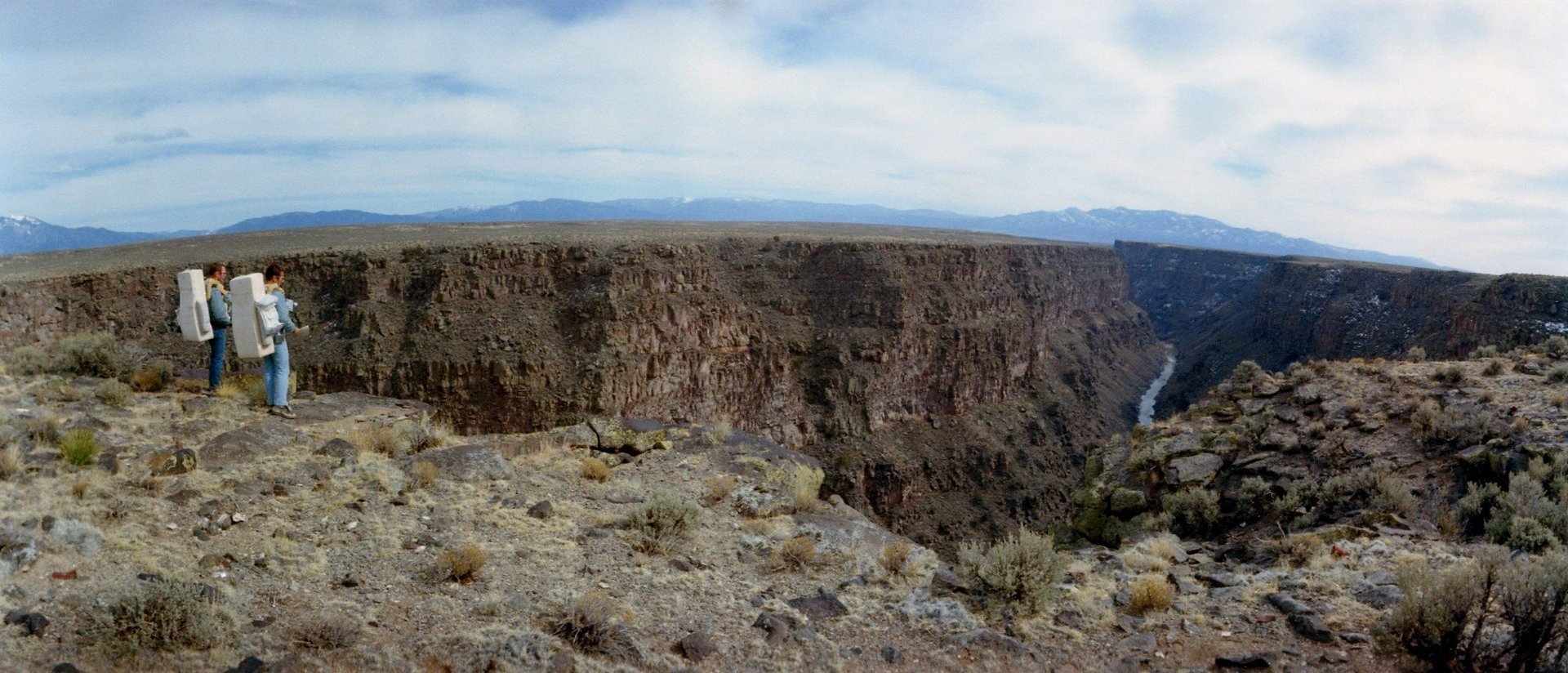
Neil Armstrong almost made a mistake. He had found an interesting rock sticking out of a formation. Curious to see what the rock was made of, he needed to examine