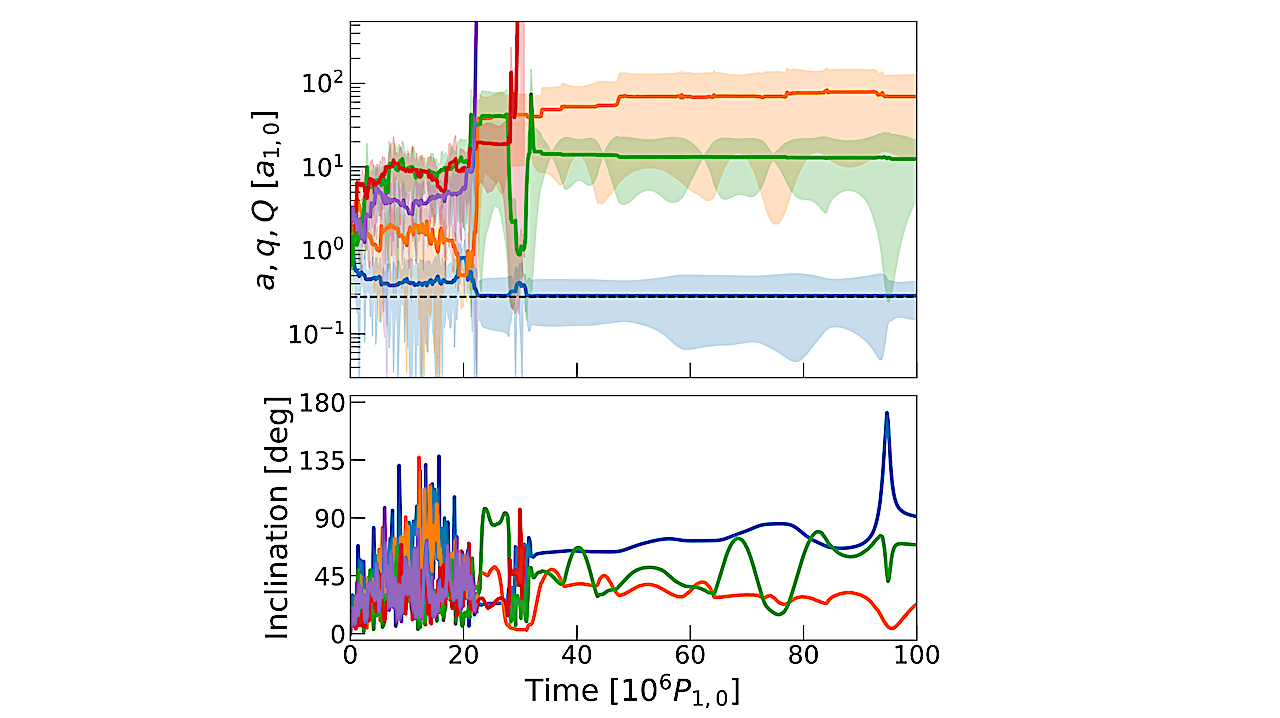
Example evolution of an unstable system with 5 one-Neptune-mass planets. Top: the semi-major axes of individual planets are plotted as solid lines. Orbits’ radial extents between pericenter and apocenter are


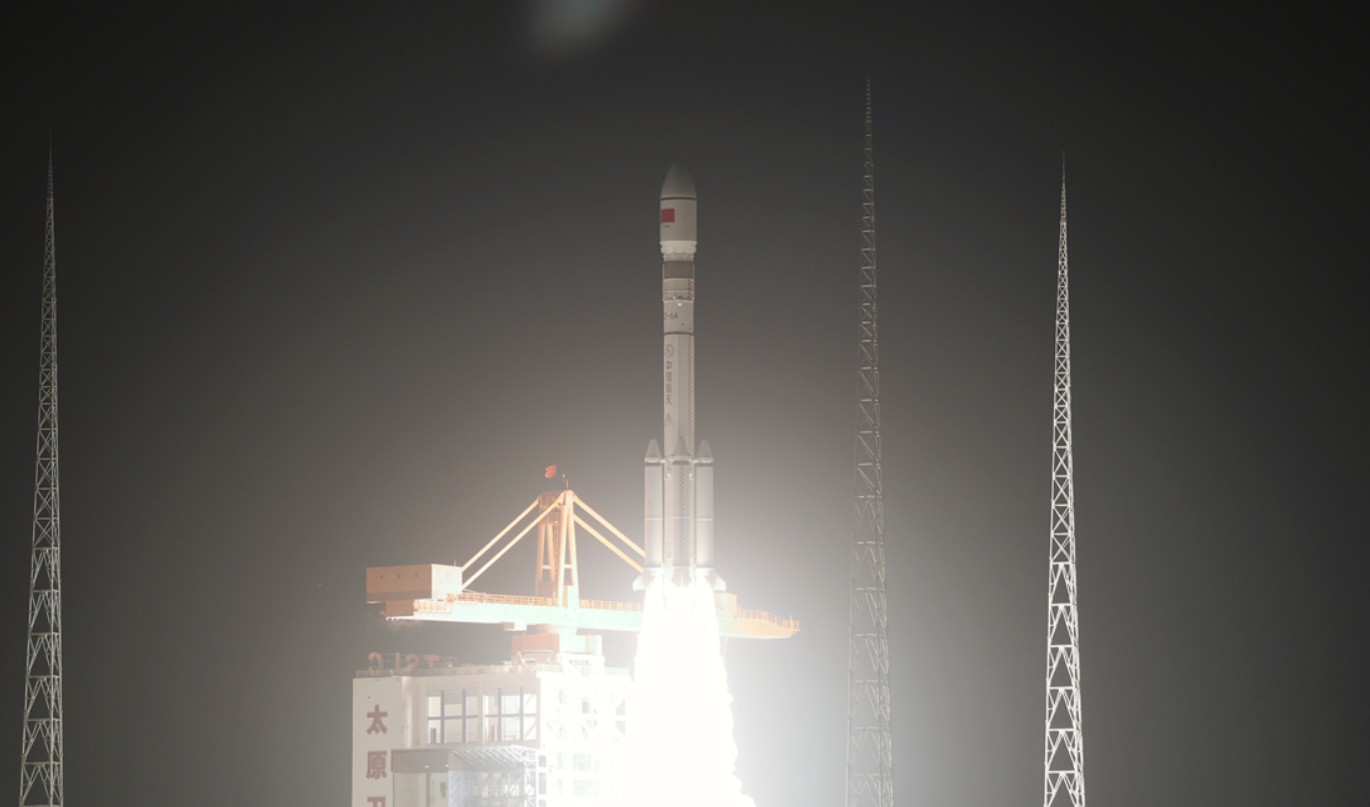
HELSINKI — China conducted a pair of launches Sunday, sending a second Yaogan-50 satellite into a highly retrograde orbit and completing a Kuaizhou-11 solid rocket rideshare mission. The country is
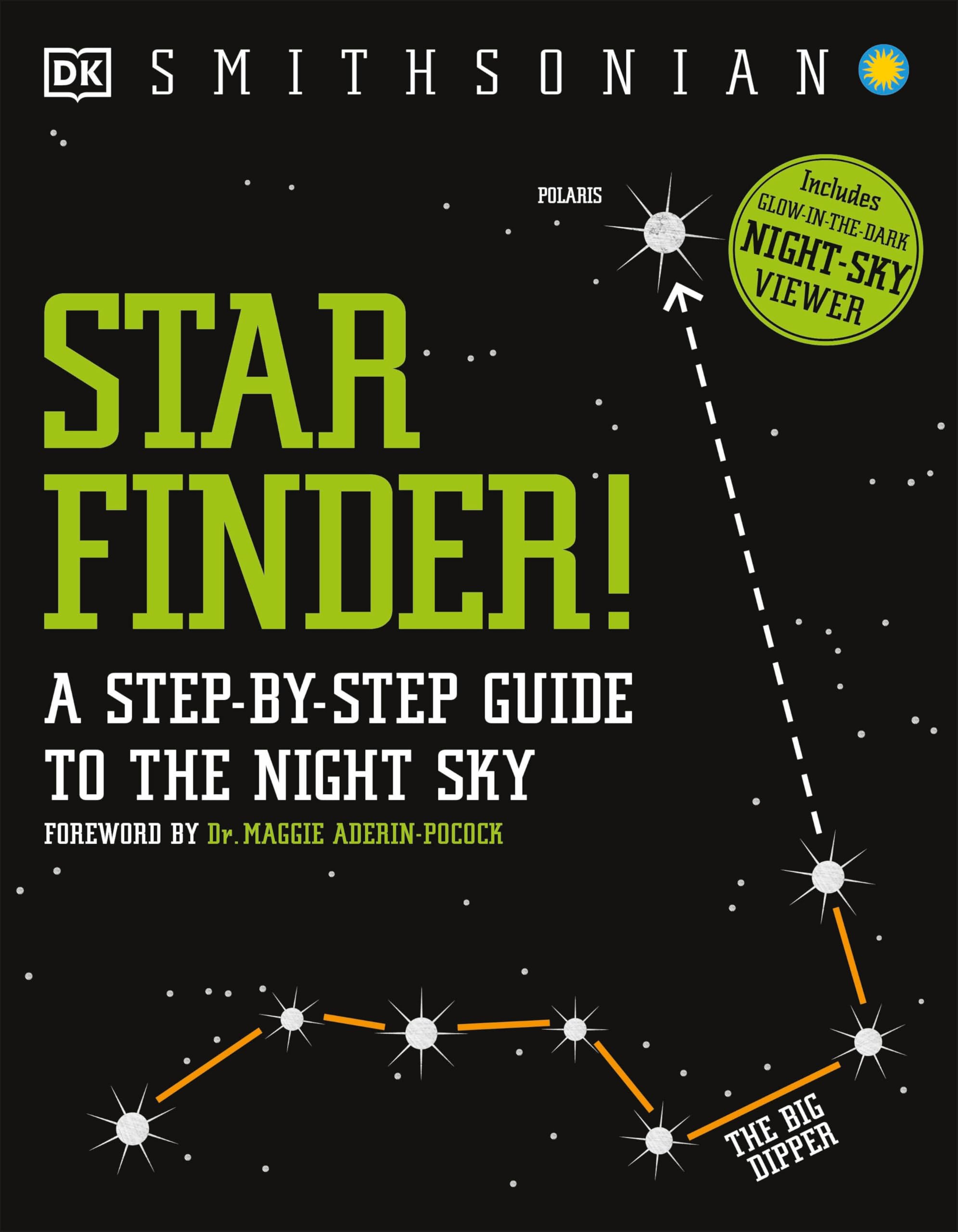
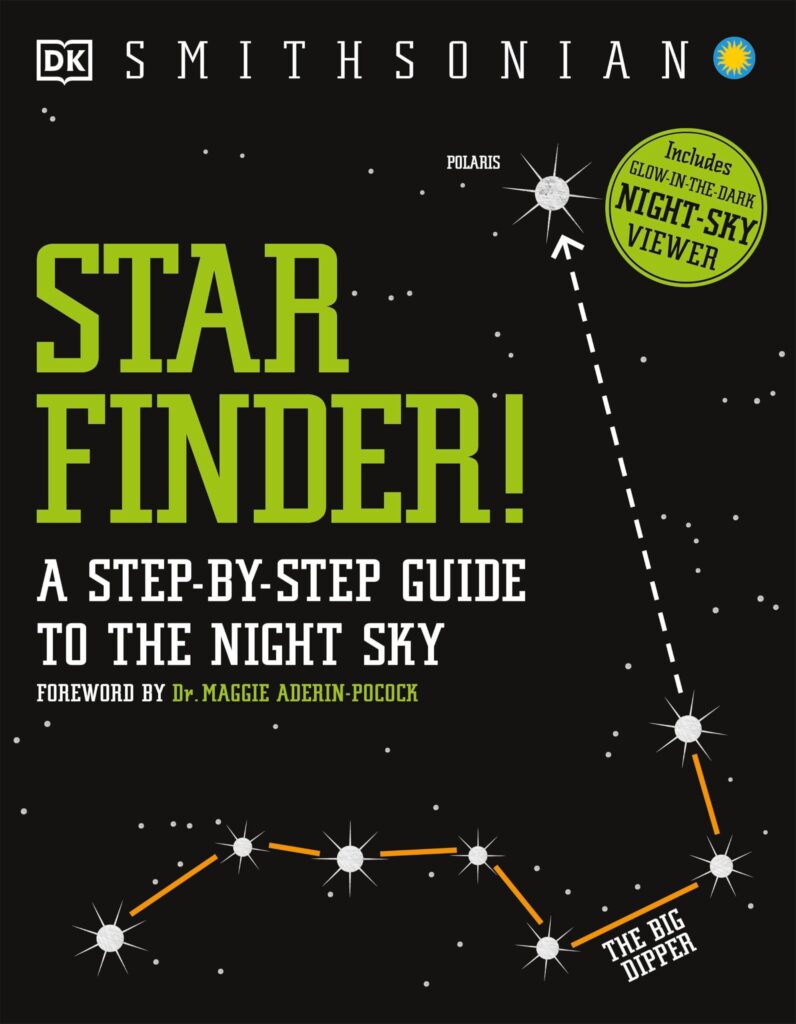
If you’ve ever gazed up at the night sky and felt a spark of curiosity, then “Star Finder!: A Step-by-Step Guide to the Night Sky” is your ticket to an
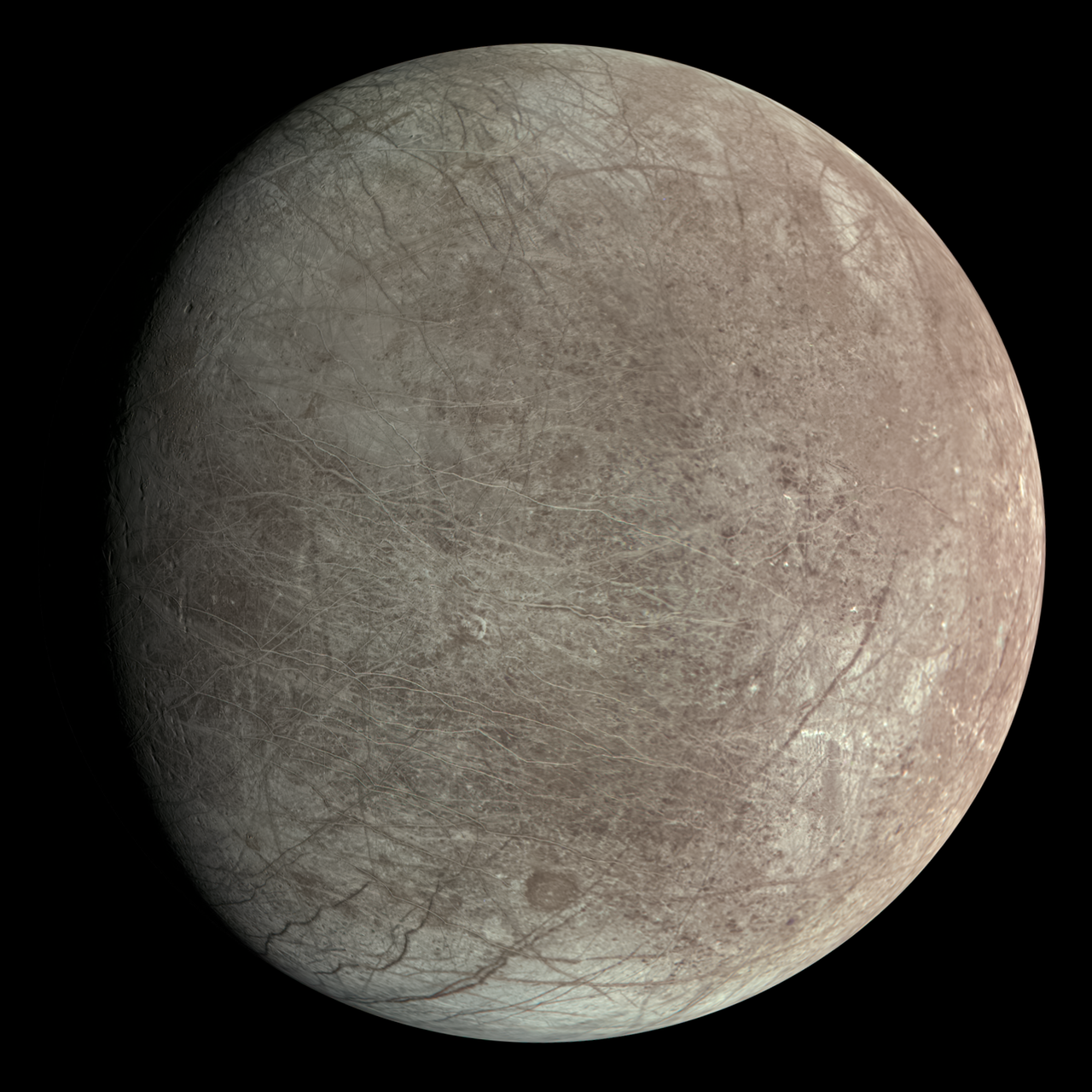
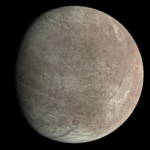
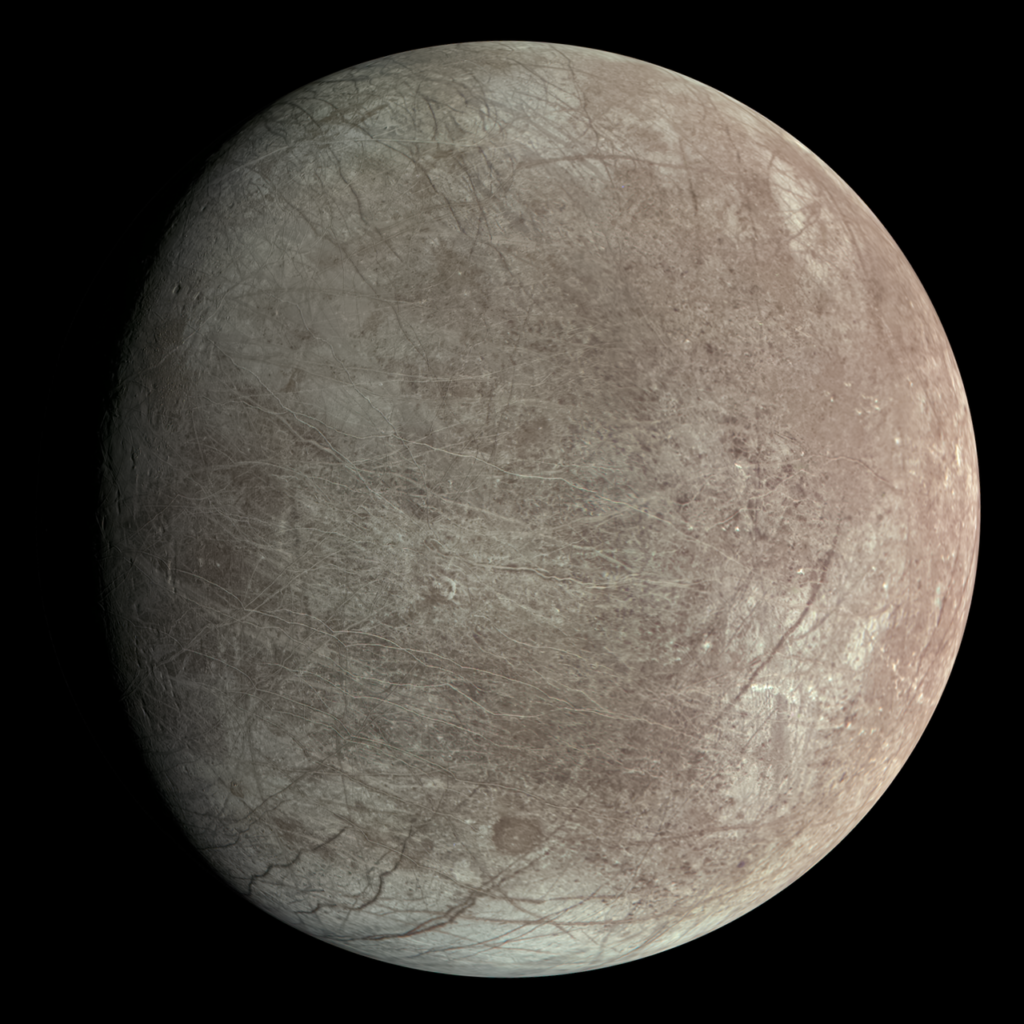
Beneath Europa’s cracked and frozen shell lies a vast ocean of liquid water and what’s seeping up through that ice may be one of the most compelling clues we have
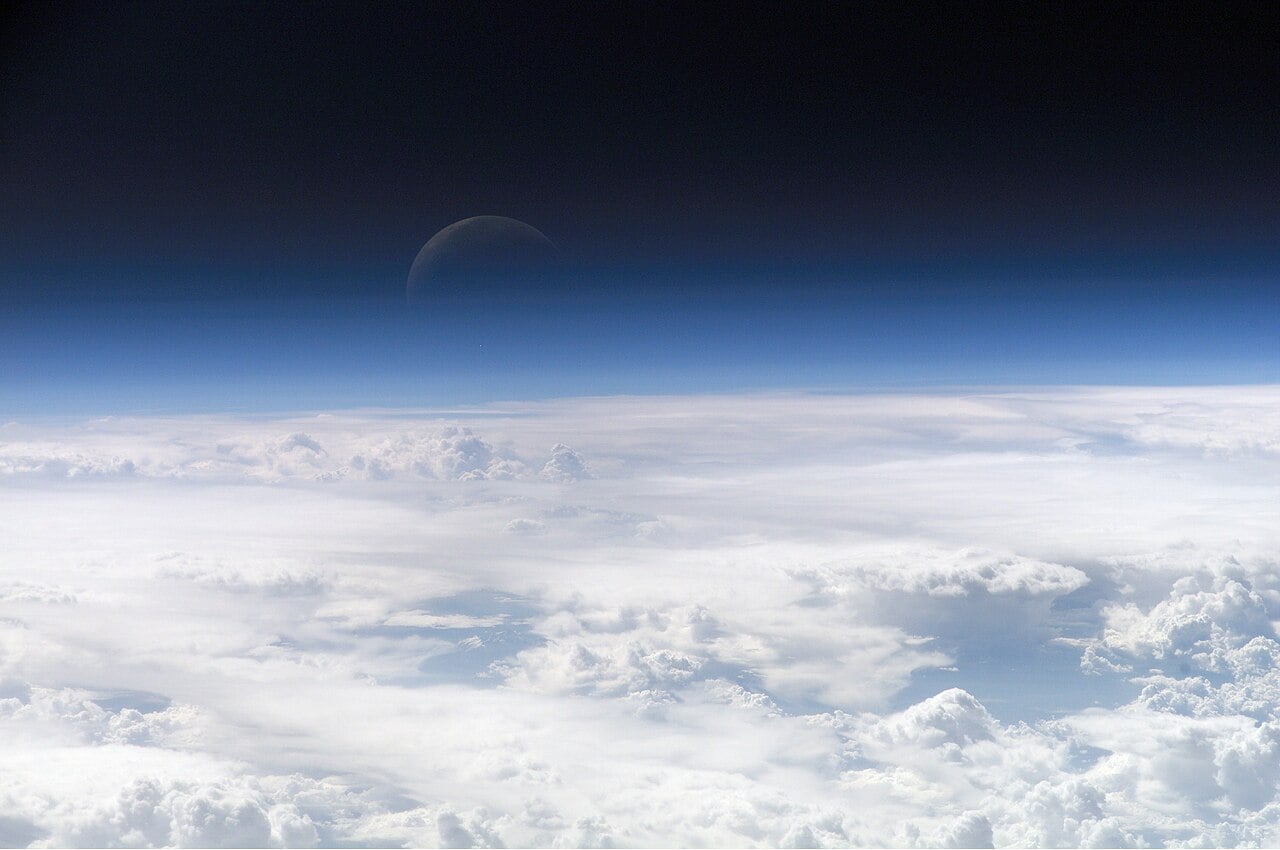
For sixty years, the search for life beyond Earth has been built on the single assumption that alien life will look enough like us to recognise. A radical new idea
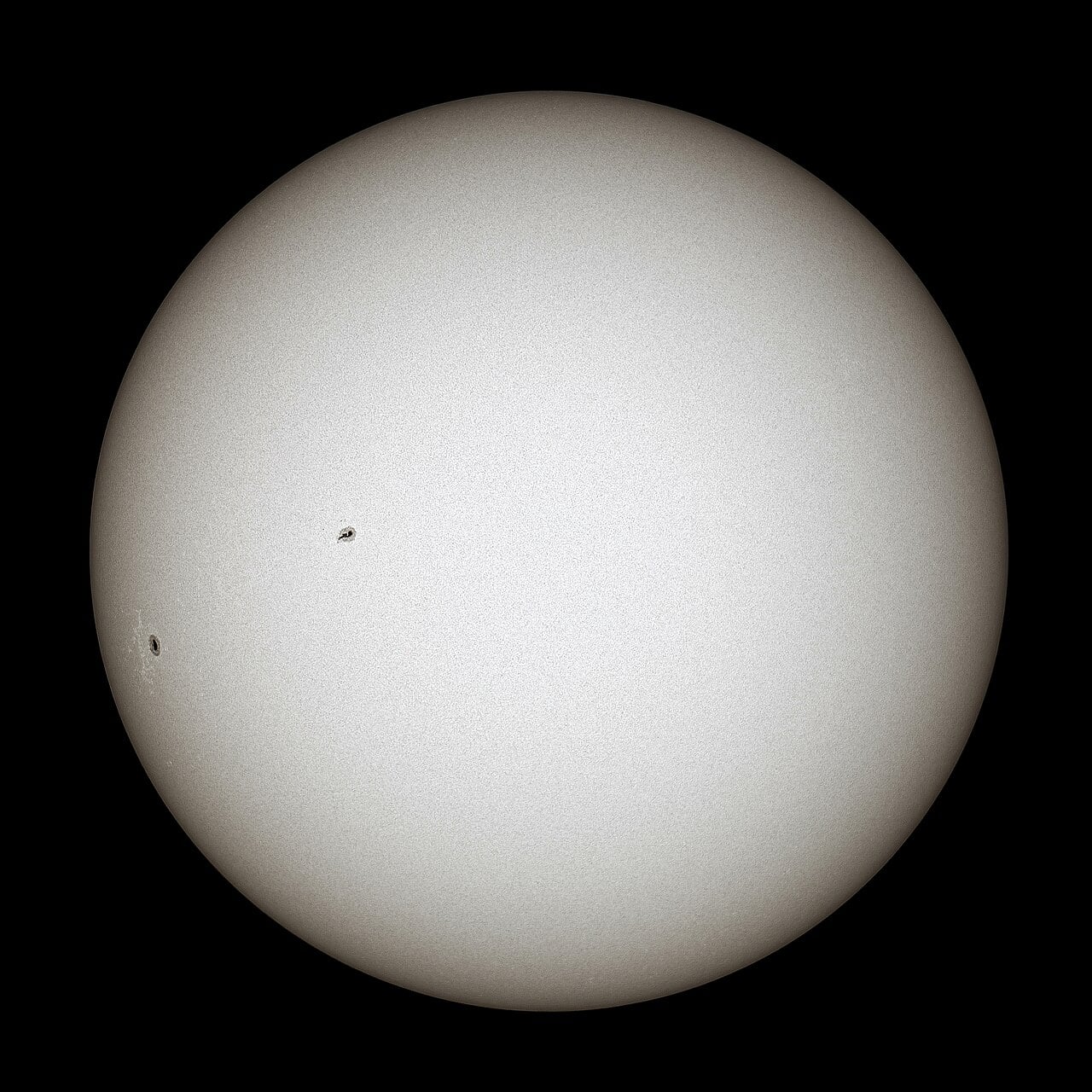
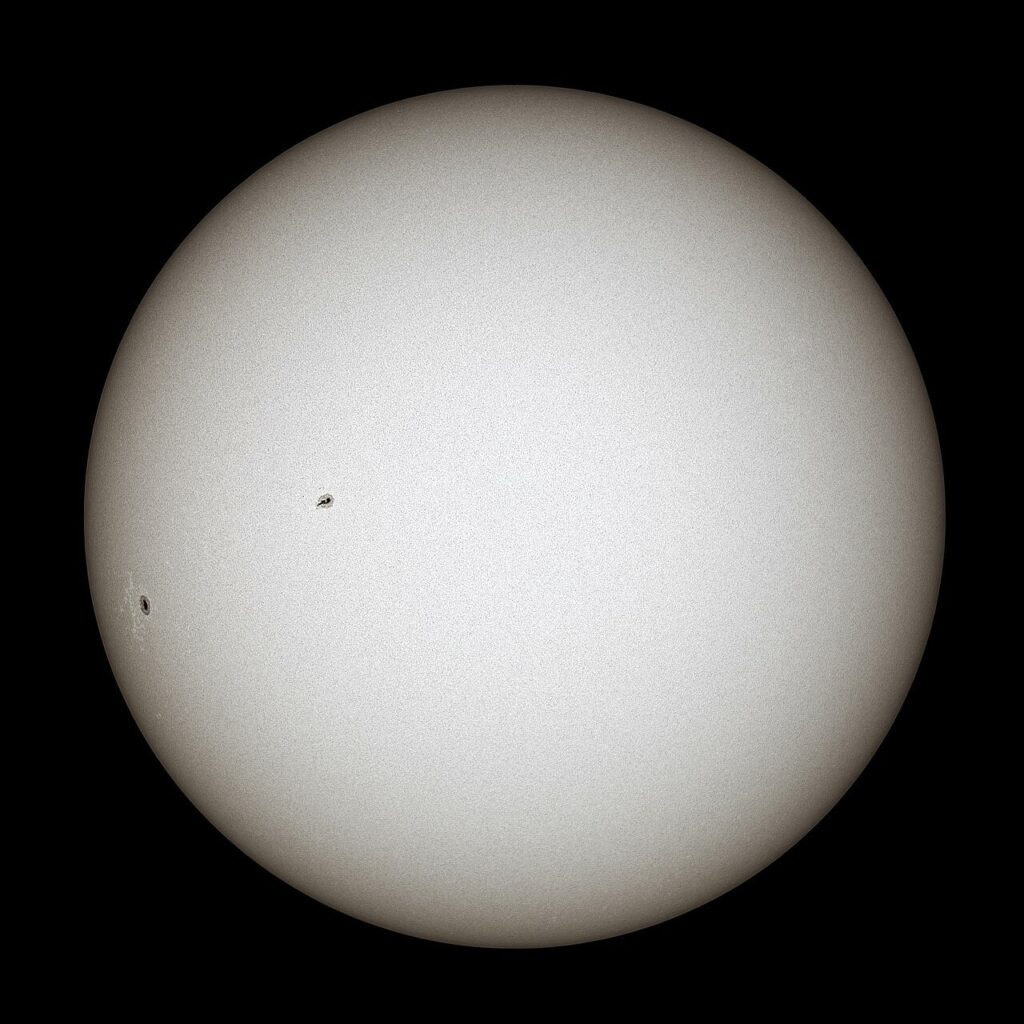
Our Sun didn’t always call this quiet corner of the Milky Way home. New research using data from the European Space Agency’s Gaia satellite has uncovered evidence that the Sun
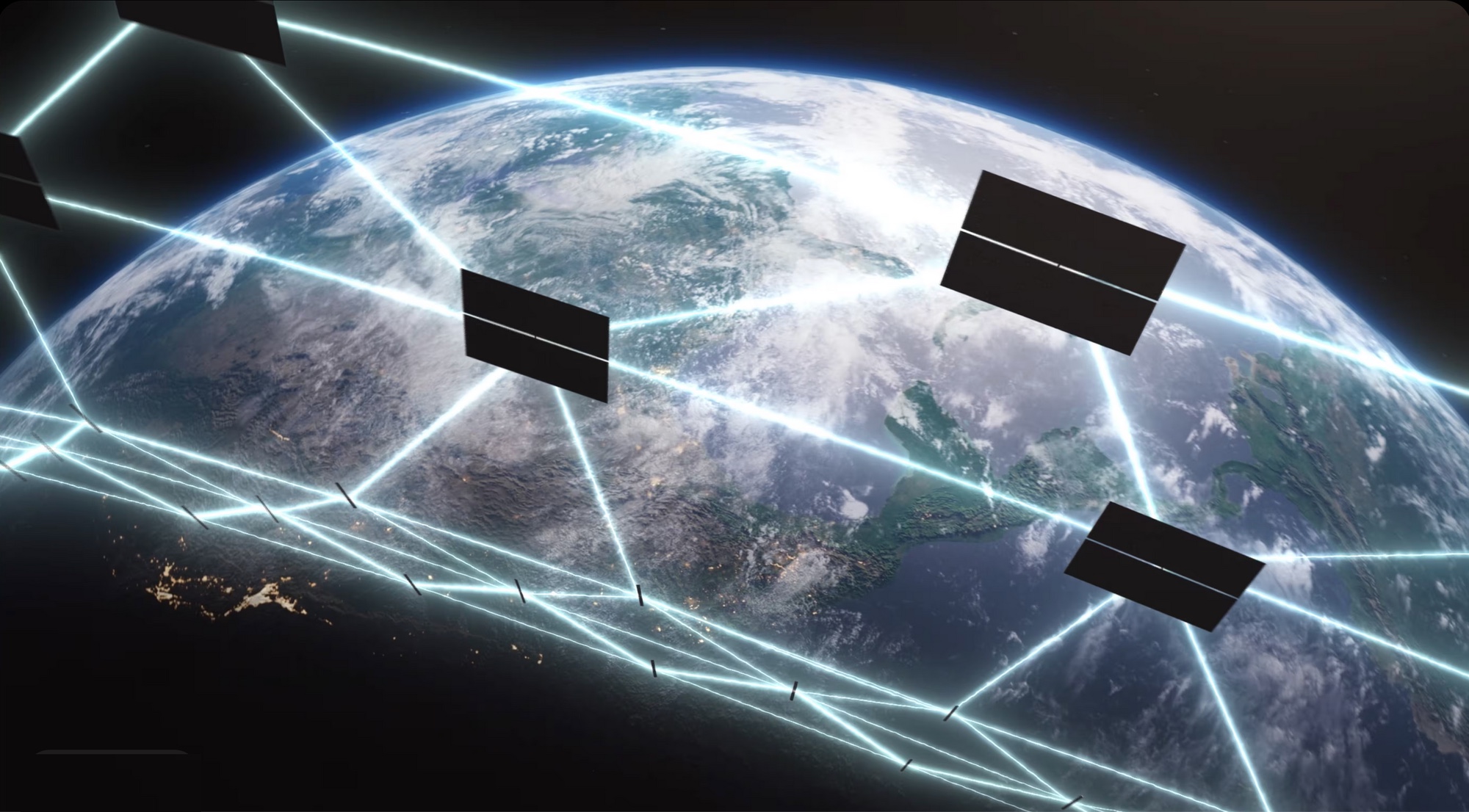
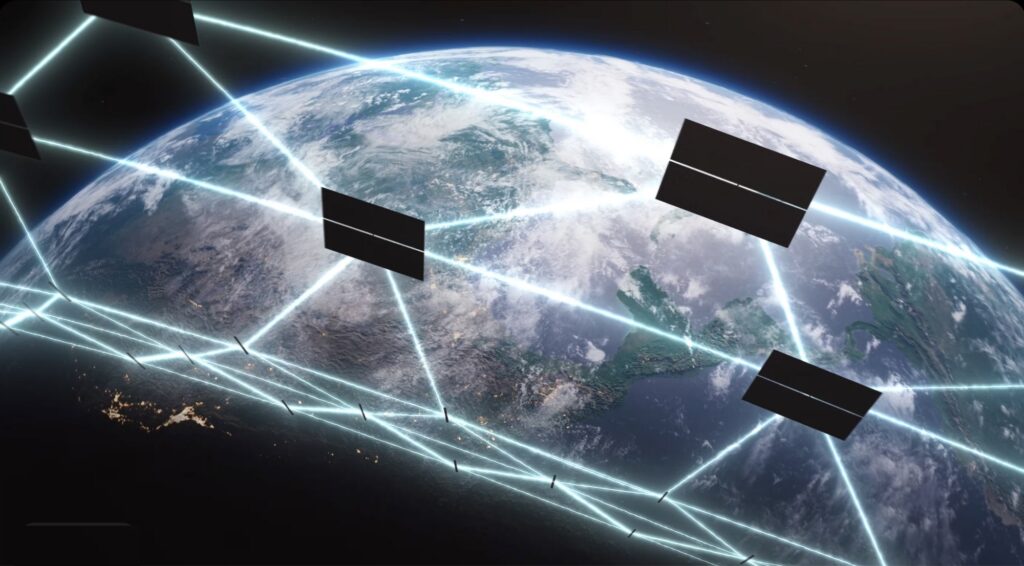
WASHINGTON — An orbital data center startup is seeking approval from the Federal Communications Commission for a constellation of as many as 88,000 satellites. The FCC accepted for filing March
Example evolution of an unstable system with 5 one-Neptune-mass planets. Top: the semi-major axes of individual planets are plotted as solid lines. Orbits’ radial extents between pericenter and apocenter are
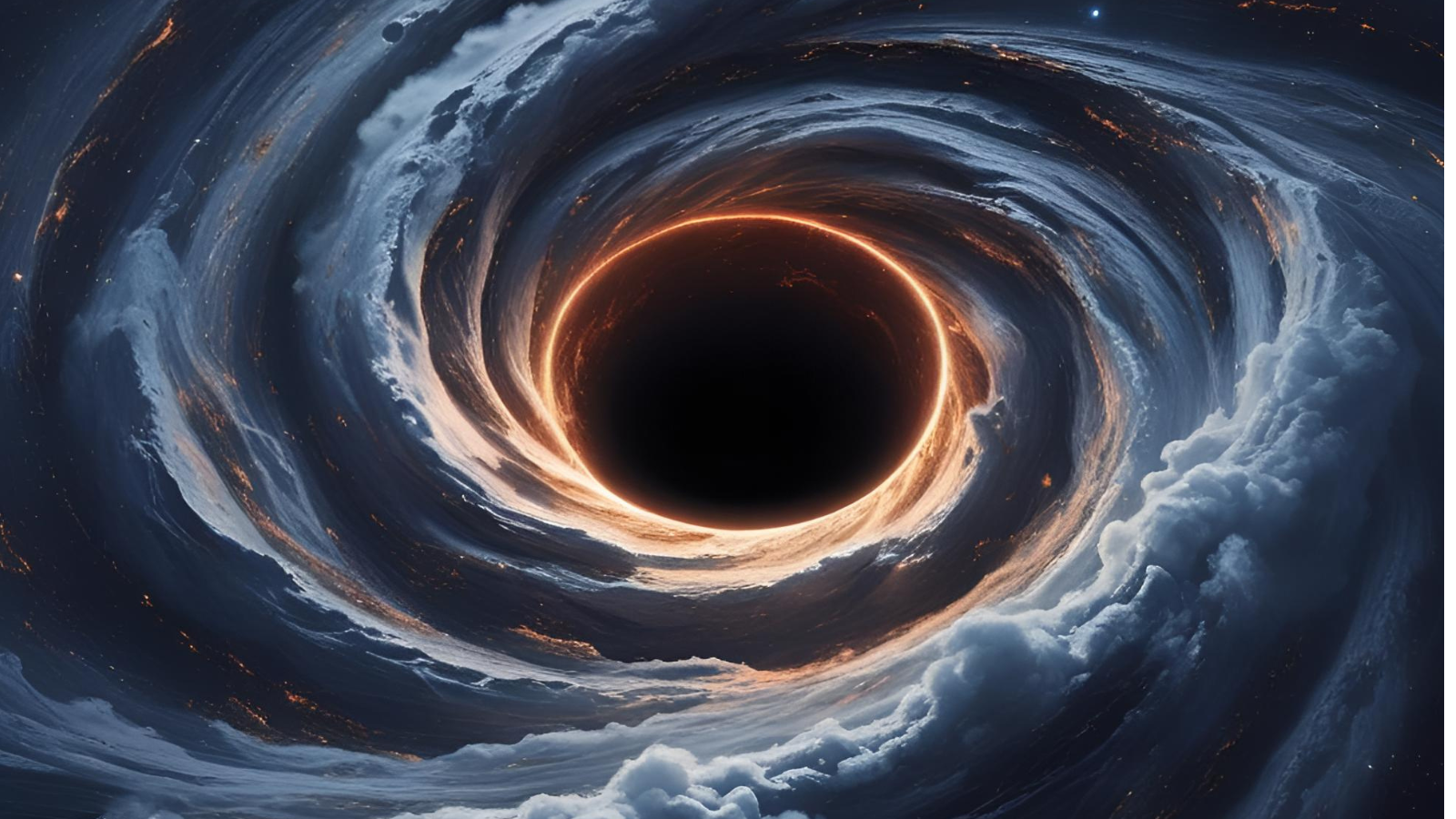
Using the James Webb Space Telescope (JWST), astronomers have discovered an oddball galaxy, dubbed the Infinity Galaxy, that could be host to a “direct collapse black hole.” That is, a
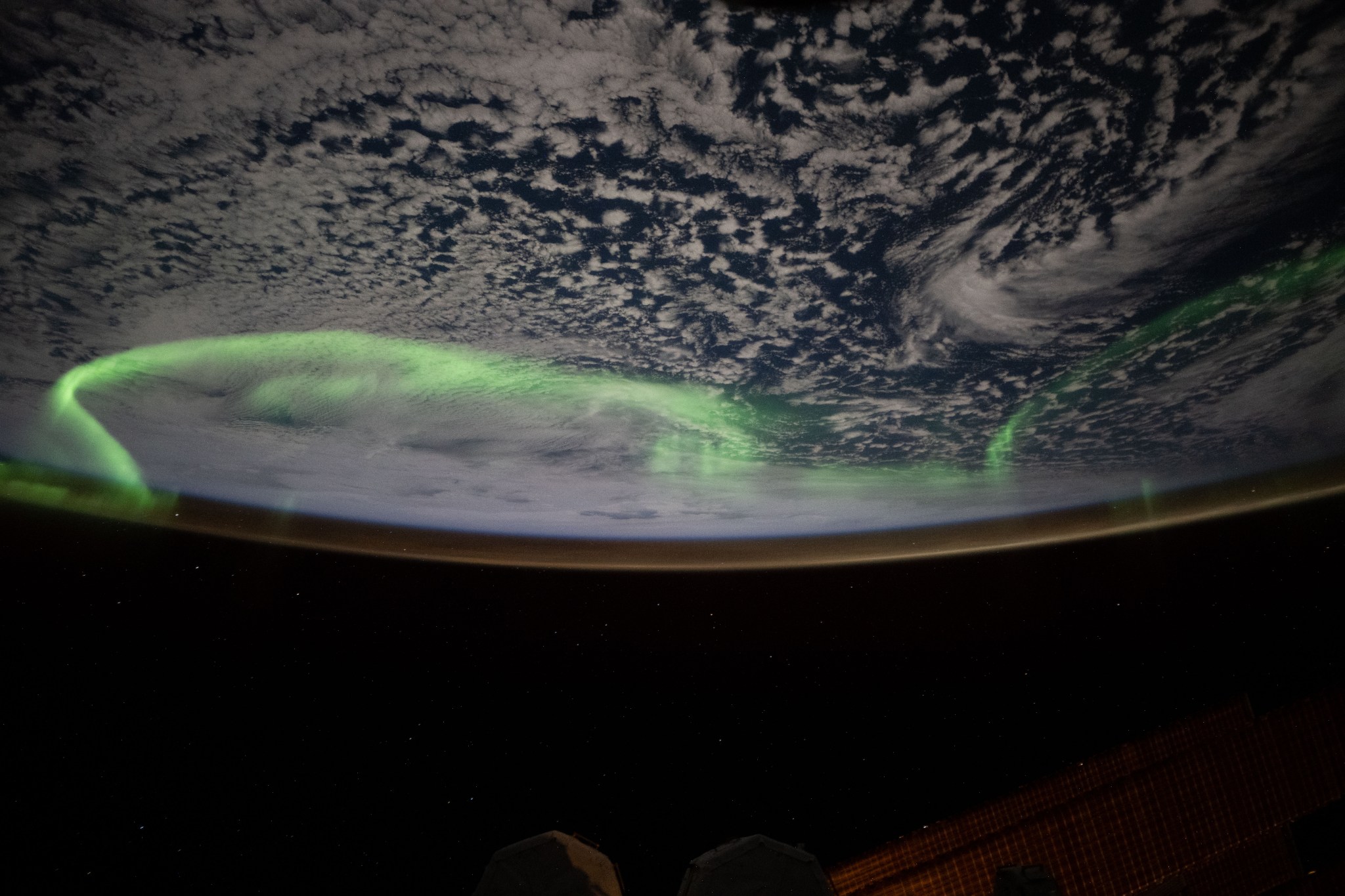
NASA/Nichole Ayers The aurora australis arcs above a partly cloudy Indian Ocean in this photograph from the International Space Station as it orbited 269 miles above in between Australia and
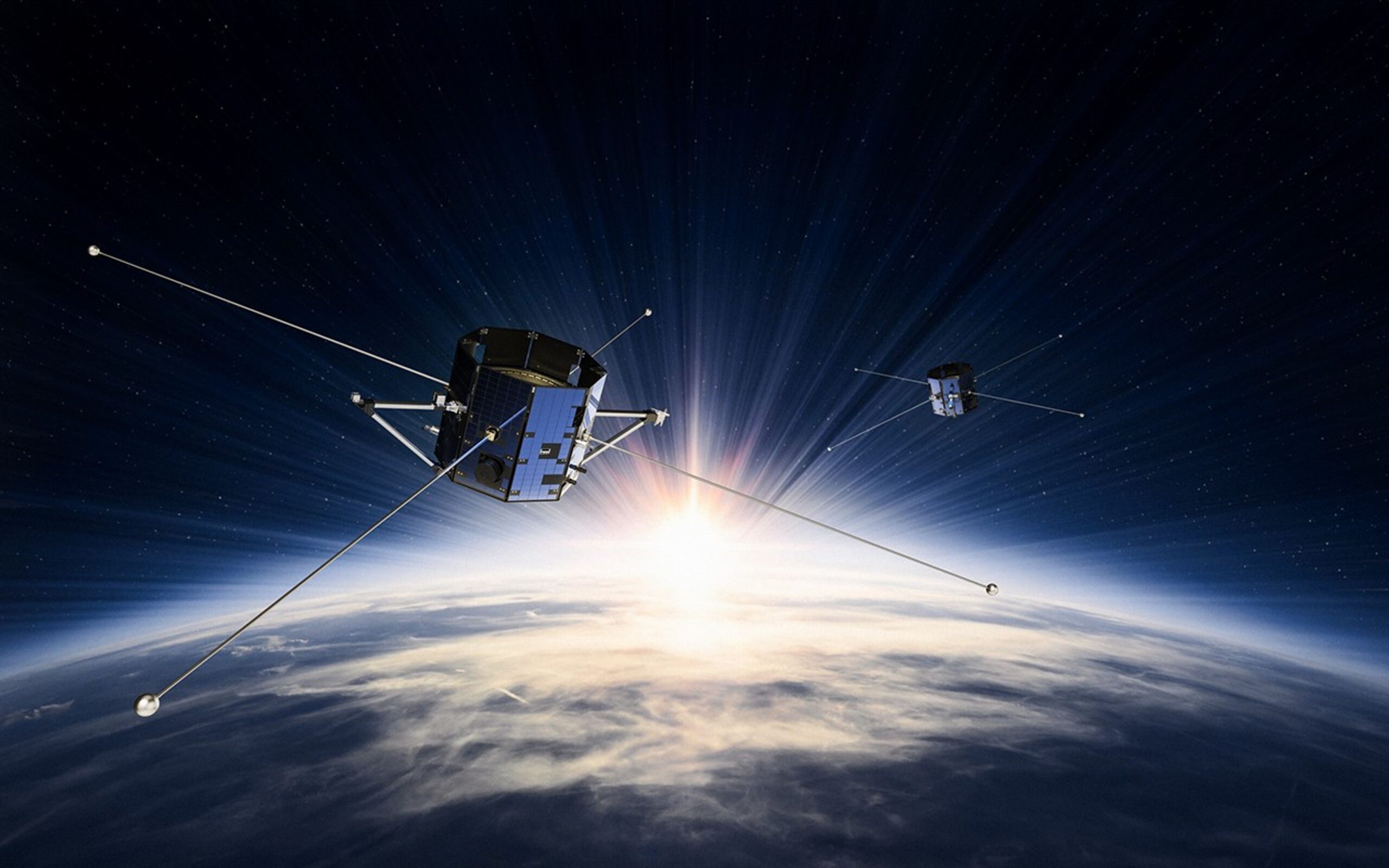
6 Min Read NASA’s TRACERS Studies Explosive Process in Earth’s Magnetic Shield High above us, particles from the Sun hurtle toward Earth, colliding with the upper atmosphere and creating powerful
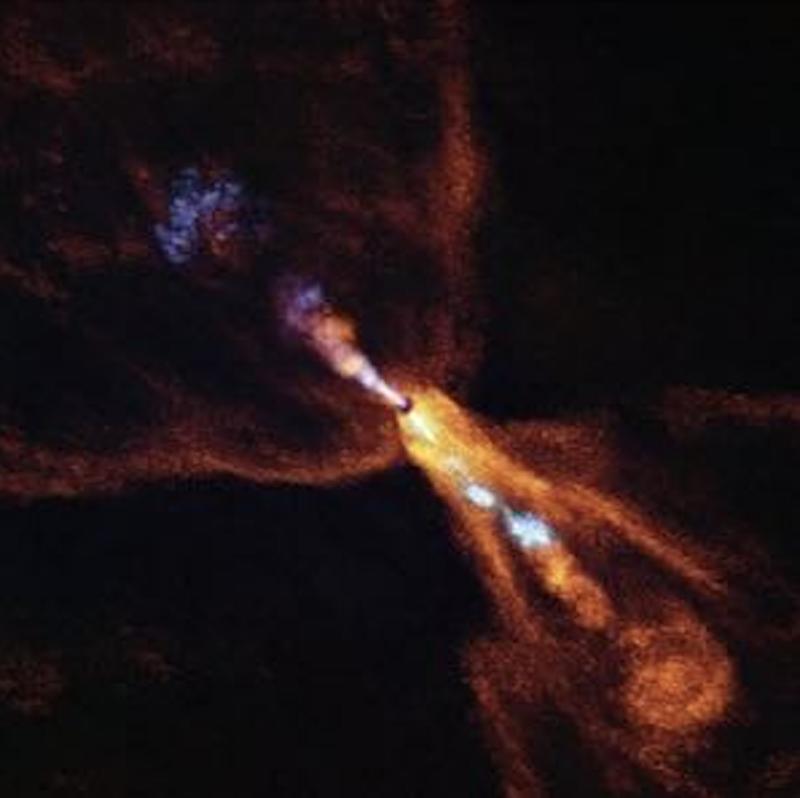
Astronomers have, for the first time, caught the moment when planets began to form around a distant star. Using the ALMA telescope in Chile and the James Webb Space Telescope,
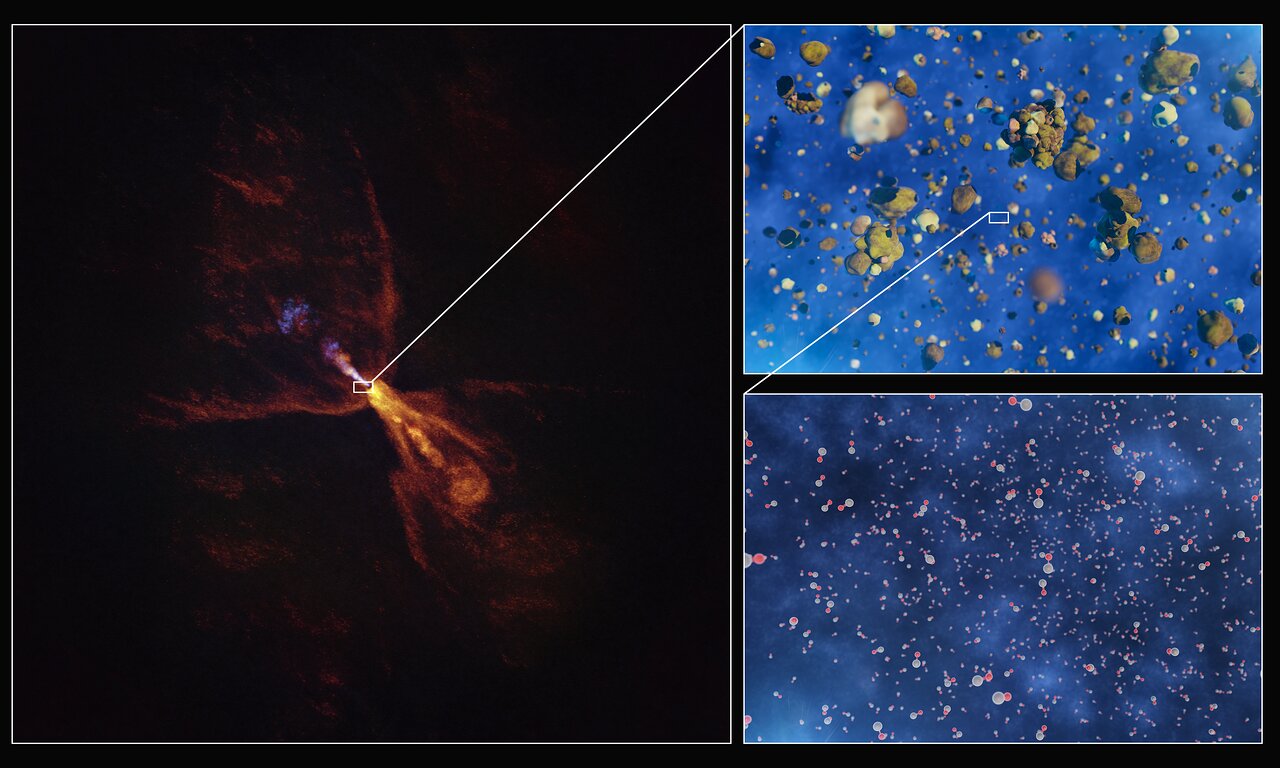
Astronomers have witnessed the birth of a planetary system that could one day resemble the solar system. The discovery offers scientists a proxy to study how our home planetary system
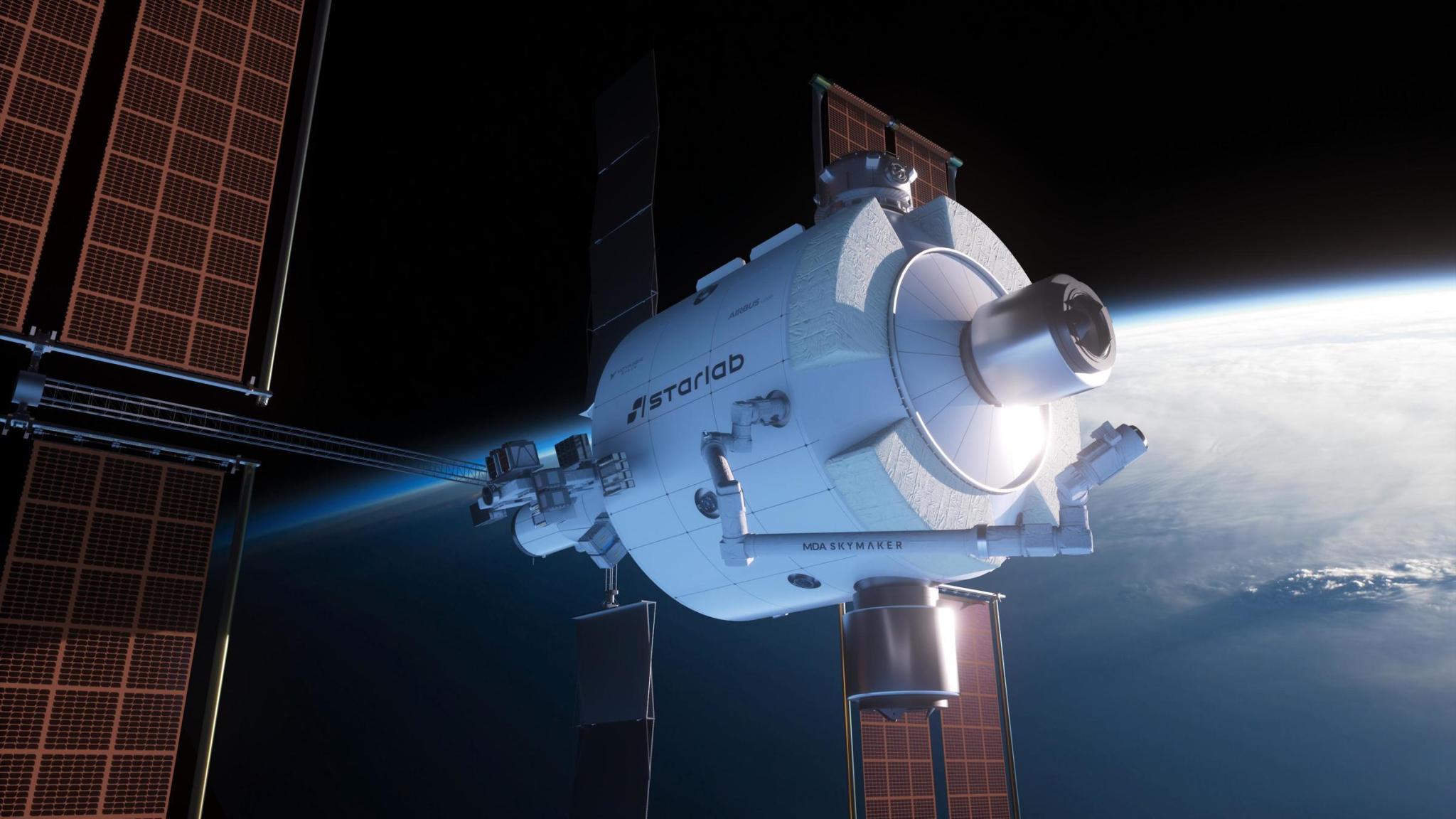
An artist’s concept of the Starlab commercial space station. Starlab As NASA continues its transition toward a commercial low Earth orbit marketplace, an agency-supported commercial space station, Starlab, recently completed
Trans-Neptunian objects (TNO) are some of our solar system’s lesser-known objects. They number in the thousands, and they get their name from their orbits. These dwarf planets orbit the sun
Interstellar objects are visitors from solar systems beyond our own, and the third ever such object, known as 3I/ATLAS, has just been discovered. Using the Gemini North telescope, astronomers have
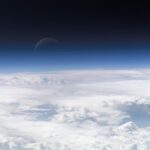
View of Earth as seen by ESA project astronaut Sławosz Uznański-Wiśniewski inside the seven-windowed cupola, the International Space Station’s “window to the world.”