
Now Reading: 1 week until a breathtaking blood moon rises over the US during total lunar eclipse 2026
-
01
1 week until a breathtaking blood moon rises over the US during total lunar eclipse 2026

1 week until a breathtaking blood moon rises over the US during total lunar eclipse 2026

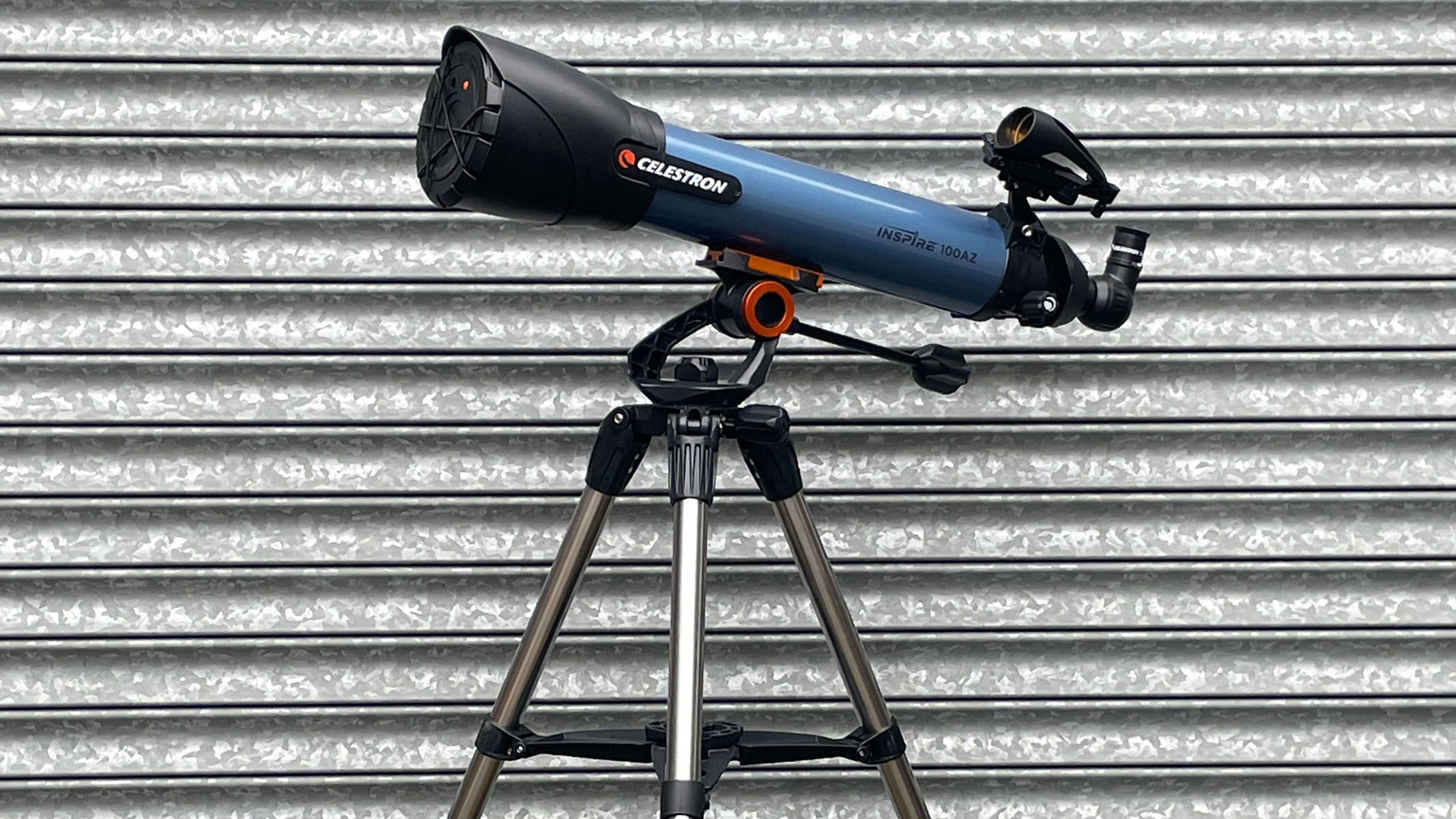
In just one week, a spectacular display of orbital mechanics will be visible to billions of people across the Americas, Asia, and Oceania, as Earth’s shadow sweeps across the lunar disk, triggering the onset of an awe-inspiring ‘blood moon’ total lunar eclipse.
Celestron Inspire 100AZ
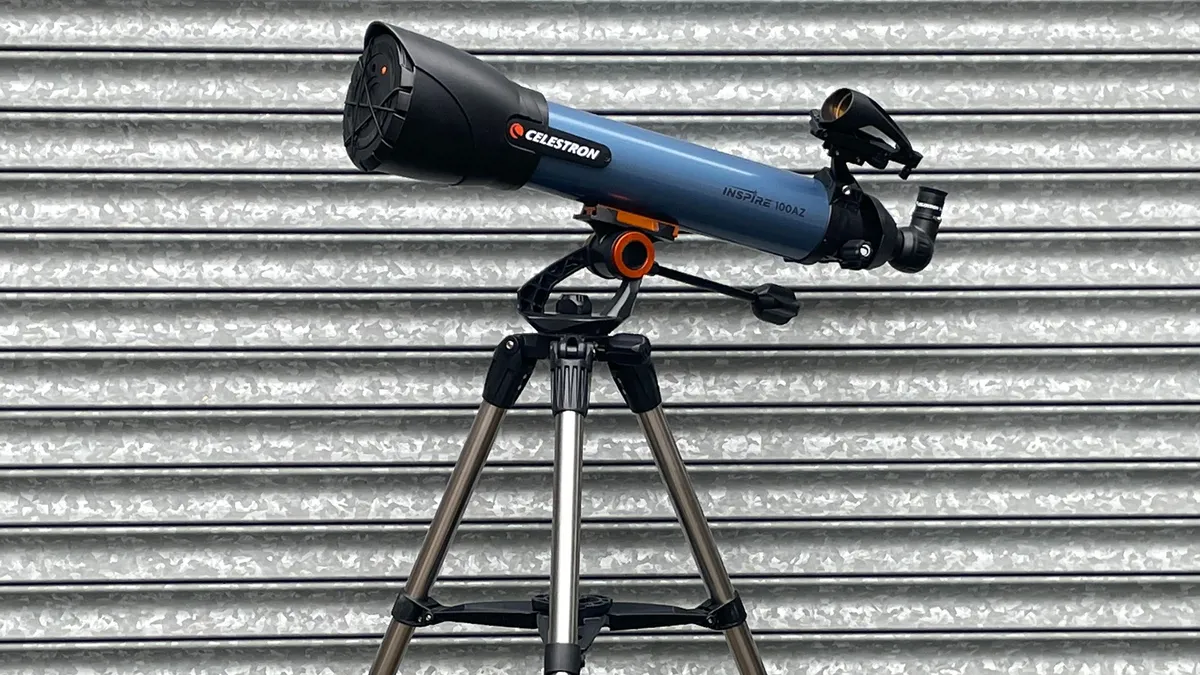
The Celestron Inspire 100AZ is, in our opinion, a great telescope for beginners looking to get crisp views of the moon and planets of the solar system. It features a 70mm aperture, a 660mm focal length, it comes with a stable tripod and a smartphone adaptor for astrophotography. Why not take a look at our Celestron Inspire 100AZ review?
You can learn more about the total lunar eclipse on March 3 with our blood moon lunar eclipse 2026 guide and keep up to date with the latest lunar eclipse content with our lunar eclipse live blog.
This phenomenon — commonly known as the blood moon — happens because Earth’s atmosphere is particularly good at scattering the shorter blue wavelengths of light while allowing longer red wavelengths to pass through relatively unhindered. This effect, known as Rayleigh scattering, is the same reason that the sky takes on magnificent shades of red and orange around sunset.
Totality will last for 58 minutes and will be visible to more than 3 billion people across parts of the Americas, Europe, Asia and Oceania, weather permitting.
The eclipse will kick off at 3:33 a.m. EST (0833 GMT) on March. 3 for viewers in the U.S., as Earth’s outer shadow, or penumbra, encroaches on the lunar surface, almost too subtle to be noticed with the naked eye. At 4:50 a.m. EST (0950 GMT), the more defined curve of Earth’s umbral silhouette will begin to creep steadily across the face of the moon before fully engulfing it at 6:04 a.m. EST (11:04 GMT), marking the beginning of totality.

Skywatchers in New York will witness the very beginning of the blood moon phase in the half hour before the lunar disk slips below the horizon opposite the glow of the rising sun on March. 3. Those on the West Coast in states including California, Oregon and Washington D.C. will get to witness the entirety of the eclipse, with the orbital show starting in the early hours and running through to dawn. Exact eclipse timings will vary based on your location, so be sure to check out Time and Date for a schedule tailored to your locale.
Want the best possible view of the lunar disk as it transforms into a jaw-dropping blood moon? Then be sure to read our roundup of the best telescopes and binoculars for viewing the night sky. If photography’s your thing, then you may also want to read our guide to photographing a lunar eclipse, along with our picks of the top cameras and lenses for astrophotography.
Editor’s Note: If you capture a photo of the blood moon and want to share it with Space.com’s readers, then please send your photo(s), comments, and your name and location to spacephotos@space.com.










Related Posts


Stay Informed With the Latest & Most Important News
Previous Post
Next Post


Advertisement
-
 01Two Black Holes Observed Circling Each Other for the First Time
 -
 02From Polymerization-Enabled Folding and Assembly to Chemical Evolution: Key Processes for Emergence of Functional Polymers in the Origin of Life
 -
 03Astronomy 101: From the Sun and Moon to Wormholes and Warp Drive, Key Theories, Discoveries, and Facts about the Universe (The Adams 101 Series)
 -
 04Φsat-2 begins science phase for AI Earth images
 -
 05Hurricane forecasters are losing 3 key satellites ahead of peak storm season − a meteorologist explains why it matters
 -
 06True Anomaly hires former York Space executive as chief operating officer
 -
 07Thermodynamic Constraints On The Citric Acid Cycle And Related Reactions In Ocean World Interiors