
Now Reading: 2 bright planets light up April evenings — here’s where and when to look
-
01
2 bright planets light up April evenings — here’s where and when to look


Of the five bright naked-eye planets, the two most favorably positioned for viewing during April are in the evening sky. Dazzling Venus, low in the west-northwest for about two hours after sunset, and brilliant Jupiter, which soars high in the south-southwest at dusk and remains visible until well after midnight, accompanied by the “Twin Stars” of Gemini the Twins, Pollux and Castor.
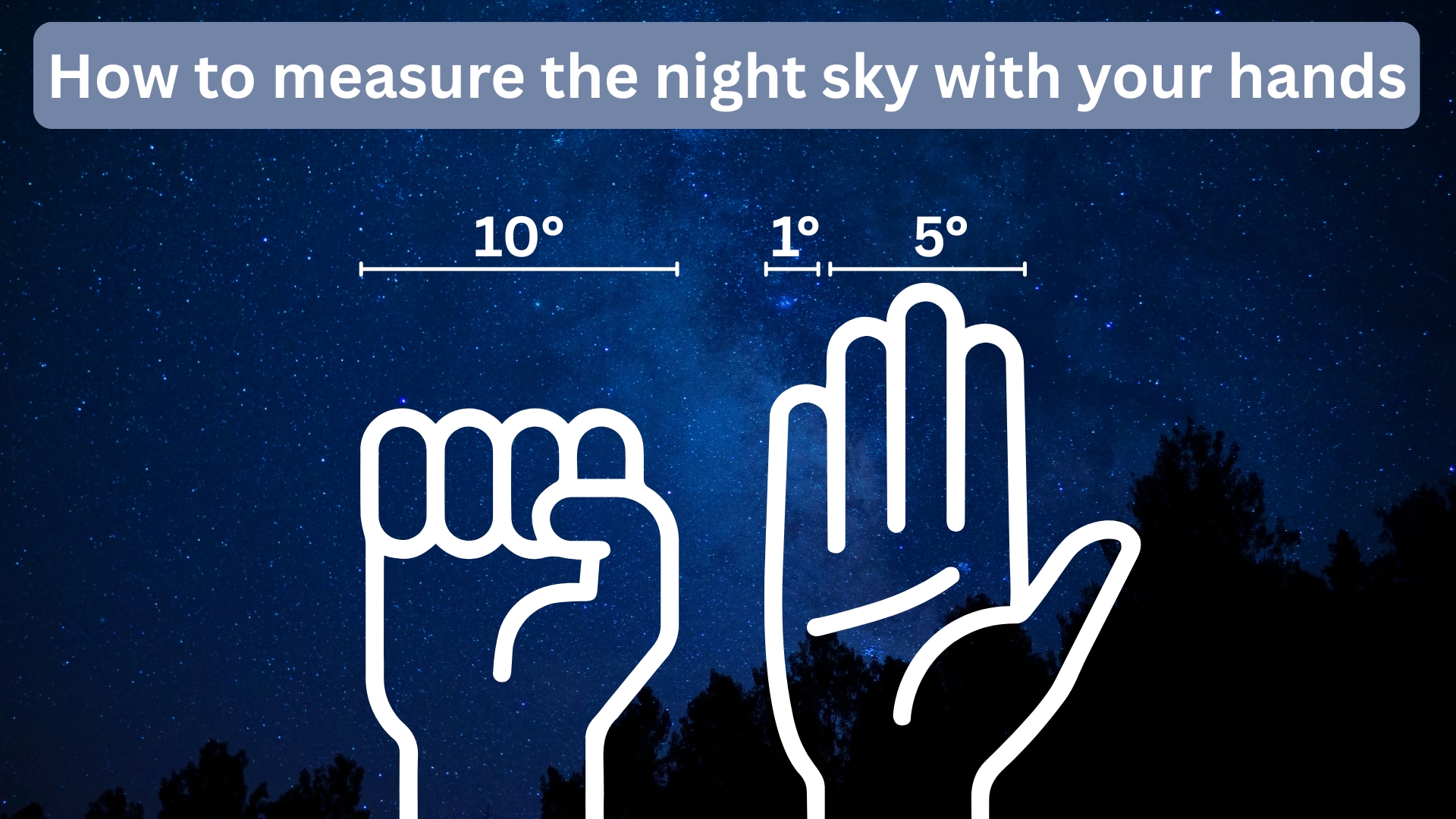
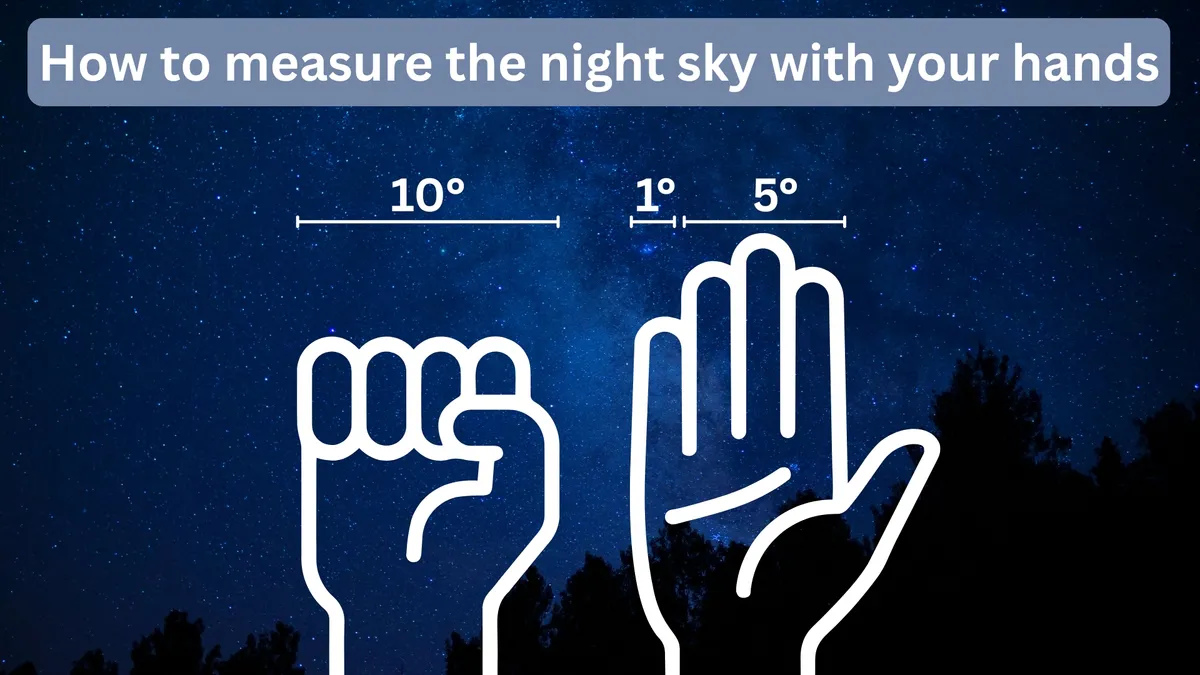
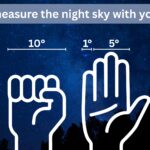
In our schedule, remember that when measuring the angular separation between two celestial objects, your clenched fist held at arm’s length measures roughly 10 degrees. Here, we present a schedule below which provides some of the best planet viewing times, as well as directing you to where to look to see them.
Mercury
Mercury is at its greatest western elongation on April 3. But while it ranges as far out as 28 degrees from the sun as viewed from mid-northern latitudes, this is mostly directly off to the sun‘s right, placing the planet quite low above the horizon. This +0.3-magnitude planet rises less than an hour before sunrise and shortly after coming above the horizon might be located with binoculars about 10 degrees south of the due east point. Only from the more southerly states is the planet likely to be visible to the naked eye. The vantage from which Mercury is best seen at this apparition is from the Southern Hemisphere. Around midmonth, Mercury will be near Mars and Saturn (see “Mars” below).
Venus
Venus is popularly regarded as the “sister planet” because it’s similar in size and gets a little higher each week during April. It remains small and roundish in telescopes this month, but from early April until early September, Venus will be at least 10 degrees above the horizon 45 minutes after sunset (though never very high), and during that period, we will see its disk grow and enter its crescent phase.
On the evening of April 18, soon after sunset, look low toward the west-northwest for a view of a slender 1½-day old crescent moon, just 4% illuminated. And situated about a half-dozen degrees to its upper left is the steady, dazzling light of Venus. On the evening of April 23, Venus makes its closest approach to the Pleiades star cluster, passing about 3½ degrees to their lower left, making for a lovely sight in binoculars. And on that same evening, Venus passes just three-quarters of a degree to the right of the sixth-magnitude Uranus; a rather close approach will serve as a convenient opportunity for identifying this greenish world in a small telescope or binoculars without the need to consult a sky map.

Mars
Mars is in the same vicinity as Mercury and Saturn and increases its elongation to 24 degrees west of the sun by month’s end. But at magnitude +1.2, it will be the most difficult of the three morning planets to find in the bright twilight.
On what date will Mars first be seen with the naked eye? Since the planet’s elongation is increasing so slowly, the answer is difficult to predict, but southerly observers will succeed sooner. On the morning of April 16, observers closer to the tropics will be treated to a pre-sunrise grouping of Saturn, Mercury, Mars and a very narrow crescent moon. The farther south you are, the higher these four objects will be. Search with binoculars before sunrise.
Jupiter
Jupiter, after Venus, is the first star-like object that appears at dusk, glimmering high in the west through much of this month, with the two leading stars of Gemini, Pollux and Castor, floating even higher above it. This, the largest of all the planets, offers telescope users fine views for several hours after sunset. On the evening of April 22, a fat crescent moon will appear about 3 degrees above and to the right of Jupiter.

Saturn
Saturn at magnitude +0.9, finally begins appearing out from behind the sun in late April’s dawn glow. By month’s end, it rises ahead of the sun by about an hour, but you’ll still have to look very low in the east to get even a fleeting glimpse of it before it gets overwhelmed by the brightening sky. Around midmonth, Saturn will be near Mars and Mercury (see “Mars” above).
If you’re looking for a telescope or binoculars to observe the night sky, our guides for the best binocular deals and the best telescope deals can help. Our best cameras for astrophotography and best lenses for astrophotography can help you get ready to capture the next stunning skywatching event.
Joe Rao serves as an instructor and guest lecturer at New York’s Hayden Planetarium. He writes about astronomy for Natural History magazine, Sky and Telescope, The Old Farmer’s Almanac and other publications.










Related Posts

Stay Informed With the Latest & Most Important News



Advertisement
-
 01Two Black Holes Observed Circling Each Other for the First Time
 -
 02From Polymerization-Enabled Folding and Assembly to Chemical Evolution: Key Processes for Emergence of Functional Polymers in the Origin of Life
 -
 03Astronomy 101: From the Sun and Moon to Wormholes and Warp Drive, Key Theories, Discoveries, and Facts about the Universe (The Adams 101 Series)
 -
 04True Anomaly hires former York Space executive as chief operating officer
 -
 05Φsat-2 begins science phase for AI Earth images
 -
 06Hurricane forecasters are losing 3 key satellites ahead of peak storm season − a meteorologist explains why it matters
 -
 07Binary star systems are complex astronomical objects − a new AI approach could pin down their properties quickly