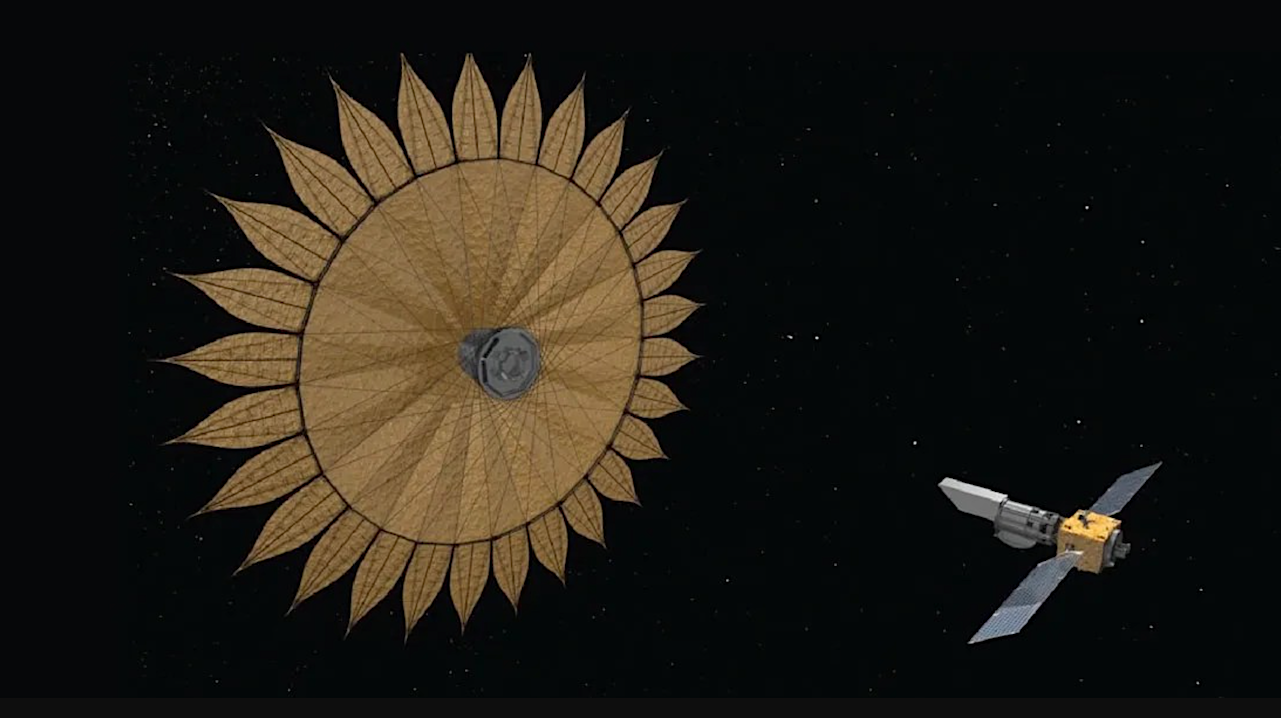
An artist’s depiction of the fully-deployed starshade spacecraft (left) next to the spacetelescope it supports. The two spacecraft must fly in almost perfect alignment to allow thetelescope to stay in

An artist’s depiction of the fully-deployed starshade spacecraft (left) next to the spacetelescope it supports. The two spacecraft must fly in almost perfect alignment to allow thetelescope to stay in
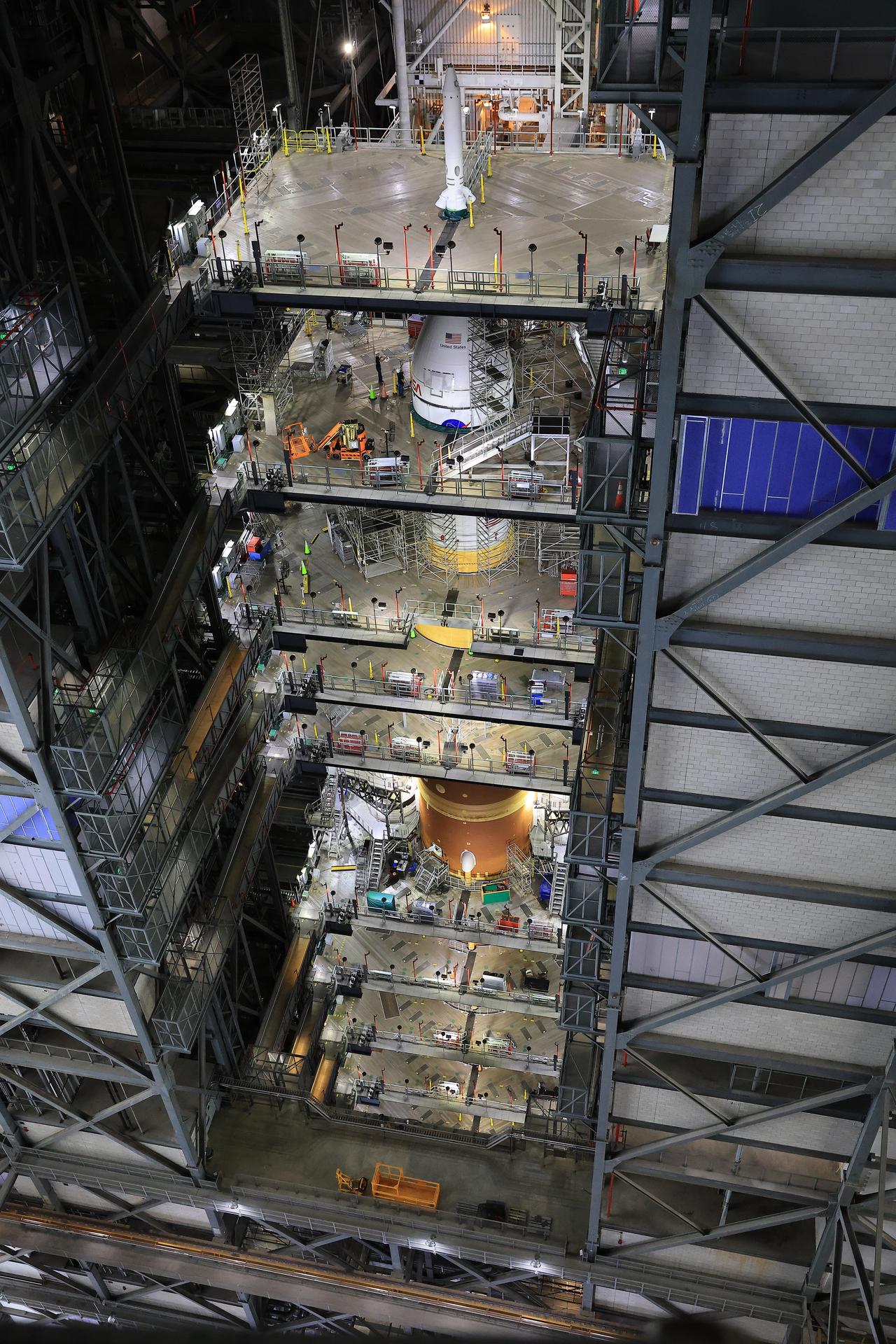
NASA’s Artemis II Orion spacecraft with its launch abort system is stacked atop the agency’s SLS (Space Launch System) rocket in High Bay 3 of the Vehicle Assembly Building at
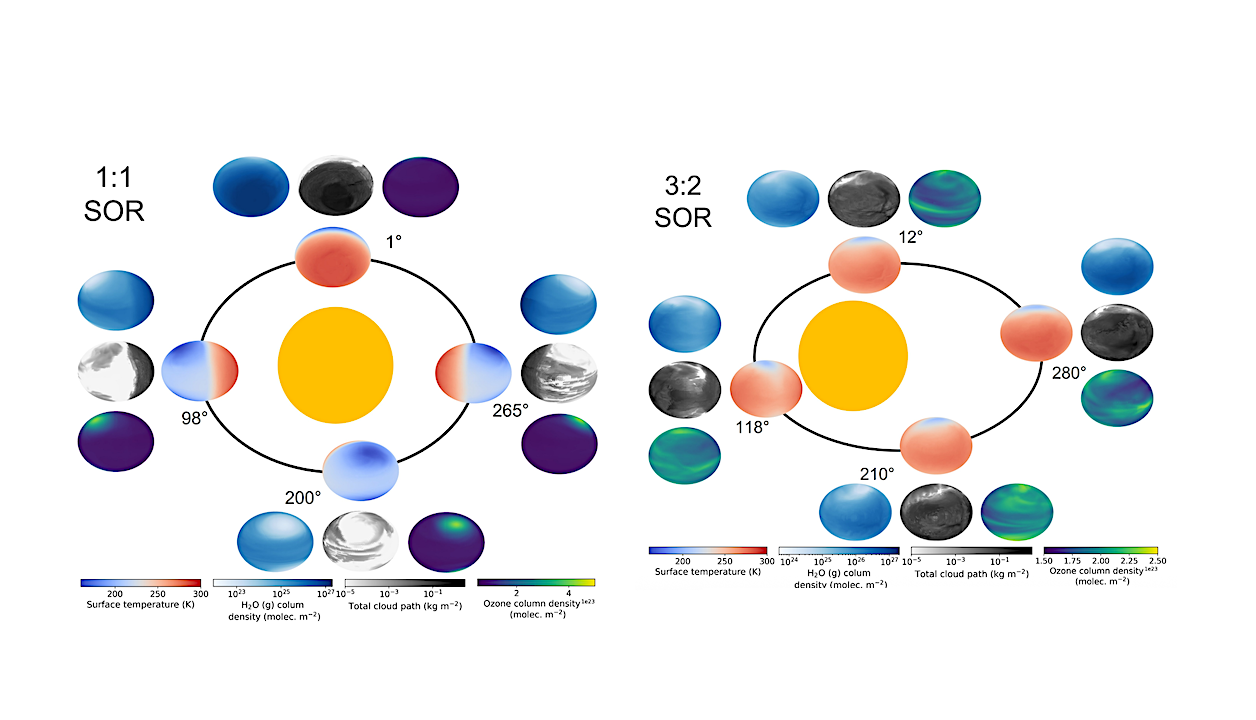
Observed hemispheric distributions as a function of θ(t) for the 1:1 SOR (LEFT) and the 3:2 SOR with an eccentricity of 0.3 (RIGHT): surface temperature (blue-red), vertically integrated water vapour
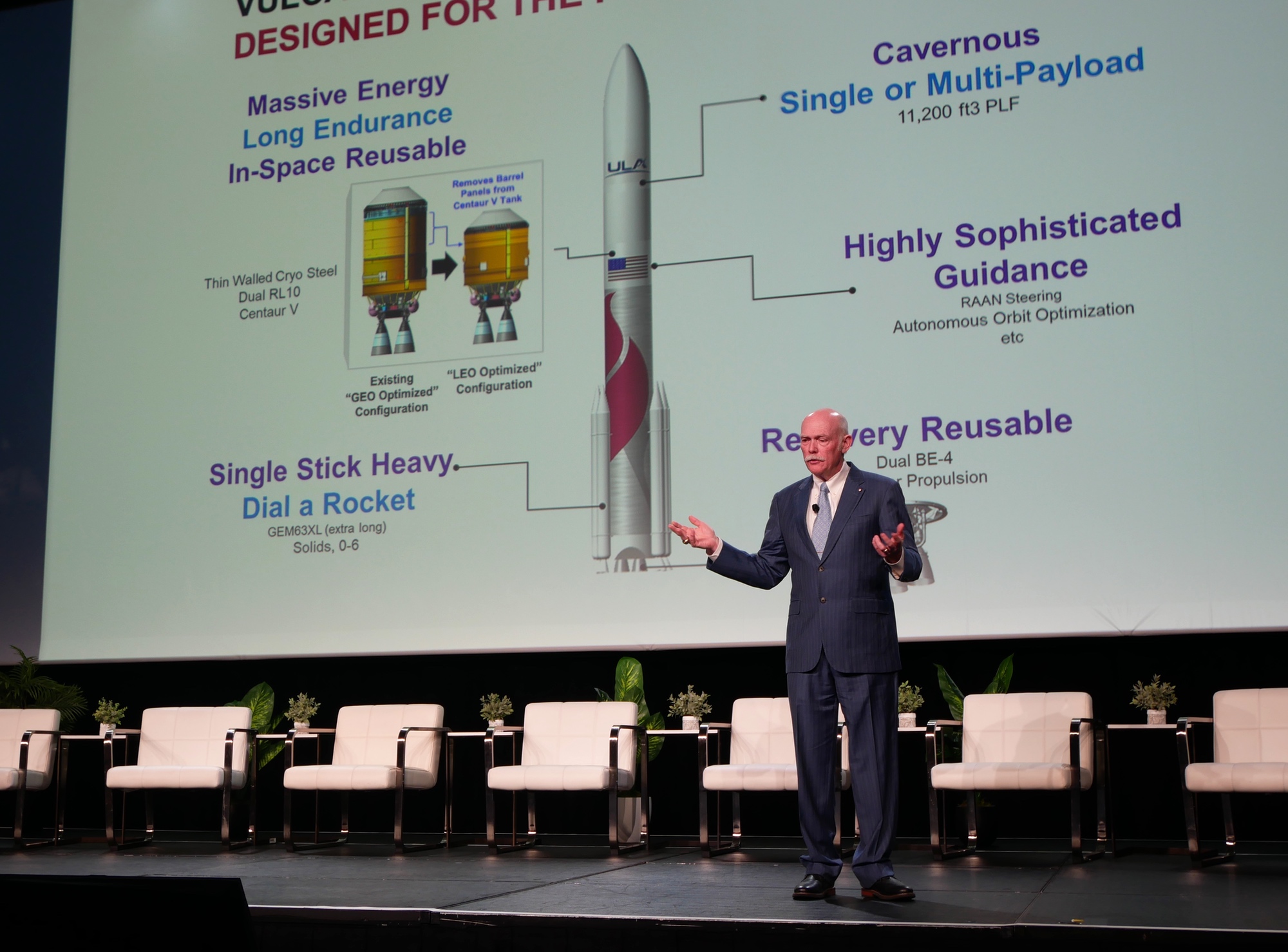
SANTA FE, N.M. — Tory Bruno, the longtime chief executive of United Launch Alliance, is leaving the joint venture for another opportunity. In a Dec. 23 statement, executives from Boeing
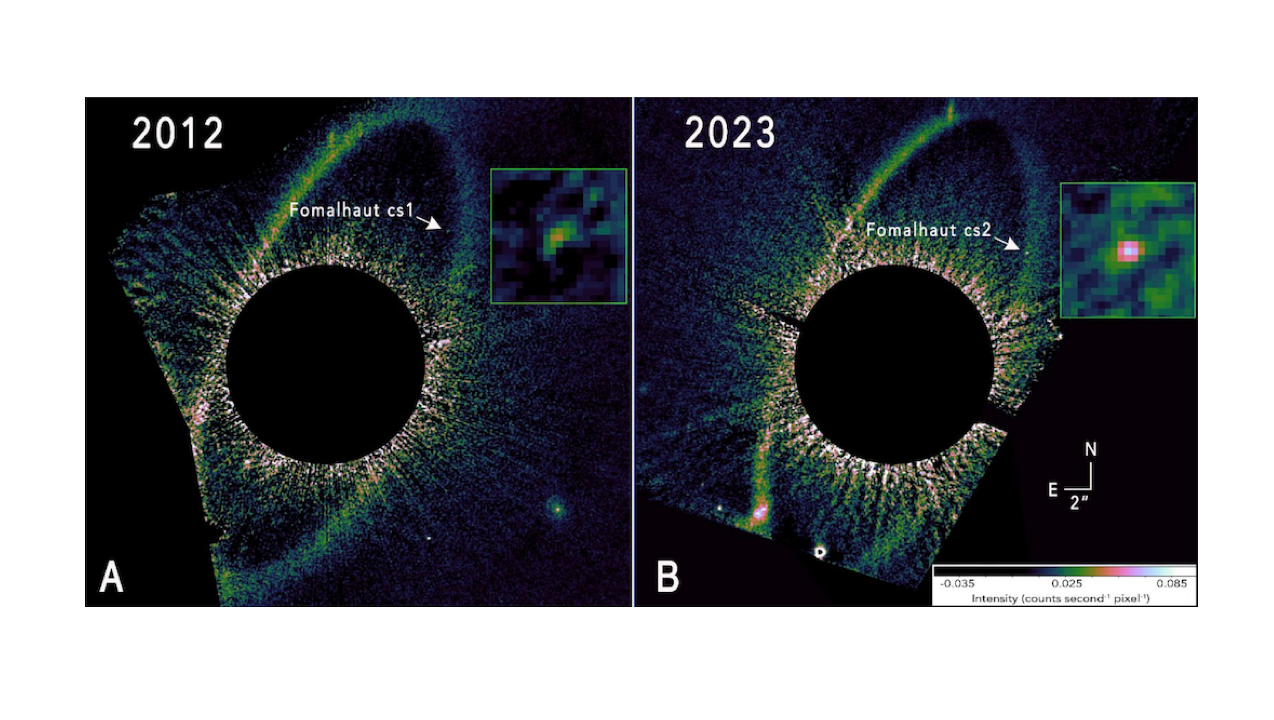
Optical images of the Fomalhaut system in 2012 and 2023. Both panels are white light HST/STIS images. The bright central star has been artificially eclipsed with a coronagraph, to reveal
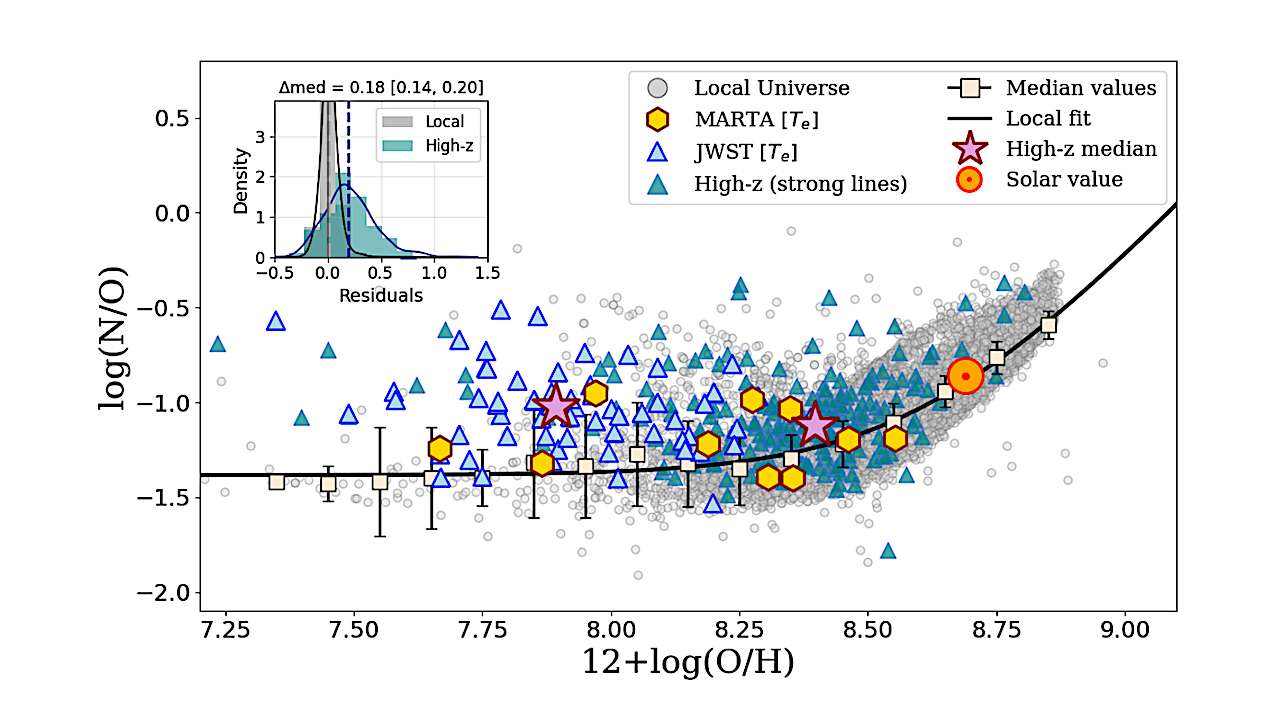
Relation between N/O and O/H for our full sample, as described in Section 2. Gold hexagons indicate MARTA galaxies with direct measurements, and light-blue triangles show the JWST auroral-line dataset.
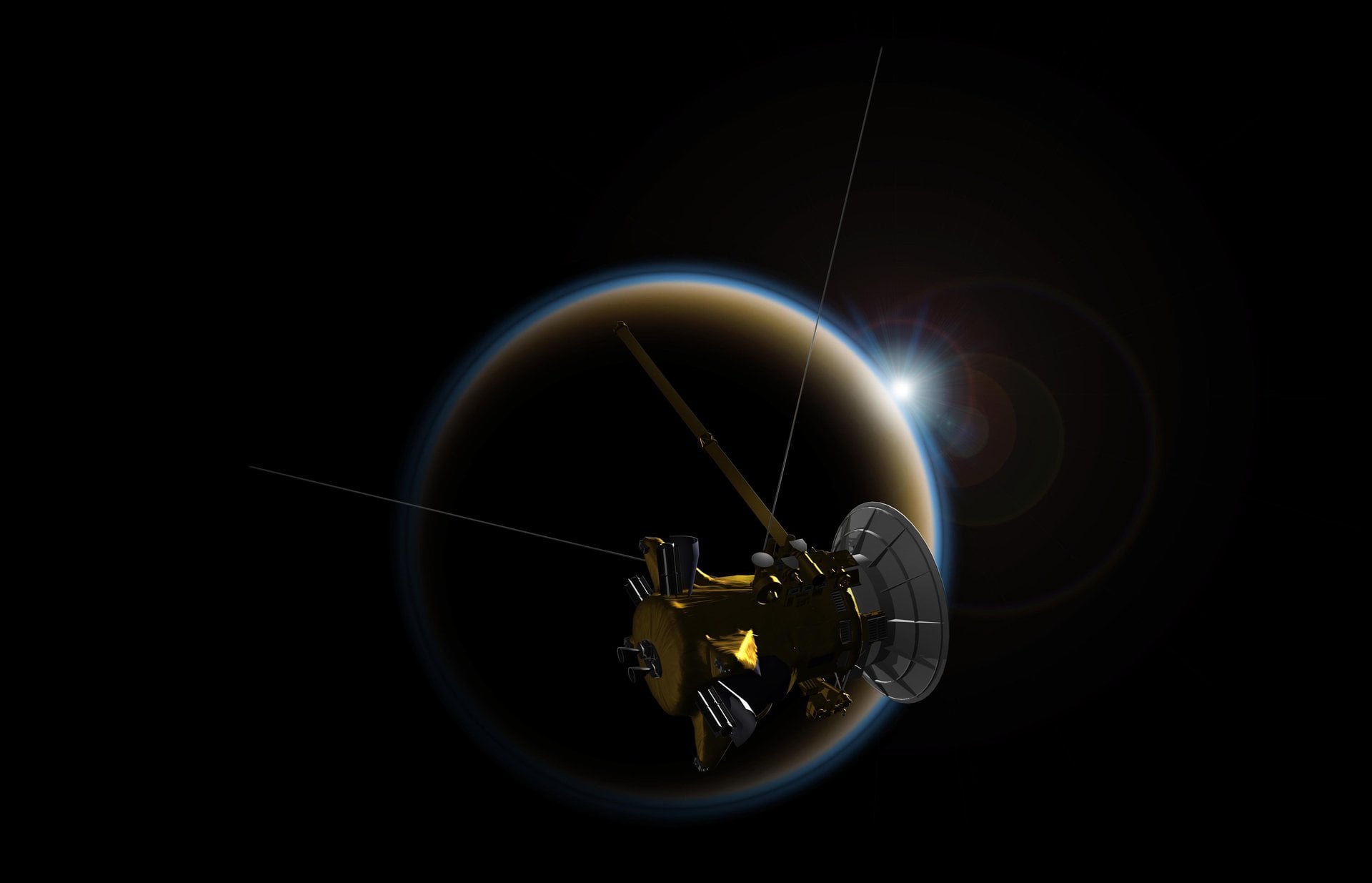
Saturn’s largest moon, Titan, may not have a subsurface ocean after all. That’s according to a re-examination of data captured by NASA’s Cassini mission, which flew by Titan dozens of
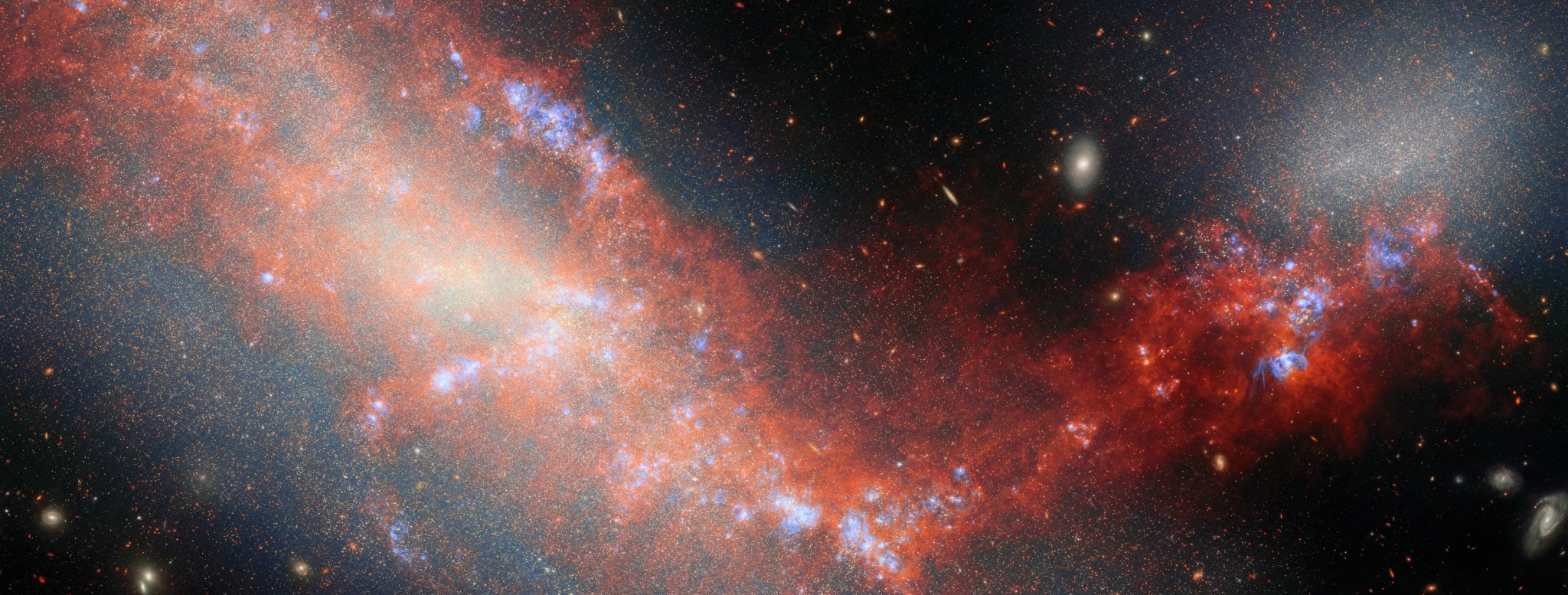
These two galaxies are named NGC 4490 and NGC 4485, and they’re located about 24 million light-years away in the constellation Canes Venatici (The Hunting Dogs). They are the closest
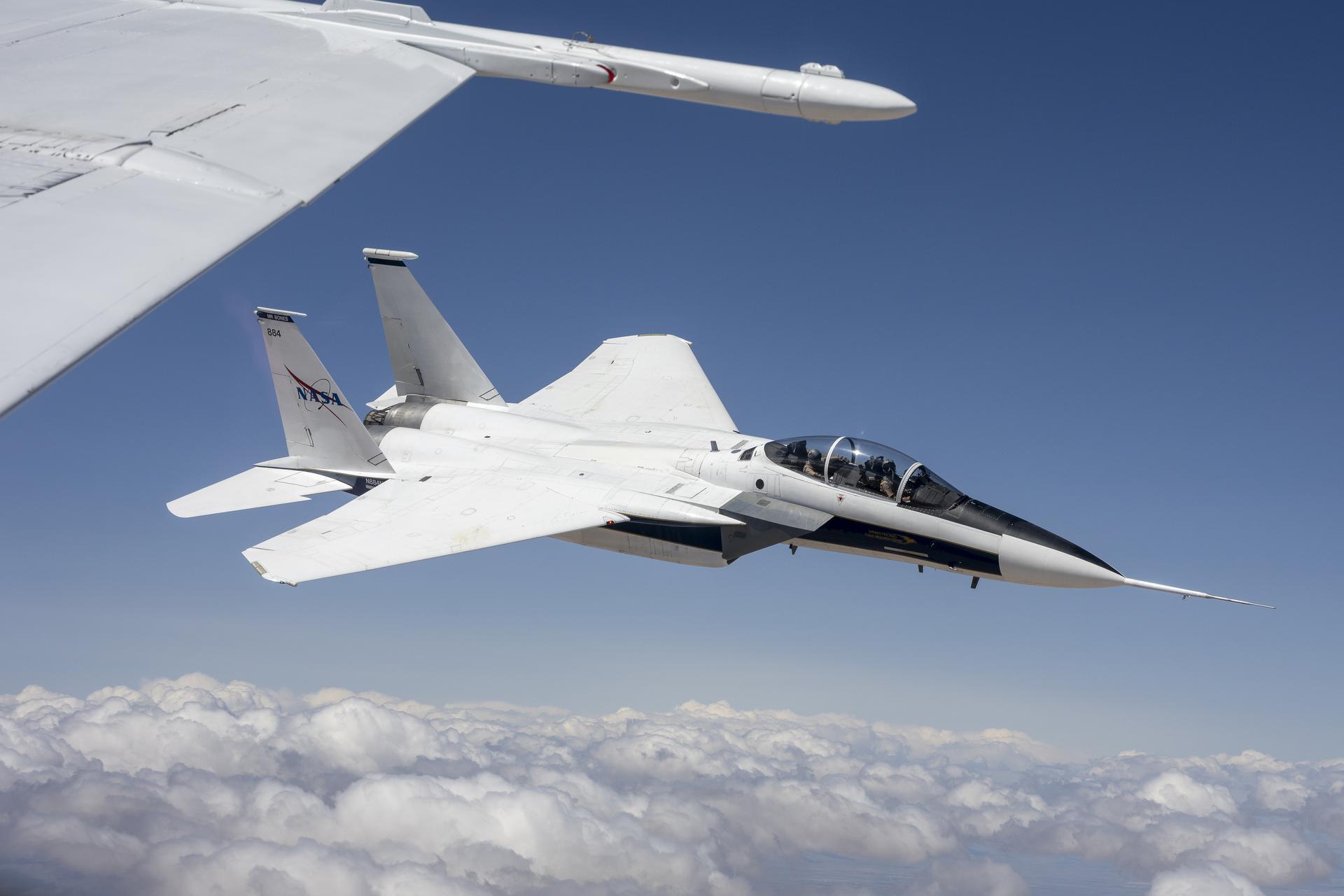
12 min read Preparations for Next Moonwalk Simulations Underway (and Underwater) In 2025, NASA’s Armstrong Flight Research Center in Edwards, California, advanced work across aeronautics, Earth science, exploration technologies, and
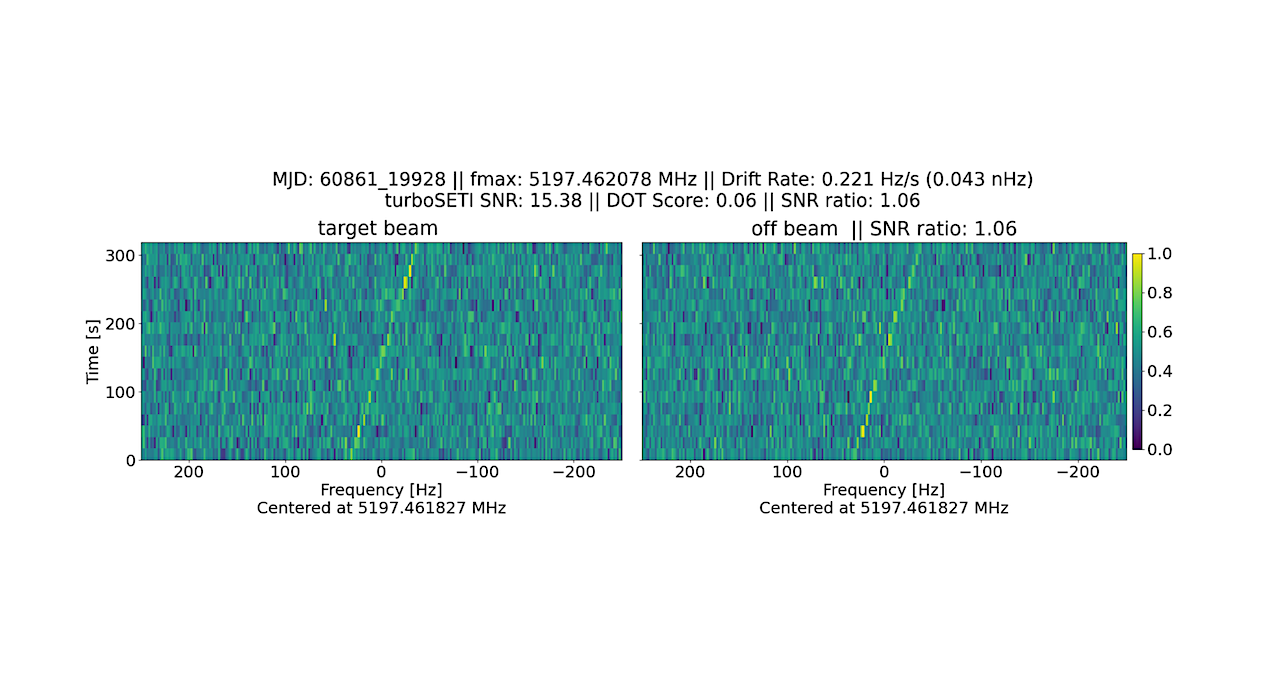
Radio spectrograms from our ATA observations. The diagonal stripe at the center is visible in observations of 3I/ATLAS as well as in off-target observations – characteristics expected from local (human)