In 2024, astronomers discovered the brightest Luminous Fast Blue Optical Transient (LFBOT) ever observed. LFBOTs are extremely bright flashes of blue light that shine for brief periods before fading away.

In 2024, astronomers discovered the brightest Luminous Fast Blue Optical Transient (LFBOT) ever observed. LFBOTs are extremely bright flashes of blue light that shine for brief periods before fading away.
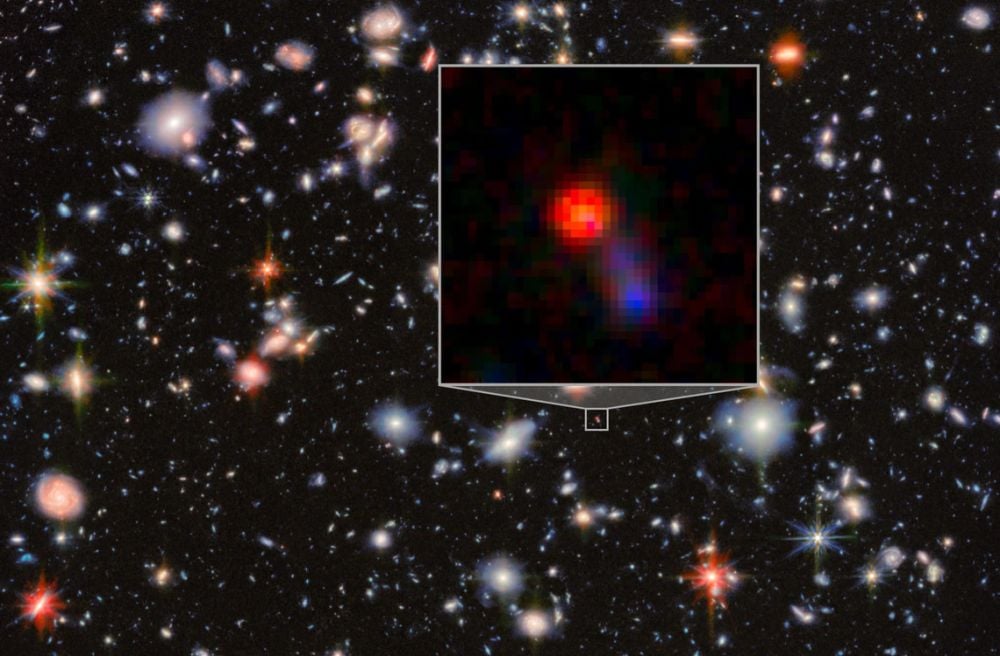
In a glimpse of the early universe, astronomers have observed a galaxy as it appeared just 800 million years after the Big Bang – a cosmic Jekyll and Hyde that
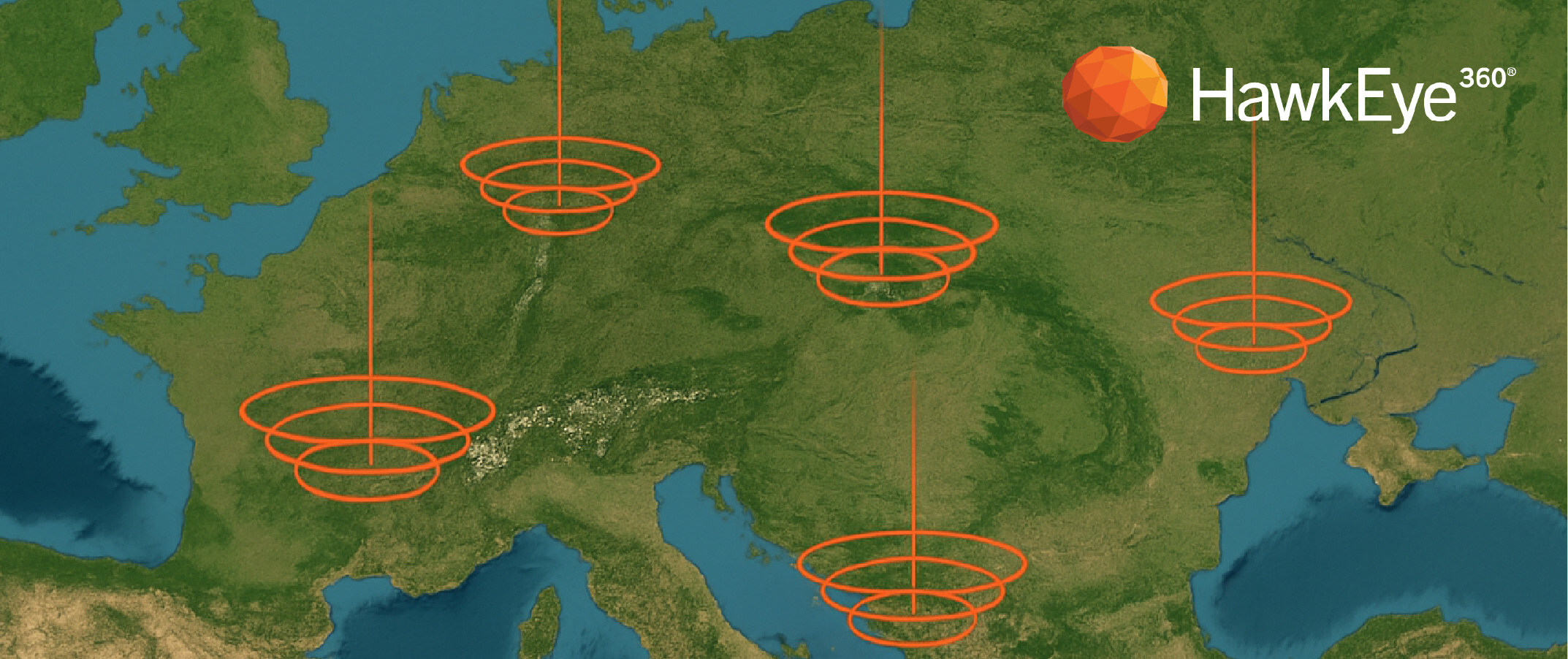
WASHINGTON — HawkEye 360, a U.S. commercial satellite company that tracks radio-frequency signals from orbit, announced Dec. 18 it has acquired defense contractor Innovative Signal Analysis, deepening its push into

Watch the replay of the media information session in which ESA Director General Josef Aschbacher and ESA Council Chair Renato Krpoun (CH) update journalists on key decisions taken at the ESA
NASA SMD – Research and Development of Initiatives of Advanced New Technologies (RADIANT) B.5 Research and Development of Initiatives of Advanced New Technologies (RADIANT) seeks innovative adaptations and applications of
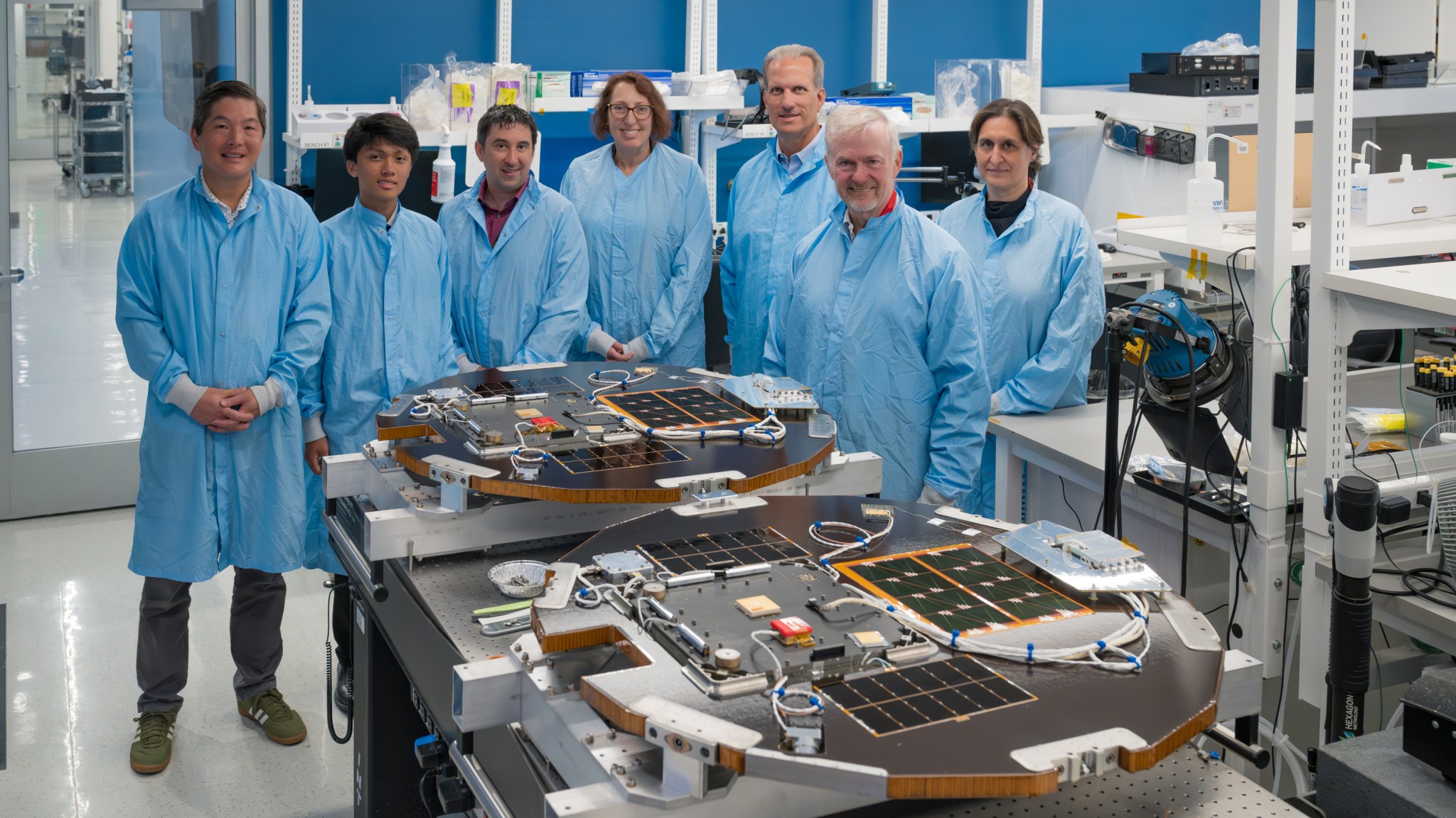
A team of engineers at The Aerospace Corporation’s facility in El Segundo, California, gather around two completed DiskSats as they conduct final checks before shipment. From left: Albert Lin, DiskSat

At a time when space is unmistakably a contested warfighting domain, the United States risks slowing its own progress not because of a lack of technology or talent, but because
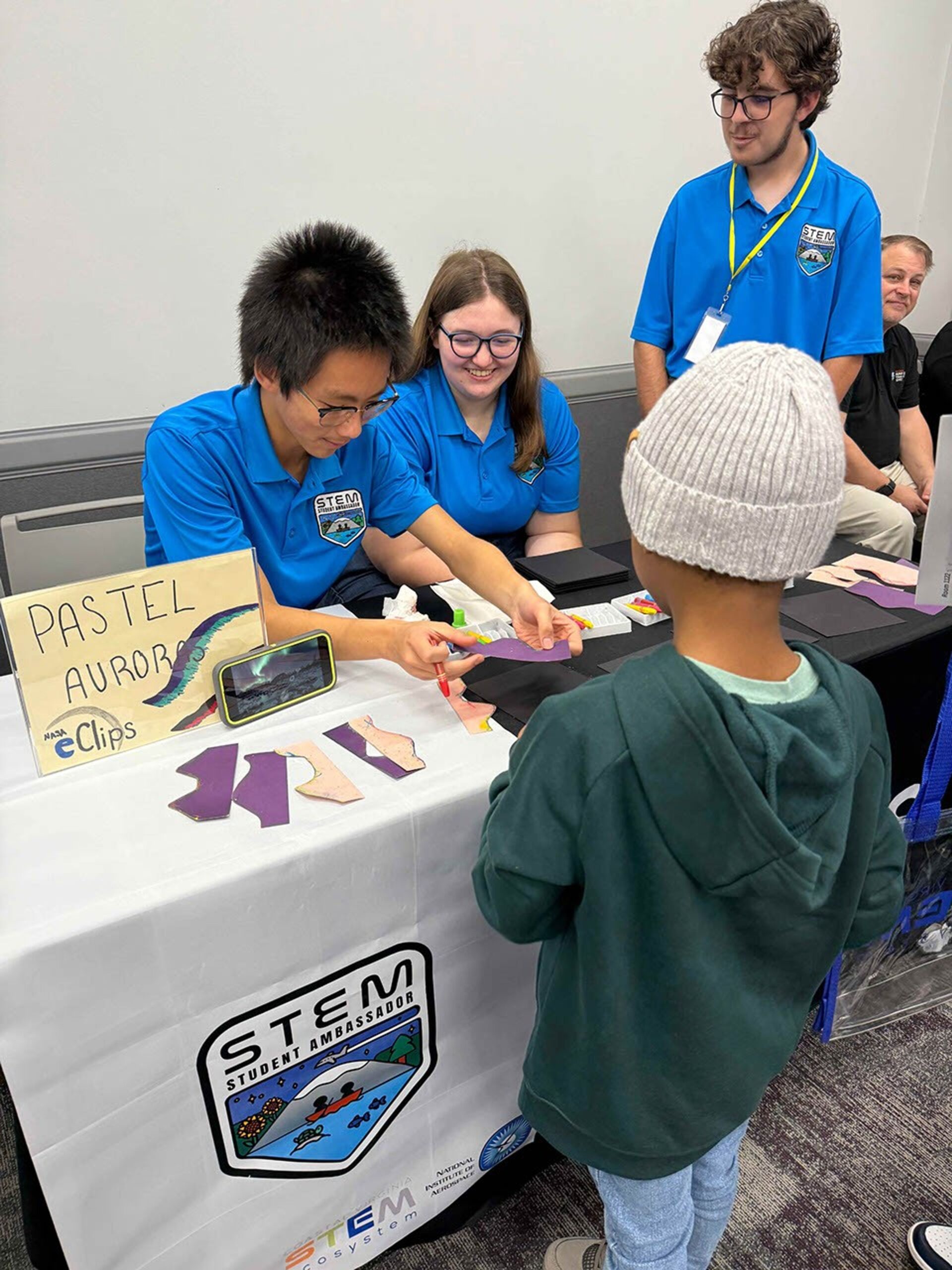
Explore This Section Science Science Activation NASA eClips STEM Student… Overview Learning Resources Science Activation Teams SME Map Opportunities More Science Activation Stories Citizen Science 3 min read NASA
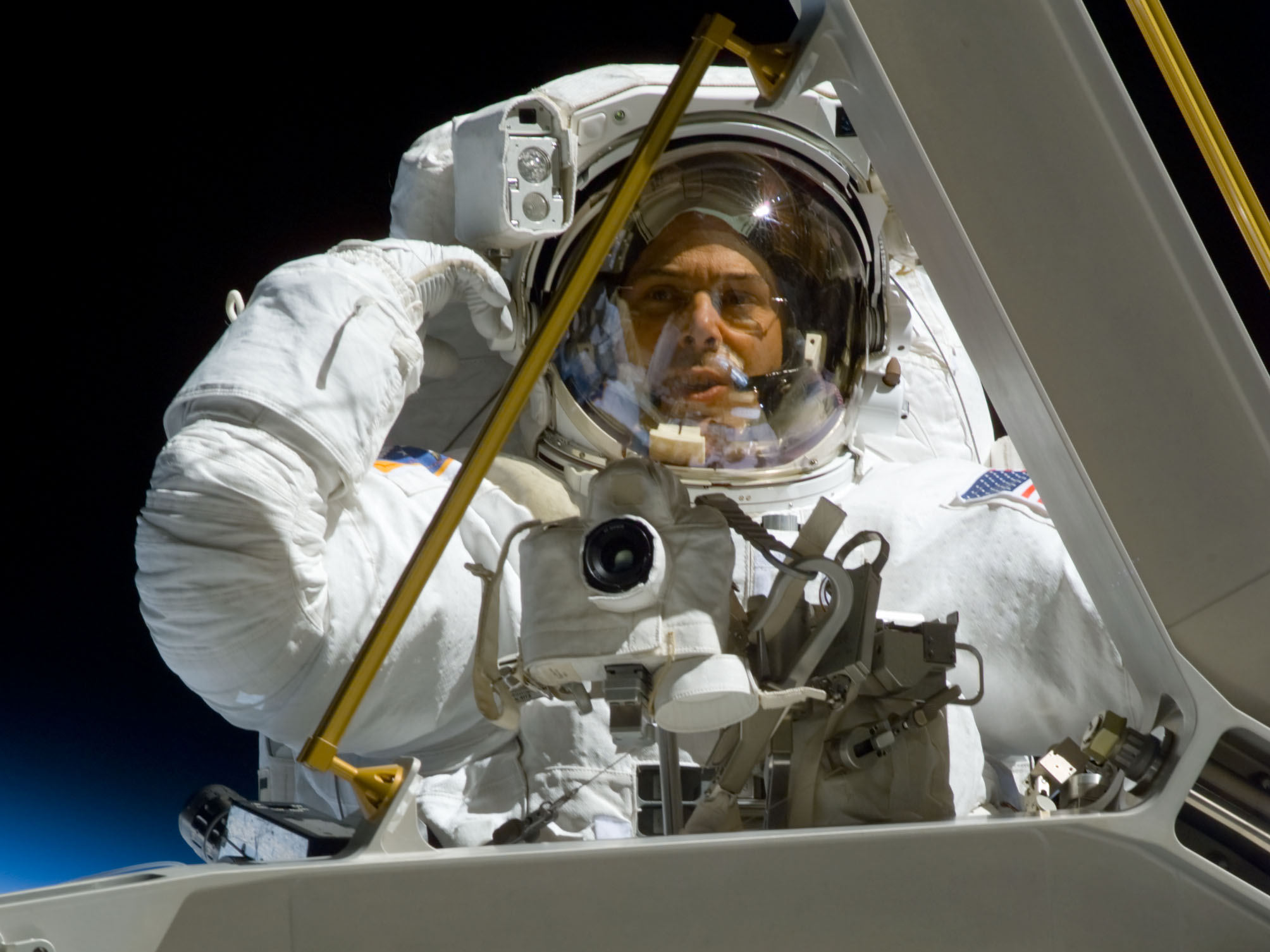
STS110-E-5541 (13 April 2002) — Astronaut Lee M.E. Morin carries an affixed 35mm camera to record work which is being performed 240 miles above Earth on the International Space Station

4 min read NASA’s Fermi Spots Young Star Cluster Blowing Gamma-Ray Bubbles For the first time, astronomers using NASA’s Fermi Gamma-ray Space Telescope have traced a budding outflow of gas