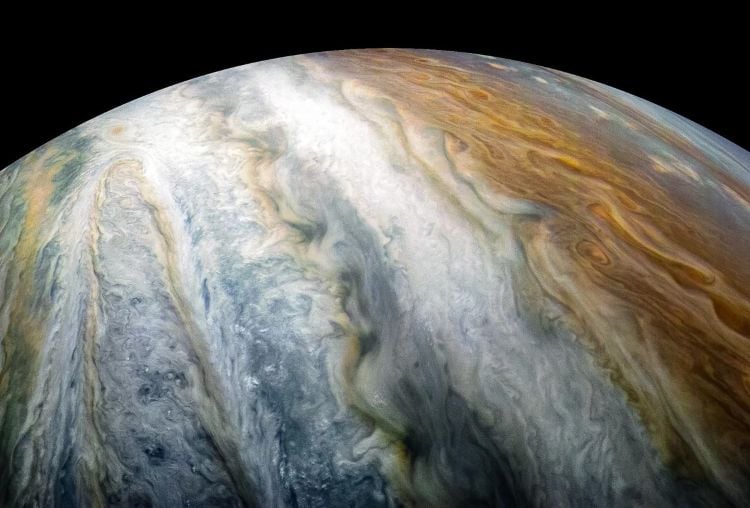
Jupiter’s atmosphere and clouds have mesmerized stargazers for centuries, as their multi-colored, swirling layers can easily be viewed from powerful telescopes on Earth. However, NASA’s Juno spacecraft has upped the

Jupiter’s atmosphere and clouds have mesmerized stargazers for centuries, as their multi-colored, swirling layers can easily be viewed from powerful telescopes on Earth. However, NASA’s Juno spacecraft has upped the
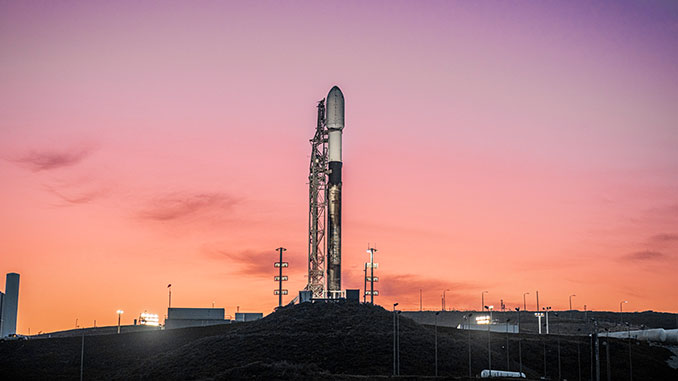
File photo of a SpaceX Falcon 9 rocket at pad 4E ready to launch a Starlink mission. Image: SpaceX SpaceX is set to launch its penultimate Falcon 9 rocket of
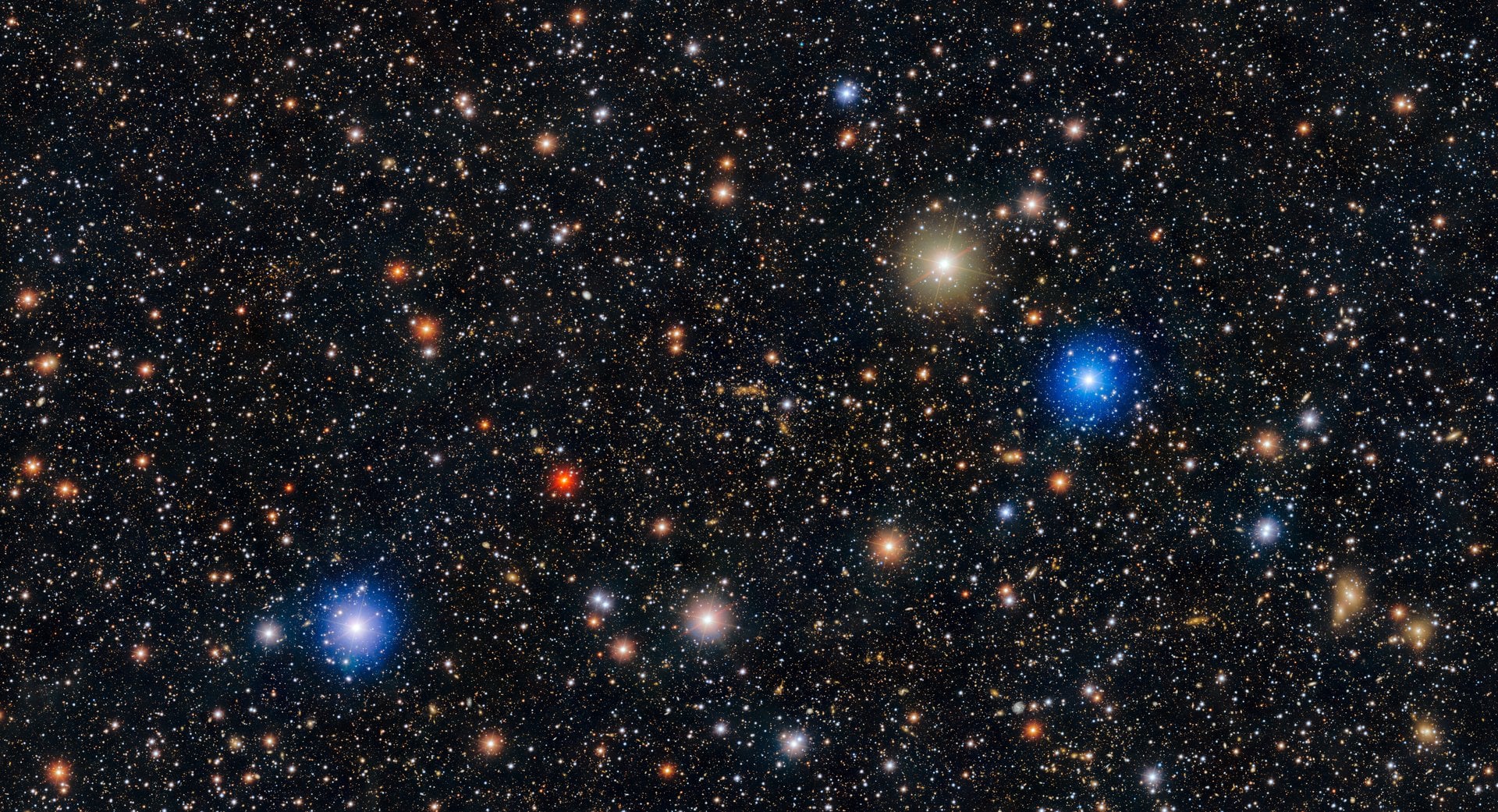
The Dark Energy Survey Collaboration collected information on hundreds of millions of galaxies across the Universe using the U.S. Department of Energy-fabricated Dark Energy Camera, mounted on the U.S. National
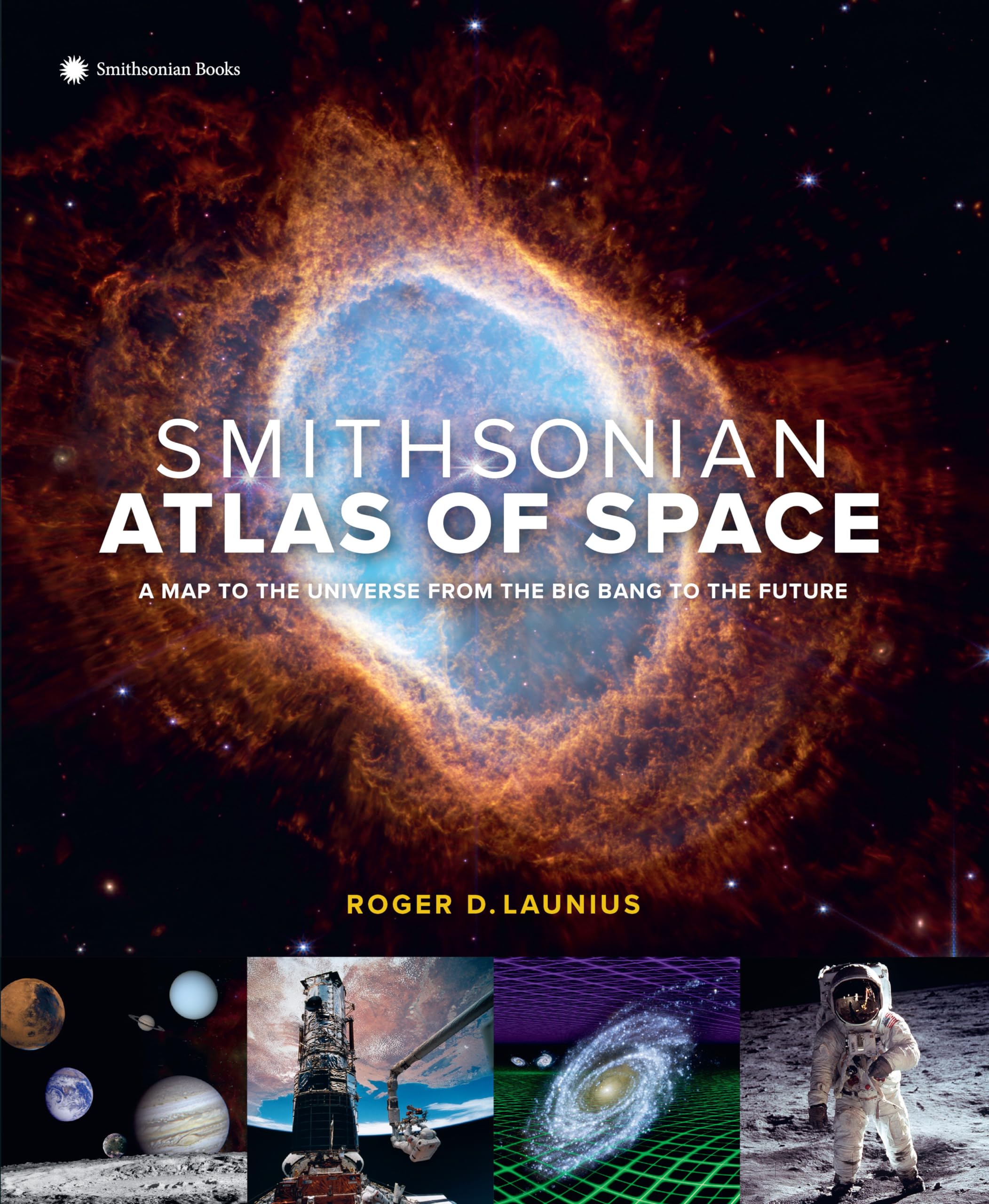
Embark on an extraordinary journey through the cosmos with the “Smithsonian Atlas of Space: A Map to the Universe from the Big Bang to the Future.” This remarkable tome is
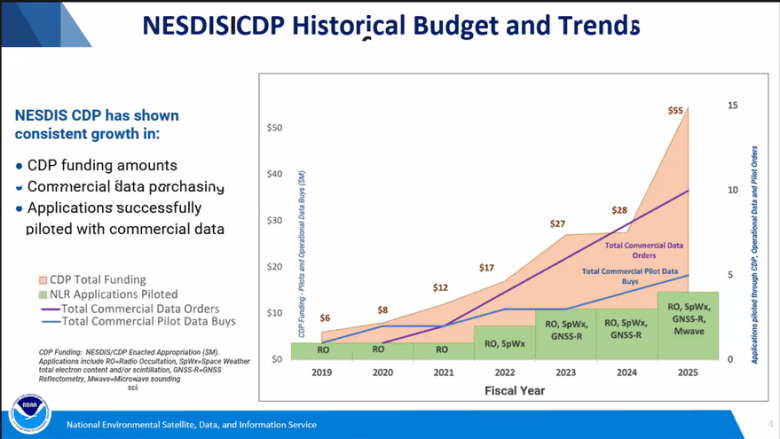
SAN FRANCISCO – The National Oceanic and Atmospheric Administration intends to dramatically increase commercial weather data purchases, Taylor Jordan, Commerce Department assistant secretary for environmental observation and prediction, said Jan.
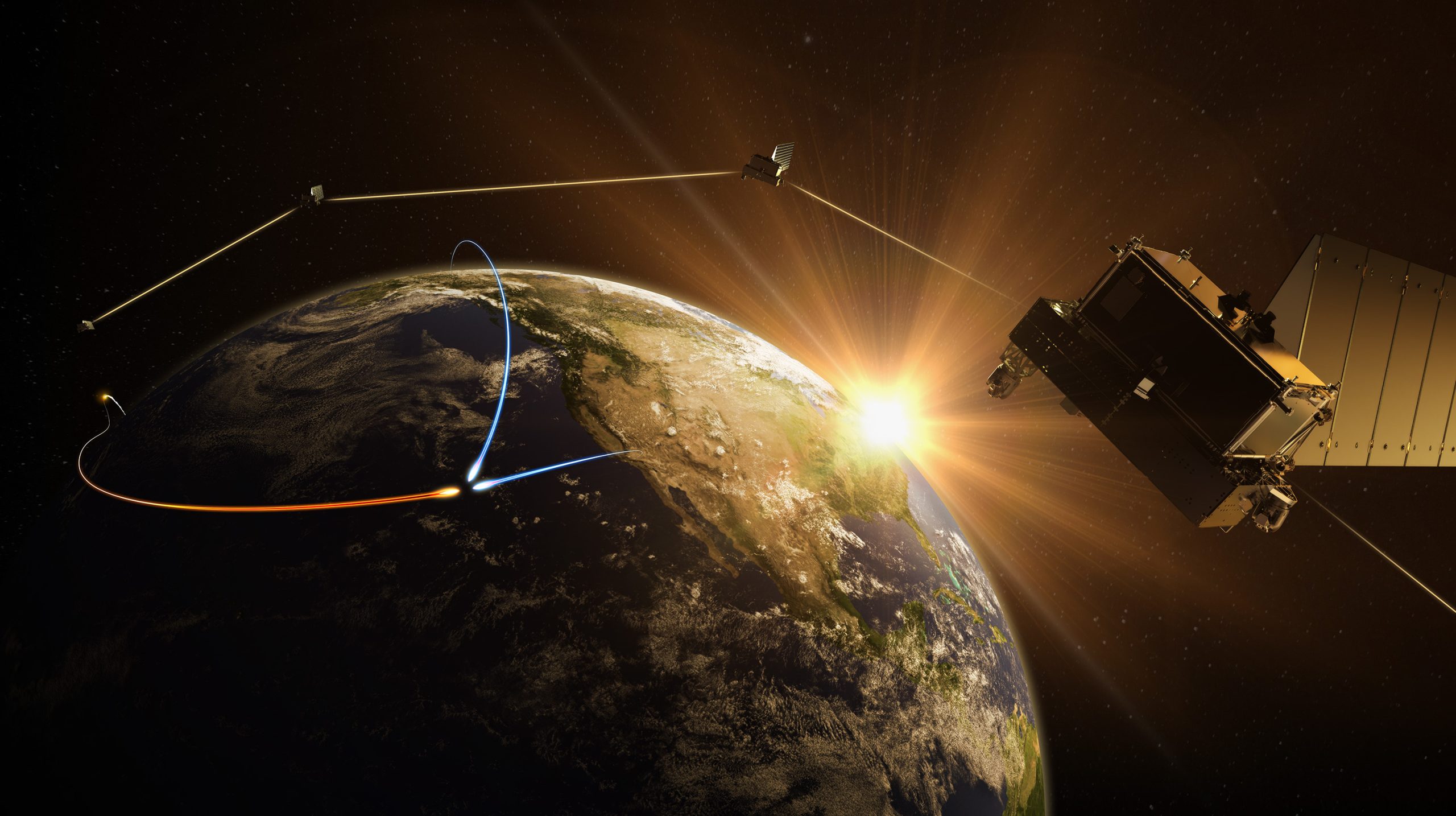
ORLANDO, Fla. — A congressional watchdog is warning that the Pentagon’s ambitious effort to overhaul missile warning and tracking from space is moving faster than its underlying technology and management
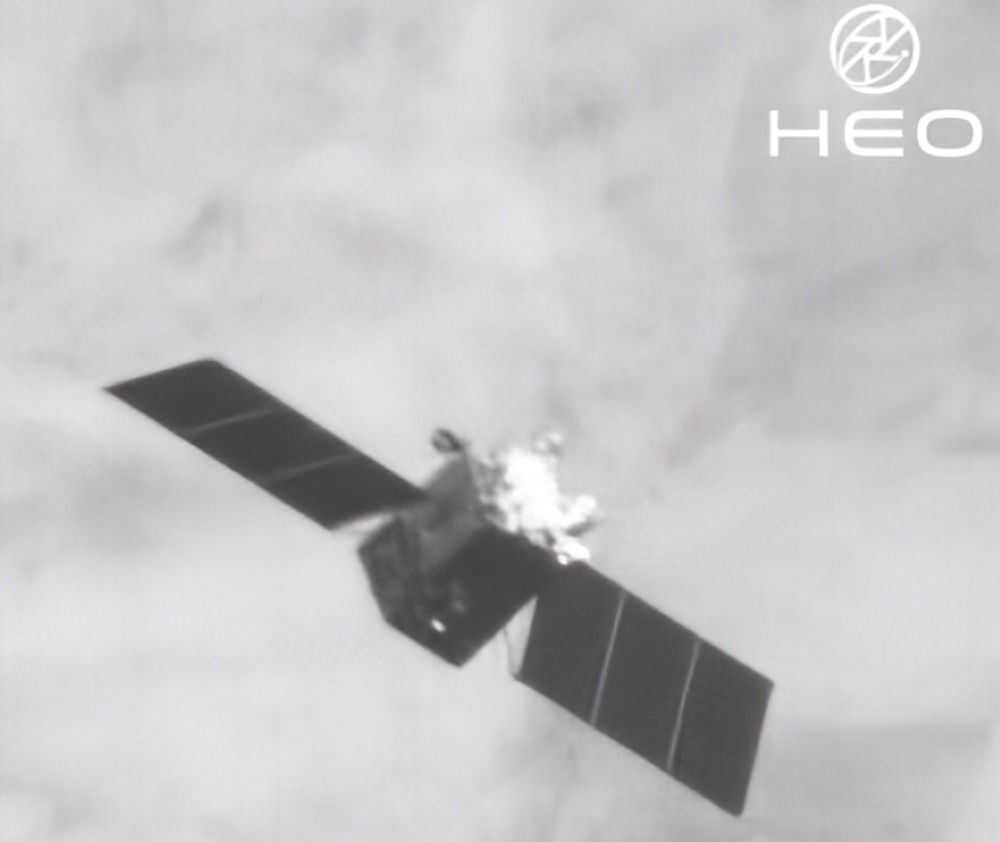
ORLANDO, Fla.— HEO, the Australian company that performs in-space imaging of spacecraft, has acquired its own satellite though a deal with Satellogic. The two companies announced Jan. 26 that HEO
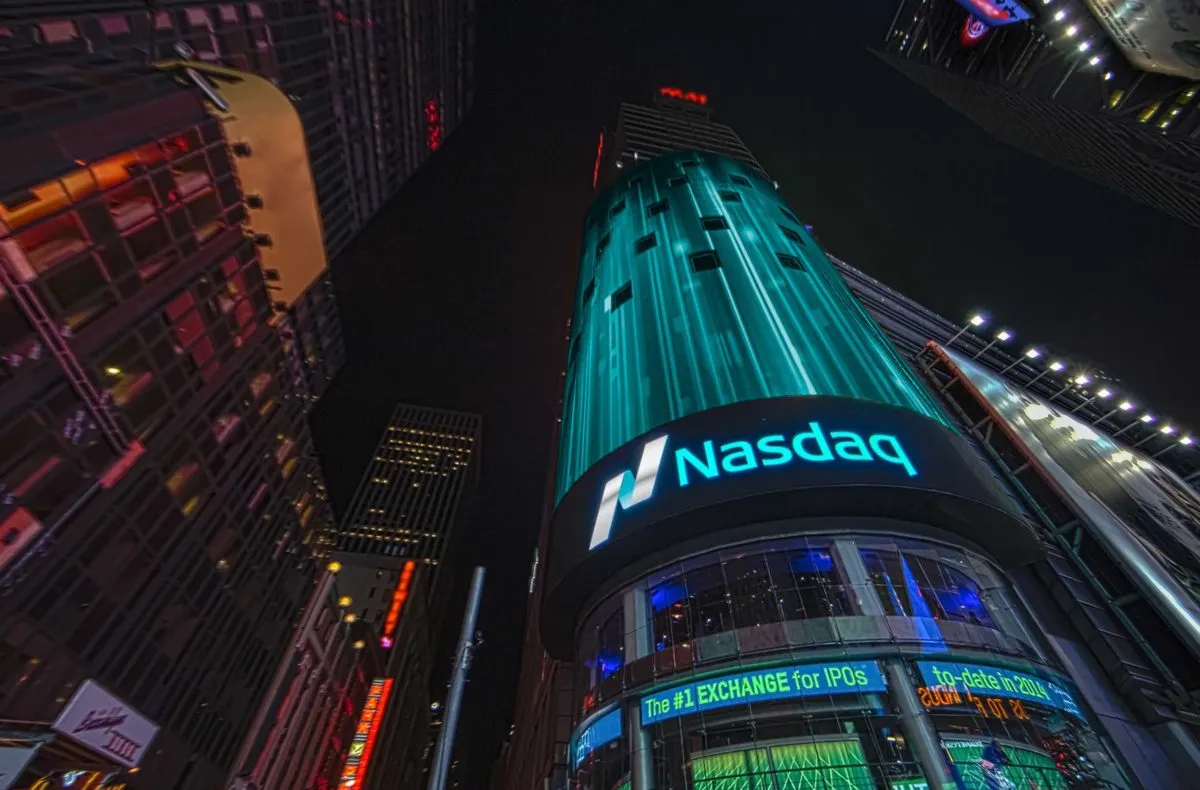
TAMPA, Fla. — A shell company chaired by venture capitalist Raphael Roettgen began trading on the Nasdaq stock exchange Jan. 28 after raising $200 million to pursue a merger with
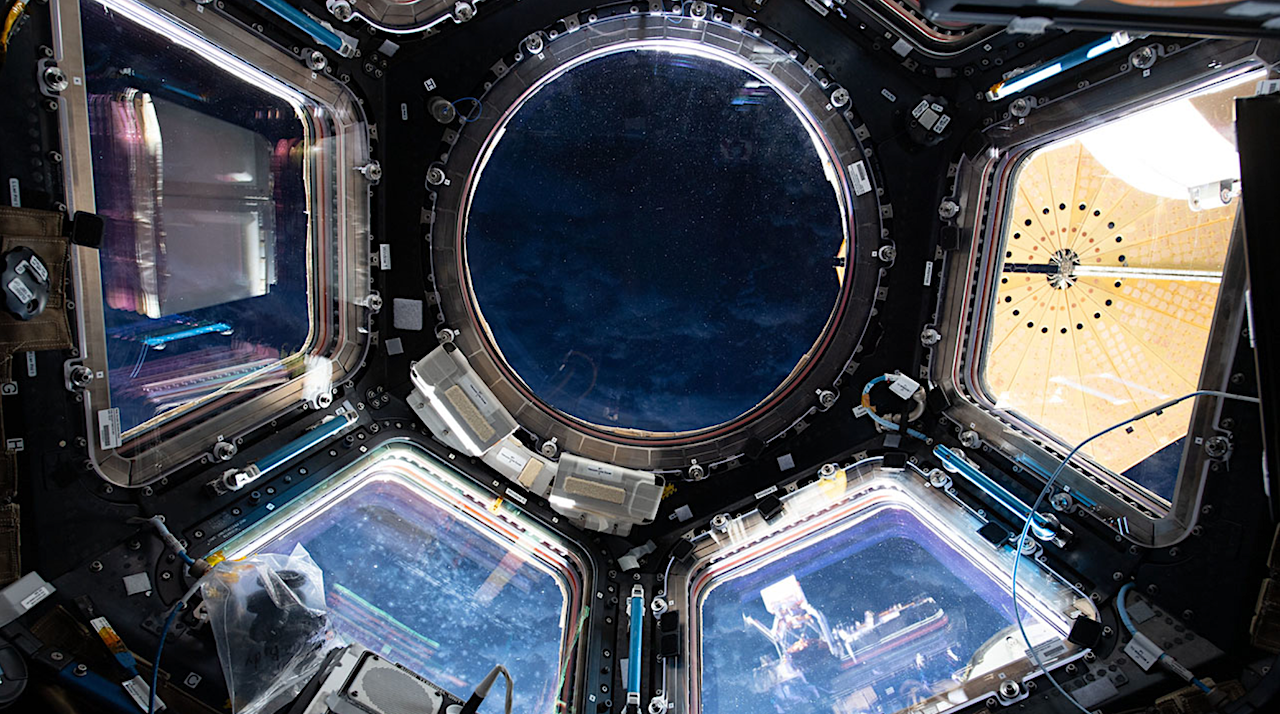
iss070e014729 (Oct. 29, 2023) — Orbital nighttime peeks through the International Space Station’s cupola, or “window to the world,” nearly 270 miles above the Indian Ocean. In the right window,
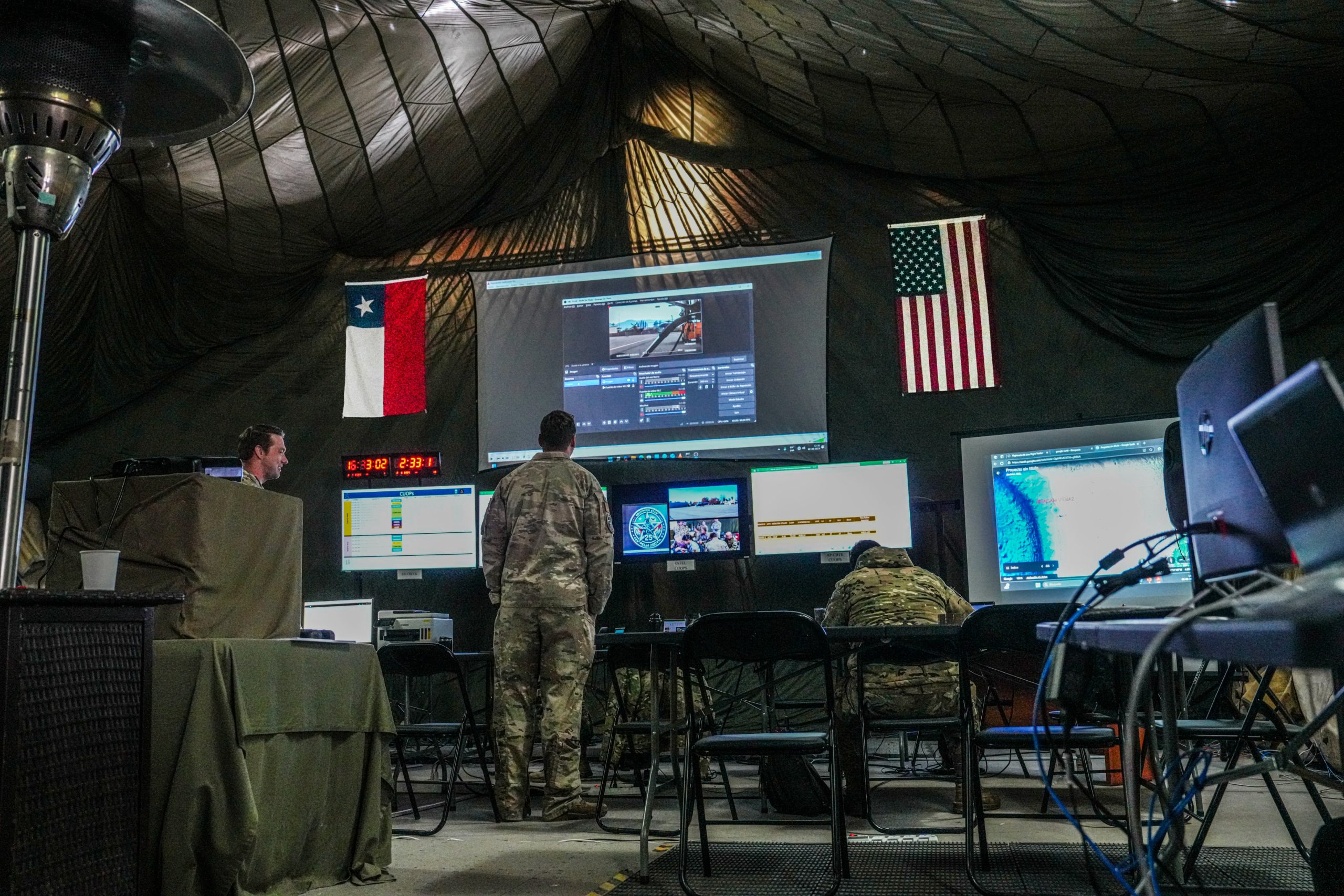
ORLANDO, Fla. — U.S. Space Command will, for the first time, invite representatives from commercial space companies to take part in classified wargames focused on sensitive national security scenarios, underscoring