Logos of EANA (left, designed by Katarina Eriksson in 2015) and AbGradE (right, designed by Sean McMahon in 2014). Since its foundation in 2001, EANA (European Astrobiology Network Association, http://www.eana-net.eu/)

Logos of EANA (left, designed by Katarina Eriksson in 2015) and AbGradE (right, designed by Sean McMahon in 2014). Since its foundation in 2001, EANA (European Astrobiology Network Association, http://www.eana-net.eu/)

Origins Center 2026 Conference May 18–20, 2026 (Abdij Rolduc, Kerkrade) Questions about the origin and nature of life — and whether it might exist beyond Earth — have a rare
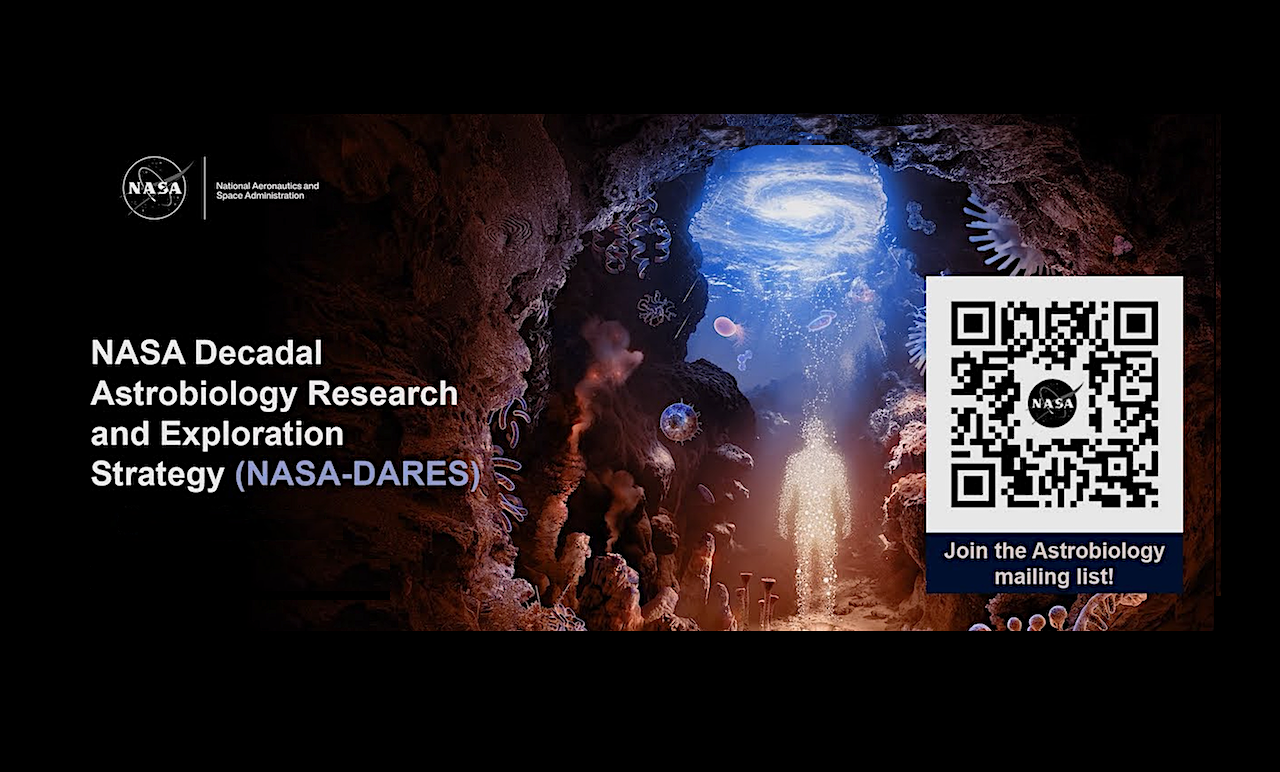
NASA DARES 2025 Introduction: NASA sponsored Astrobiology research focuses on three basic questions: How does life begin and evolve? Does life exist elsewhere in the Universe? How do we search
One of the most stubborn issues in cosmology today concerns the universe’s rate of expansion. Scientists know it’s expanding, but defining the rate of that expansion is challenging. The rate
For the first time in 25 years of continuous crewed operations, an astronaut has been medically evacuated from the International Space Station (ISS). The Crew-11 mission ended when a SpaceX
Additive manufacturing, more commonly known as 3D printing, will be an absolutely critical technology for any long-term settlement on another world. Its ability to take a generic input, such as
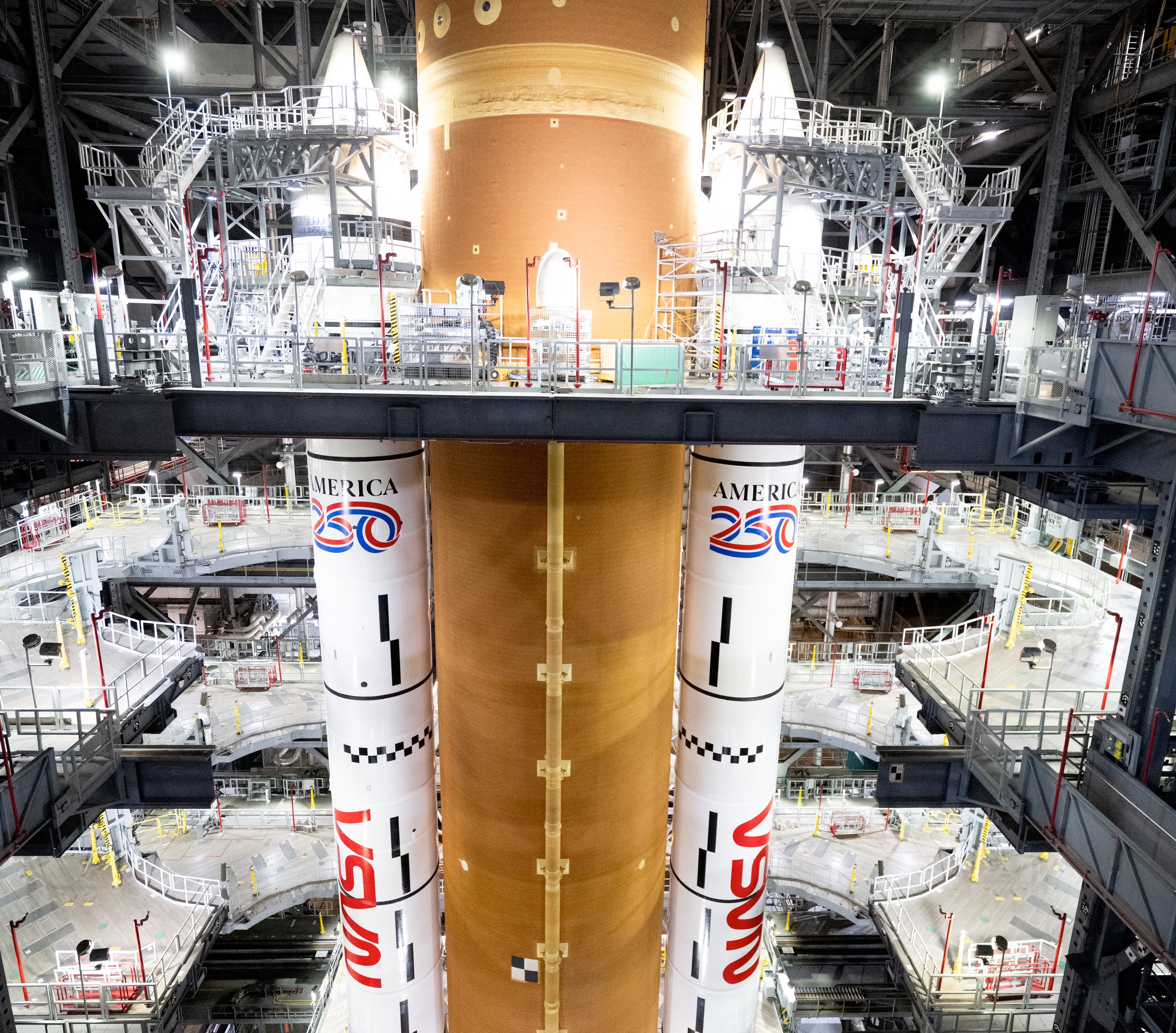
Jared Isaacman made something unmistakably clear during his confirmation hearing as NASA Administrator: time is not on America’s side. The United States is no longer alone in deep space ambition,
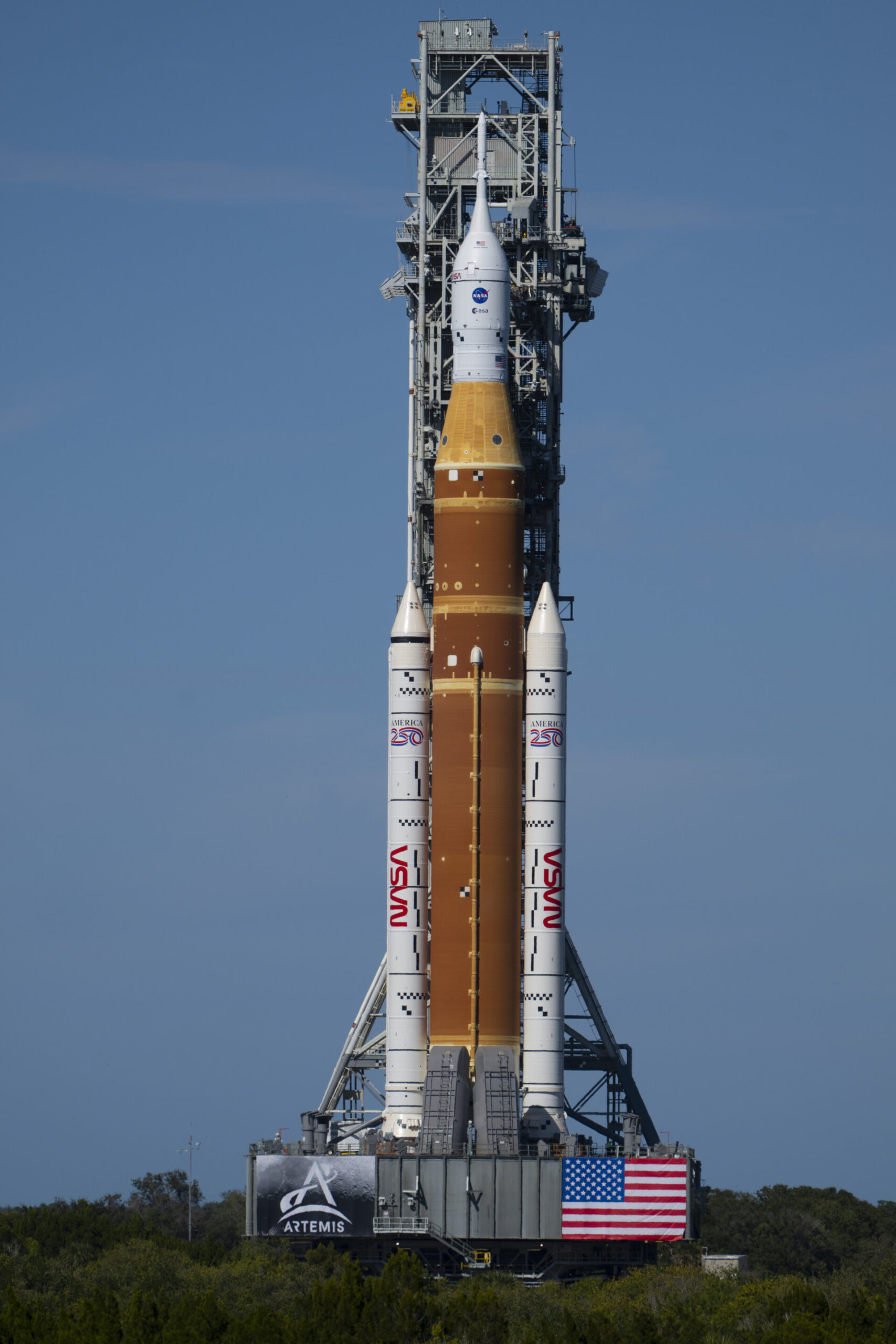
The Artemis II rocket has reached its launch pad at NASA’s Kennedy Space Center in Florida, United States, ready for a historic journey. Over the weekend, engineers slowly and carefully rolled the nearly 100-metre-tall Space Launch System rocket from the
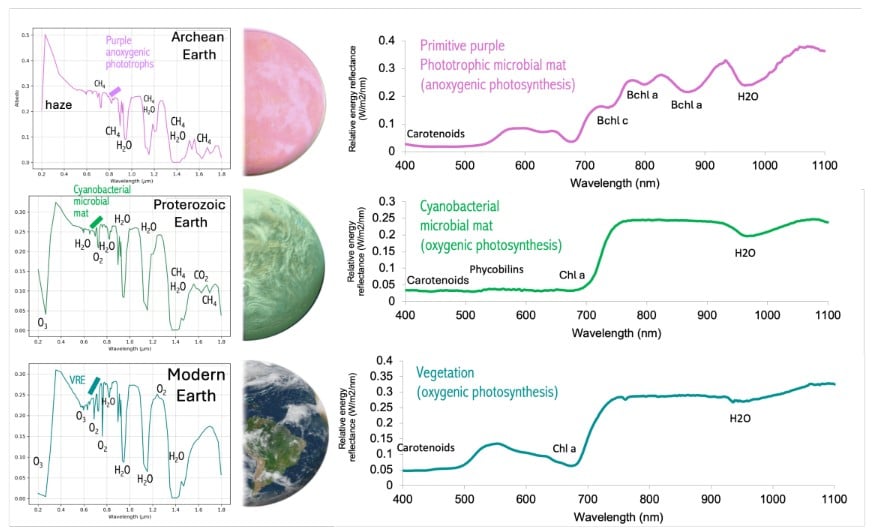
The early stage of giant telescope development involves a lot of horse-trading to try to appease all the different stakeholders that are hoping to get what they want out of
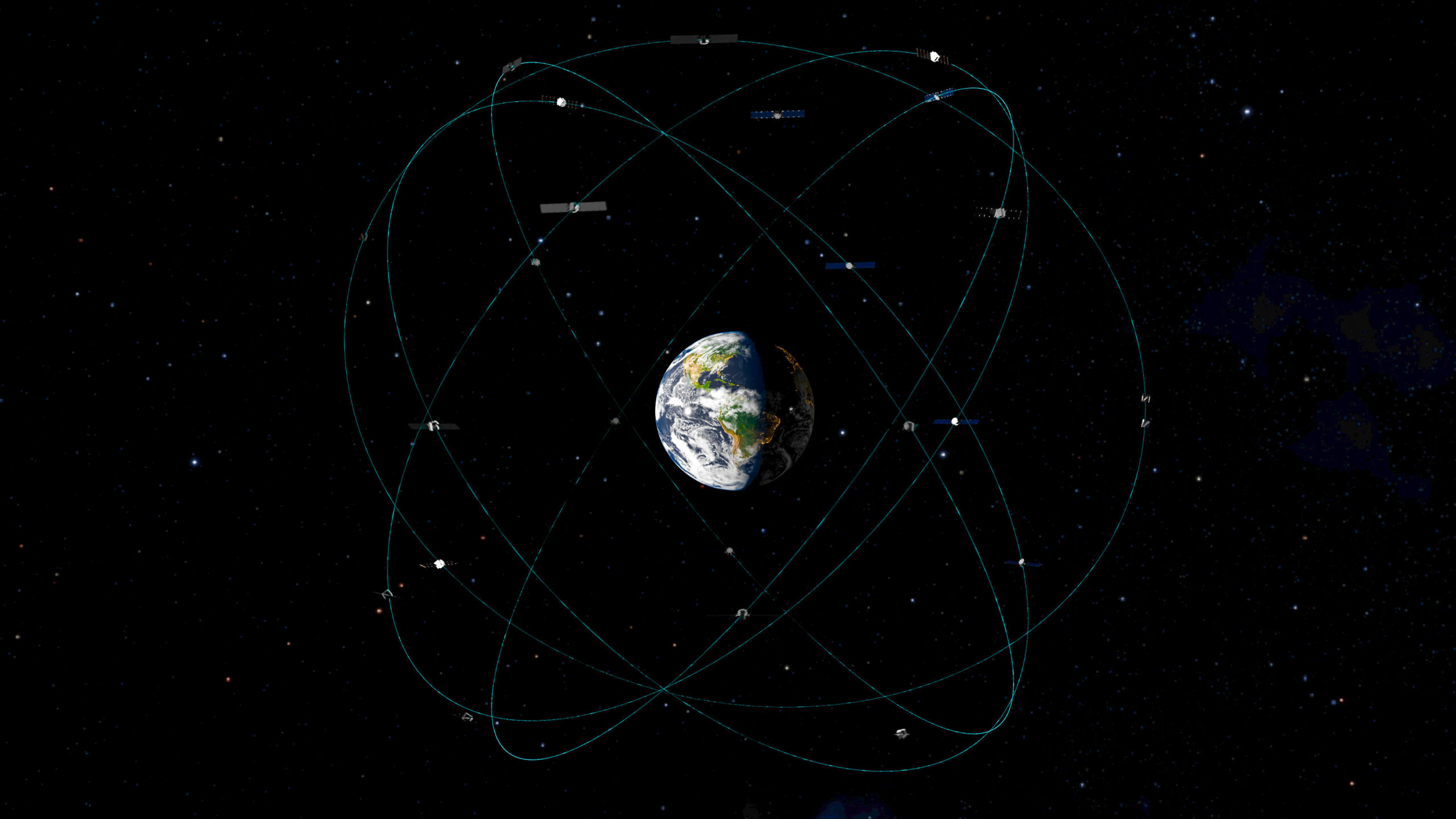
WASHINGTON — The U.S. Space Force has ended an exploratory effort to add smaller, lower-cost navigation satellites to bolster the Global Positioning System, shelving a program that had been identified