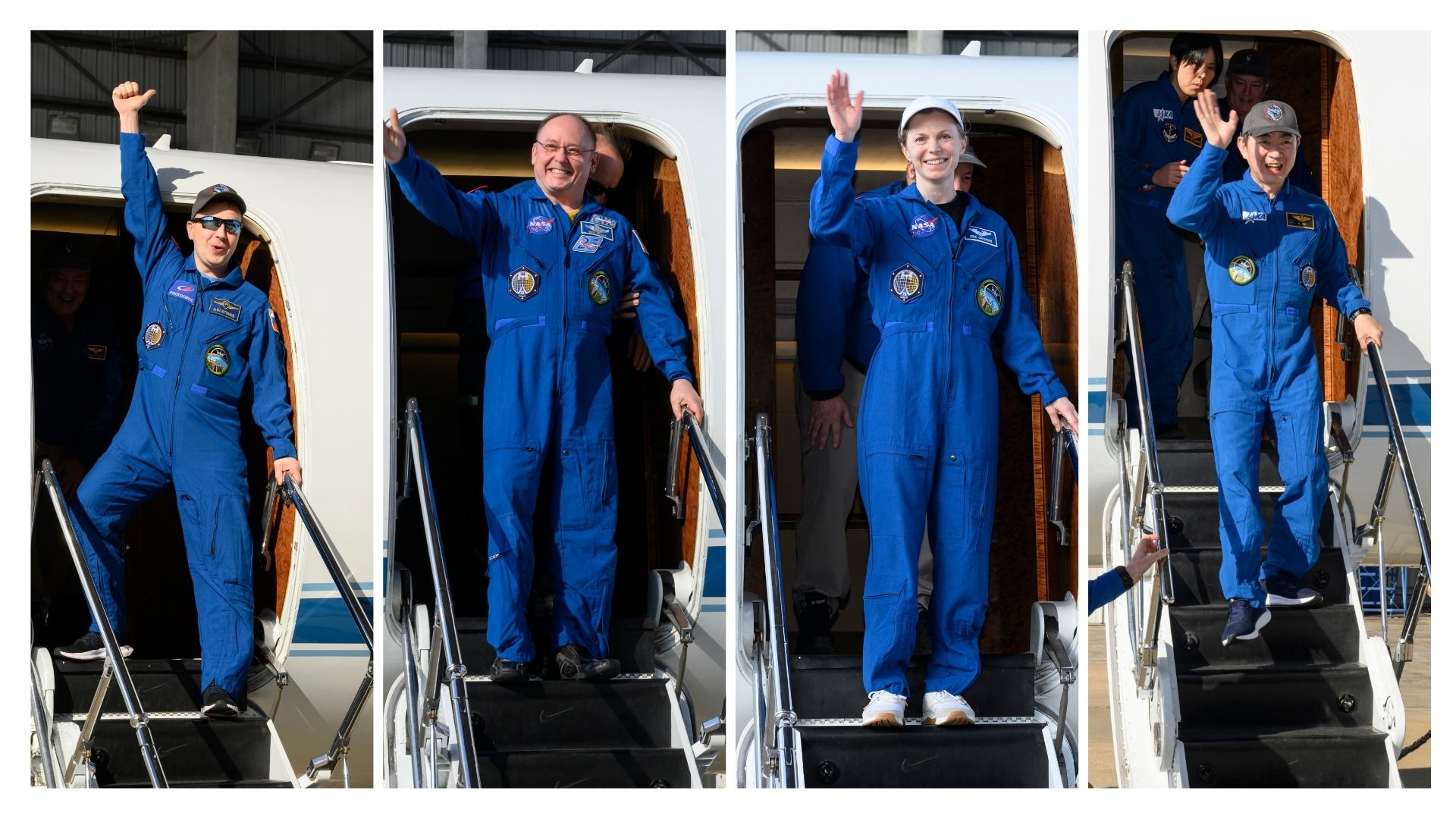
NASA’s SpaceX Crew-11 crew returns to Ellington Field’s Guppy Hangar in Houston on Jan. 16, 2026, from left to right is Roscosmos cosmonaut Oleg Platonov, NASA astronauts Mike Fincke, and

NASA’s SpaceX Crew-11 crew returns to Ellington Field’s Guppy Hangar in Houston on Jan. 16, 2026, from left to right is Roscosmos cosmonaut Oleg Platonov, NASA astronauts Mike Fincke, and
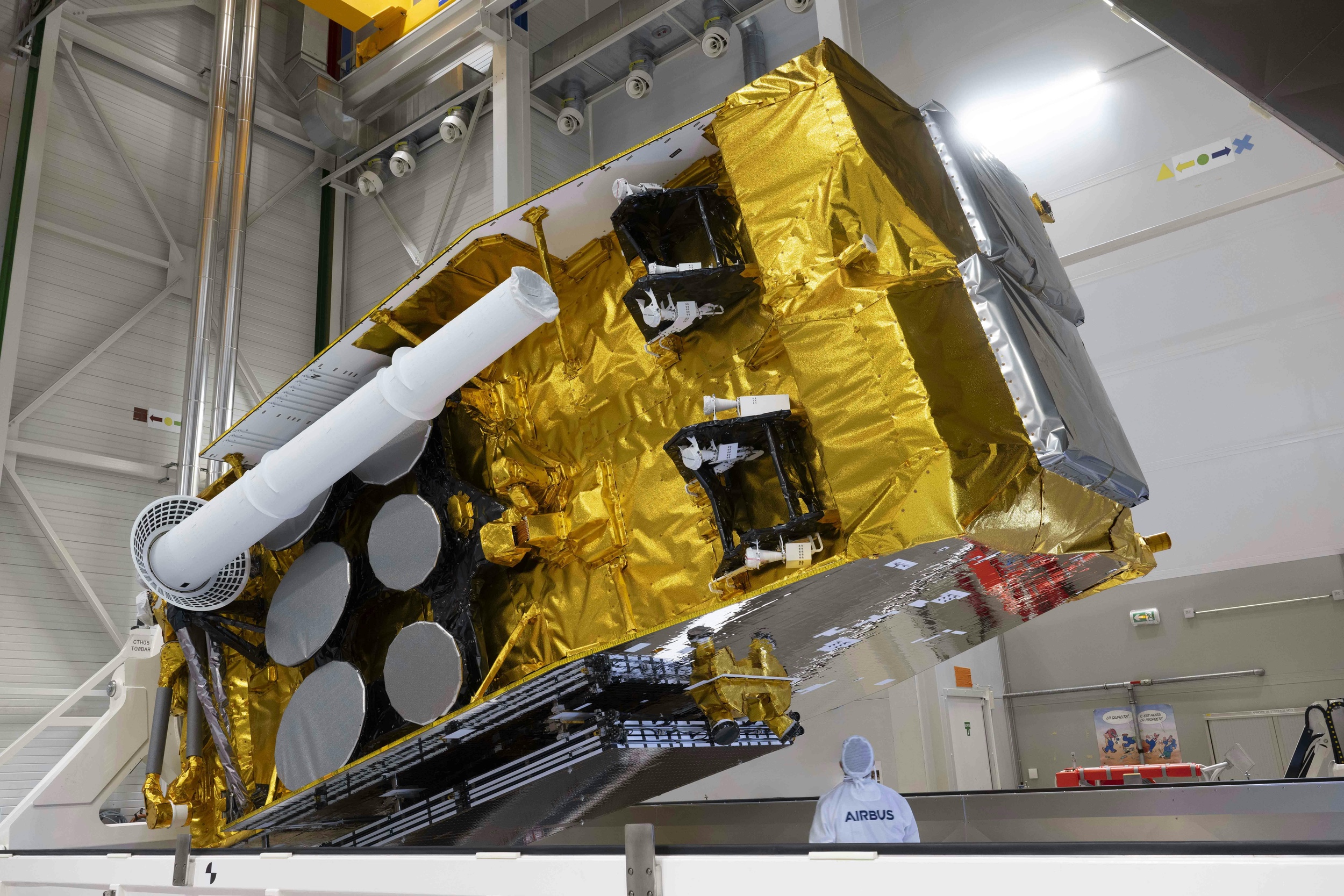
WASHINGTON — The operator of a Spanish military communications satellite that suffered a “space particle” strike has written off the spacecraft, concluding it can no longer carry out its mission.
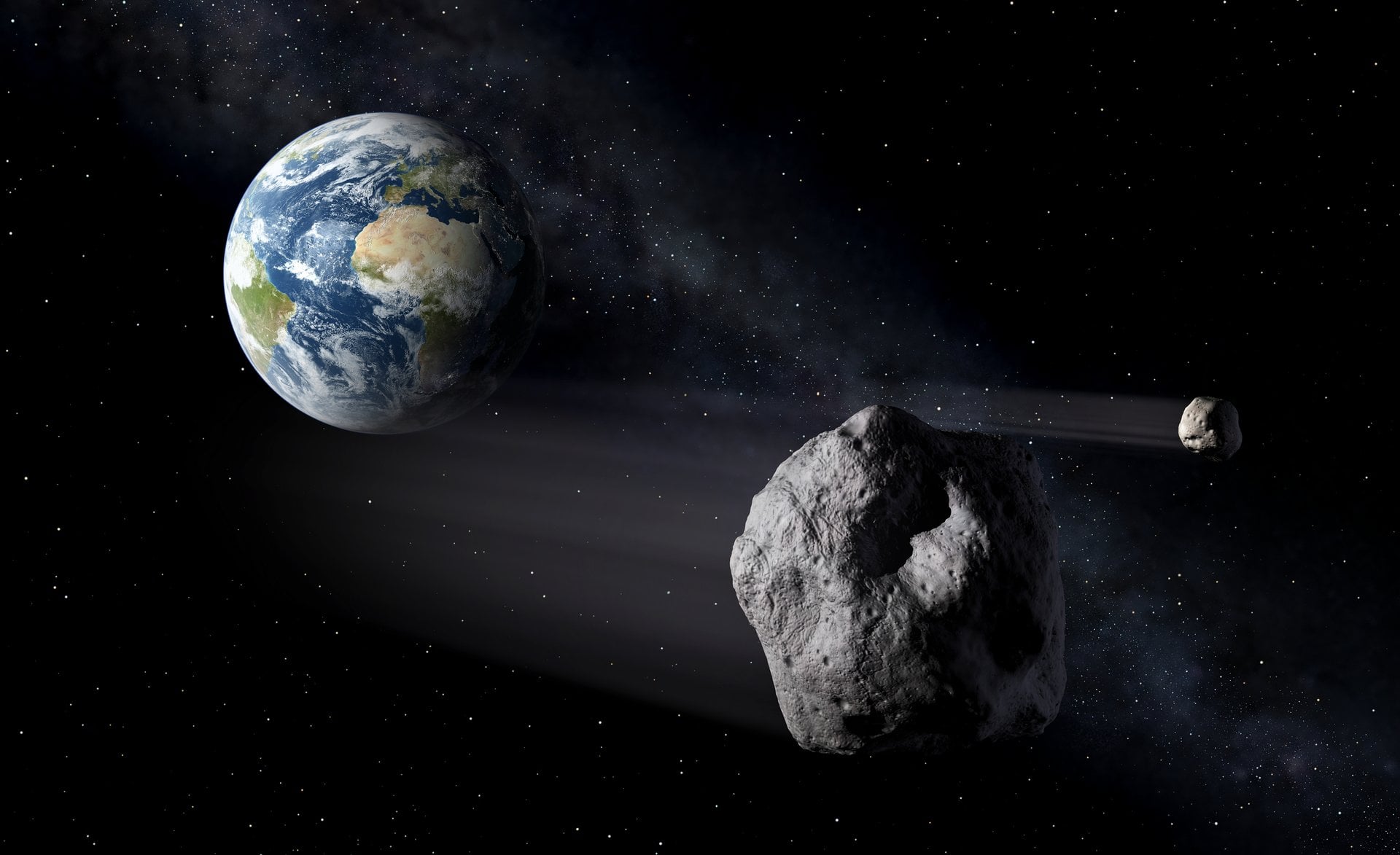
Physicists at the University of Oxford have contributed to a new study which has found that iron-rich asteroids can tolerate far more energy than previously thought without breaking apart –
Credit: NASA For the 15th consecutive year, NASA received an unmodified, or “clean,” opinion from an external auditor on its fiscal year 2025 financial statements. The rating is the best
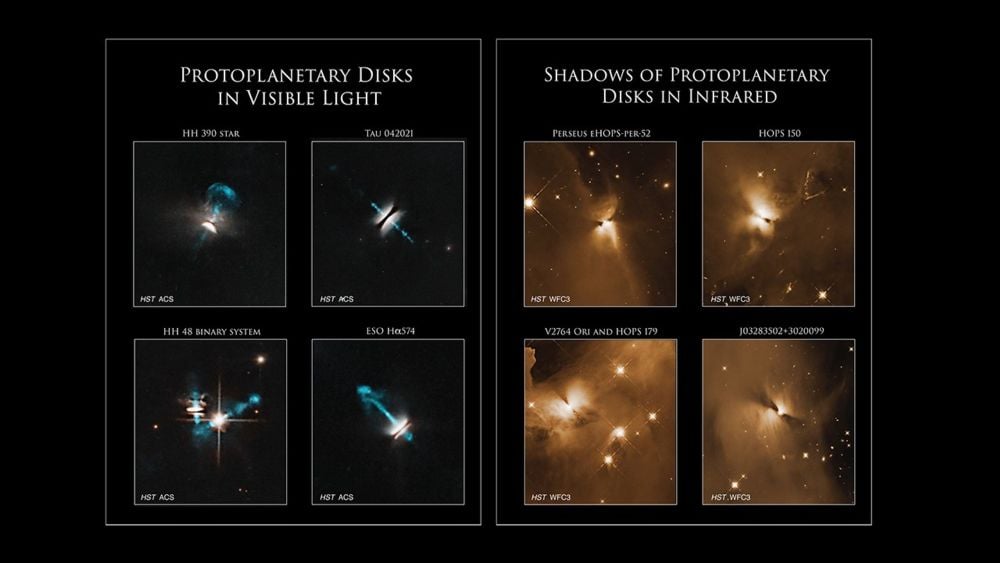
This collection of new images taken by NASA’s Hubble Space Telescope showcases protoplanetary disks, the swirling masses of gas and dust that surround forming stars, in both visible and infrared
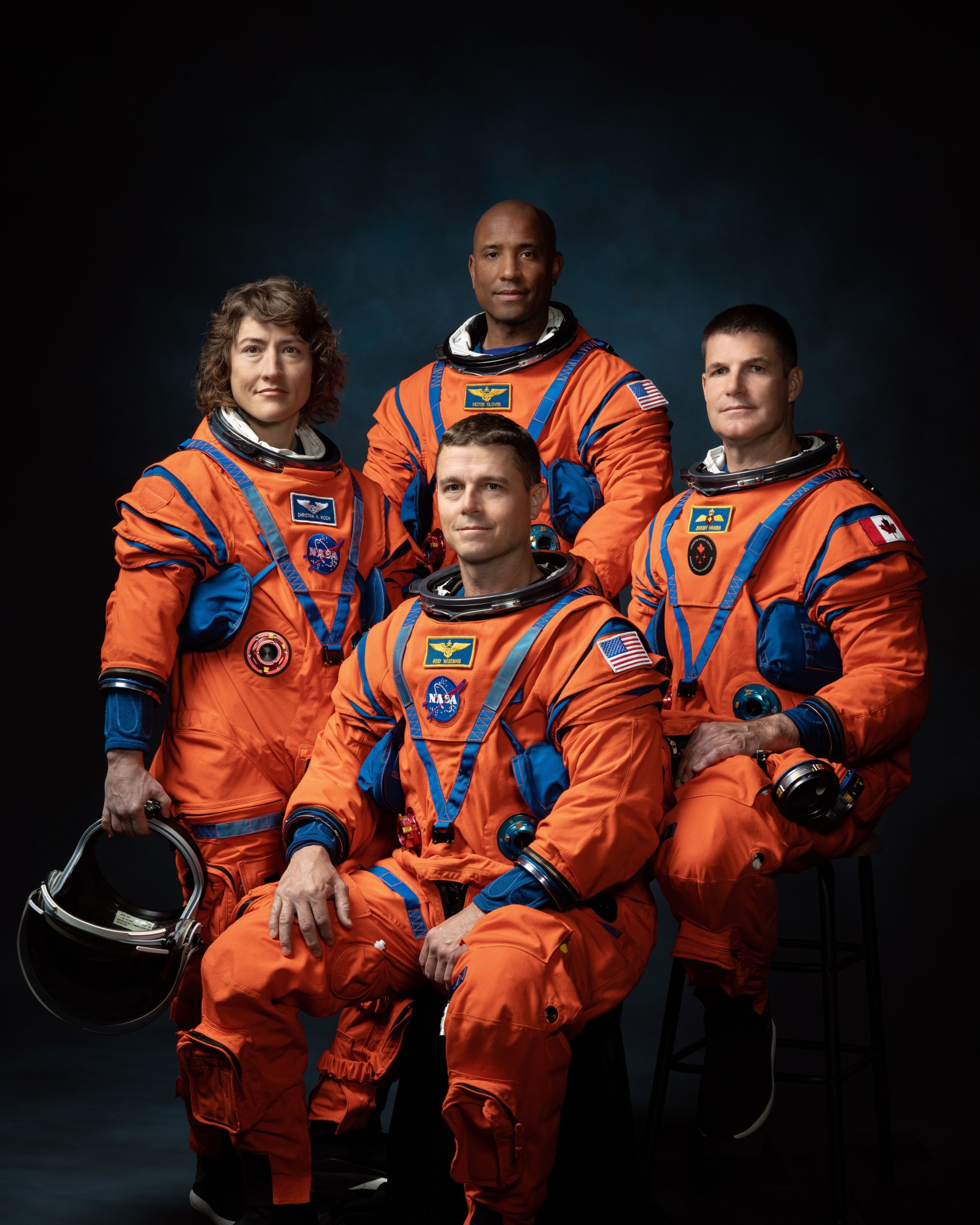
The crew of NASA’s Artemis II mission: NASA astronauts Christina Koch, Reid Wiseman, Victor Glover, and CSA (Canadian Space Agency) astronaut Jeremy Hansen. Credit: NASA NASA is weeks away from
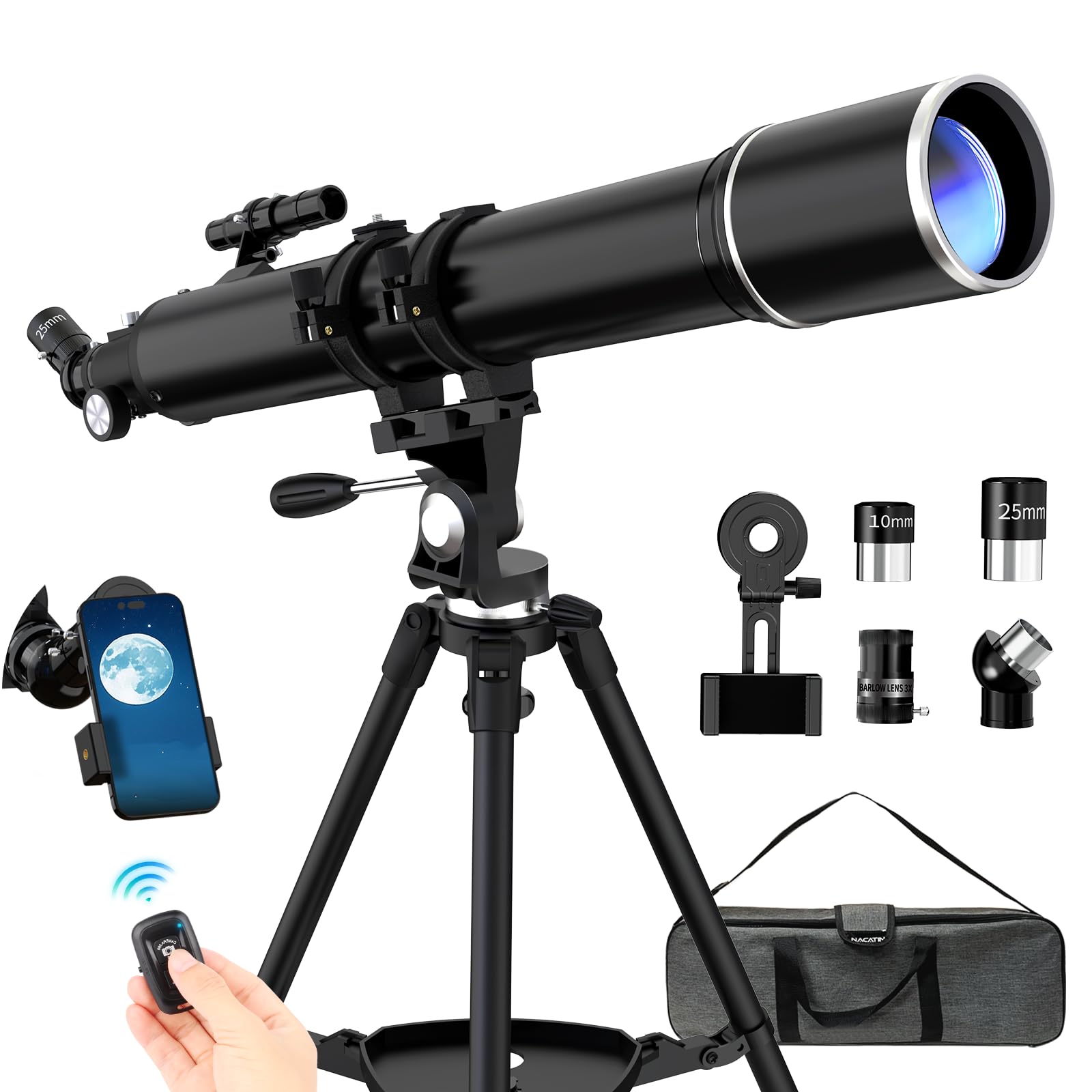
In the vast expanse of the cosmos, where stars flicker like distant campfires and planets spin their silent tales, the FAMIROSA Telescope for Adults invites you to embark on an
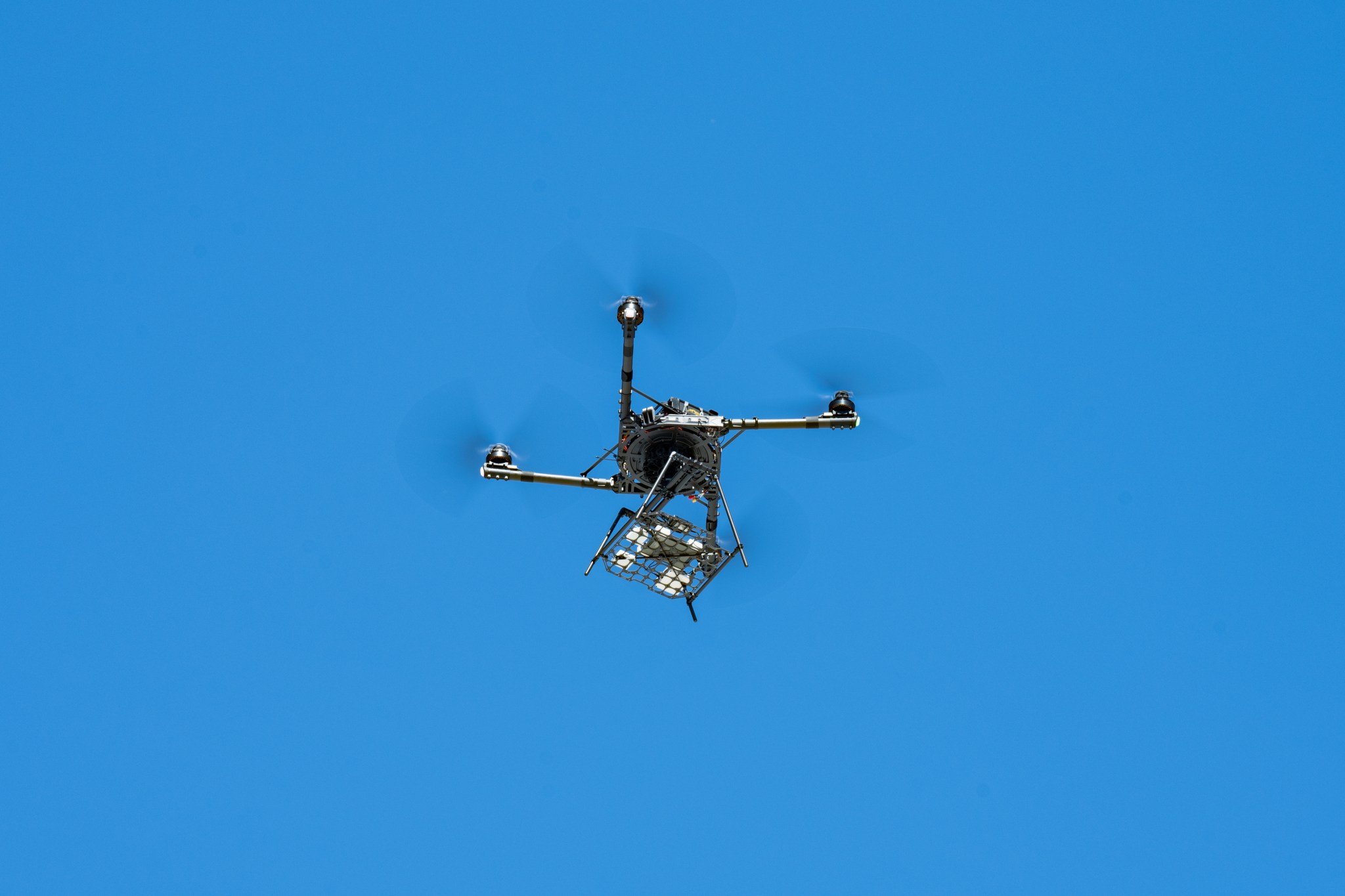
3 min read Preparations for Next Moonwalk Simulations Underway (and Underwater) By Supreet Kaur In an era where data security is critical to aviation safety, NASA is exploring bold new solutions.
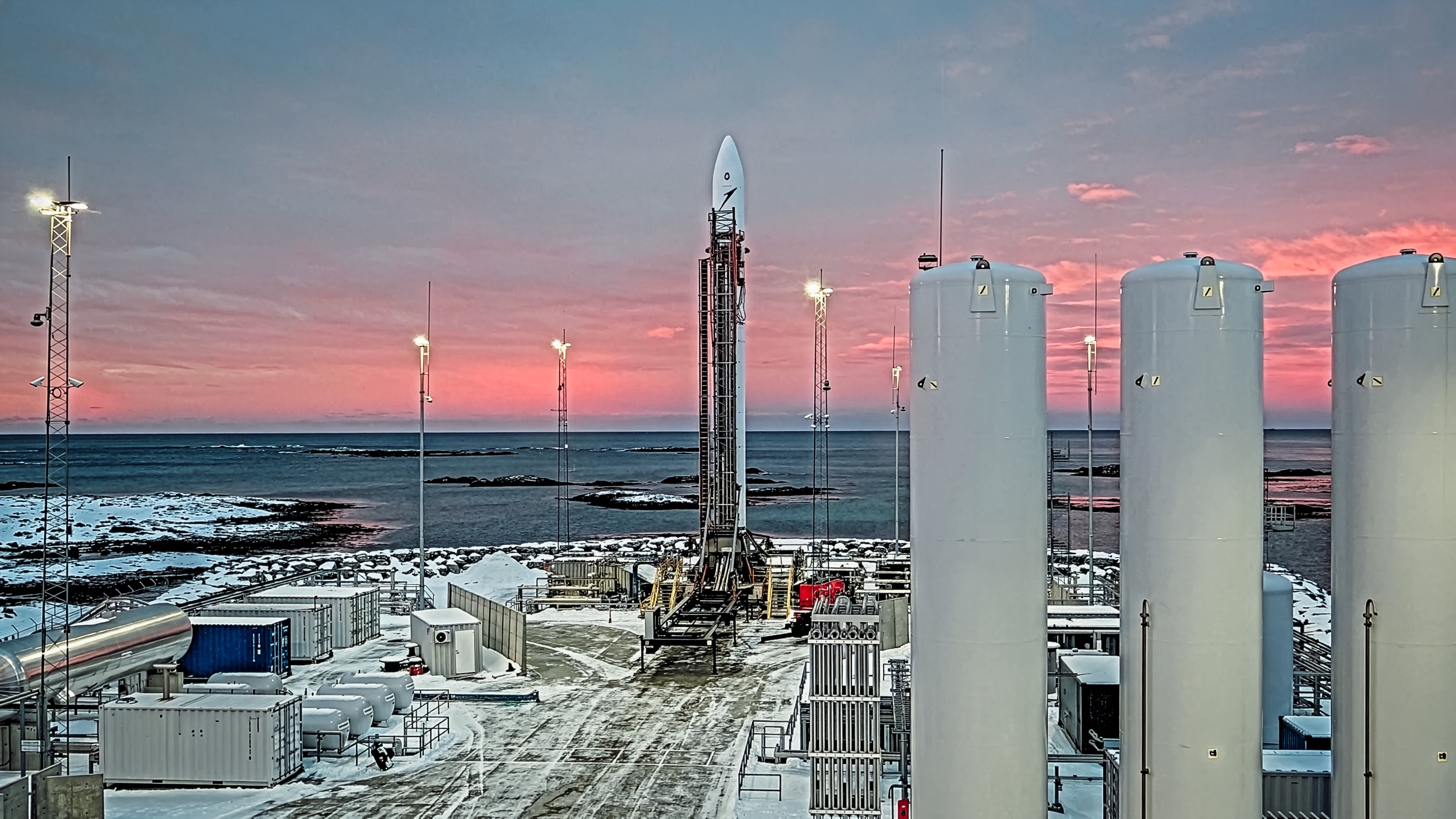
WASHINGTON — German launch company Isar Aerospace is preparing for the second launch of its Spectrum rocket, this time carrying several satellite payloads. The Munich-based company announced Jan. 16 that
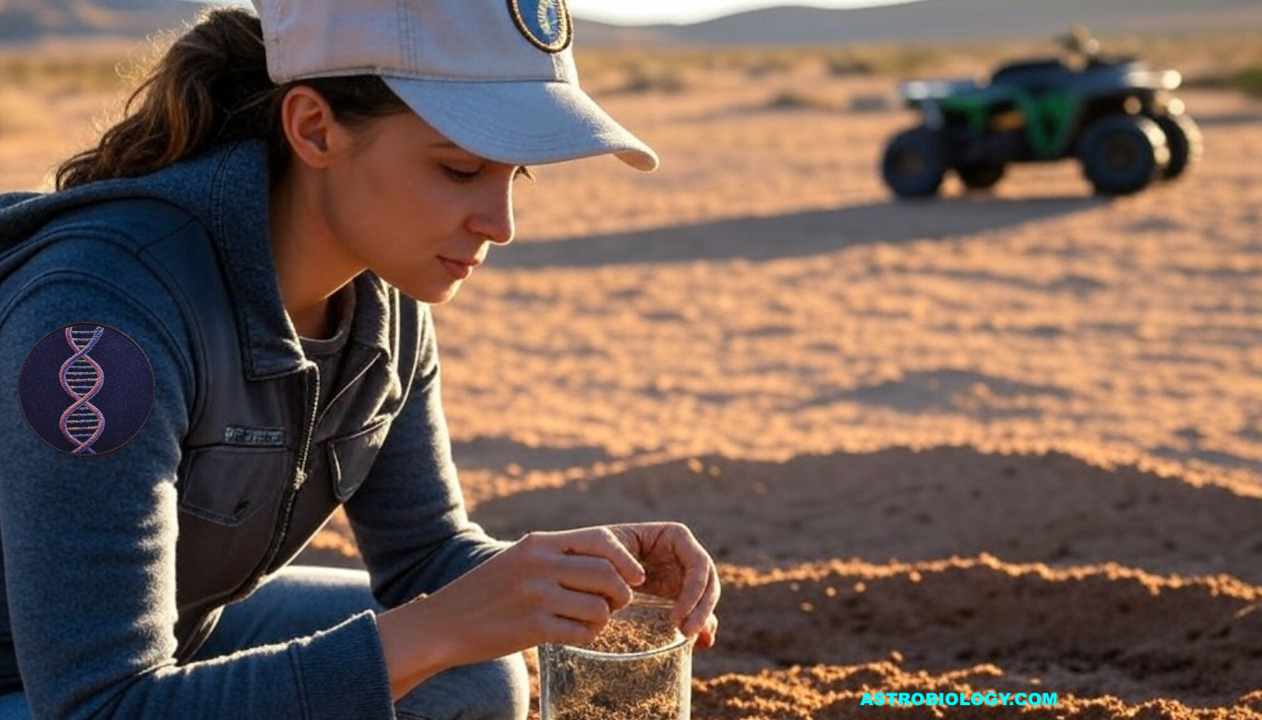
Keith Cowing Explorers Club Fellow, ex-NASA Space Station Payload manager/space biologist, Away Teams, Journalist, Lapsed climber, Synaesthete, Na’Vi-Jedi-Freman-Buddhist-mix, ASL, Devon Island and Everest Base Camp veteran, (he/him) 🖖🏻 Follow on