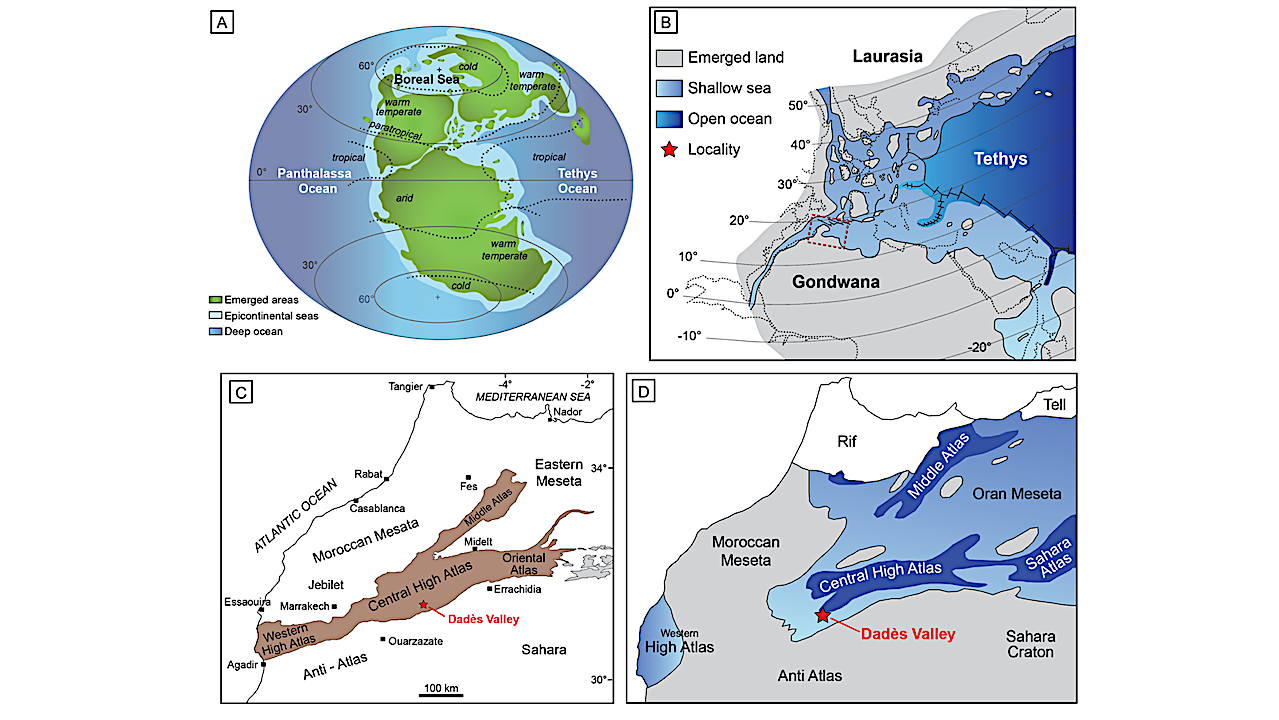
Maps of the study site. A) Toarcian palinspastic and paleoenvironmental reconstruction with paleoclimate belts; modified from Sinha et al. (2021) and references therein. B) Paleoenvironmental reconstruction of the western Tethys

Maps of the study site. A) Toarcian palinspastic and paleoenvironmental reconstruction with paleoclimate belts; modified from Sinha et al. (2021) and references therein. B) Paleoenvironmental reconstruction of the western Tethys
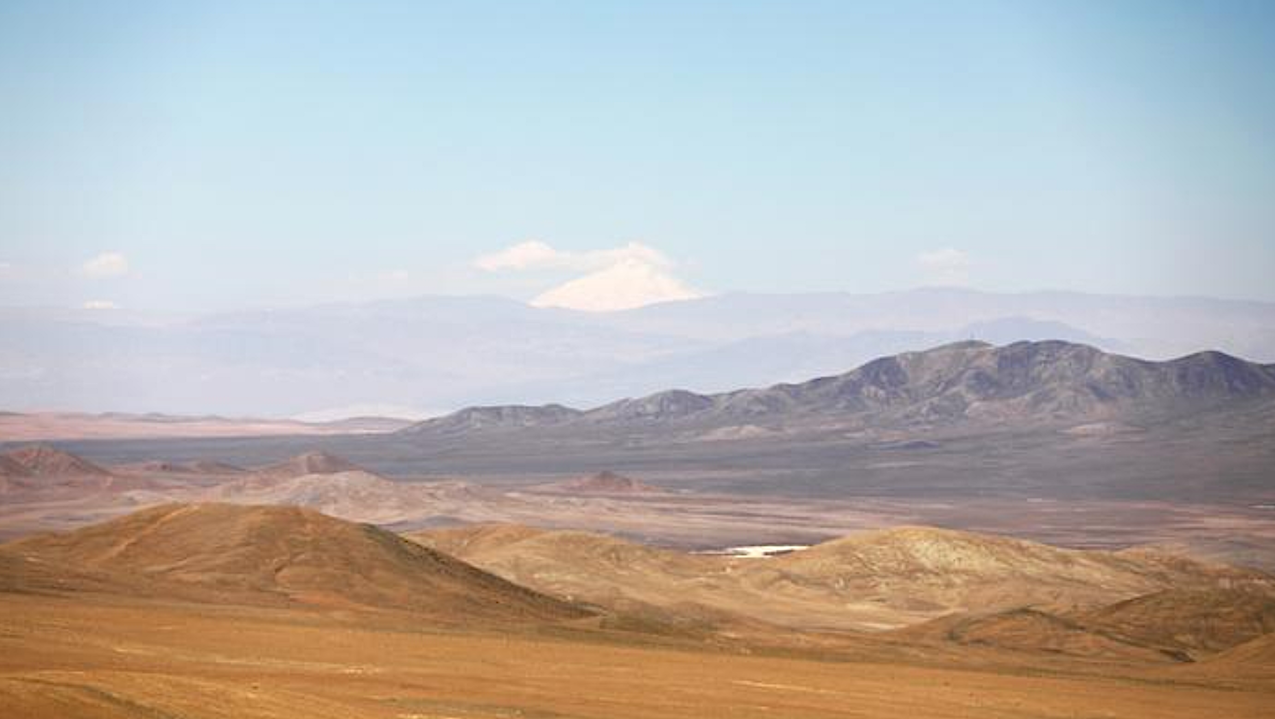
New research shows that diverse populations of organisms can persist in the soil despite harsh and extremely dry conditions. Credit Jan Voelkel – University of Cologne A new study shows
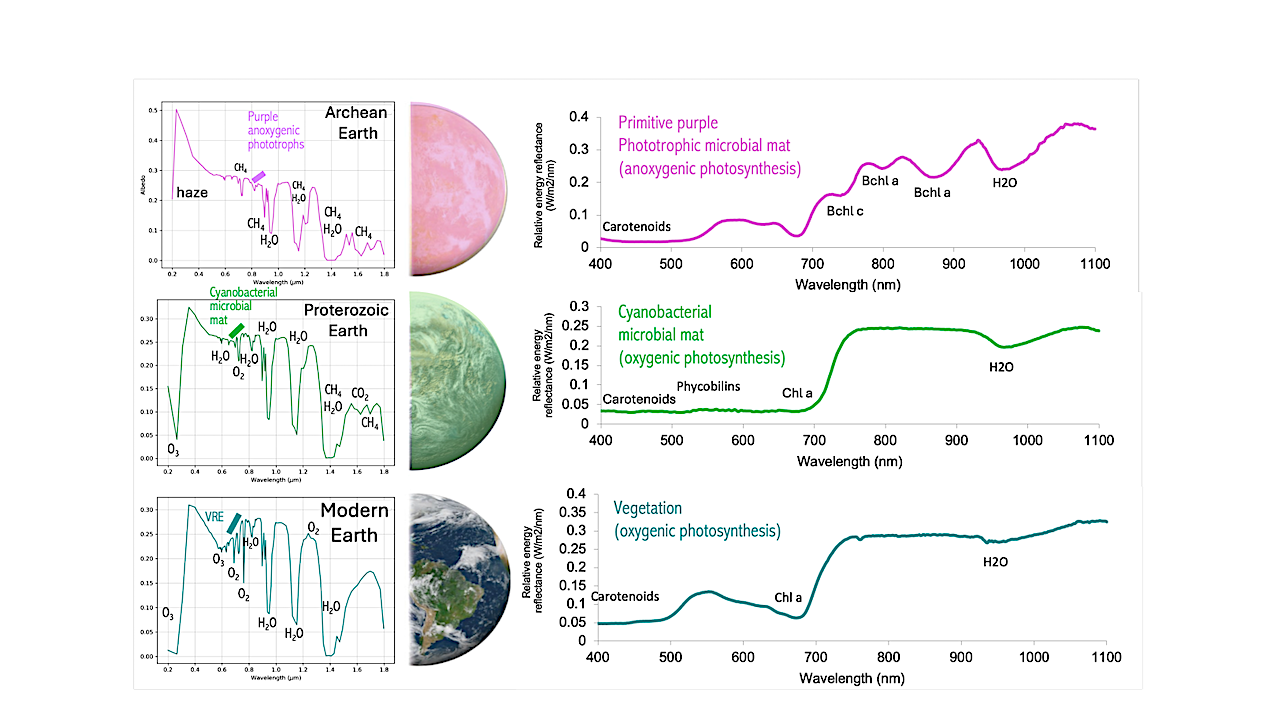
Left: Reflectance spectra of photosynthetic organisms on rock, mineral, and snow/ice abiotic surfaces with Archean, Proterozoic, and Modern atmospheric compositions (planetary spectra provided by Anna Grace Ulses, Univ. of Washington).
After more than 10 years in orbit, the first Copernicus Sentinel-2 satellite, Sentinel-2A, is still finding new ways to contribute to Earth observation. With its younger siblings, Sentinel-2B and Sentinel-2C,
Chinese researchers have braved the cold and harsh environment of Antarctica in order to get a unique view of star formation in the interstellar medium (ISM). The Chinese National Antarctica
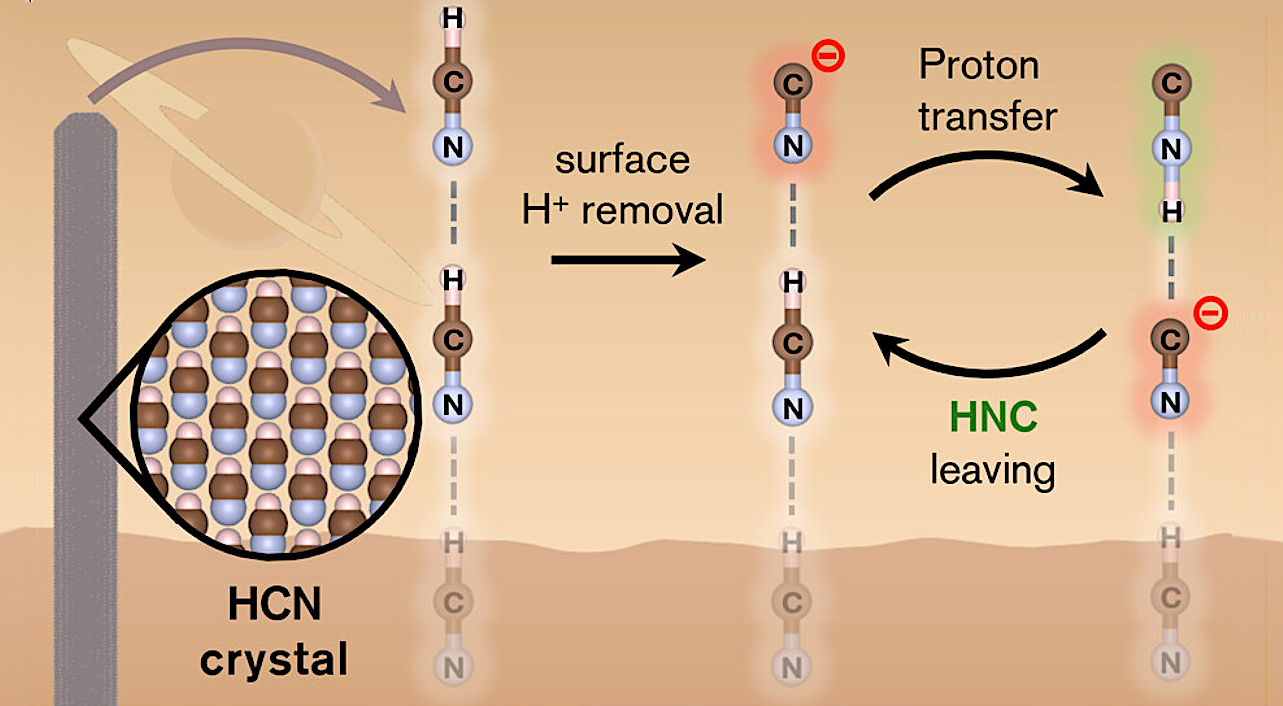
Graphical Abstract — American Chemical Society A substance poisonous to humans — hydrogen cyanide — may have helped create the seeds of life on Earth. At cold temperatures, hydrogen cyanide
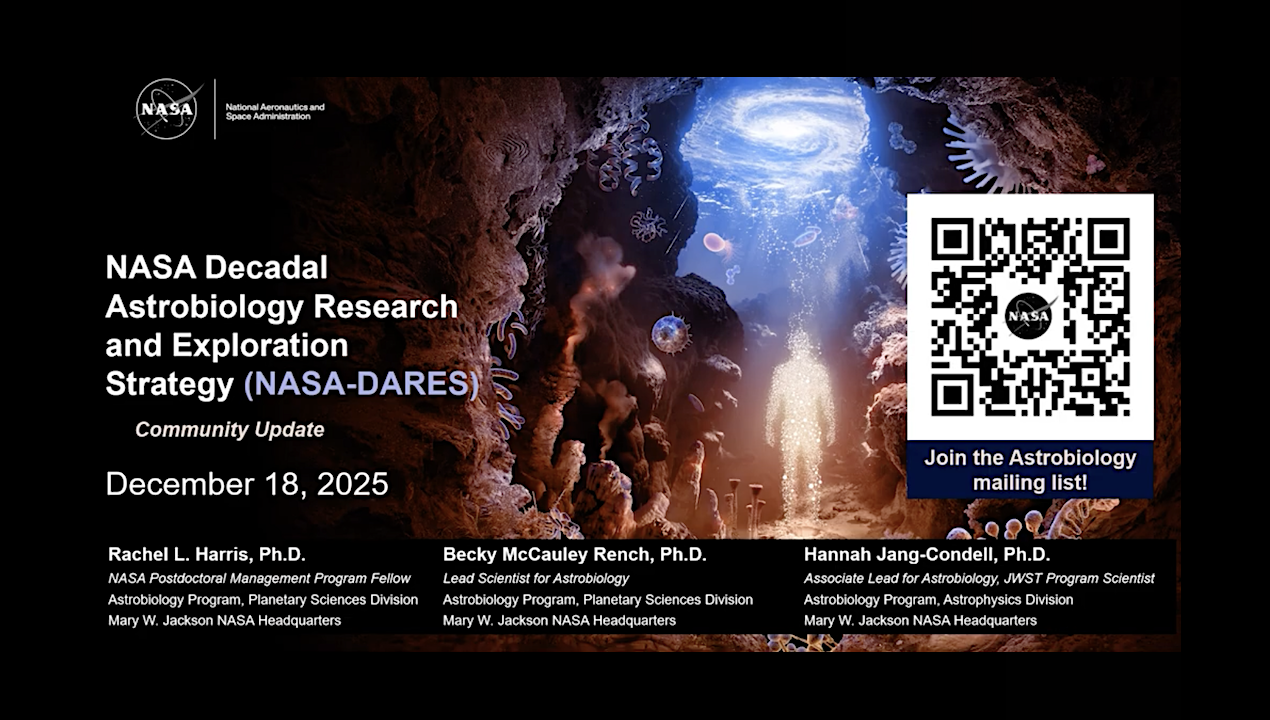
NASA DARES AGU Community Update In case you missed it, the recording of the NASA-DARES Community Update, held during the AGU Fall Meeting on December 18, 2025, is now available
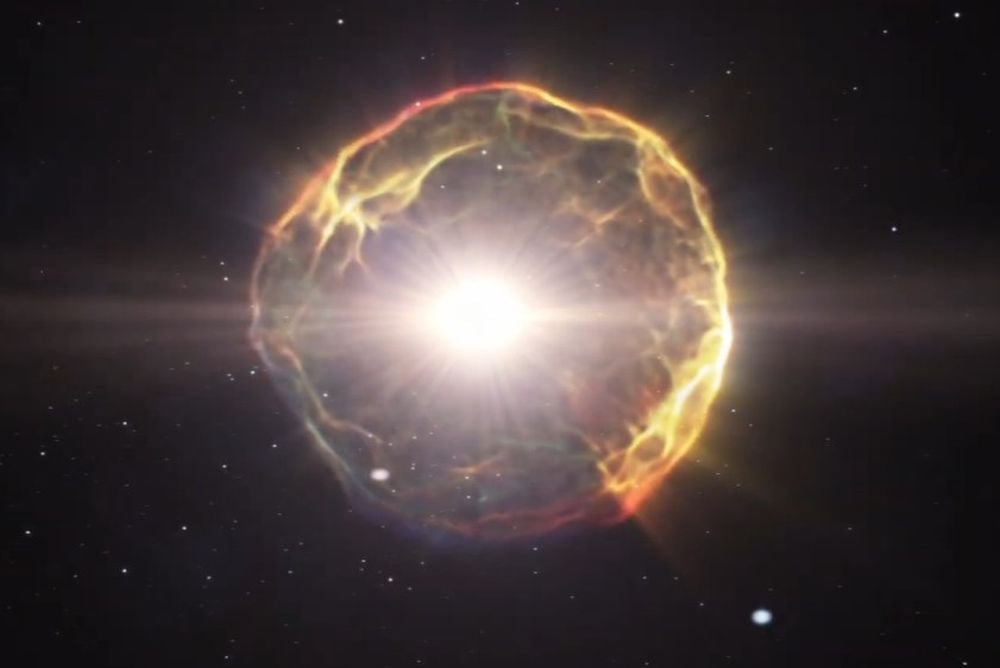
Researchers used the JWST to find a pair of strong gravitationally lensed Supernovae. They exploded billions of years ago, and their light is just reaching us now. Because of the
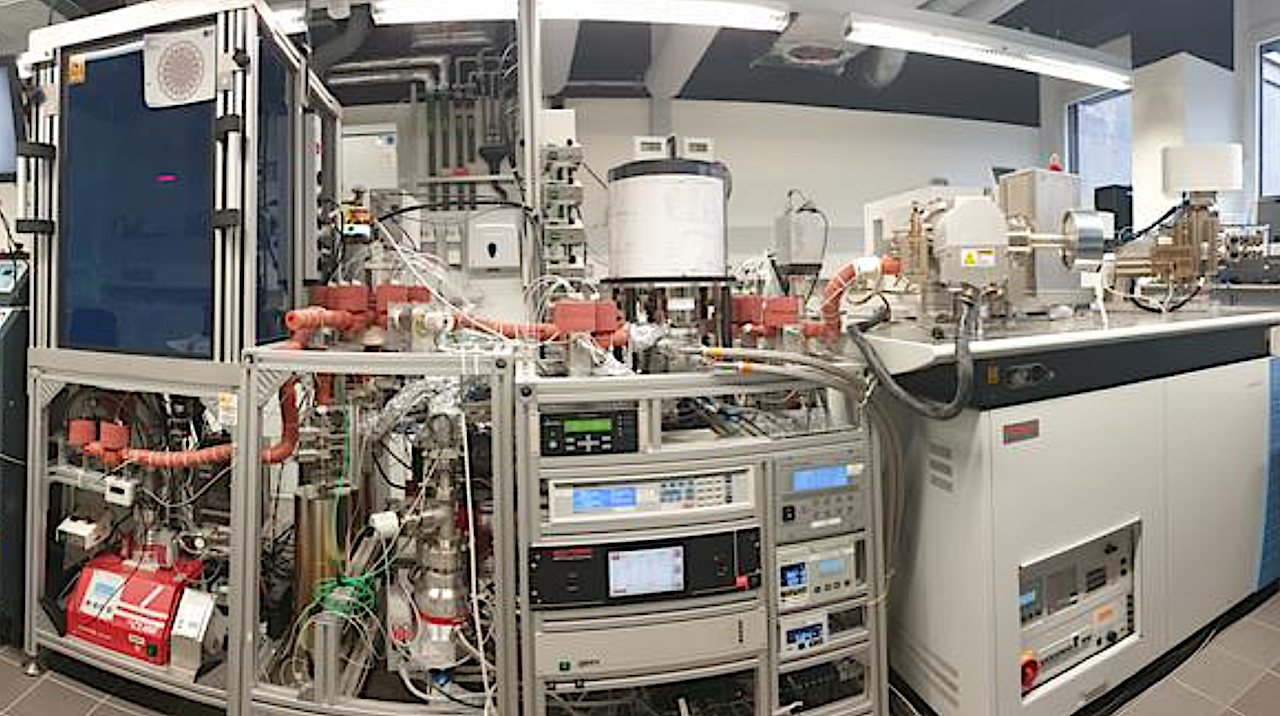
The noble gas laboratory in Cologne used to analyse the crypton for the study. Credit Tibor Dunai – University of Cologne An international research team involving the University of Cologne
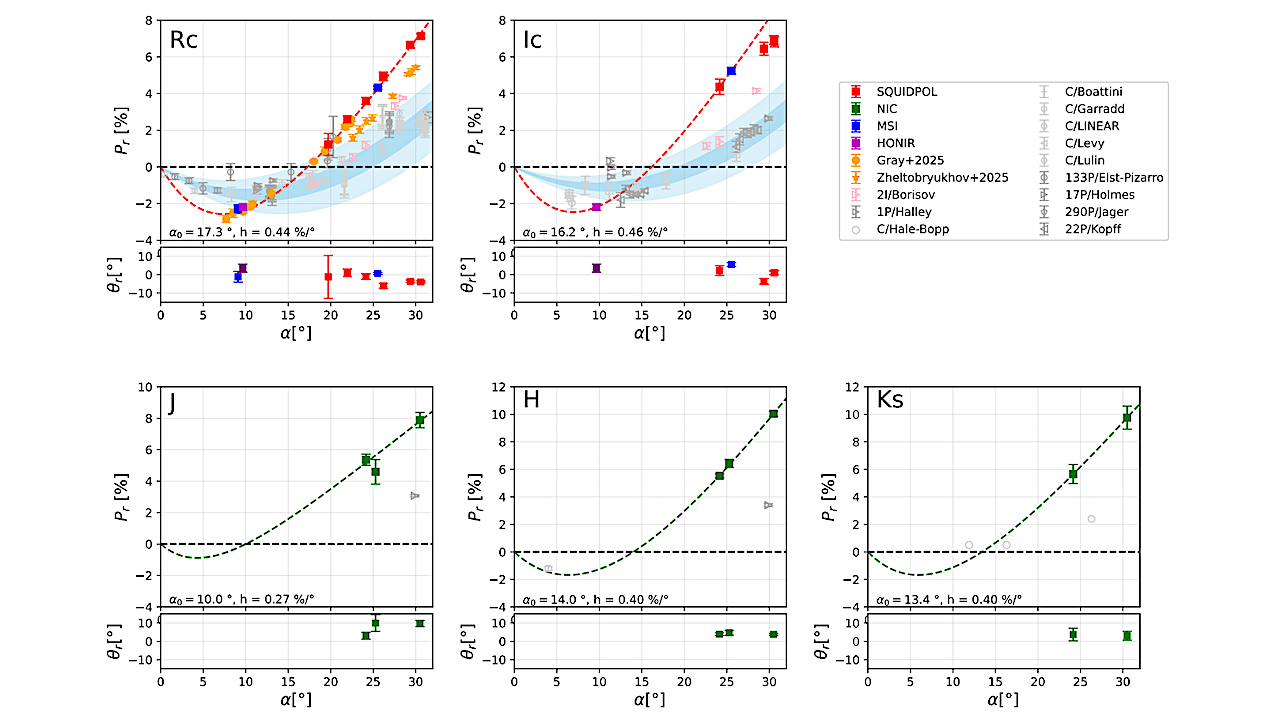
Polarization degree (Pr) and polarization position angle (θr) of 3I/ATLAS as a function of phase angle, measured in five bands (RC, IC, J, H, and Ks). Colored symbols denote our