
Brown dwarfs get a bad rap in the stellar world, often labeled as “failed stars” for their inability to sustain nuclear fusion at their cores. The mass of these objects

Archive for March, 202653- Page
1088Articles
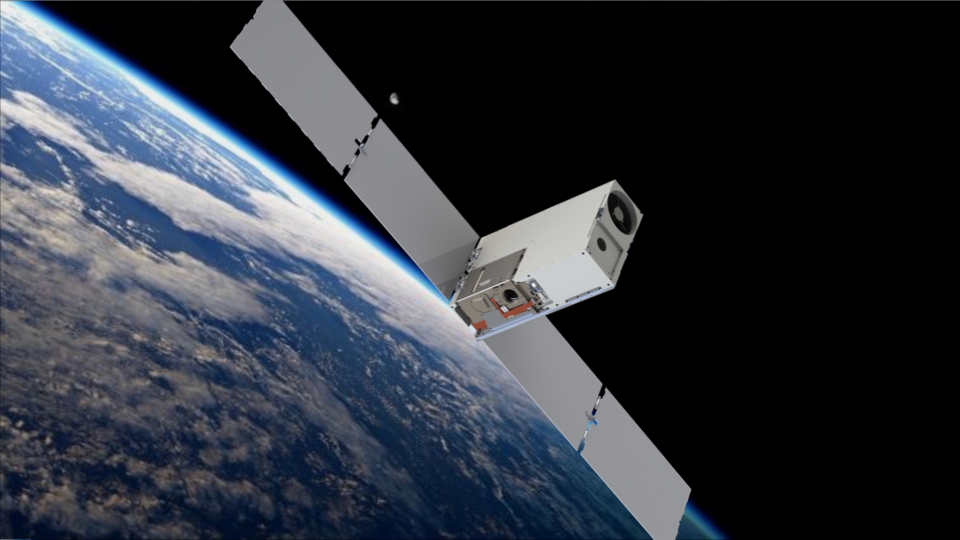
With the first images from the spacecraft now in hand, the team behind NASA’s Star-Planet Activity Research CubeSat (SPARCS) is ready to begin charting the energetic lives of the galaxy’s
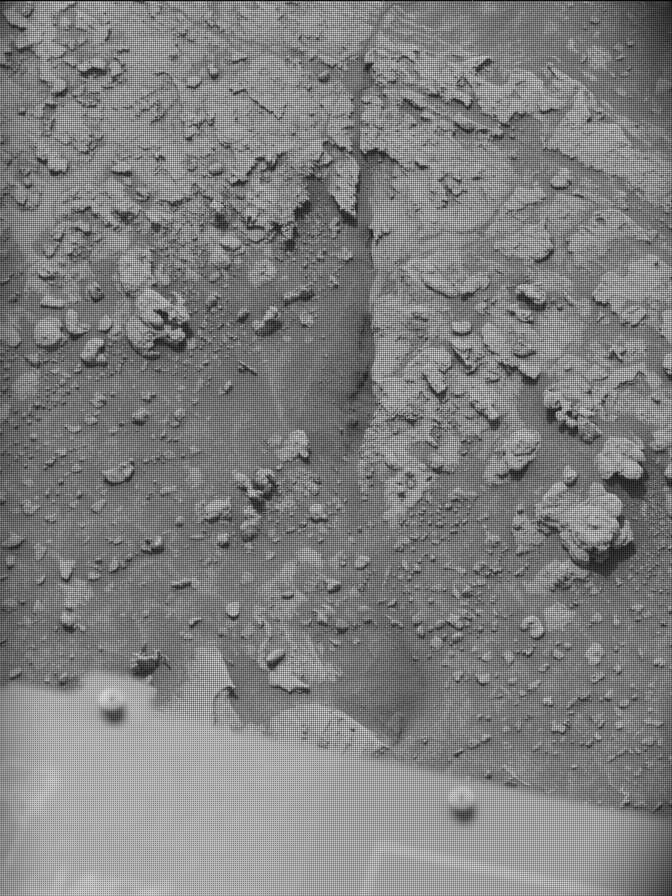
Curiosity Navigation Curiosity Home Mission Overview Where is Curiosity? Mission Updates Science Overview Instruments Highlights Exploration Goals News and Features Multimedia Curiosity Raw Images Images Videos Audio Mosaics More Resources
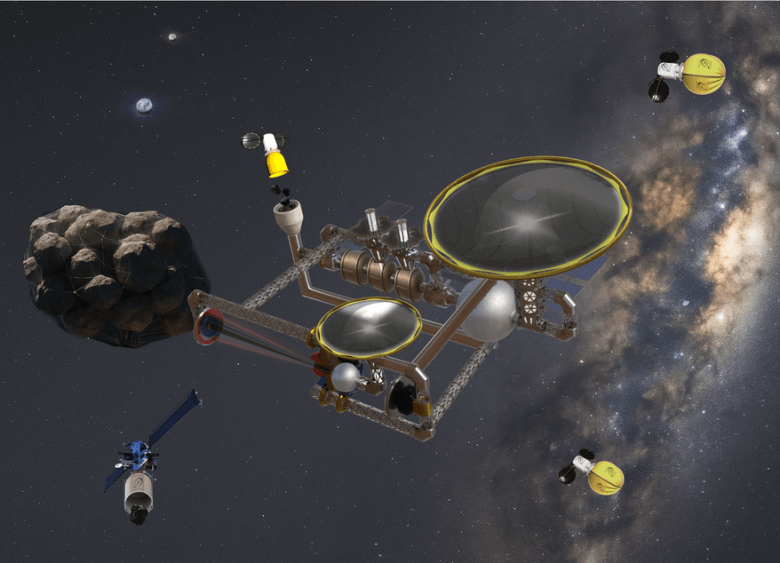
SAN FRANCISCO — TransAstra is performing a study, funded by investors and customers, to explore the technical feasibility of moving a 100-metric-ton asteroid to a stable near-Earth orbit. “We want
In a happy twist of fate, NASA’s Hubble Space Telescope witnessed a comet in the act of breaking apart. The chance of that happening while Hubble watched is extraordinarily minuscule.
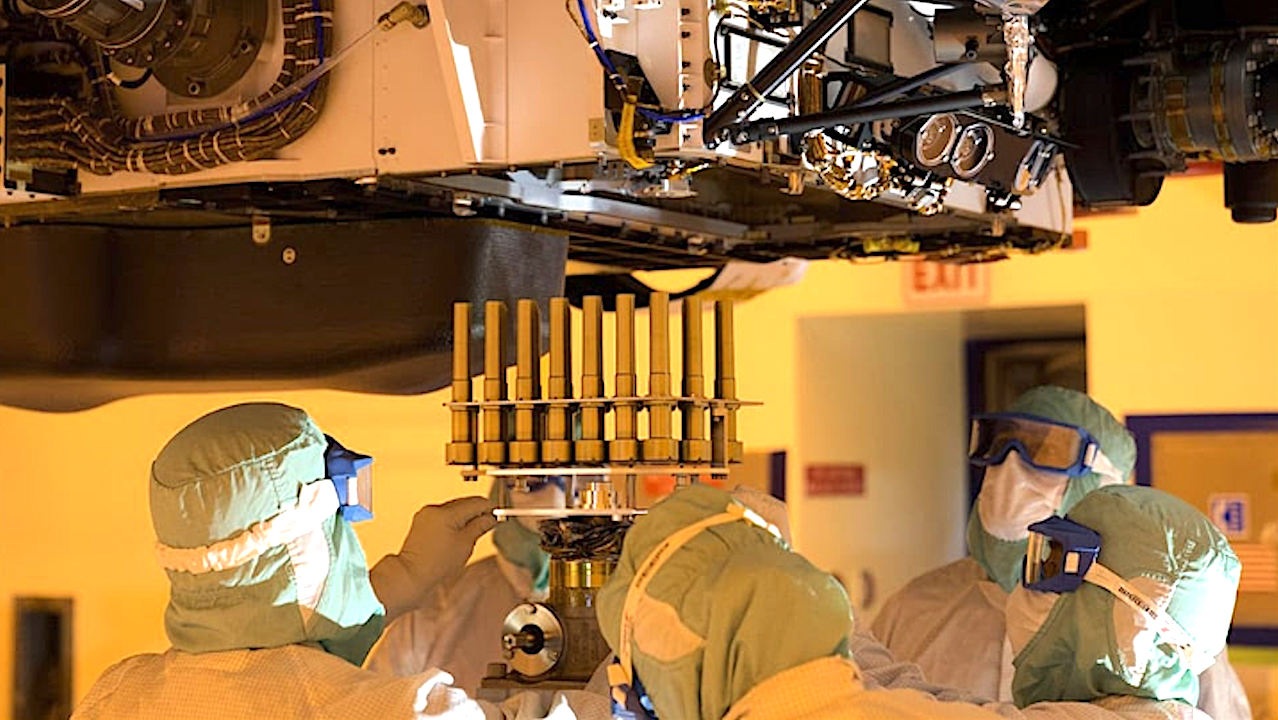
Credit: NASA/JPL-Caltech/KSC The National Academies’ Committee on Planetary Protection is hosting a virtual meeting that will inform NASA’s efforts to develop a prioritized list of factors that contribute to the
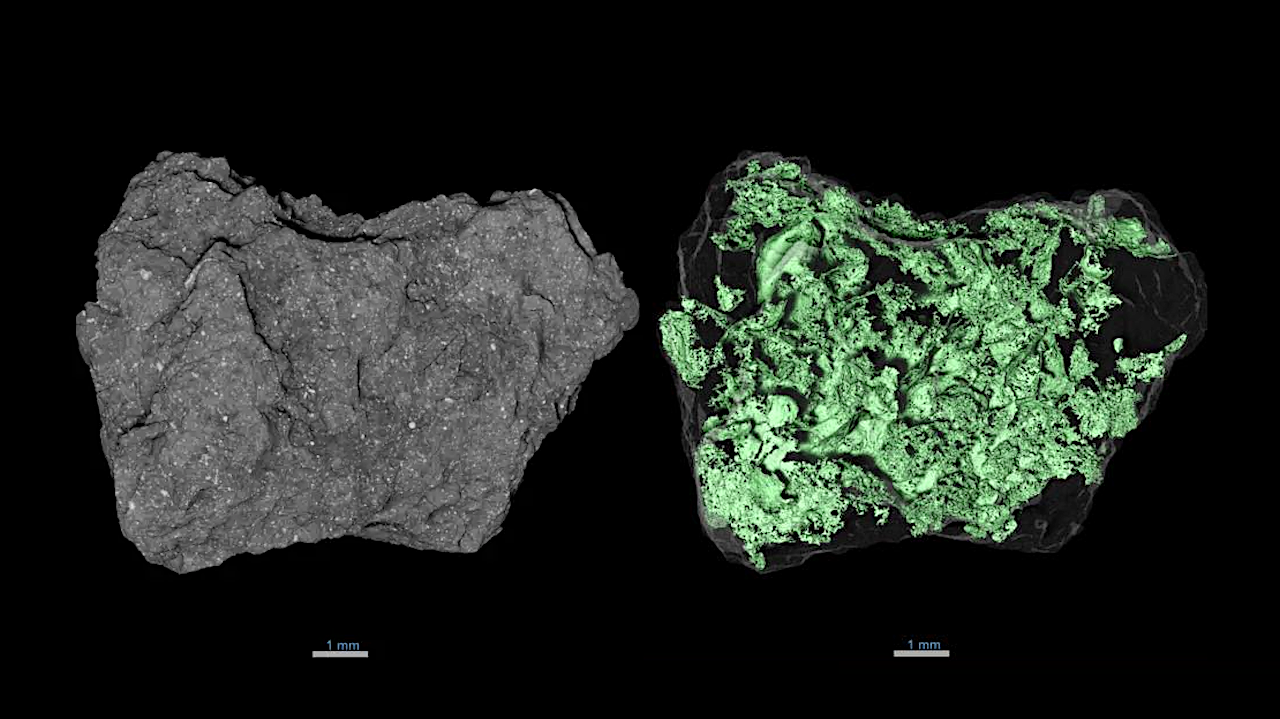
Close-up of a sample particle from asteroid Bennu. Credit NASA/Scott Eckley The same particle analyzed with X-ray computed tomography scanning. This specimen shows the most common types of
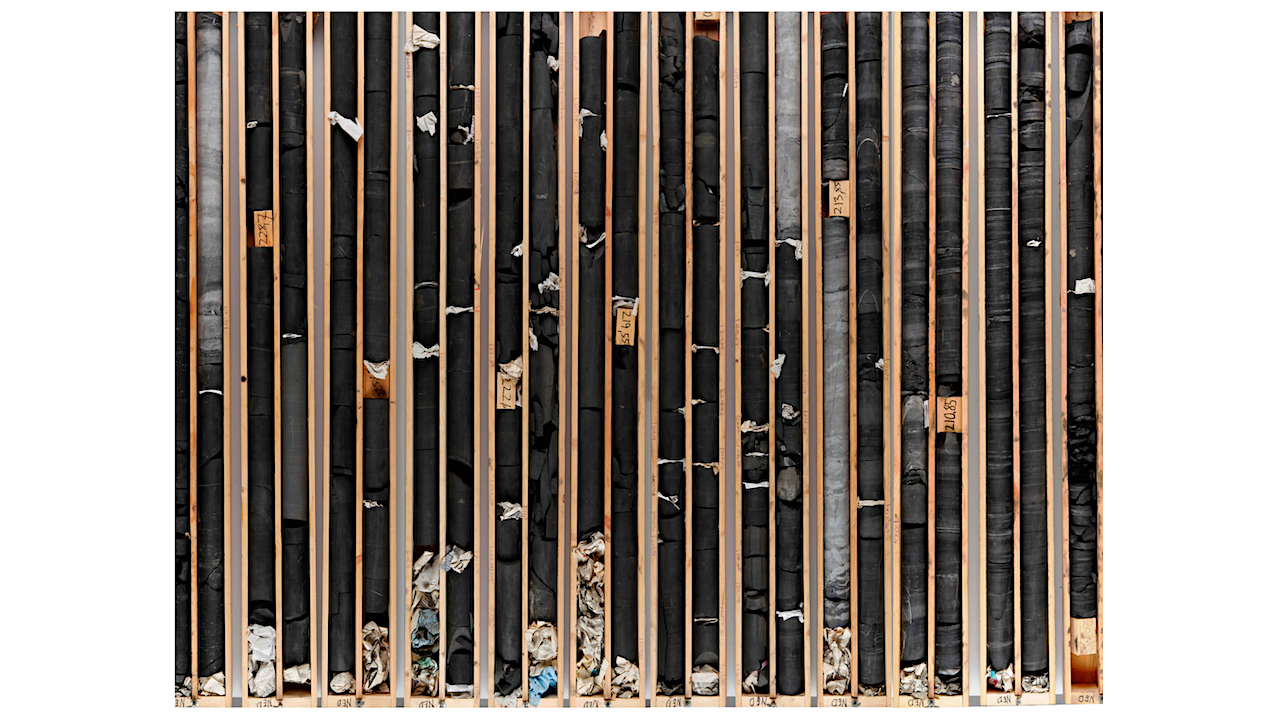
The researchers focused on exceptionally well-preserved sedimentary rocks deposited on ancient seafloors in what is now southern Sweden. Credit Unil How can we measure time more than 500 million years
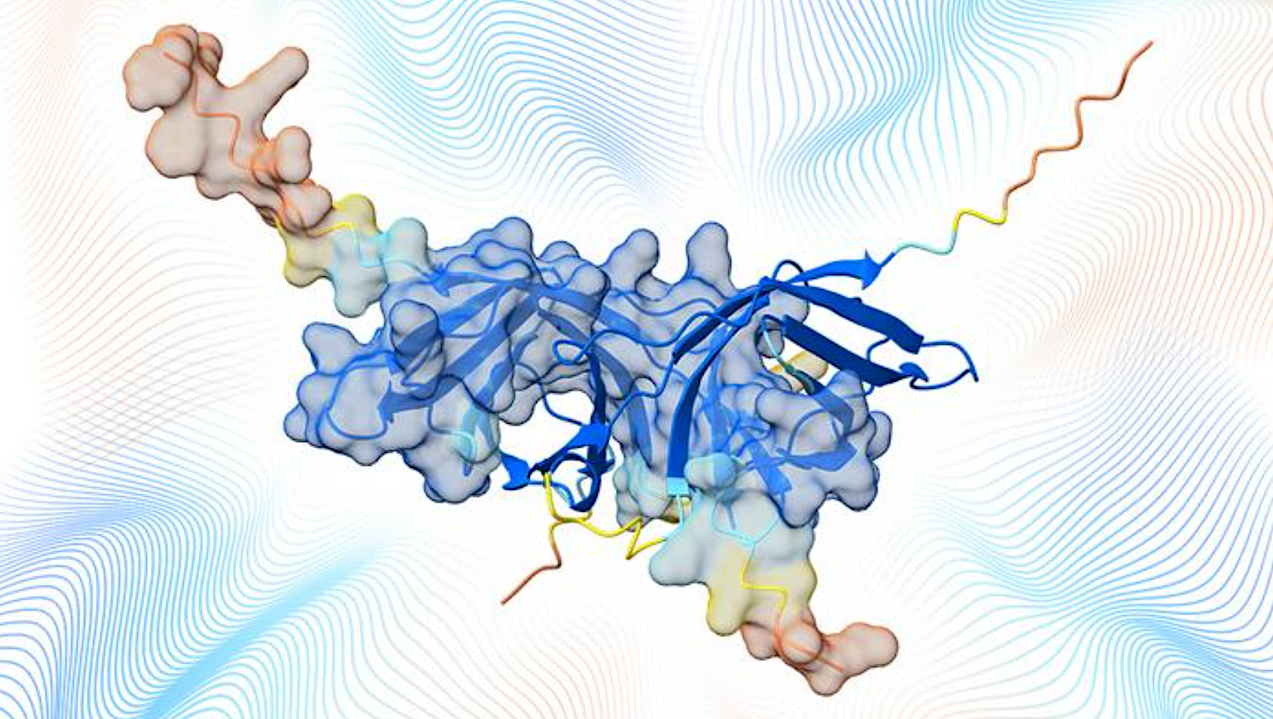
Slime mould Dictyostelium discoideum protein complex Q55DI5 (AF-0000000066503175), annotated as a transcription elongation factor. The single chain looked disordered, but modelling the homodimer revealed that two chains intertwine, each contributing
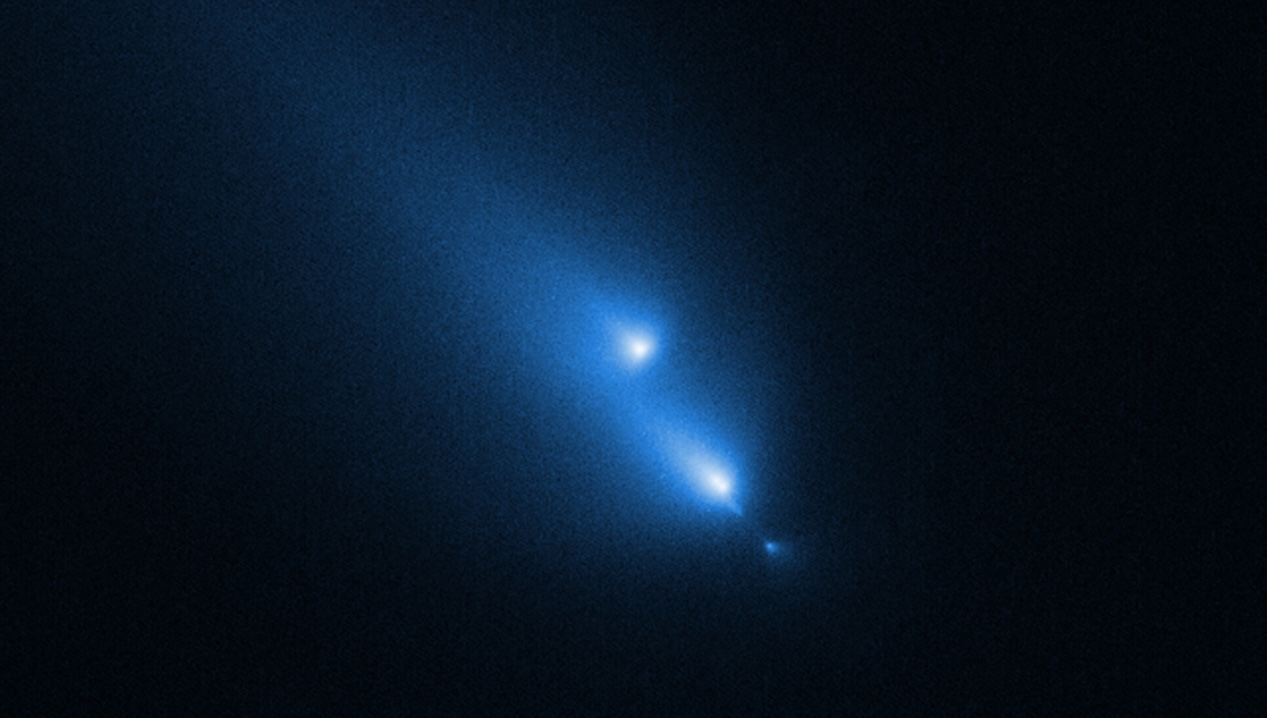
Comet K1, whose full name is Comet C/2025 K1 (ATLAS) – not to be confused with interstellar comet 3I/ATLAS – was not the original target of a recent Hubble study.


Advertisement
Popular Now
-
 01Two Black Holes Observed Circling Each Other for the First Time
 -
 02From Polymerization-Enabled Folding and Assembly to Chemical Evolution: Key Processes for Emergence of Functional Polymers in the Origin of Life
 -
 03Astronomy 101: From the Sun and Moon to Wormholes and Warp Drive, Key Theories, Discoveries, and Facts about the Universe (The Adams 101 Series)
 -
 04True Anomaly hires former York Space executive as chief operating officer
 -
 05Φsat-2 begins science phase for AI Earth images
 -
 06Hurricane forecasters are losing 3 key satellites ahead of peak storm season − a meteorologist explains why it matters
 -
 07Binary star systems are complex astronomical objects − a new AI approach could pin down their properties quickly
Scroll to Top