
Now Reading: 4 upper-stage issues in 19 months: When will SpaceX’s Falcon 9 rocket return to flight?
-
01
4 upper-stage issues in 19 months: When will SpaceX’s Falcon 9 rocket return to flight?

4 upper-stage issues in 19 months: When will SpaceX’s Falcon 9 rocket return to flight?

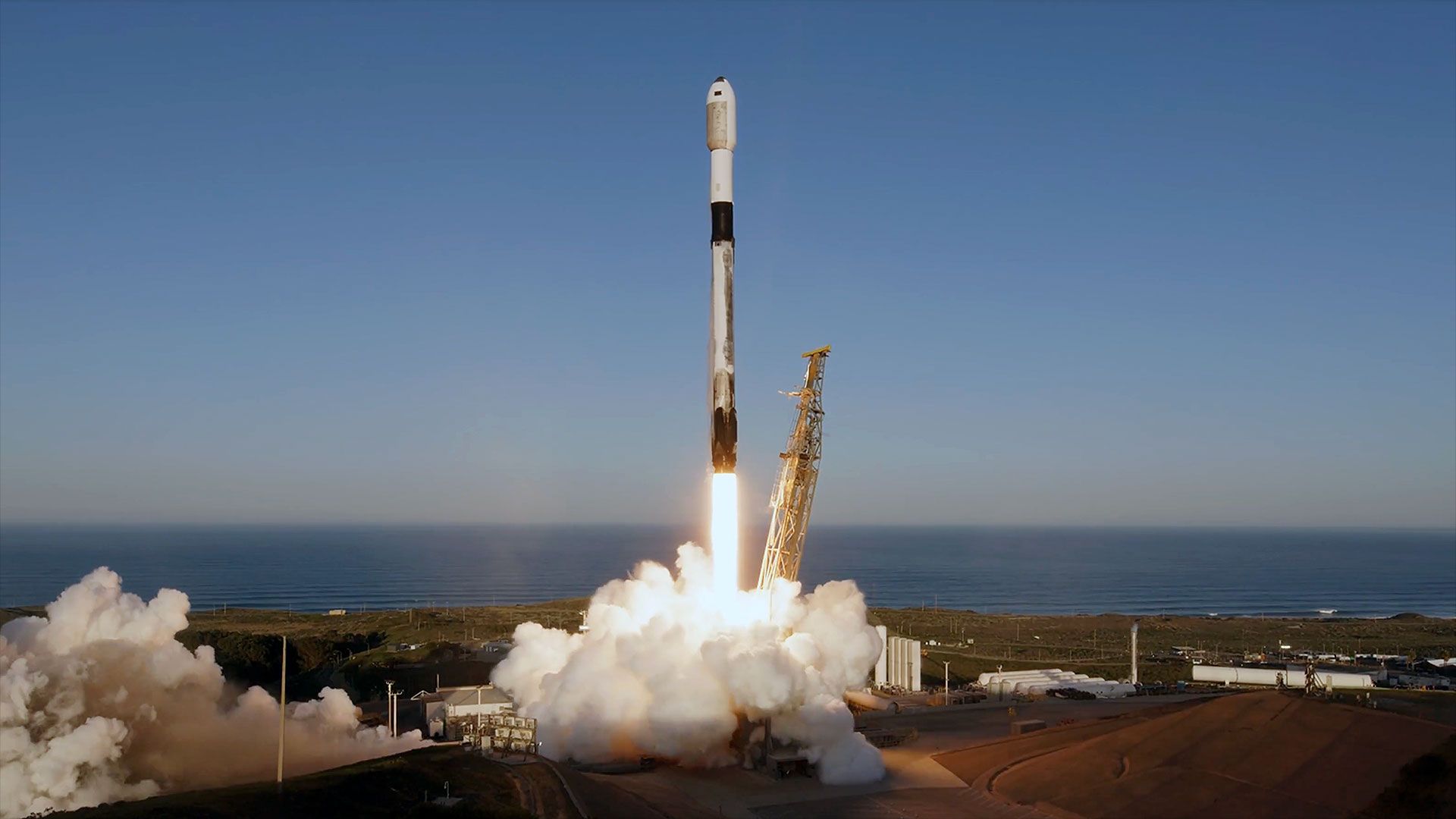
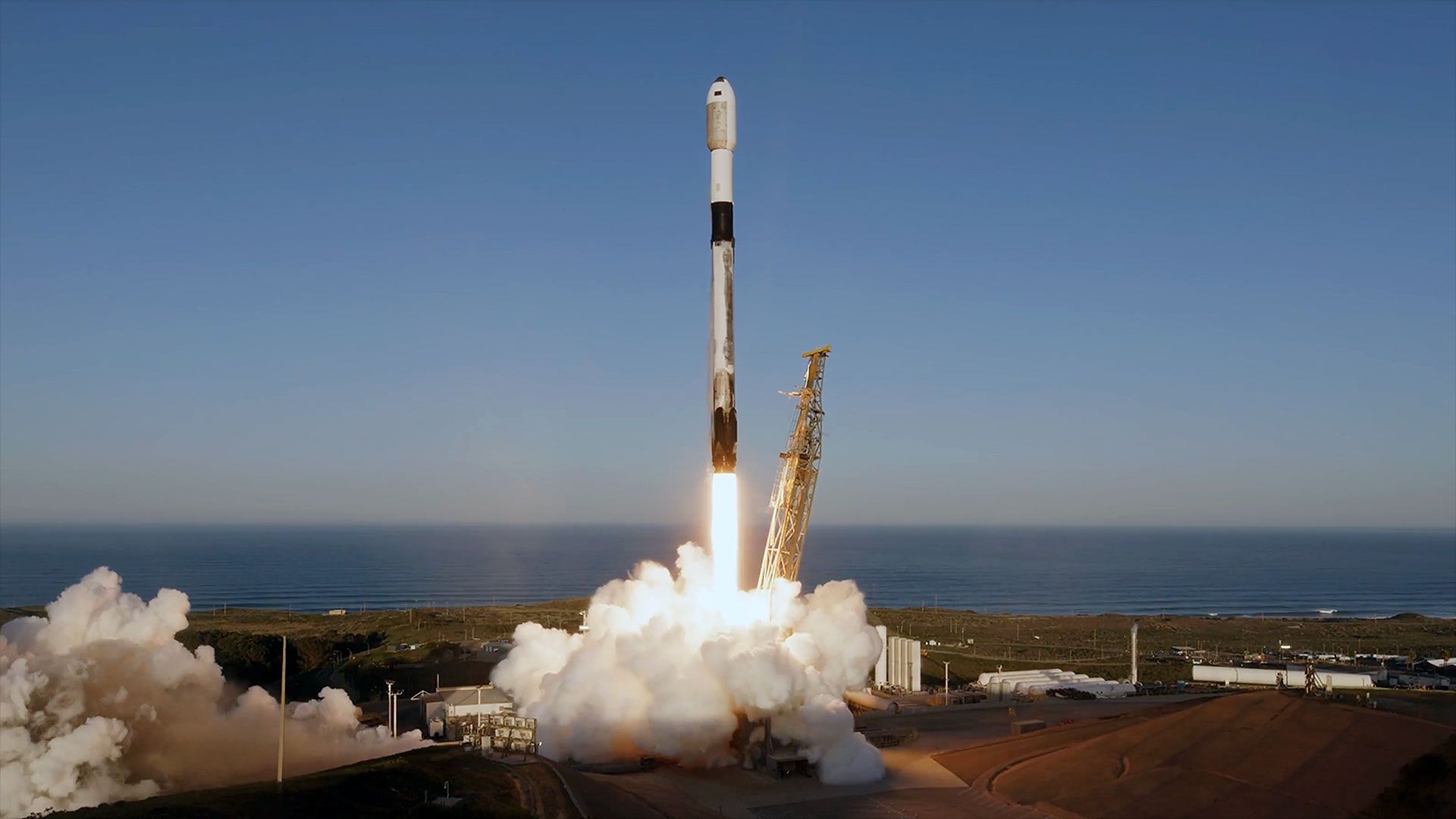
SpaceX’s workhorse Falcon 9 rocket hit a bit of a snag this week.
On Monday (Feb. 2), a Falcon 9 successfully launched 25 of SpaceX’s Starlink satellites to low Earth orbit (LEO) from California. But the upper stage failed to perform its deorbit burn as planned and ended up crashing back to Earth in an uncontrolled fashion. (The Falcon 9’s first stage aced its landing on a drone ship in the Pacific Ocean.)
Monday’s anomaly was the fourth Falcon 9 upper-stage incident in the past 19 months.
An upper stage sprang a leak of liquid oxygen during a Starlink launch on July 11, 2024, causing the satellites to be deployed too low; they were soon pulled down into Earth’s atmosphere by drag. The FAA mandated an investigation into that incident, which took two weeks: The Falcon 9 was cleared to launch again on July 25, and it returned to flight with a successful Starlink mission two days later.
Another issue popped up on Sept. 28, 2024, during the launch of the Crew-9 astronaut mission to the ISS. The Falcon 9 got the spaceflyers where they needed to go, but the upper stage conducted an off-nominal deorbit burn and came back to Earth outside its target zone.
The FAA again required an investigation, which resulted in clearance to return to normal flight operations on Oct. 11. The agency granted SpaceX a special exemption, however, for the Oct. 7 launch of Europe’s Hera asteroid-inspecting spacecraft, because it sent the probe far beyond LEO and did not involve an upper-stage reentry.
Then, on Feb. 1, 2025, a Falcon 9 upper stage failed to perform its deorbit burn on an otherwise successful Starlink mission. The rocket body came crashing back to Earth uncontrolled on Feb. 19, generating a fiery sky show for people across Western Europe. The FAA did not require an investigation into that incident, telling Ars Technica that “all flight events occurred within the scope of SpaceX’s licensed activities.”
So, what do we make of this data set? The two investigations cited above took about two weeks. So, if that’s a reliable precedent, then the Falcon 9 should return to flight around Feb. 16 — five days later than Crew-12’s current target date.
Such a delay would put Crew-12’s liftoff pretty much on its original schedule. NASA and SpaceX had been targeting Feb. 15 for the mission but fast-tracked it to minimize the amount of time the ISS is staffed by a skeleton crew of three, which has been the situation since Jan. 15. (Crew-12’s predecessors, the four Crew-11 astronauts, came home a month early in the first-ever medical evacuation from the ISS.)
But we don’t know how predictive the above precedents really are. The sample size is very small, and SpaceX may have learned enough from the other recent incidents to cut the Falcon 9 grounding time down significantly. We’ll just have to wait and see.
It’s also worth stressing that Falcon 9 incidents are very few and far between, given how often the rocket flies. For example, the four upper-stage issues discussed in this story occurred during a stretch in which SpaceX launched more than 240 Falcon 9 missions, the vast majority of which were completely successful. (SpaceX lost first-stage boosters during or shortly after landing twice in this span, but the payloads reached their destinations on both occasions.)










Related Posts

Stay Informed With the Latest & Most Important News
Previous Post
Next Post



Advertisement
-
 01Two Black Holes Observed Circling Each Other for the First Time
 -
 02From Polymerization-Enabled Folding and Assembly to Chemical Evolution: Key Processes for Emergence of Functional Polymers in the Origin of Life
 -
 03Astronomy 101: From the Sun and Moon to Wormholes and Warp Drive, Key Theories, Discoveries, and Facts about the Universe (The Adams 101 Series)
 -
 04True Anomaly hires former York Space executive as chief operating officer
 -
 05Φsat-2 begins science phase for AI Earth images
 -
 06Hurricane forecasters are losing 3 key satellites ahead of peak storm season − a meteorologist explains why it matters
 -
 07Binary star systems are complex astronomical objects − a new AI approach could pin down their properties quickly