
Now Reading: Global Space Launches Set for Unprecedented Surge with 13 Missions This Week
-
01
Global Space Launches Set for Unprecedented Surge with 13 Missions This Week

Global Space Launches Set for Unprecedented Surge with 13 Missions This Week

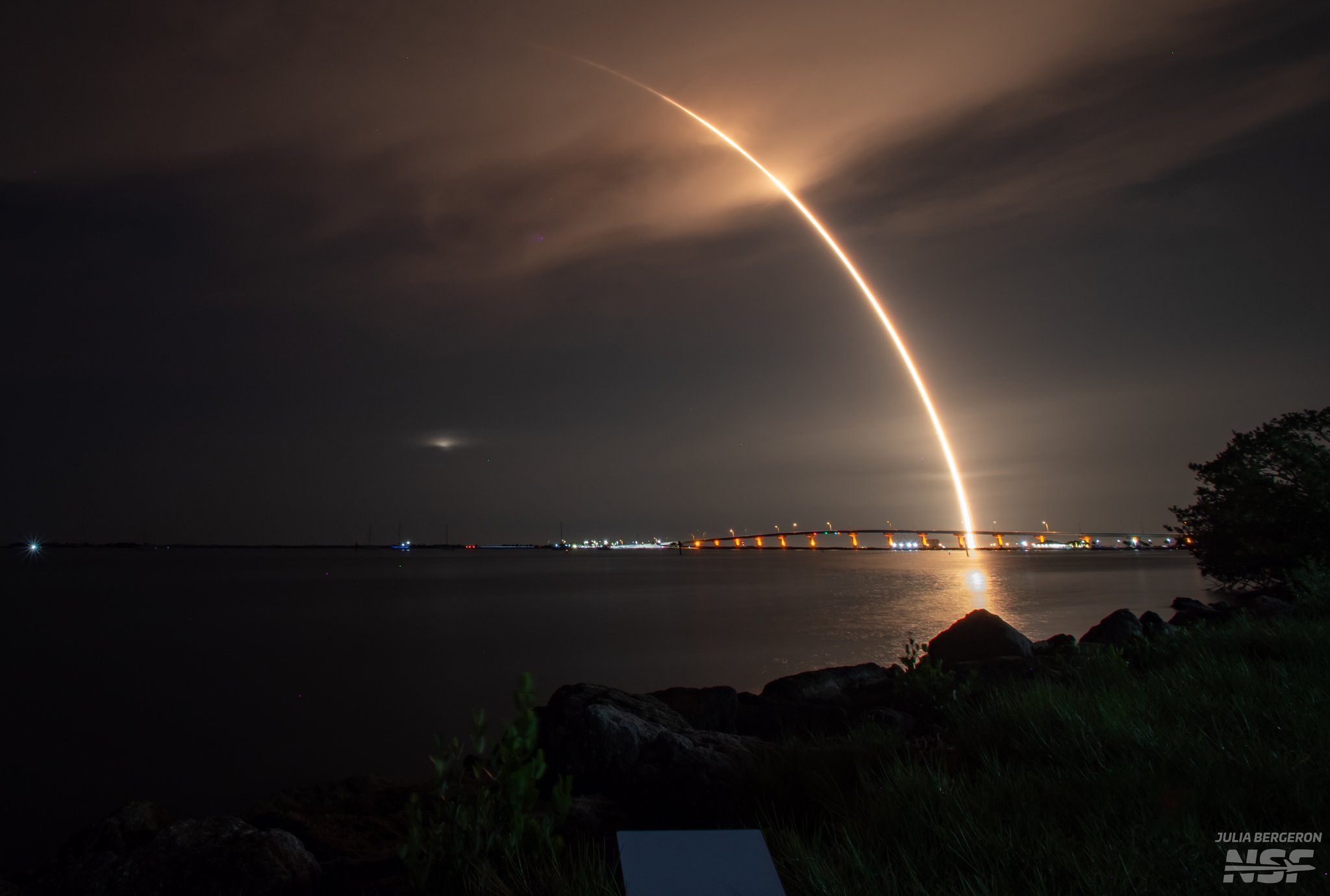

A remarkable surge in global space launches is on the horizon, with 13 missions planned within the next week across various locations worldwide. China will debut its Long March 12A rocket equipped with stage recovery capabilities, while South Korea gears up for its inaugural Hanbit-Nano commercial launch. Additionally, Europe’s Ariane 6 is set to deploy Galileo satellites, while SpaceX continues its bustling launch schedule with multiple Starlink missions.
The action commenced with the successful launch of a Chang Zheng 4B rocket from the Taiyuan Satellite Launch Center in northern China. The rocket lifted off on December 16 at 03:17 UTC, deploying the Ziyuan-3 04 satellite, which is designed for high-resolution, civilian use earth mapping. This mission marked the Chang Zheng 4B’s 55th overall flight, with a dependable performance since its introduction in 1999 and only one recorded failure.
Shortly thereafter, the United Launch Alliance (ULA) successfully launched its Atlas V 551 rocket, carrying 27 Amazon Leo satellites from Cape Canaveral. The liftoff took place on December 16 at 3:28 AM EST, after a brief delay due to inclement weather. Following this launch, Amazon’s satellite constellation, aimed at providing high-speed broadband services, now numbers 180 active satellites across its various missions. This mission also represented the branding debut of Amazon Leo, a rebranding effort from its previous Project Kuiper.
Meanwhile, Japan’s Aerospace Exploration Agency (JAXA) is preparing for the launch of the Michibiki 5 navigation satellite aboard its H3-22S rocket on December 17 at 02:10 UTC. This satellite will enhance Japan’s Quasi-Zenith Satellite System, which aims to improve GPS signal accuracy in urban and mountainous regions. The H3 rocket is part of Japan’s commitment to advancing its aerospace capabilities.
On the same day, Arianespace plans to launch two Galileo navigation satellites using its Ariane 62 rocket at 05:01 UTC. The satellites will contribute to Europe’s positioning and navigation services, which currently serve billions globally. This launch represents the latest in a series of missions deployed for the Galileo program.
SpaceX also has an active schedule with multiple launches. A Falcon 9 rocket is scheduled to lift off on December 17, deploying 29 Starlink v2 Mini satellites. This mission is part of SpaceX’s ongoing efforts to expand its satellite constellations aimed at providing broadband internet service worldwide. As they strive for operational efficiency, SpaceX has already logged 163 launches in 2025 alone.
Additionally, South Korean startup Innospace will attempt its first orbital flight of the Hanbit-Nano rocket on December 17, carrying several payloads focused on climate and technology. This mission marks a significant milestone for the company and highlights the rise of smaller launch providers on the global stage.
Amid this heightened activity, Rocket Lab is preparing for its STP-S30 mission. The Electron rocket is set to launch on December 18, carrying innovative satellite technologies for the U.S. Department of Defense. This mission reflects a trend toward varying satellite designs aimed at enhancing operational capabilities in low-Earth orbit.
Blue Origin is also in the mix with its New Shepard mission set for December 18, where it will take six passengers, including a wheelchair user, for a suborbital flight. This flight marks another advancement in making space travel more accessible and inclusive.
Lastly, SpaceX is scheduled to launch additional Starlink satellites on December 20, while China plans to send a Chang Zheng 5 rocket on a classified mission later that day. This week encapsulates a thriving moment in the aerospace sector, underscoring an unprecedented push towards expanding access to space and enhancing satellite capabilities globally.










Related Posts
Stay Informed With the Latest & Most Important News

Advertisement
-
 01Two Black Holes Observed Circling Each Other for the First Time
 -
 02From Polymerization-Enabled Folding and Assembly to Chemical Evolution: Key Processes for Emergence of Functional Polymers in the Origin of Life
 -
 03Astronomy 101: From the Sun and Moon to Wormholes and Warp Drive, Key Theories, Discoveries, and Facts about the Universe (The Adams 101 Series)
 -
 04True Anomaly hires former York Space executive as chief operating officer
 -
 05Φsat-2 begins science phase for AI Earth images
 -
 06Hurricane forecasters are losing 3 key satellites ahead of peak storm season − a meteorologist explains why it matters
 -
 07Binary star systems are complex astronomical objects − a new AI approach could pin down their properties quickly