
Now Reading: Things to come: Important bellwethers for space exploration in 2026
-
01
Things to come: Important bellwethers for space exploration in 2026


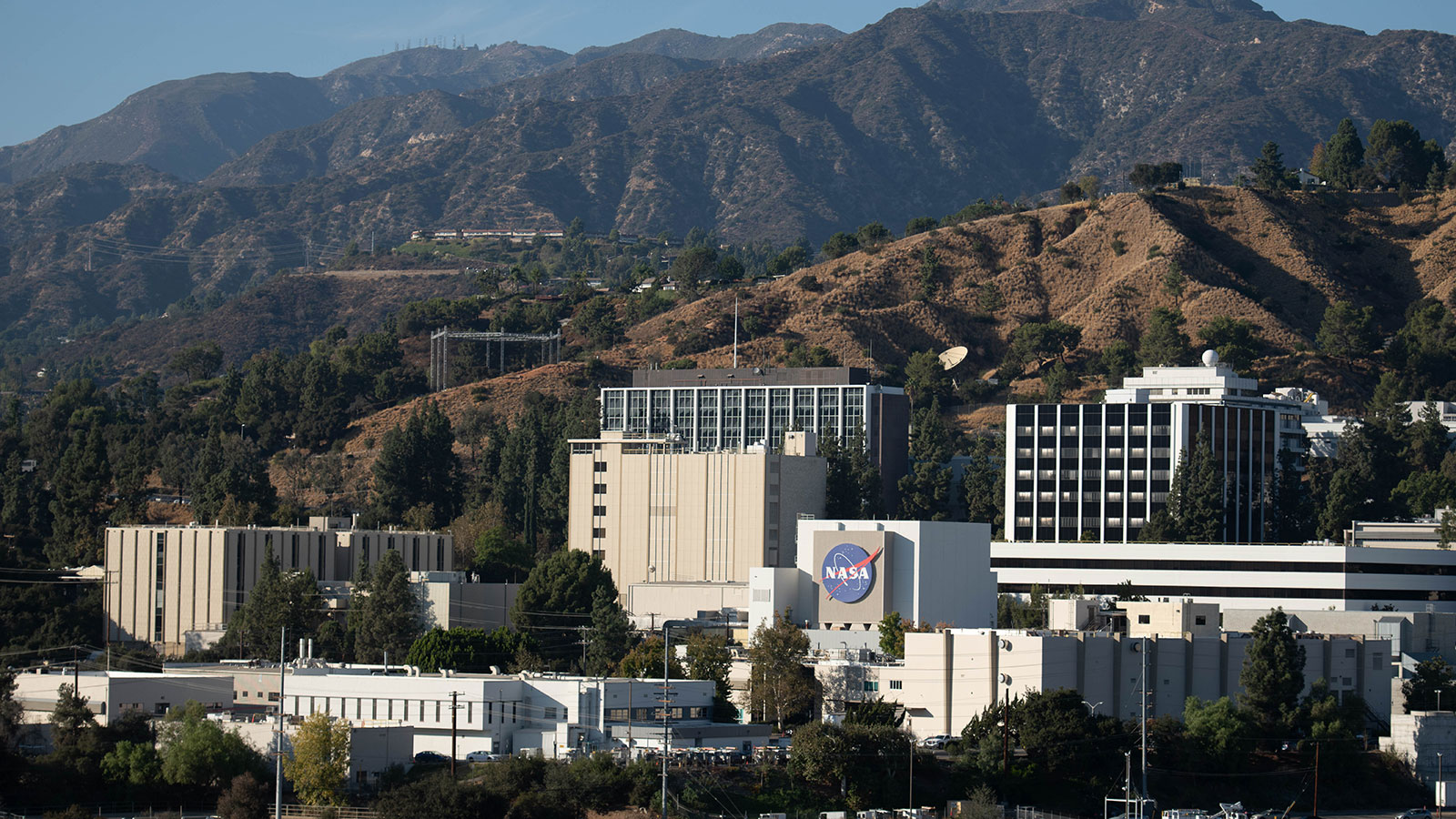

NASA is at an inflection point. 2026 will now begin with a newly-confirmed Jared Isaacman as a NASA Administrator with the White House directive to beat China back to the moon with astronauts. On the science side, we hope that NASA will continue its in-depth exploration of the Earth, solar system and universe. While the FY 2026 budget is still in flux at this writing, NASA may well have nearly the same top-line budget available as in 2025 although the variance in distribution between the House and Senate versions has not yet been reconciled.
NASA science, which took a beating in OMB’s draconian budget request, appears to be on track in both the House and Senate to be somewhat restored, albeit with significant reductions to Earth science and an unknown fate for the critical Mars Sample Return mission.
The new administrator will face two major challenges: restoring trust and expertise within the NASA workforce, and balancing claims of lower-cost, unproven mission concepts offered by entrepreneurs with proven, but generally more expensive, NASA and legacy industry approaches.
As a result of the actions of OMB and DOGE, thousands of experienced, dedicated NASA civil servants — an estimated 20% of the staff — have left the agency. But the OMB budget request appeared to target almost 30%. This brain drain threatens engineering performance, technological R&D, astronaut safety, adequate contractor oversight and scientific discovery. Based on hard-won experience through Shuttle accidents and the failures of Mars missions, NASA cannot take a “just write contracts and stay out of the way” approach.
Those people remaining are dispirited and afraid — in an agency that for 13 consecutive years has ranked as the best place to work in the federal government. Based on experience rebuilding the Mars program after the 1998 mission losses, the new administrator will need to: show solid internal planning for the future of the Moon-to-Mars initiative, including science; initiate emergency hiring to backfill the lost talent; and burn through a lot of shoe leather and airline miles visiting each and every program office at NASA HQs as well as every NASA Center (to include JPL) to show commitment to an exciting future.
Coupled tightly to the restoration of trust and skills is the need to obtain and act on independent, experienced advice that can help the new administrator evaluate risk. Entrepreneurs are naturally overconfident, and legacy institutions often layer on unneeded paperwork as a self-protection mechanism (“CYA”). Judging the cost risk, technical risk, programmatic risk and political risk is the most challenging task the new team will have. Remember that a cheap failure does no one any good, and taking foolish risks will lead to disaster. For example, the CLPS (Commercial Lunar Payload Services) success rate for lunar missions of one in five cannot continue and cannot become a model for the proposed Commercial Mars Payload Services. With proper oversight and NASA help, the success rate should have been far higher.
As we look to the next year, there is uncertainty in how NASA and its exploration and science mission will evolve. We can watch for bellwethers. Here are a few:
Artemis program: Will NASA continue to re-examine its architecture for the Artemis human landings in order to ensure that we have a realistic and viable approach? If the political environment dictates a race with China to get back to the moon first, as was the case with the Soviet Union during the Cold War, can we ensure that we have a viable program that can be sustained for the long term?
Lunar science: Will NASA continue the CLPS program, and will it evolve into a coherent science program or remain a random collection of science instruments that fly? Is there a viable business case for a commercial lunar program other than “get NASA to pay for it”? Will the VIPER spacecraft fly as a necessary prerequisite to a human landing in the lunar south pole region?
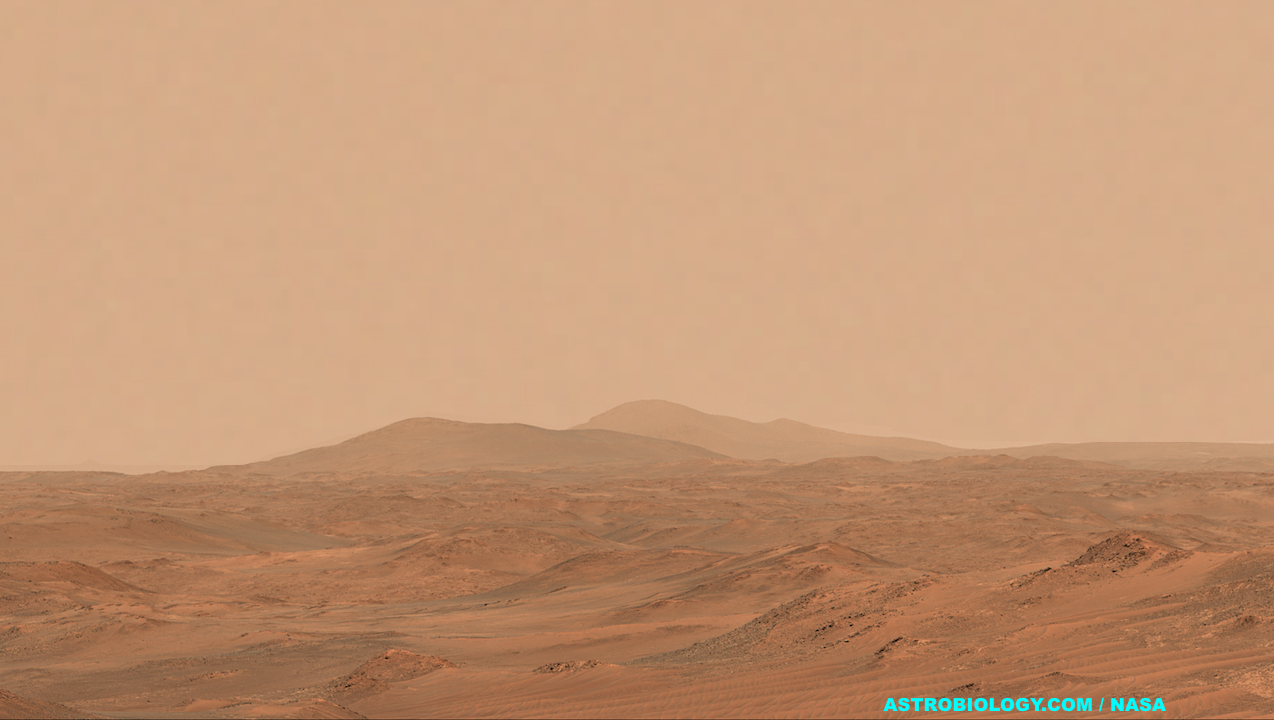
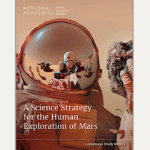
Mars science: Will the administration go through with its plans for cuts to the robotic Mars exploration program at the same time that it is trying to develop plans for a human mission to Mars? Is there a viable business model for a Commercial Martian Payload Services program analogous to the CLPS program, and will NASA move forward in developing it? Will NASA respond to the recently-released National Academies study on science in human Mars missions by taking action to begin integrating science into human mission planning?
Science missions: Will NASA push for exploration going forward using only small spacecraft or will they allow for the right mission size and complexity necessary to achieve its science objectives? Will the administration continue to support NASA science missions, or will it continue to implement large cuts to the science program?
Climate science: Will NASA be forced for political reasons to abandon its mandate to understand the Earth’s atmosphere and climate or will it provide the data that is necessary to inform decisions on the path forward? Remember, NASA does not make climate policy but only gathers data.
No one action that NASA and the administration can take will tell us what the future of NASA’s exploration and science programs will be. But as we see decisions in these areas over the next year, we’ll get a good idea of what the future holds.
Scott Hubbard is the former Director of NASA’s Ames Research Center, was the first NASA Mars Program Director, and has been active in space exploration for more than 50 years. Now a semi-retired member of the Stanford Department of Aeronautics and Astronautics faculty, he founded the Stanford Center for Commercial Space Transportation and the peer-reviewed journal New Space.
Bruce Jakosky is an Emeritus Professor at the University of Colorado Boulder and University of Washington, has almost 50 years’ experience as a Mars researcher, and was the Principal Investigator of the MAVEN spacecraft mission that has been orbiting and exploring Mars for more than ten years.
SpaceNews is committed to publishing our community’s diverse perspectives. Whether you’re an academic, executive, engineer or even just a concerned citizen of the cosmos, send your arguments and viewpoints to opinion (at) spacenews.com to be considered for publication online or in our next magazine. If you have something to submit, read some of our recent opinion articles and our submission guidelines to get a sense of what we’re looking for. The perspectives shared in these opinion articles are solely those of the authors and do not necessarily represent their employers or professional affiliations.










Related Posts
Stay Informed With the Latest & Most Important News
Previous Post
Next Post


Advertisement
-
 01Two Black Holes Observed Circling Each Other for the First Time
 -
 02From Polymerization-Enabled Folding and Assembly to Chemical Evolution: Key Processes for Emergence of Functional Polymers in the Origin of Life
 -
 03Astronomy 101: From the Sun and Moon to Wormholes and Warp Drive, Key Theories, Discoveries, and Facts about the Universe (The Adams 101 Series)
 -
 04True Anomaly hires former York Space executive as chief operating officer
 -
 05Φsat-2 begins science phase for AI Earth images
 -
 06Hurricane forecasters are losing 3 key satellites ahead of peak storm season − a meteorologist explains why it matters
 -
 07Binary star systems are complex astronomical objects − a new AI approach could pin down their properties quickly