
Now Reading: When Stars Fail to Explode
1
-
01
When Stars Fail to Explode



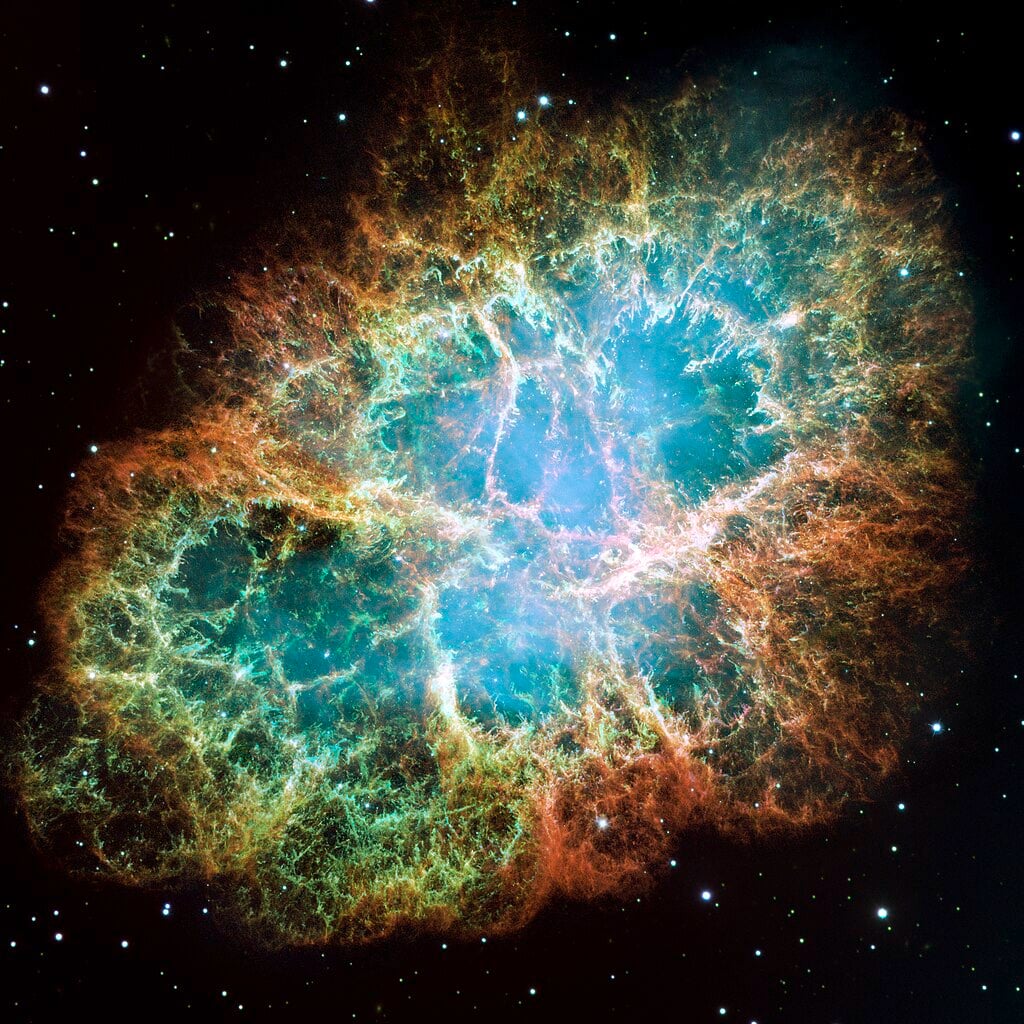
A supernova observed by Chinese and Japanese astronomers in 1181 CE didn’t fully explode, instead it sputtered and left behind a rare “zombie star” surrounded by long filaments resembling fireworks. New research by Syracuse University physicist Eric Coughlin explains how these unusual structures formed. After the failed detonation, the surviving white dwarf launched a fast, dense wind that slammed into surrounding gas. The collision created finger-like plumes through a fluid instability, but a second instability that normally tears such structures apart never activated. In some sense, the stars didn’t quite die!










Related Posts
Stay Informed With the Latest & Most Important News
[mc4wp_form id=314]
Previous Post
Next Post



Advertisement
Loading Next Post...
Popular Now
-
 01Two Black Holes Observed Circling Each Other for the First Time
 -
 02From Polymerization-Enabled Folding and Assembly to Chemical Evolution: Key Processes for Emergence of Functional Polymers in the Origin of Life
 -
 03Astronomy 101: From the Sun and Moon to Wormholes and Warp Drive, Key Theories, Discoveries, and Facts about the Universe (The Adams 101 Series)
 -
 04True Anomaly hires former York Space executive as chief operating officer
 -
 05Φsat-2 begins science phase for AI Earth images
 -
 06Hurricane forecasters are losing 3 key satellites ahead of peak storm season − a meteorologist explains why it matters
 -
 07Binary star systems are complex astronomical objects − a new AI approach could pin down their properties quickly
Scroll to Top