
Now Reading: A Quarter Century in Orbit: Science Shaping Life on Earth and Beyond
-
01
A Quarter Century in Orbit: Science Shaping Life on Earth and Beyond


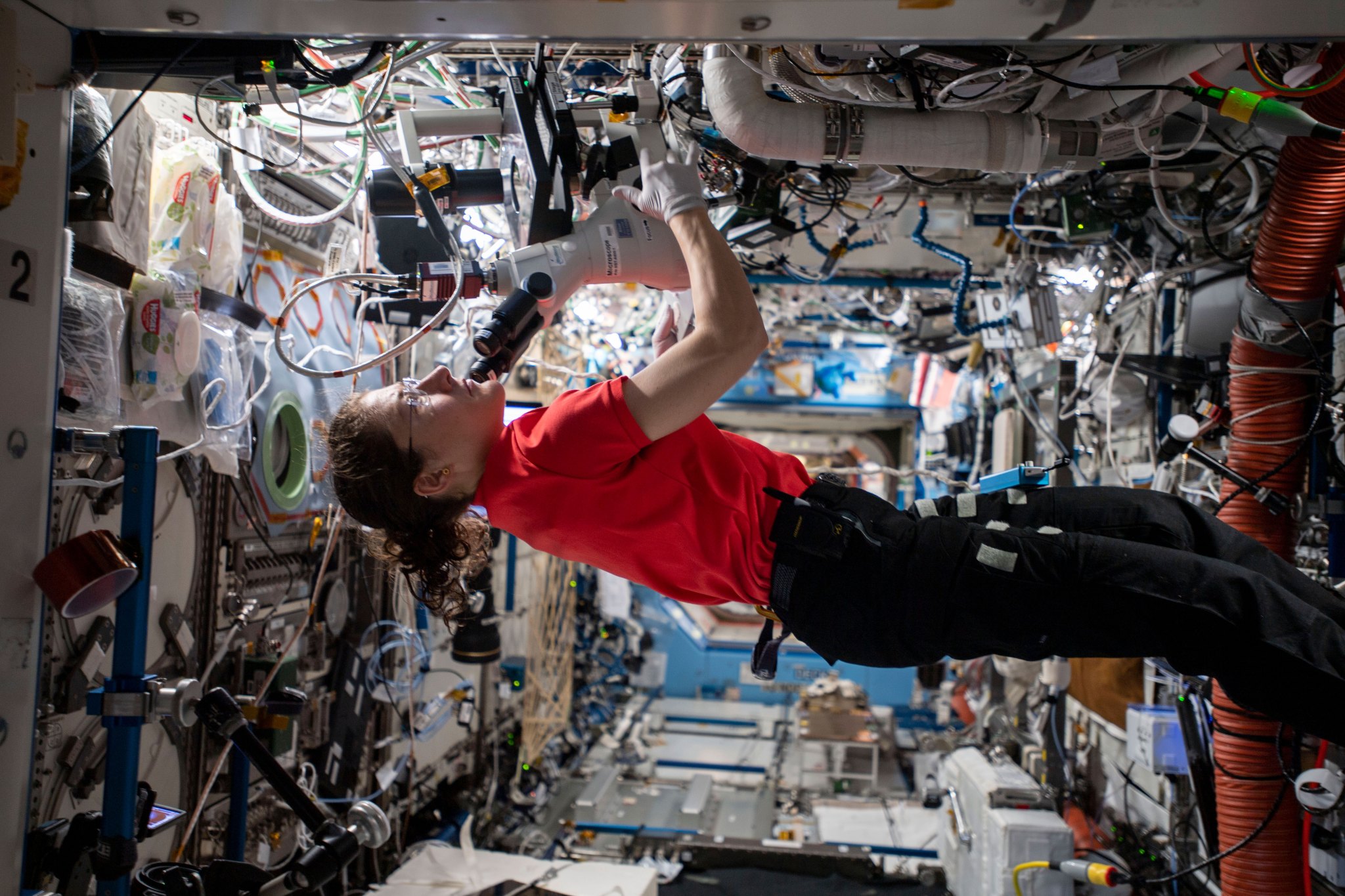
For more than 25 years, humans have lived and worked continuously aboard the International Space Station, conducting research that is transforming life on Earth and shaping the future of exploration. From growing food and sequencing DNA to studying disease and simulating Mars missions, every experiment aboard the orbiting laboratory expands our understanding of how humans can thrive beyond Earth while advancing science and technology that benefit people around the world.
Unlocking new cancer therapies from space

The space station gives scientists a laboratory unlike any on Earth. In microgravity, cells grow in three dimensions, proteins form higher-quality crystals, and biological systems reveal details hidden by gravity. These conditions open new ways to study disease and develop treatments.
Astronauts and researchers have used the orbiting laboratory to observe how cancer cells grow, test drug delivery methods, and examine protein structures linked to diseases such as Parkinson’s and Alzheimer’s. One example is the Angiex Cancer Therapy study, which tested a drug designed to target blood vessels that feed tumors. In microgravity, endothelial cells survive longer and behave more like they do in the human body, giving researchers a clearer view of how the therapy works and whether it is safe before human trials.
Protein crystal growth (PCG) is another major area of cancer-related study. The NanoRacks-PCG Therapeutic Discovery and On-Orbit Crystals investigations have advanced research on leukemia, breast cancer, and skin cancers. Protein crystals grown in microgravity produce larger, better-organized structures that allow scientists to determine fine structural details that guide the design of targeted treatments.
Studies in orbit have also provided insights about cardiovascular health, bone disorders, and how the immune system changes in space—knowledge that informs medicine on Earth and prepares astronauts for long missions in deep space.
By turning space into a research lab, scientists are advancing therapies that benefit people on Earth and laying the foundation for ensuring crew health on future journeys to the Moon and Mars.
Farming for the future

Feeding astronauts on long-duration missions requires more than packaged meals. It demands sustainable systems that can grow fresh food in space. The Vegetable Production System, known as Veggie, is a garden on the space station designed to test how plants grow in microgravity while adding fresh produce to the crew’s diet and improving well-being in orbit.
To date, Veggie has produced three types of lettuce, Chinese cabbage, mizuna mustard, red Russian kale, and even zinnia flowers. Astronauts have eaten space-grown lettuce, mustard greens, radishes, and chili peppers using Veggie and the Advanced Plant Habitat, a larger, more controlled growth chamber that allows scientists to study crops in greater detail.
These plant experiments pave the way for future lunar and Martian greenhouses by showing how microgravity affects plant development, water and nutrient delivery, and microbial interactions. They also provide immediate benefits for Earth, advancing controlled-environment agriculture and vertical farming techniques that help make food production more efficient and resilient in challenging environments.
First year-long twin study
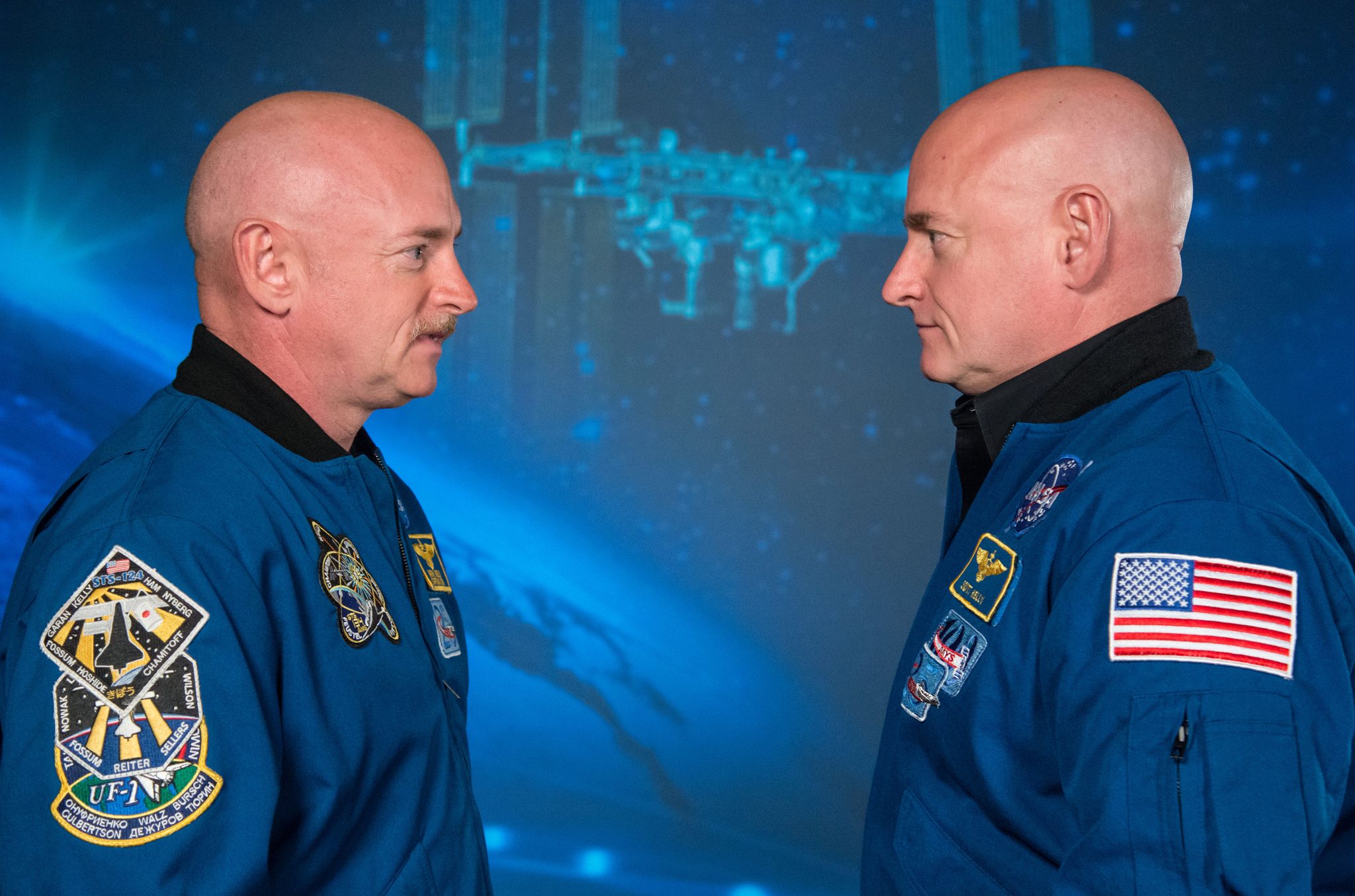
Understanding how the human body changes in space is critical for planning long-duration missions. NASA’s Twins Study offered an unprecedented opportunity to investigate nature vs. nurture in orbit and on Earth. NASA astronaut Scott Kelly spent nearly a year aboard the space station while his identical twin, retired astronaut Mark Kelly, remained on Earth.
By comparing the twins before, during, and after the mission, researchers examined changes at the genomic, physiological, and behavioral levels in one integrated study. The results showed most changes in Scott’s body returned to baseline after his return, but some persisted—such as shifts in gene expression, telomere length, and immune system responses.
The study provided the most comprehensive molecular view to date of how a human body adapts to spaceflight. Its findings may guide NASA’s Human Research Program for years to come, informing countermeasures for radiation, microgravity, and isolation. The research may have implications for health on Earth as well—from understanding aging and disease to exploring treatments for stress-related disorders and traumatic brain injury.
The Twins Study demonstrated the resilience of the human body in space and continues to shape the medical playbook for the Artemis campaign to the Moon and future journeys to Mars.
Simulating deep space
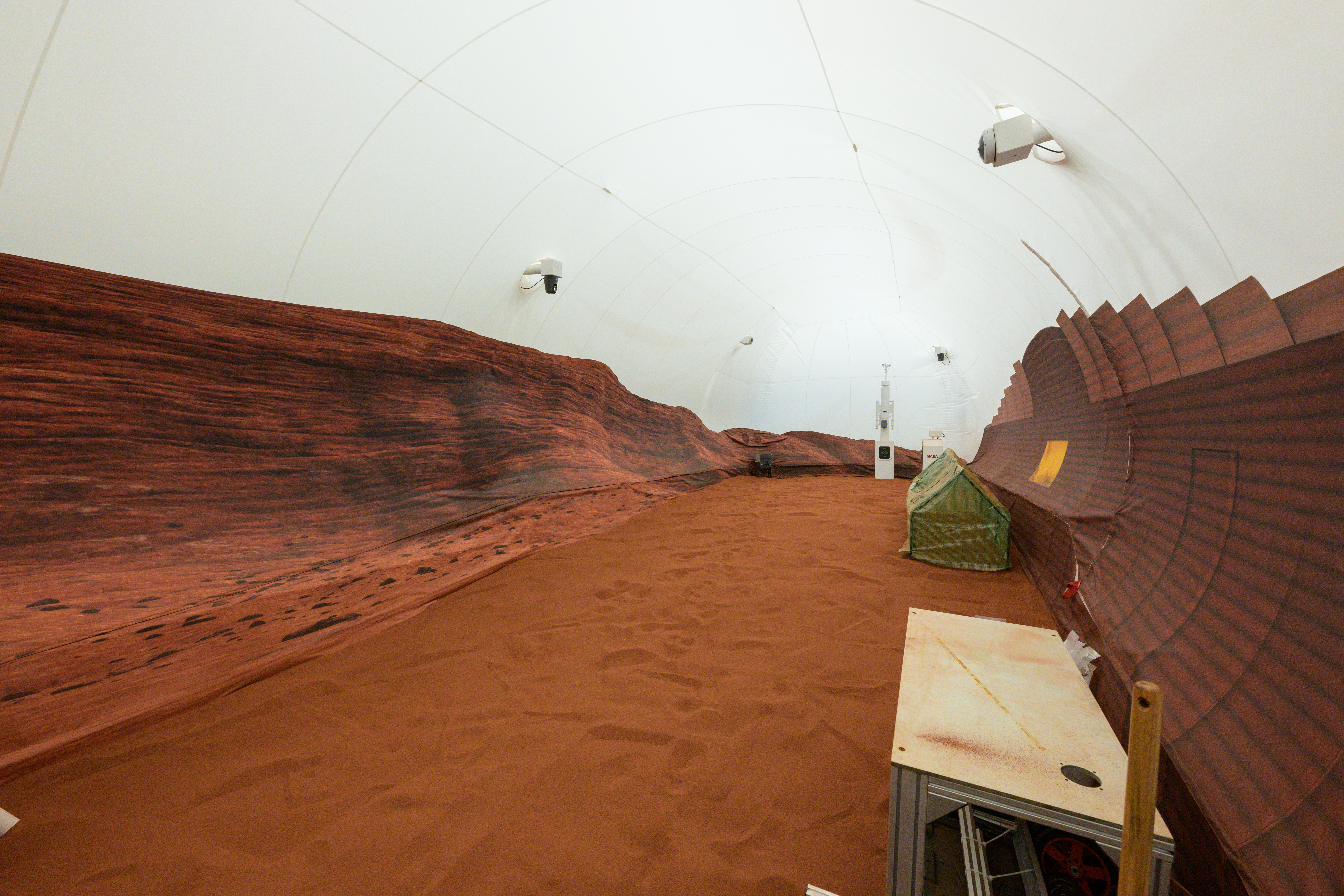
The space station, which is itself an analog for deep space, complements Earth-based analog research simulating the spaceflight environment. Space station observations, findings, and challenges, inform the research questions and countermeasures scientists explore on Earth.
Such work is currently underway through CHAPEA (Crew Health and Performance Exploration Analog), a mission in which volunteers live and work inside a 1,700-square-foot, 3D-printed Mars habitat for about a year. The first CHAPEA crew completed 378 days in isolation in 2024, testing strategies for maintaining health, growing food, and sustaining morale under delayed communication.
NASA recently launched CHAPEA 2, with a four-person crew who began their 378-day simulated Mars mission at Johnson on October 19, 2025. Building on lessons from the first mission and decades of space station research, they will test new technologies and behavioral countermeasures that will help future explorers thrive during long-duration missions, preparing Artemis astronauts for the journey to the Moon and laying the foundation for the first human expeditions to Mars.
Keeping crews healthy in low Earth orbit
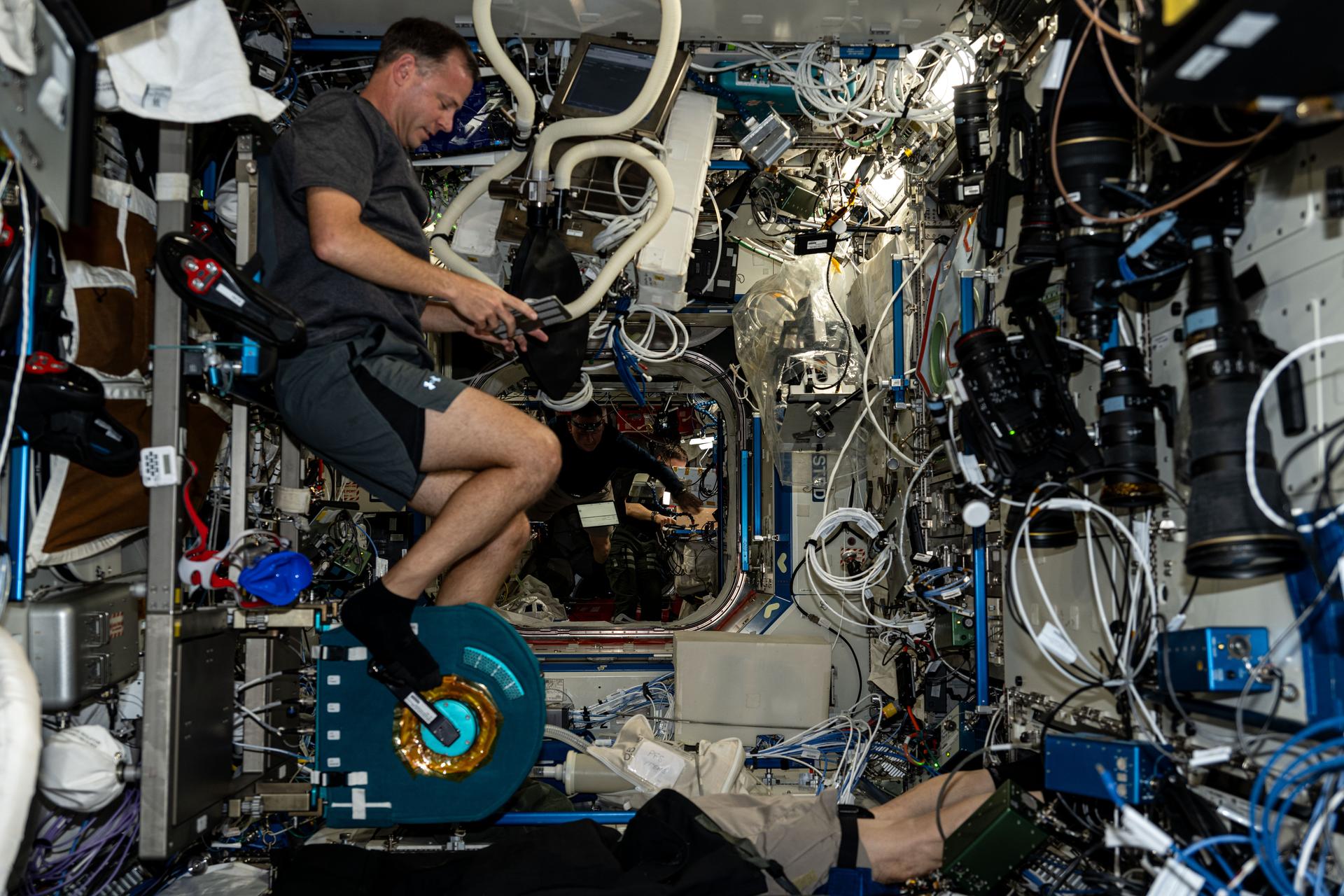
Staying healthy is a top priority for all NASA astronauts, but it is particularly important while living and working aboard the orbiting laboratory.
Crews often spend extended periods of time aboard the orbiting laboratory, with the average mission lasting about six months or more. During these long-duration missions, without the continuous load of Earth’s gravity, there are many changes to the human body. Proper nutrition and exercise are some of the ways these effects may be mitigated.
NASA has a team of medical physicians, psychologists, nutritionists, exercise scientists, and other specialized medical personnel who collaborate to ensure astronauts’ health and fitness on the station. These teams are led by a NASA flight surgeon, who regularly monitors each crew member’s health during a mission and individualizes diet and fitness routines to prioritize health and safety while in space.
Crew members are also part of the ongoing health and performance research being conducted to advance understanding of long-term spaceflight’s effects on the human body. That knowledge is applied to any crewed mission and will help prepare humanity to travel farther than ever before, including the Moon and Mars.
Sequencing the future
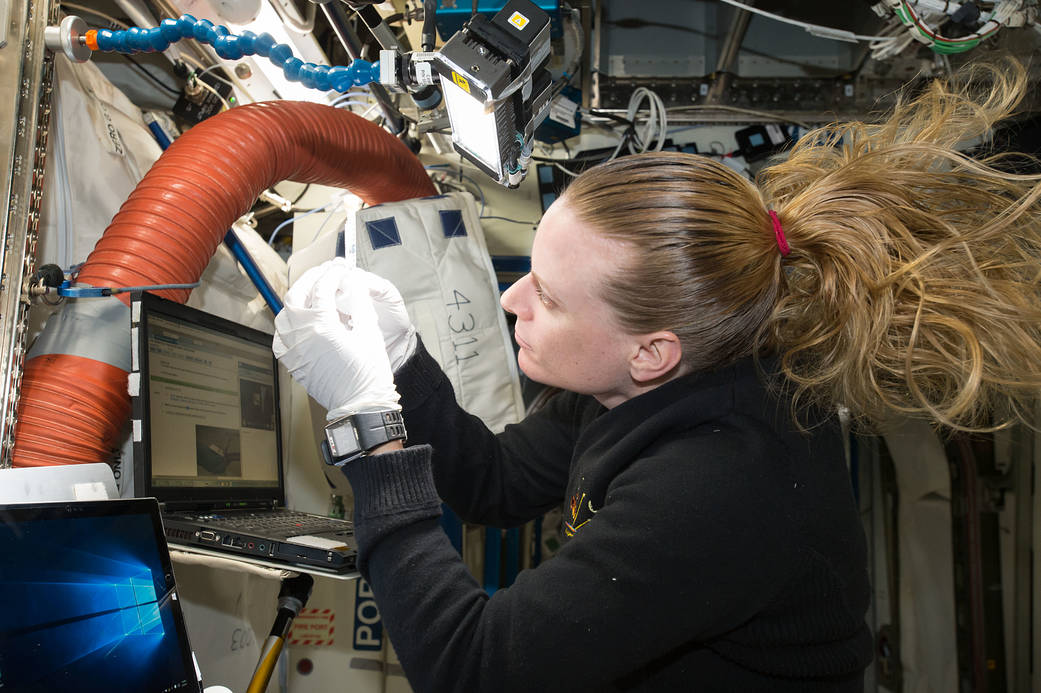
In 2016, NASA astronaut Kate Rubins made history aboard the orbital outpost as the first person to sequence DNA in space. Using a handheld device called the MinION, she analyzed DNA samples in microgravity, proving that genetic sequencing could be performed in low Earth orbit for the first time.
Her work advanced in-flight molecular diagnostics, long-duration cell culture, and molecular biology techniques such as liquid handling in microgravity.
The ability to sequence DNA aboard the orbiting laboratory allows astronauts and scientists to identify microbes in real time, monitor crew health, and study how living organisms adapt to spaceflight. The same technology now supports medical diagnostics and disease detection in remote or extreme environments on Earth.
This research continues through the Genes in Space program, where students design DNA experiments that fly aboard NASA missions. Each investigation builds on Rubins’ milestone, paving the way for future explorers to diagnose illness, monitor environmental health, and search for signs of life beyond Earth.











Related Posts
Stay Informed With the Latest & Most Important News
Previous Post
Next Post


Advertisement
-
 01Two Black Holes Observed Circling Each Other for the First Time
 -
 02From Polymerization-Enabled Folding and Assembly to Chemical Evolution: Key Processes for Emergence of Functional Polymers in the Origin of Life
 -
 03Astronomy 101: From the Sun and Moon to Wormholes and Warp Drive, Key Theories, Discoveries, and Facts about the Universe (The Adams 101 Series)
 -
 04True Anomaly hires former York Space executive as chief operating officer
 -
 05Φsat-2 begins science phase for AI Earth images
 -
 06Hurricane forecasters are losing 3 key satellites ahead of peak storm season − a meteorologist explains why it matters
 -
 07Binary star systems are complex astronomical objects − a new AI approach could pin down their properties quickly