
Now Reading: The Hidden Lives of the Universe’s Ultramassive Galaxies
1
-
01
The Hidden Lives of the Universe’s Ultramassive Galaxies


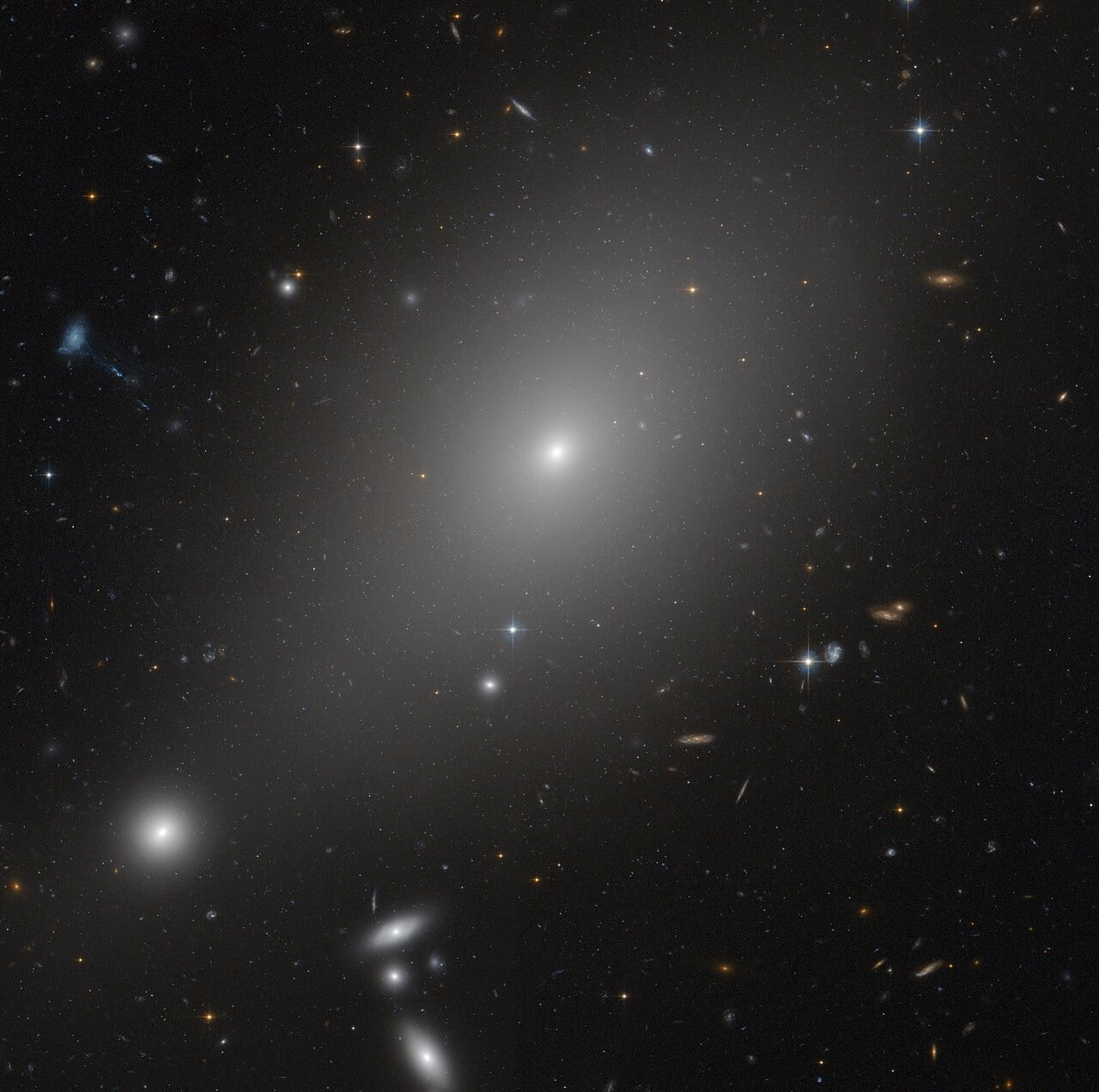
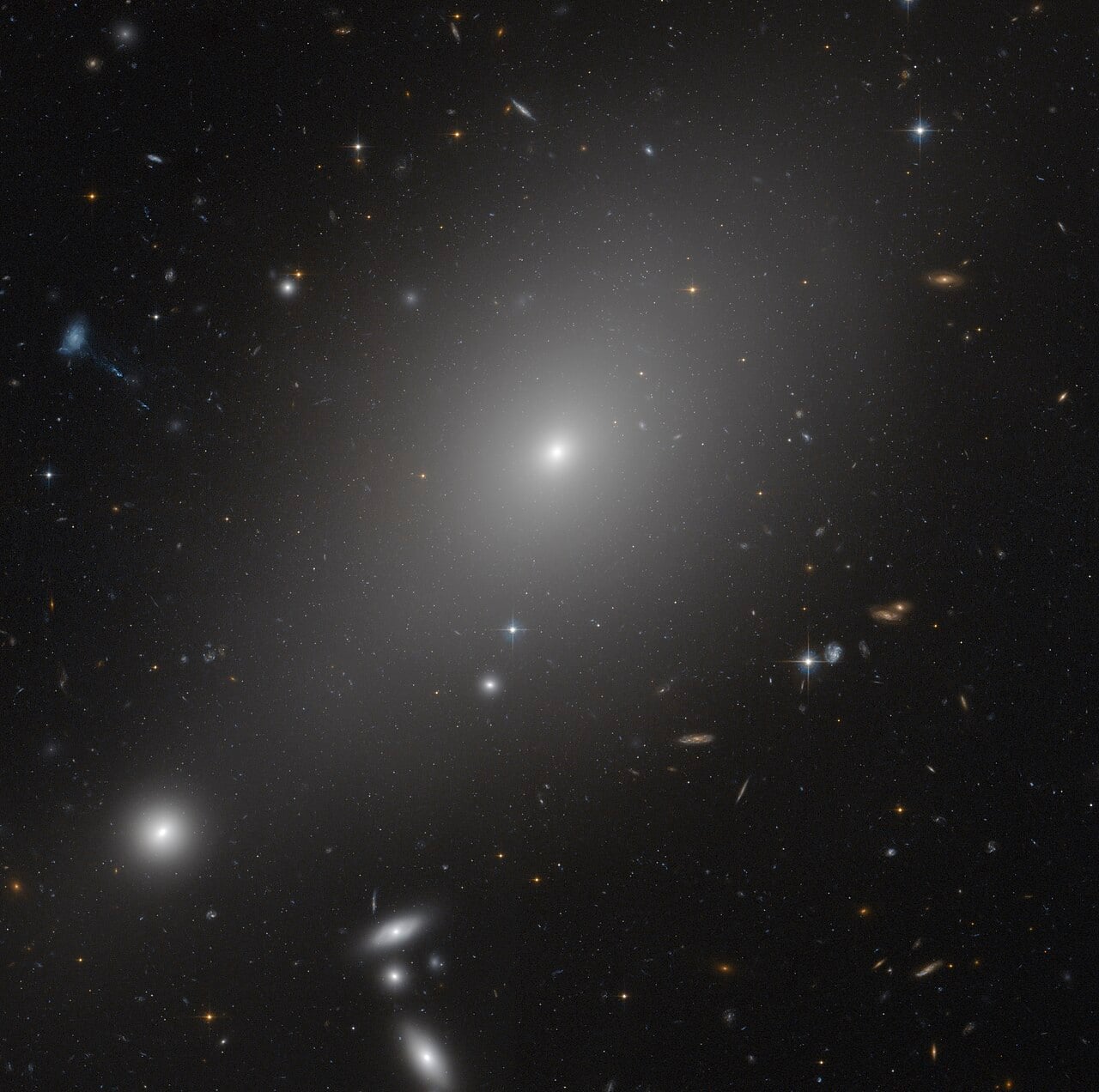
Astronomers have revealed a surprising diversity in the evolutionary paths of the universe’s most massive galaxies. Using multi-wavelength observations combining Keck Observatory spectroscopy with far infrared and radio data, researchers found that less than two billion years after the Big Bang, some ultramassive galaxies had already shut down star formation and shed their dust, while others continued building stars behind thick dusty veils.










Related Posts
Stay Informed With the Latest & Most Important News
[mc4wp_form id=314]
Previous Post
Next Post


Advertisement
Loading Next Post...
Popular Now
-
 01Two Black Holes Observed Circling Each Other for the First Time
 -
 02From Polymerization-Enabled Folding and Assembly to Chemical Evolution: Key Processes for Emergence of Functional Polymers in the Origin of Life
 -
 03Astronomy 101: From the Sun and Moon to Wormholes and Warp Drive, Key Theories, Discoveries, and Facts about the Universe (The Adams 101 Series)
 -
 04True Anomaly hires former York Space executive as chief operating officer
 -
 05Φsat-2 begins science phase for AI Earth images
 -
 06Hurricane forecasters are losing 3 key satellites ahead of peak storm season − a meteorologist explains why it matters
 -
 07Binary star systems are complex astronomical objects − a new AI approach could pin down their properties quickly
Scroll to Top