
Now Reading: House NASA bill seeks details on lunar lander and spacesuit development
-
01
House NASA bill seeks details on lunar lander and spacesuit development




WASHINGTON — A NASA authorization bill the House Science Committee is scheduled to take up this week would require closer scrutiny of lunar lander and spacesuit development for the Artemis program.
The NASA Reauthorization Act of 2026, H.R. 7273, was introduced Jan. 30 by Rep. Brian Babin, R-Texas, chairman of the House Science Committee. It is co-sponsored by the committee’s ranking member, Rep. Zoe Lofgren, D-Calif., as well as the chair and ranking member of the space subcommittee, Reps. Mike Haridopolos, R-Fla., and Valerie Foushee, D-N.C.
The committee is scheduled to consider the bill during a markup session Feb. 4, a step that would advance it to the full House. NASA was last authorized in 2022 as part of the CHIPS and Science Act.
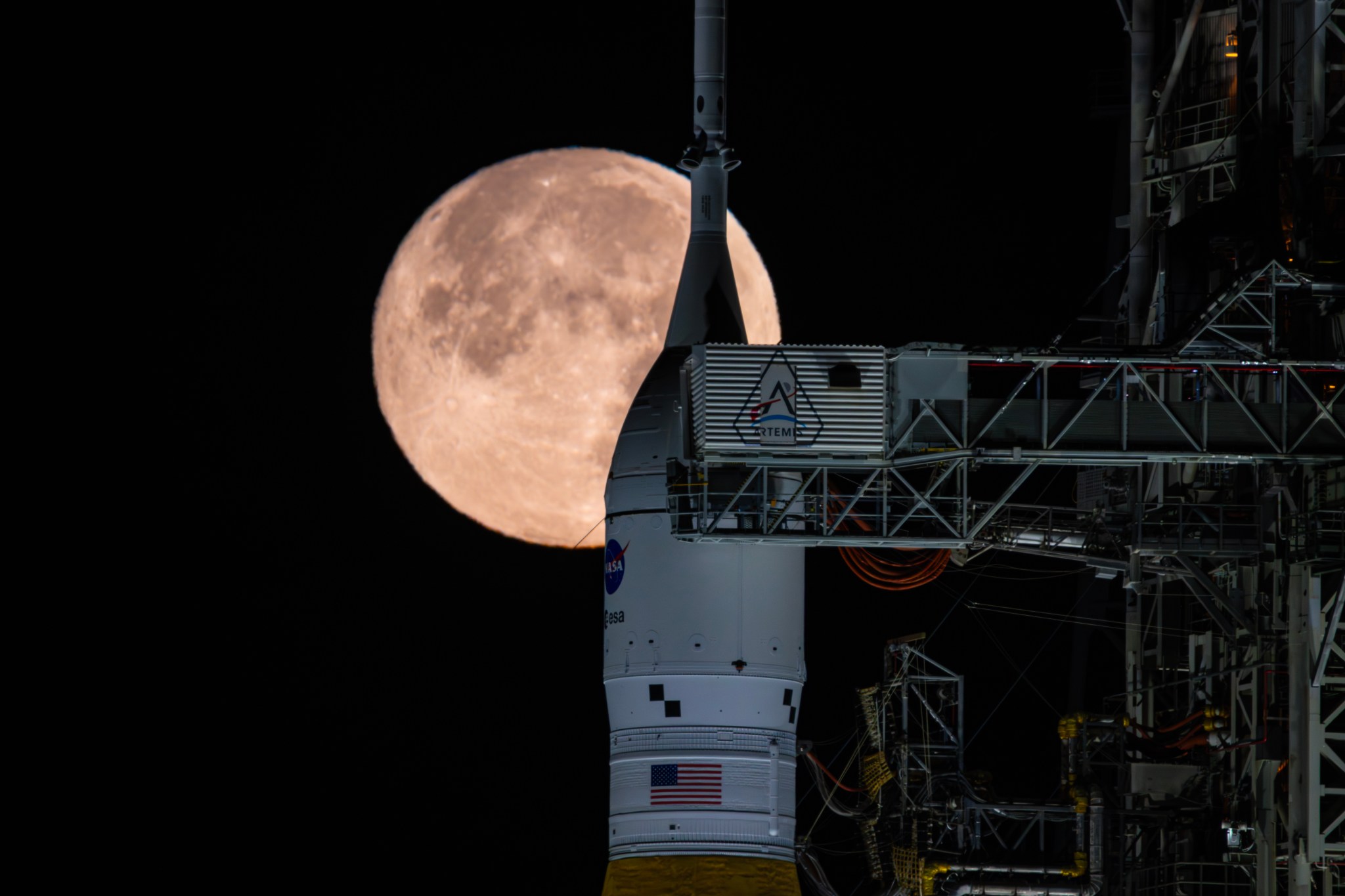
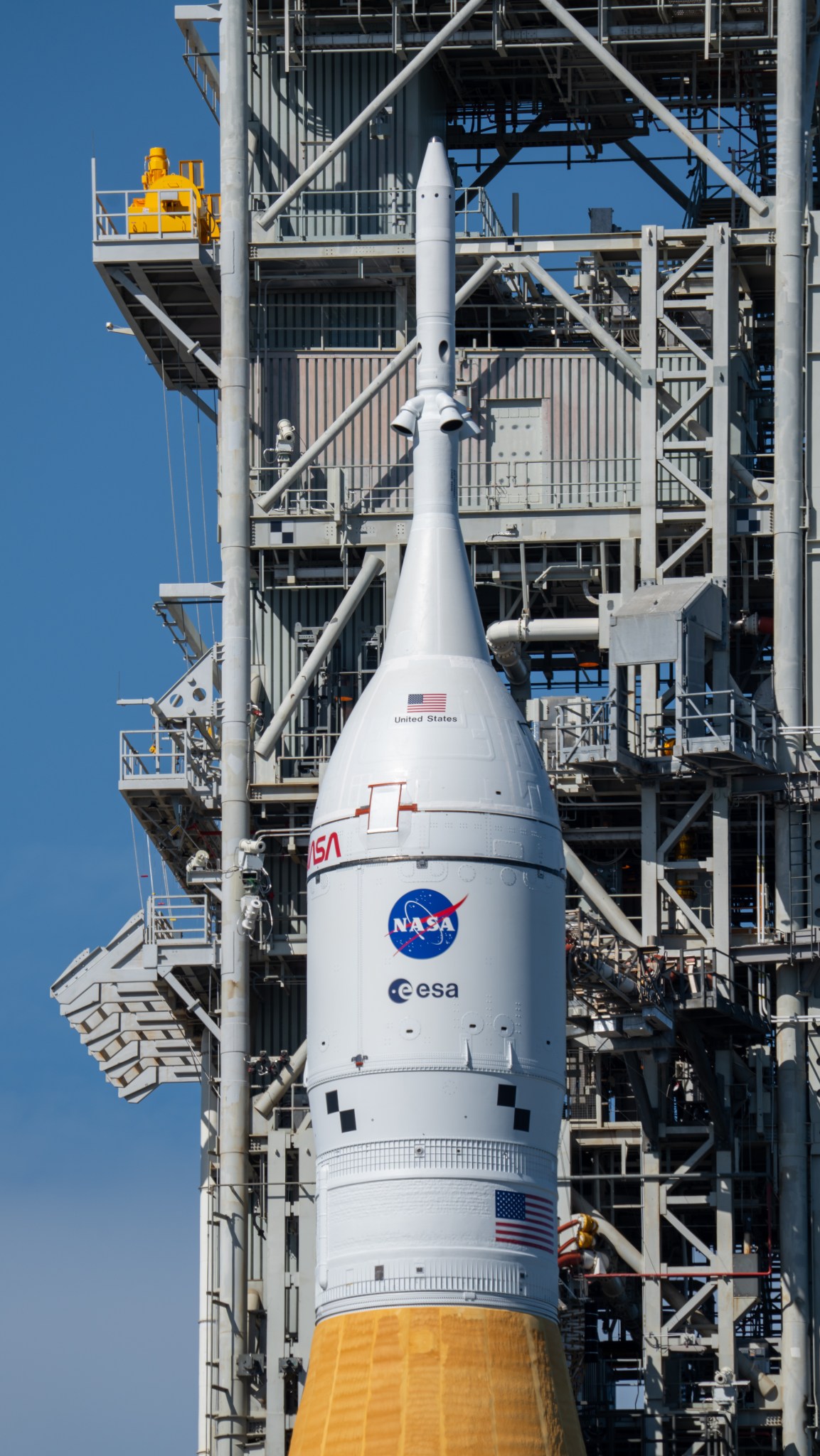
The bill does not propose significant changes to NASA’s Artemis architecture. One section, titled “Reaffirmation of the Space Launch System,” expresses support for continued development of the rocket and calls for identifying additional potential uses for it.
However, the legislation would require NASA to provide detailed information about progress by Blue Origin and SpaceX, the two companies selected under NASA’s Human Landing System program, in developing crewed lunar landers. One report, due within 60 days of enactment, would require NASA to detail the support it has provided to each company and the cost of that support to the agency.
Another report, also due within 60 days, would require NASA to disclose how much funding it is providing to the HLS contractors, as well as the size of each company’s own financial contribution. That report would also include information on milestones achieved and “any cost, schedule, and performance challenges” encountered during development.
Additional reports, due within 90 days of enactment, would require NASA to outline steps it is taking to address those challenges and to help “facilitate the timely availability of human lunar landing capabilities.” The bill would also require NASA to describe any alternative approaches it is considering for crewed lunar landers.
The reporting requirements come as NASA works to accelerate development of lunar lander systems to meet a goal of landing astronauts on the moon no later than 2028 on the Artemis 3 mission. Last fall, NASA requested acceleration plans from both Blue Origin and SpaceX, although neither the companies nor the agency have publicly disclosed details of those plans or NASA’s assessment of them.
Another section of the bill focuses on development of spacesuits, which NASA is procuring through a commercial services contract with Axiom Space. The language suggests concern among House lawmakers that this approach could erode NASA’s in-house expertise.
“NASA shall maintain the internal expertise necessary to develop space suits for both extravehicular activity and surface operations,” the bill states, directing that management of the work remain at the Johnson Space Center.
The bill would require NASA, within 180 days of enactment, to submit a report on plans to test new spacesuits aboard the International Space Station and on transitioning from existing shuttle-era suits to new designs. It also directs NASA to conduct an independent review of the technical condition of the current ISS spacesuit inventory.
The authorization bill also seeks additional detail on NASA’s plans to transition from the ISS to commercially operated space stations. It calls for several reports addressing long-term U.S. plans for maintaining a presence in low Earth orbit, strategies for conducting activities there and risks associated with a potential loss of access to low Earth orbit.
The bill would not mandate major changes to Artemis or other NASA programs. In several cases, it would formally authorize programs that have been operating for years, including the Commercial Lunar Payload Services program for robotic lunar landers and the Commercial Satellite Data Acquisition program for purchasing Earth observation data from commercial providers.
Although the Mars Sample Return program was effectively canceled in the fiscal 2026 minibus spending bill, the authorization legislation would direct NASA to continue pursuing the program “subject to the availability of appropriations.” It would require NASA, within 180 days of enactment, to submit a report outlining its proposed approach to Mars Sample Return, including a mission architecture and “realistic cost and schedule estimates.”










Related Posts

Stay Informed With the Latest & Most Important News
Previous Post
Next Post


Advertisement
-
 01Two Black Holes Observed Circling Each Other for the First Time
 -
 02From Polymerization-Enabled Folding and Assembly to Chemical Evolution: Key Processes for Emergence of Functional Polymers in the Origin of Life
 -
 03Astronomy 101: From the Sun and Moon to Wormholes and Warp Drive, Key Theories, Discoveries, and Facts about the Universe (The Adams 101 Series)
 -
 04True Anomaly hires former York Space executive as chief operating officer
 -
 05Φsat-2 begins science phase for AI Earth images
 -
 06Hurricane forecasters are losing 3 key satellites ahead of peak storm season − a meteorologist explains why it matters
 -
 07Binary star systems are complex astronomical objects − a new AI approach could pin down their properties quickly