
Now Reading: Moving satellites to meet a plane for rare reentry data
-
01
Moving satellites to meet a plane for rare reentry data


02/02/2026
439 views
12 likes
When satellites eventually fall back down to Earth, they mostly burn up because of the friction caused by the atmosphere. Scientific data about this atmospheric reentry process is urgently needed to design future satellites for a quick, safe and sustainable demise at the end of their mission – reducing risks on the ground and in space.
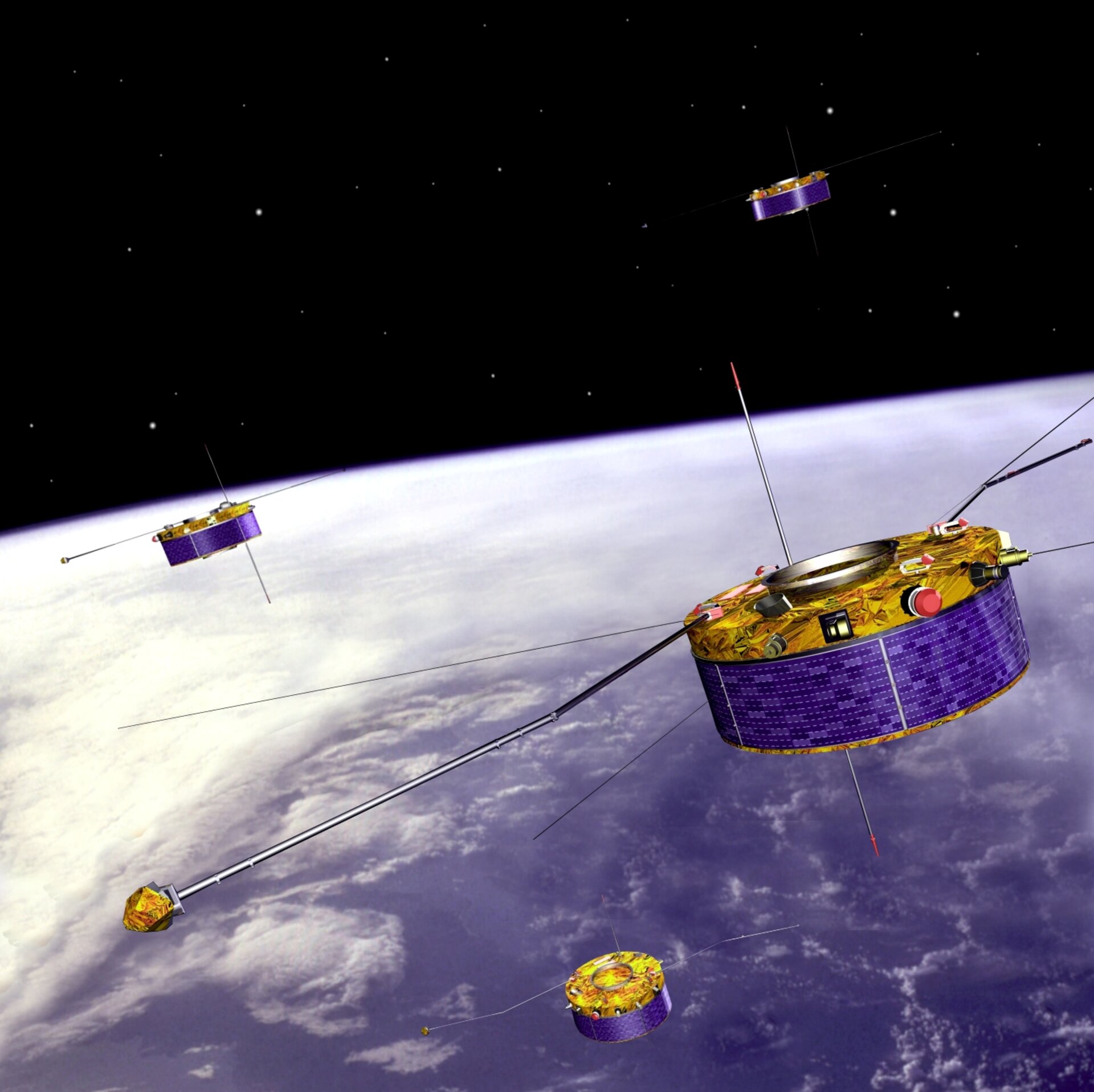
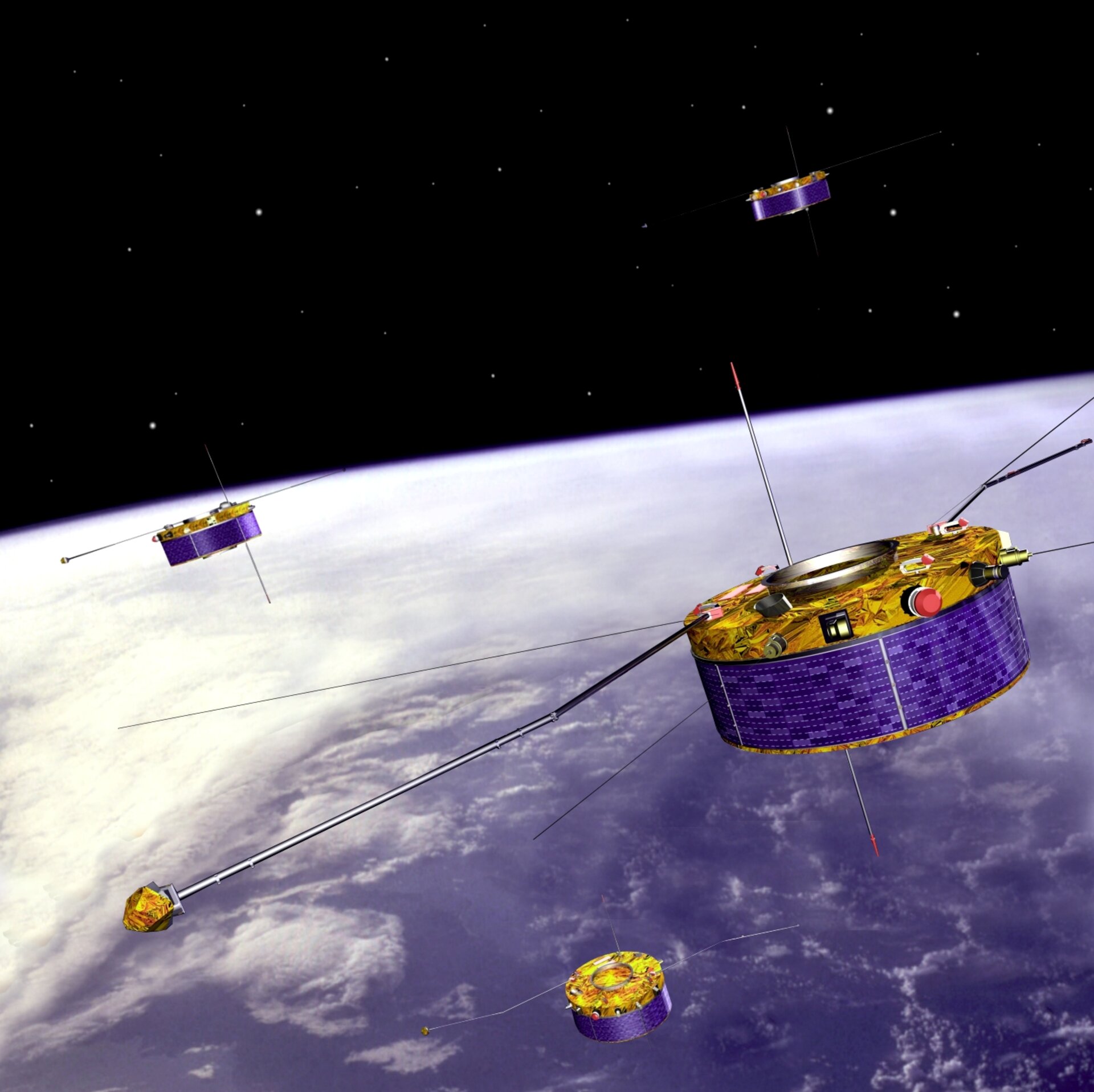
The European Space Agency (ESA) successfully manoeuvred its remaining two Cluster satellites to ensure they can both be observed from a plane as they reenter the atmosphere on 31 August and 1 September 2026.
“Moving two satellites to meet a plane sounds extreme, but the unique reentry data we’ll collect is worth orchestrating the challenging encounter over a remote stretch of ocean,” says Beatriz Jilete, space debris systems engineer at ESA.
“The remaining Cluster 3 and 4 satellites, nicknamed Samba and Tango, were already set on a trajectory to burn up safely over a remote corner of the South Pacific Ocean in 2024. They’ll reenter one after the other, about 24 hours apart.
The problem is that we’ll need time in between the reentries to fly back to land, refuel, let the pilot and scientists rest, and then fly out again to the second one. To make sure we can make it, we’re very happy that the mission operations team tweaked their trajectory just enough to have them come down a bit closer to each other and reachable by a small plane from the same airport.”
Reentry data is urgently needed
Understanding how satellites break apart as they fall through the atmosphere helps to build safer and more sustainable spacecraft.
“With better data on exactly when and how they heat up, break up, and which materials survive, engineers can design satellites that burn up completely, so-called design-for-demise satellites,” says Stijn Lemmens, Draco project manager at ESA.
“But such reentry data is very hard to collect.”
Reentries are difficult to witness from up close because of the violent nature of the process and the hard-to-reach location in the upper atmosphere, at around 80 km. Reentries take place too high up for observations and sample-taking using balloons, satellites in orbit are too far away to see much, and normally the reentry locations are too unpredictable to observe from the ground or the air.
Cluster’s opportunity for reentry science
With the Cluster quartet’s ‘targeted reentries’, ESA is setting a precedent for a responsible approach to reducing the ever-increasing problem of space debris and uncontrolled reentries also from less commonly used orbits. It shows that older missions can be disposed of in safer and more sustainable ways than thought possible at the time of design.
“The four Cluster satellites are identical and so by watching them reenter the atmosphere in a predictable location with slightly different trajectories and in different weather conditions, we get a unique opportunity to conduct a valuable reentry experiment to study the break-up of satellites.” says Beatriz.
“The only drawback for us is that the need to safely dispose of the satellites over remote corners of the ocean makes it so much harder to get there and observe the reentries from below.”
The team was not deterred. The very first of the four Clusters to reenter on 8 September 2024, Cluster 2 or Salsa, was observed by scientists aboard a plane. They flew for hours to reach the edge of the no fly safety zone directly around the location of the reentry.
“The reentry was captured by various onboard instruments, even though the predictions were slightly off. It was a tense time until the sighting could be confirmed definitively,” says Stijn.
“To repeat this observational experiment twice more with the lessons learned from Salsa will add an extra dimension to the data, allowing for comparisons and establishing patterns.”
Moving the satellites
To make this contribution to reentry science happen, multiple teams came together to move Samba and Tango. Like for any manoeuvre, the flight dynamics team figured out exactly how they could manage to get the reentry locations closer together. Samba will now come down further east, as Tango comes down a bit more to the west to give the team on the plane enough time to fly back, refuel and recharge in between reentry events.
After the space debris team gave their green light that there would be no collisions to avoid, the flight control team took over. They sent the command to the satellites, watching a few days later as the spacecraft executed the small burns on 19 and 20 January to adjust their trajectories as planned.
“An interesting opportunity might also be the Cluster satellites themselves reporting until shortly before their demise. Their power is working better than in the first two Clusters to reenter, so we are hopeful that we might be able to stay in contact longer and collect some more data this time around,” says Bruno Sousa, Cluster operations manager at ESA.
“The first two to reenter went into safe mode when passing through their last perigee before the reentry, because their solar panels overheated. The panels of Samba and Tango have not degraded as much. If they remain active throughout their last perigee pass, maybe we can collect valuable data on the satellites’ temperatures as they dip as deep as 110 km.”
Even better: Draco’s look from the inside
A next goal for ESA’s reentry specialists is to witness a reentry from the inside and see exactly what happens, how, when and where, throughout the entire reentry process with their reentry mission Draco.
Draco is scheduled for launch in 2027 and will go through a fiery reentry with the sole purpose of recording what exactly happens to the satellite. With over two hundred sensors, four cameras and an indestructible capsule to keep the collected data safe, Draco will offer a unique inside perspective of the destructive process.
“To top it off, our reentry scientists will be ready to board a plane once more to witness the event from below. With three practice runs under their belt, the team will be able to link the observations made from the plane to what’s happening within Draco at exactly that time,” says Stijn.
“With the data from the Cluster and Draco reentries we will improve reentry models. This helps to better predict where objects will fall and how they affect the atmosphere, and we can build better satellites to further reduce the chance of any pieces reaching the ground and posing risks to people or infrastructure.”










Related Posts
Stay Informed With the Latest & Most Important News
Previous Post
Next Post



Advertisement
-
 01Two Black Holes Observed Circling Each Other for the First Time
 -
 02From Polymerization-Enabled Folding and Assembly to Chemical Evolution: Key Processes for Emergence of Functional Polymers in the Origin of Life
 -
 03Astronomy 101: From the Sun and Moon to Wormholes and Warp Drive, Key Theories, Discoveries, and Facts about the Universe (The Adams 101 Series)
 -
 04True Anomaly hires former York Space executive as chief operating officer
 -
 05Φsat-2 begins science phase for AI Earth images
 -
 06Hurricane forecasters are losing 3 key satellites ahead of peak storm season − a meteorologist explains why it matters
 -
 07Binary star systems are complex astronomical objects − a new AI approach could pin down their properties quickly