
Now Reading: Valentine’s Day brings cosmic charm with predicted diamond rain on distant gas giants
-
01
Valentine’s Day brings cosmic charm with predicted diamond rain on distant gas giants

Valentine’s Day brings cosmic charm with predicted diamond rain on distant gas giants

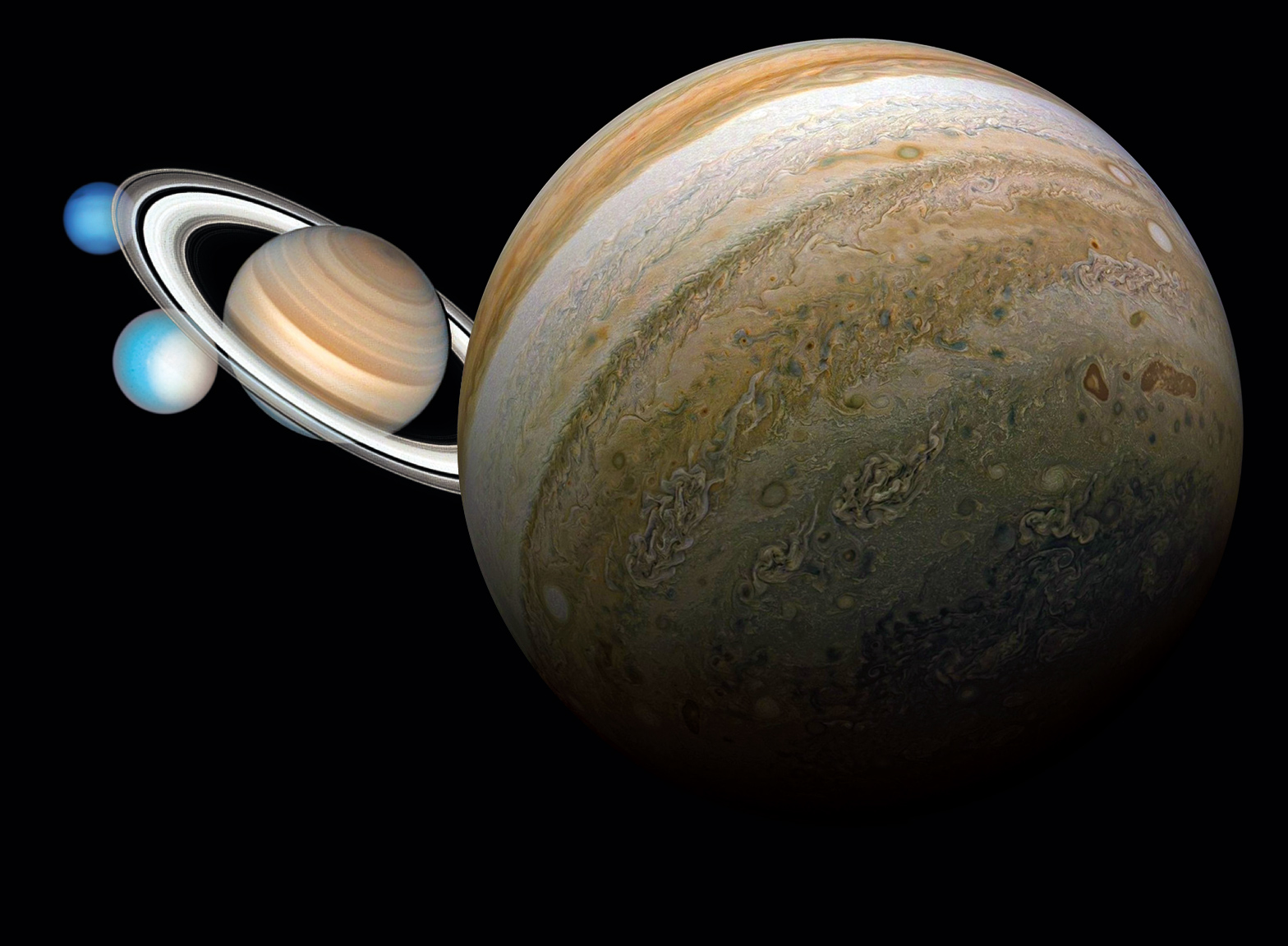
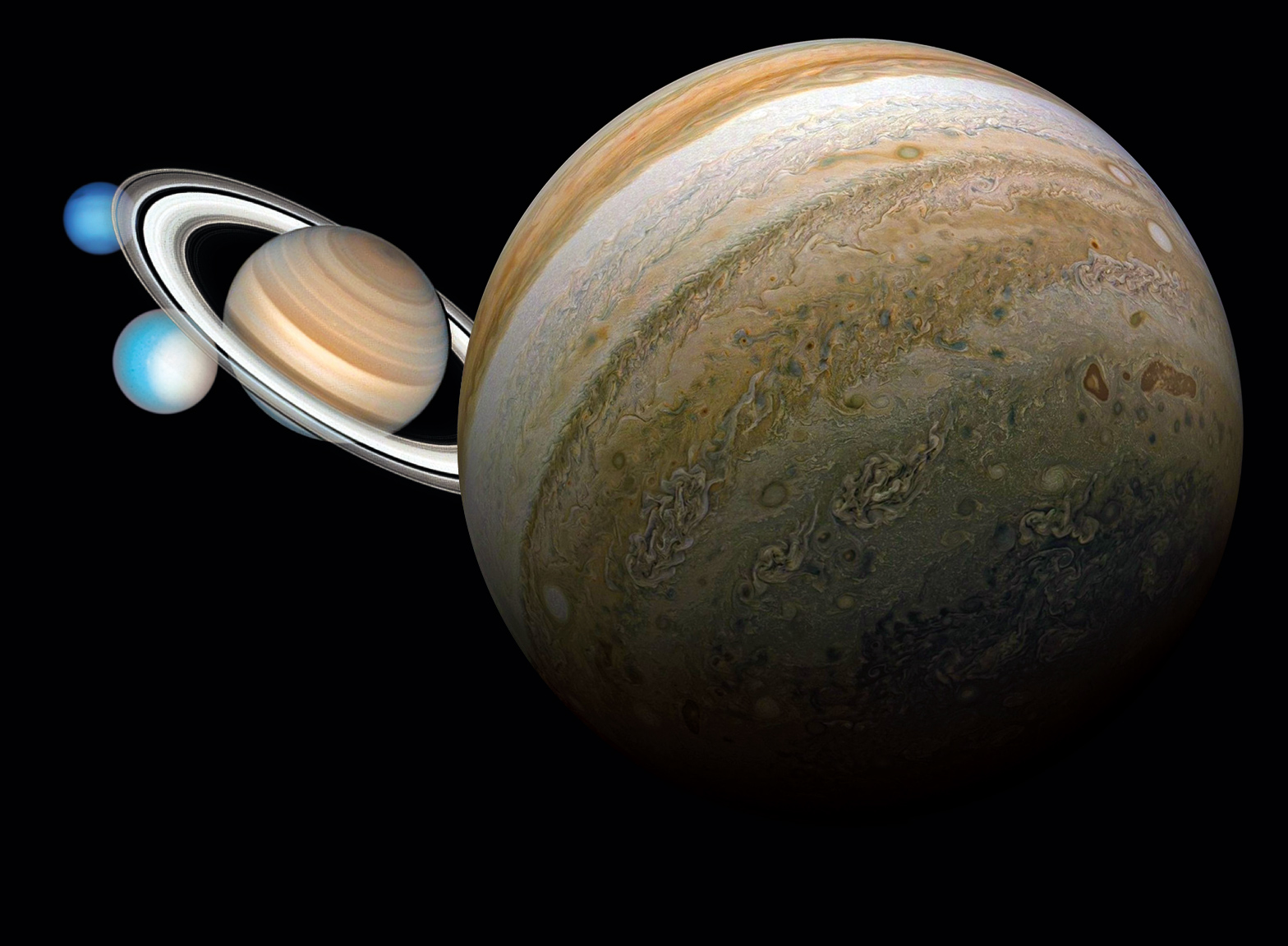
In a dazzling twist ideal for lovers and stargazers alike this Valentine’s Day, a recent weather forecast from Astronomy Now magazine reveals the outer reaches of our Solar System are predicted to experience a rainfall of diamonds. This extraordinary phenomenon, while not observable from the comfort of Earth, could be witnessed within the depths of gas giant planets like Uranus and Neptune.
According to the forecast, these planets boast a higher concentration of methane in their atmospheres, potentially resulting in more extensive diamond showers compared to their larger counterparts, Jupiter and Saturn. At extreme depths—where temperatures soar between 2,500 and 3,000 degrees Celsius and pressures reach tens of gigapascals—methane is subjected to crushing forces that transform it into diamonds in mere minutes. If conditions allow, thousands of tons of these glittering gems could fall to the planetary surfaces each year.
As travelers venture deeper into these alien atmospheres, they must be wary of the consequences. The relentless descent of diamonds can generate higher heat due to friction, while the gravitational pull of these solidifying gems has the potential to disrupt local wind currents and cloud formations. Furthermore, as diamonds descend through the atmosphere, they may alter the complex magnetic fields, rendering traditional navigation unreliable.
For those considering a journey to the majestic storms of Jupiter and Saturn, caution is advised. The best chances of witnessing this sparkling display lie within active storm systems, often referred to as ‘thunderstorm alley.’ Equipped with infrared glasses, explorers can pinpoint stormy areas where lightning transforms methane into soot, subsequently leading to the formation of graphite under immense pressure. Delving deeper into the gas giants, travelers might encounter large diamond formations, known as ‘diamondbergs.’ However, caution very important as venturing too deep could result in liquid carbon, where diamonds melt into an exquisite sea of liquid joy.
So for those in search of the ultimate romantic adventure this February, the charm of diamond showers among the gas giants offers a unique and extraordinary experience. Keep an eye on these fascinating celestial weather patterns, with monthly updates featured in Astronomy Now magazine. The cosmos may hold more than just starry skies; it may be raining jewels wherever you turn.










Related Posts



Stay Informed With the Latest & Most Important News
Previous Post
Next Post




Advertisement
-
 01Two Black Holes Observed Circling Each Other for the First Time
 -
 02From Polymerization-Enabled Folding and Assembly to Chemical Evolution: Key Processes for Emergence of Functional Polymers in the Origin of Life
 -
 03Astronomy 101: From the Sun and Moon to Wormholes and Warp Drive, Key Theories, Discoveries, and Facts about the Universe (The Adams 101 Series)
 -
 04True Anomaly hires former York Space executive as chief operating officer
 -
 05Φsat-2 begins science phase for AI Earth images
 -
 06Hurricane forecasters are losing 3 key satellites ahead of peak storm season − a meteorologist explains why it matters
 -
 07Binary star systems are complex astronomical objects − a new AI approach could pin down their properties quickly