
Now Reading: Refining The Clock Of Earth’s Early Complex Animal Life
-
01
Refining The Clock Of Earth’s Early Complex Animal Life


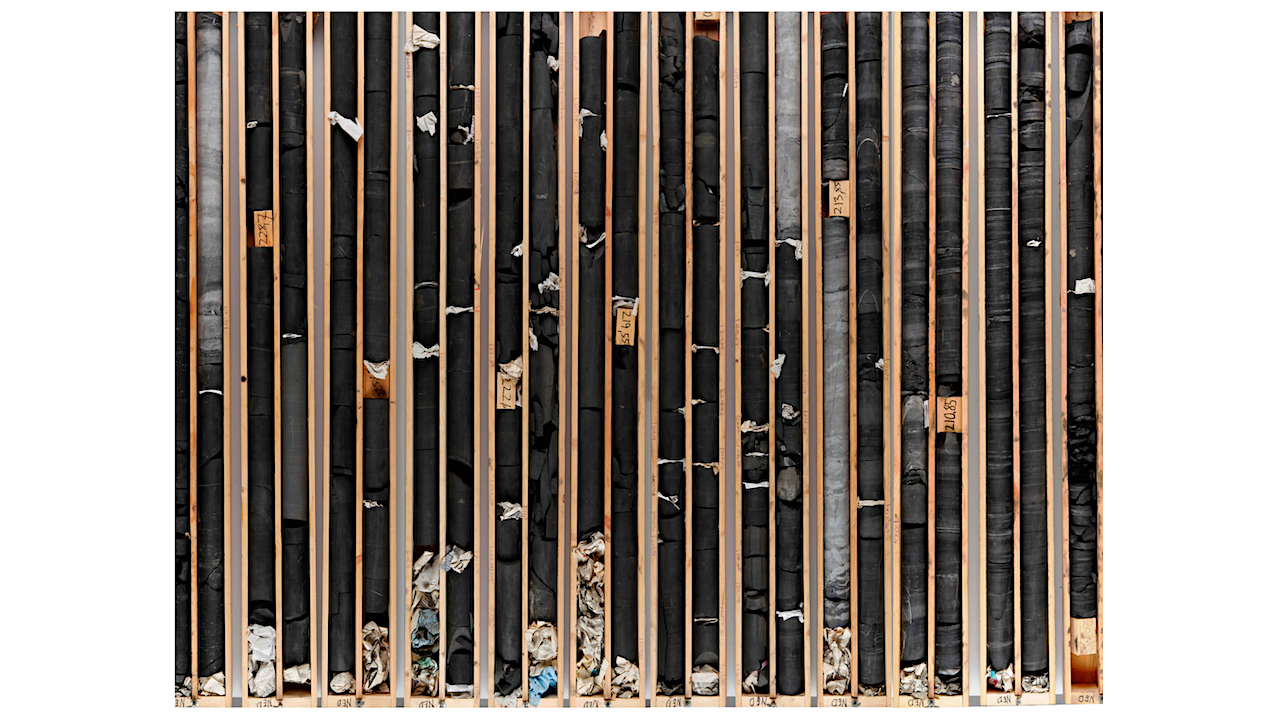
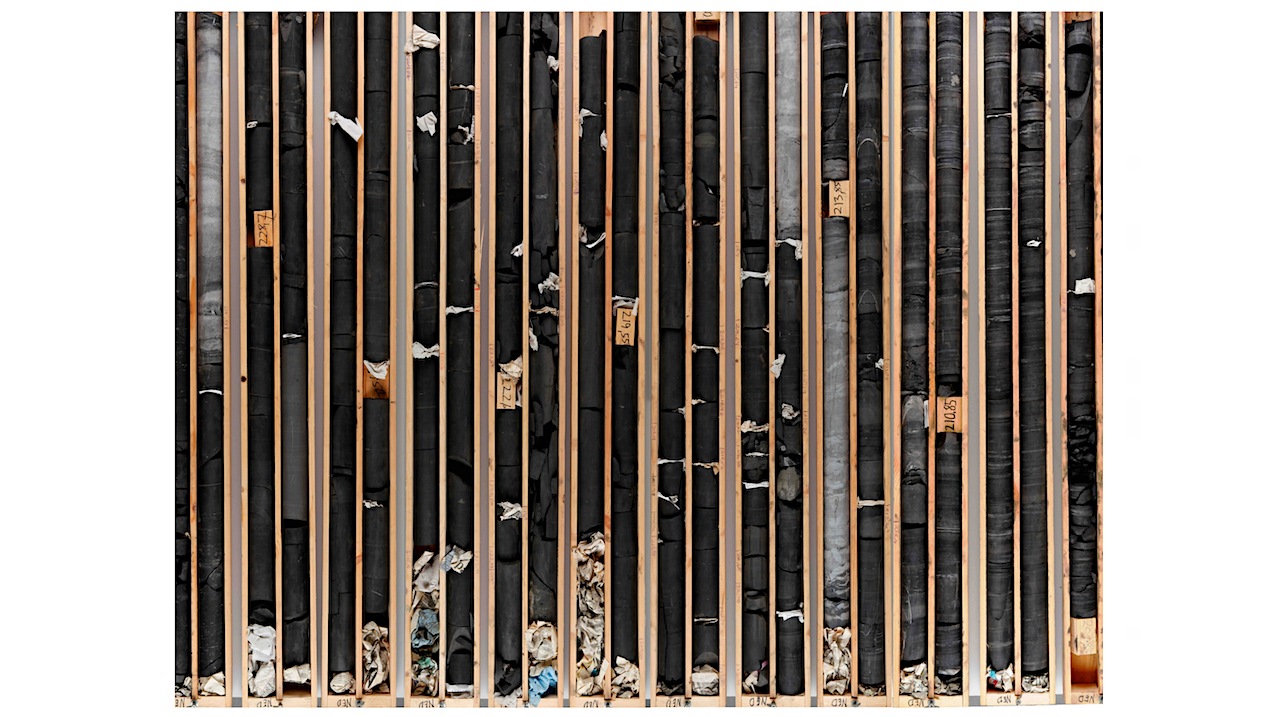
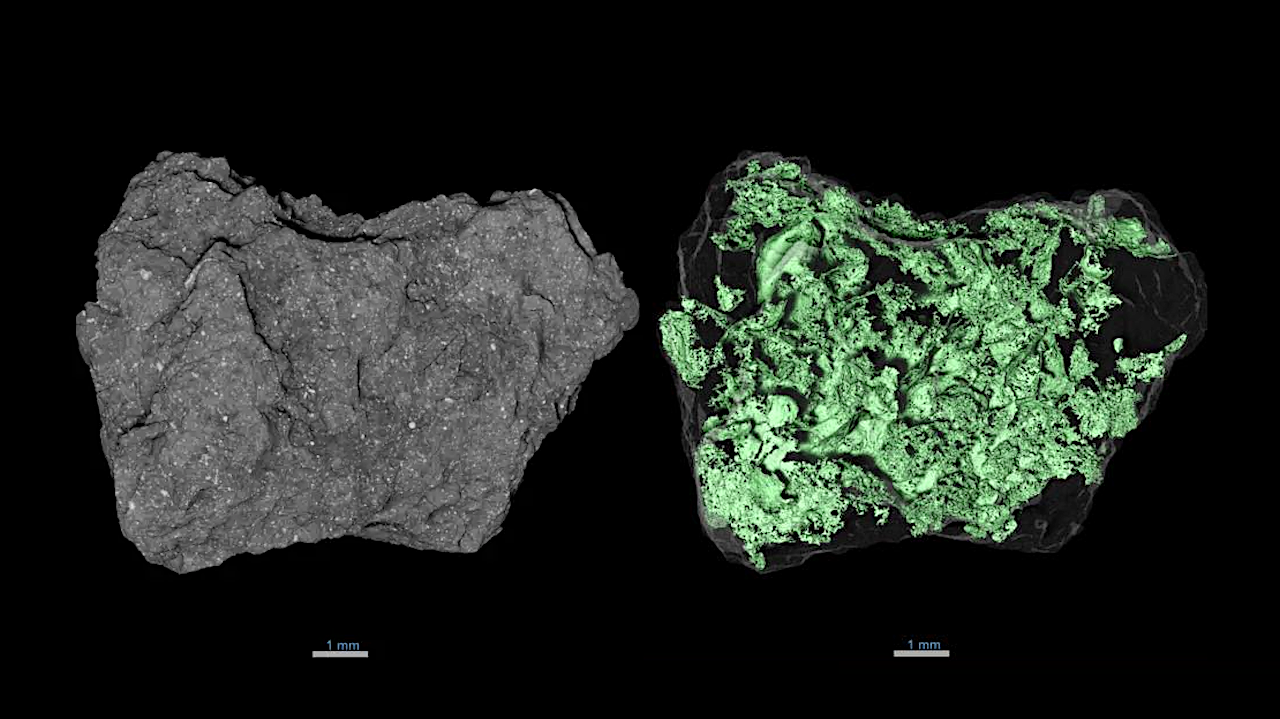
The researchers focused on exceptionally well-preserved sedimentary rocks deposited on ancient seafloors in what is now southern Sweden. Credit Unil
How can we measure time more than 500 million years into the past? A study recently published in Nature Communications by researchers at the University of Lausanne presents a new geological “rock clock” that allows major climate events from the dawn of complex animal life to be dated with unprecedented precision.
The Cambrian Period (approximately 539 to 487 million years ago) represents a pivotal chapter in Earth’s history, marked by the rapid diversification of complex animal life in the oceans. Understanding this evolutionary turning point requires precise constraints on the timing of environmental changes that shaped early ecosystems. Until now, however, dating such ancient events remain challenging, as many sedimentary archives lack direct age markers.
To overcome this limitation, the researchers focused on exceptionally well-preserved sedimentary rocks deposited on ancient seafloors in what is now southern Sweden. These rocks accumulated continuously over millions of years and retain both fossil remains and chemical signatures of past environmental conditions. Using a drill core, the team carried out high-resolution geochemical analyses that capture subtle variations in chemistry and carbon isotopes, central component of Earth’s climate system.
The key advance came from combining these measurements with cyclostratigraphy, a method that identifies the imprint of regular climate cycles driven by small, predictable variations in Earth’s orbit around the Sun. These orbital cycles influence climate in a rhythmic way and leave repeating patterns in sedimentary rocks. By recognizing and quantifying these patterns, the researchers transformed a long sequence of rock strata into a precise, internally consistent timeline anchored directly in the geological record.
This new “rock clock” has made it possible, for the first time, to determine the timing and duration of a major global climate disturbance known as the DrumIan Carbon isotope Excursion (DICE). Beyond refining the geological timescale of the Cambrian, the results allow rock layers and fossil records from different continents to be correlated more accurately. They also provide new insights into how Earth’s climate system and early animal ecosystems responded to natural climate change in a greenhouse world, half a billion years ago.
Funded by an Ambizione grant from the Swiss National Science Foundation (SNSF), the study was carried out at the University of Lausanne in collaboration with researchers from partner institutions in Danemark (University of Copenhagen, Geological Survey of Denmark and Greenland), the United States (George Mason University) and Belgium (University of Liège).
Source : V. Jamart, Damien Pas, Linda A. Hinnov, Jorge E. Spangenberg, Thierry Adatte, Arne T. Nielsen, Niels H. Schovsbo, Nicolas Thibault, Michiel Arts & Allison C. Daley, Astronomical calibration of the middle Cambrian in Baltica: global carbon cycle synchronization and climate dynamics. Nature Communication (2026). (open access)
Astrobiology, evolution,










Related Posts

Stay Informed With the Latest & Most Important News
Previous Post
Next Post

Advertisement
-
 01Two Black Holes Observed Circling Each Other for the First Time
 -
 02From Polymerization-Enabled Folding and Assembly to Chemical Evolution: Key Processes for Emergence of Functional Polymers in the Origin of Life
 -
 03Astronomy 101: From the Sun and Moon to Wormholes and Warp Drive, Key Theories, Discoveries, and Facts about the Universe (The Adams 101 Series)
 -
 04True Anomaly hires former York Space executive as chief operating officer
 -
 05Φsat-2 begins science phase for AI Earth images
 -
 06Hurricane forecasters are losing 3 key satellites ahead of peak storm season − a meteorologist explains why it matters
 -
 07Binary star systems are complex astronomical objects − a new AI approach could pin down their properties quickly