
Now Reading: NASA’s Artemis II poised to launch first crewed mission to the Moon in over 50 years
-
01
NASA’s Artemis II poised to launch first crewed mission to the Moon in over 50 years

NASA’s Artemis II poised to launch first crewed mission to the Moon in over 50 years

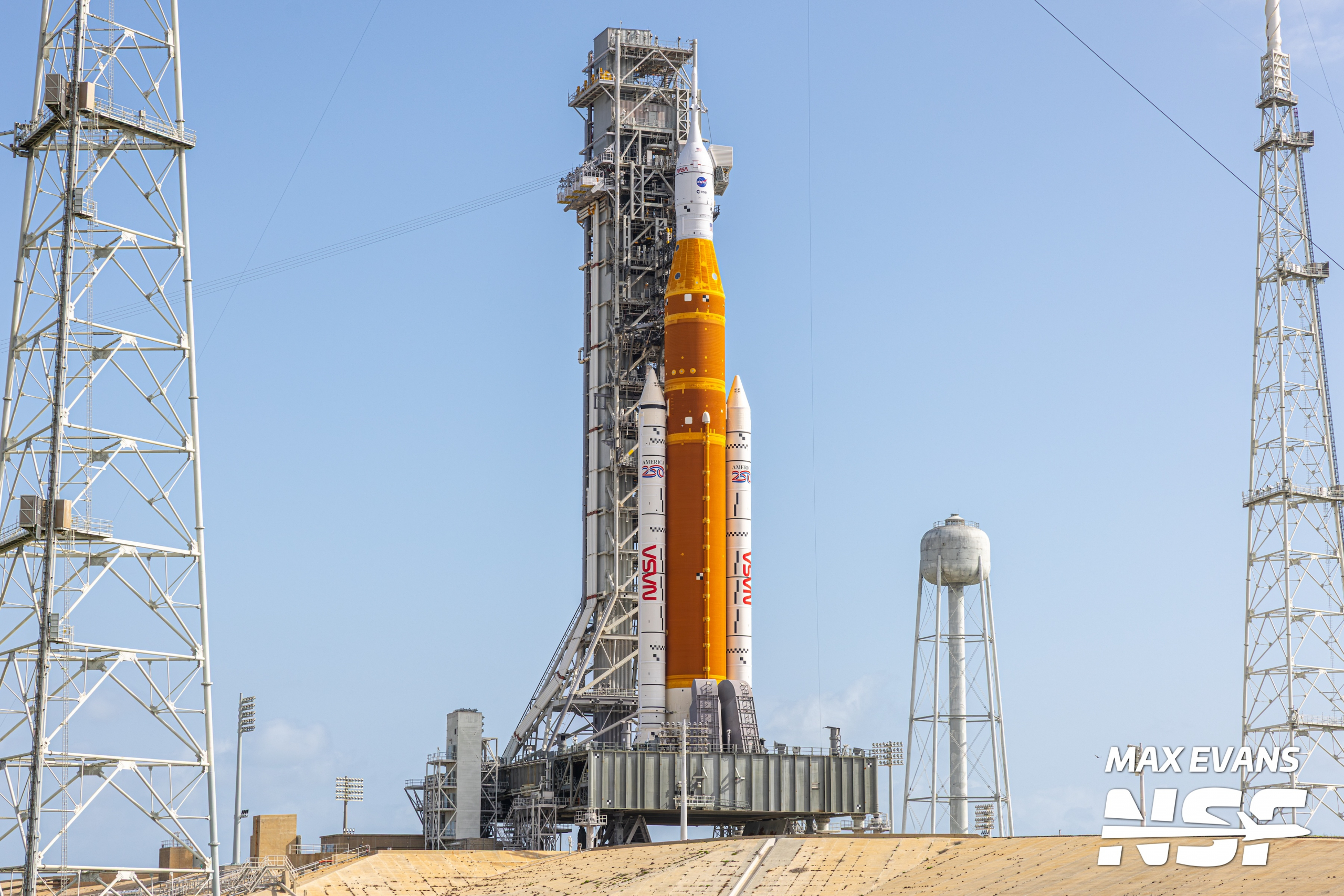

At 23:35 UTC on December 16, 1972, the Apollo 17 command module, America, executed its final trans-Earth injection burn, marking the end of an era in crewed lunar exploration as it embarked on its journey back to Earth. From that moment, over half a century passed without any human-capable spacecraft venturing close to Earth’s natural satellite. However, on April 1, 2026, NASA is preparing to break this prolonged hiatus with the launch of the Artemis II mission.
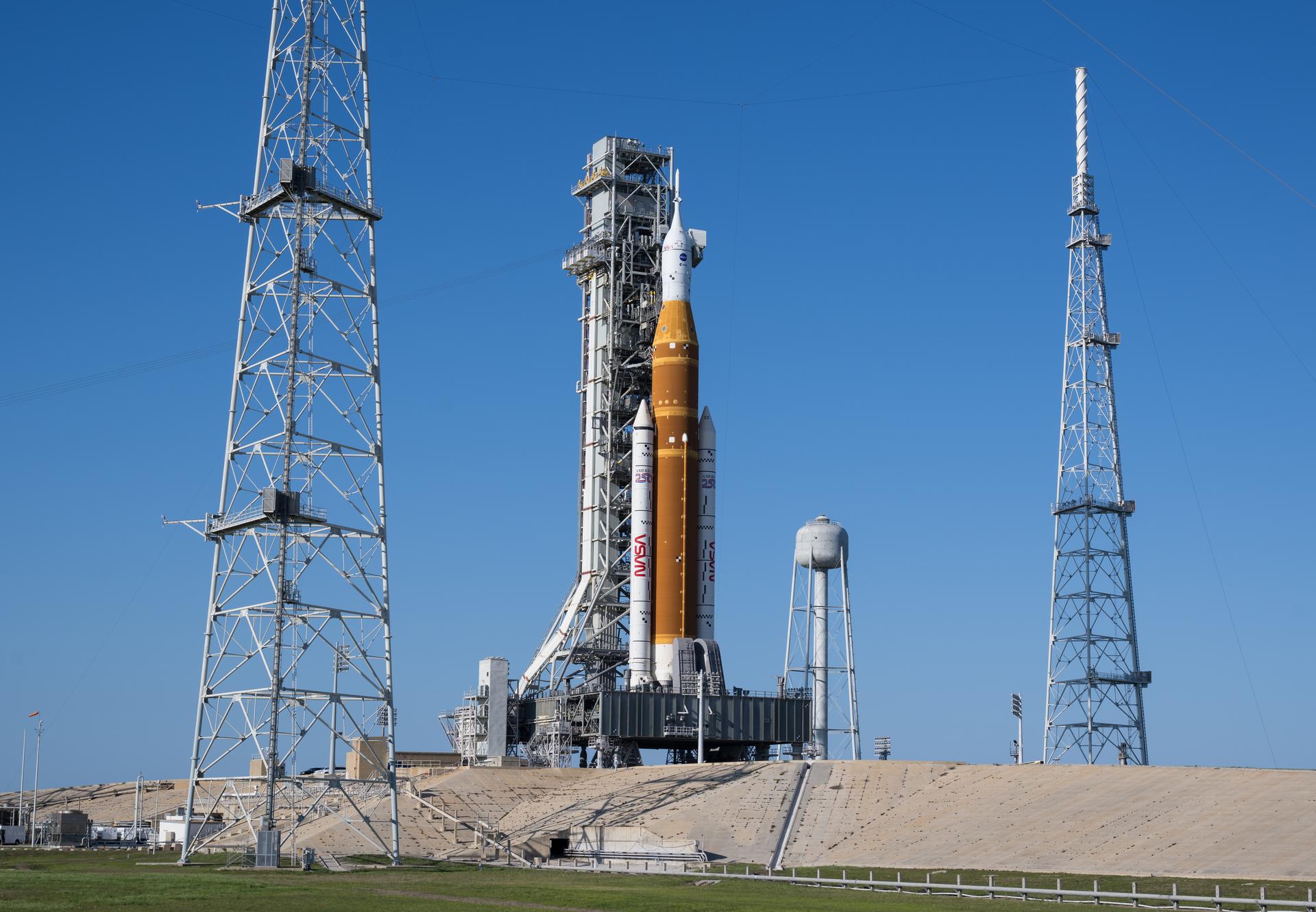
Scheduled to lift off from Launch Complex 39B at the Kennedy Space Center in Florida at 6:24 PM EDT (22:24 UTC), Artemis II represents a significant milestone as the first crewed Artemis mission. The spacecraft, named Integrity, will carry four astronauts aboard the Orion CM-003 spacecraft, propelled by the powerful Space Launch System (SLS) rocket, as it follows an eastward trajectory out of Florida.
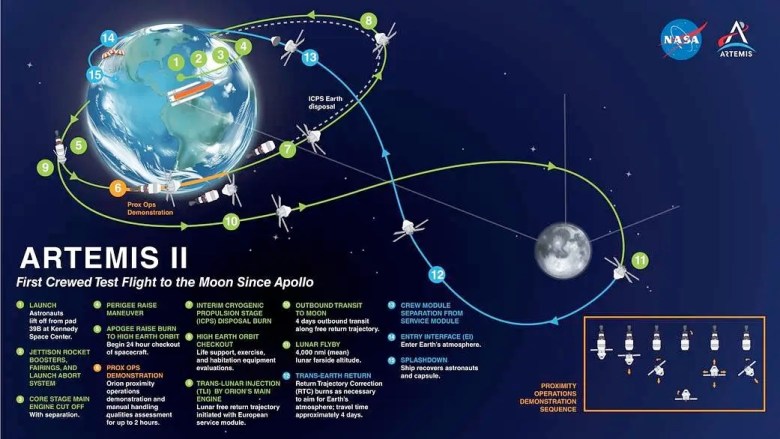
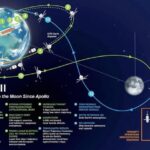
After launch, the Orion capsule will first enter a high-Earth orbit for essential system checks before executing a trans-lunar injection (TLI) burn that will redirect the spacecraft towards the Moon. Unlike the previous Apollo missions, Artemis II will not enter lunar orbit but will embark on a flyby, nearing the Moon at a distance of approximately 6,513 kilometers from the far side. At its maximum distance from Earth, the crew will set a new record for humans traveling further into space than ever before.
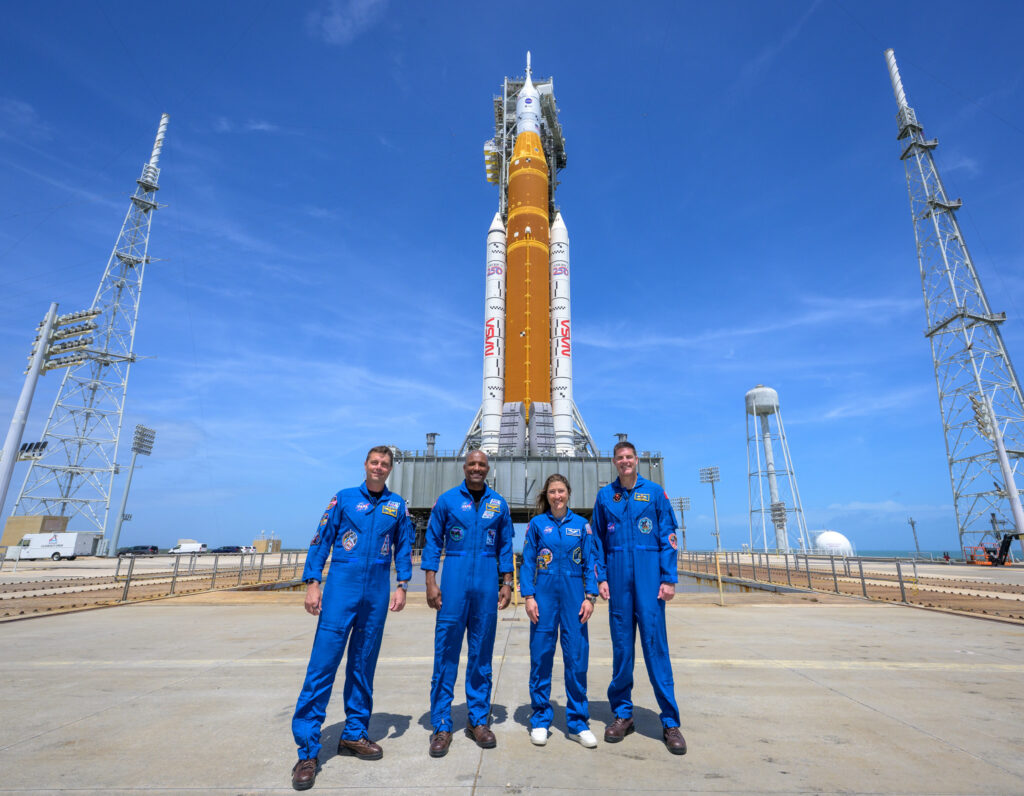
The Artemis II crew consists of three NASA astronauts—Reid Wiseman, who will command the mission; Victor Glover, serving as pilot; and Christina Koch, along with Canadian astronaut Jeremy Hansen, who will act as mission specialists. This mission is notable for several groundbreaking milestones in spaceflight history, as Glover will become the first person of color to travel beyond low-Earth orbit, Koch will be the first woman on this trajectory, and Hansen will represent Canada as the first non-American to go beyond Earth’s orbital vicinity.
Artemis II follows the uncrewed Artemis I mission, designed to test the Orion spacecraft and SLS rocket systems. This mission is also part of a broader vision outlined by NASA to establish a regular lunar exploration program, which includes future missions aiming for a crewed landing near the Moon’s south pole as early as 2028.
The Artemis program has its roots dating back to the end of the Apollo era in the early 1970s. Following Apollo, NASA shifted its focus to low-Earth orbit operations, primarily through the Space Shuttle program. Over several decades, this program facilitated a high number of missions and constructed the International Space Station. However, after the Space Shuttle’s retirement, NASA sought new methods for lunar exploration, leading to the 2005 establishment of the Constellation program, aimed at returning humans to the Moon and laying the groundwork for future Mars exploration.
After several iterations and adjustments, including the designation of the Artemis name to honor the Greek goddess of the Moon, NASA aims to create a sustainable human presence on the Moon. The Artemis II mission, serving as an important component of this evolving strategy, is anticipated to usher in a new chapter of exploration.
Preparations for the Artemis II mission are currently underway, with the launch countdown actively progressing. With the weather forecast indicating favorable conditions at 80% likelihood of “go” for the April 1 launch, NASA is keenly focused on ensuring both crew and vehicle readiness for this historic journey. As the Artemis II crew enters quarantine and final preparations ramp up, anticipation grows for what will be the first human-crewed mission to the Moon in 52 years, paving the way for a return to lunar exploration and beyond.










Related Posts

Stay Informed With the Latest & Most Important News
Previous Post
Next Post




Advertisement
-
 01Two Black Holes Observed Circling Each Other for the First Time
 -
 02From Polymerization-Enabled Folding and Assembly to Chemical Evolution: Key Processes for Emergence of Functional Polymers in the Origin of Life
 -
 03Astronomy 101: From the Sun and Moon to Wormholes and Warp Drive, Key Theories, Discoveries, and Facts about the Universe (The Adams 101 Series)
 -
 04True Anomaly hires former York Space executive as chief operating officer
 -
 05Φsat-2 begins science phase for AI Earth images
 -
 06Hurricane forecasters are losing 3 key satellites ahead of peak storm season − a meteorologist explains why it matters
 -
 07Binary star systems are complex astronomical objects − a new AI approach could pin down their properties quickly