
Now Reading: Behavior Of Biomolecules Under High-pressure Torsion And Its Implications For Astrobiology
-
01
Behavior Of Biomolecules Under High-pressure Torsion And Its Implications For Astrobiology

Behavior Of Biomolecules Under High-pressure Torsion And Its Implications For Astrobiology

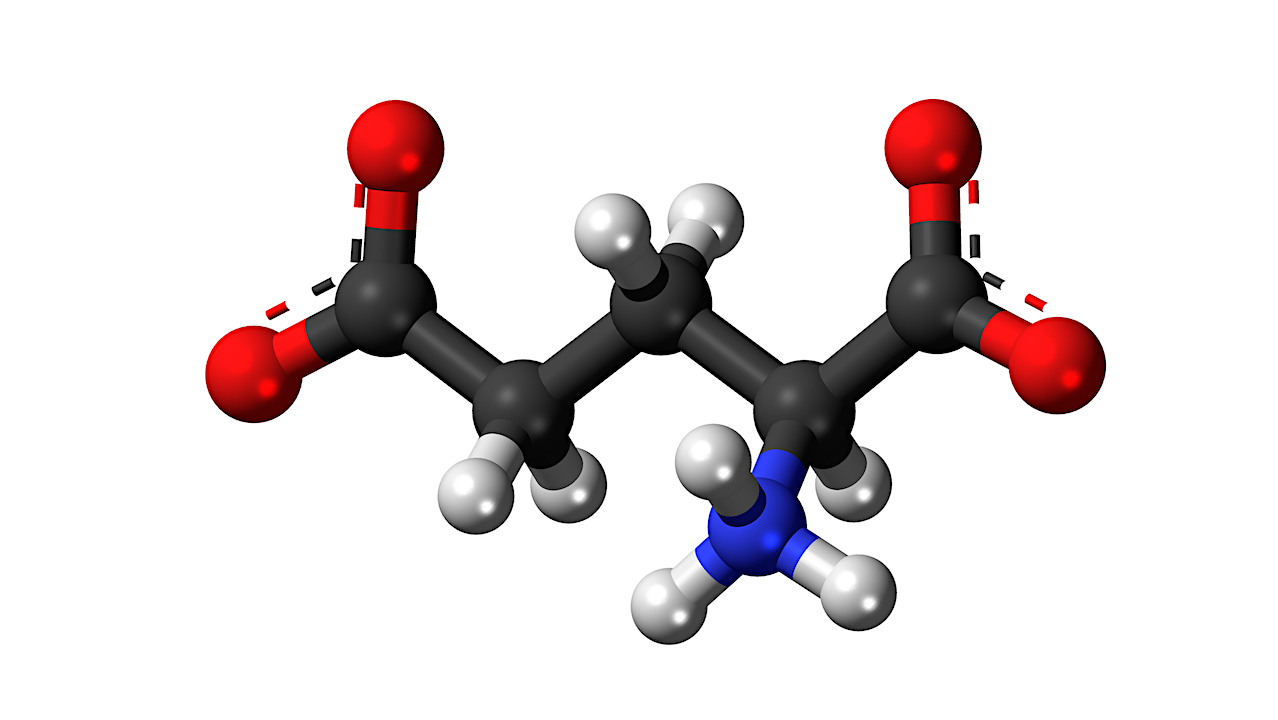

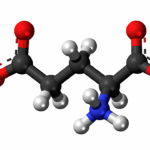
L-Glutamic-acid — Wikipedia
Understanding the fate of biomolecules under extreme conditions is central to astrobiology and the origin of life.
Astronomical impacts uniquely combine high pressure with intense plastic shear strain, while conventional shock compression studies neglect the role of plastic strain. This article reviews recent studies on the use of high pressure torsion (HPT) as a novel experimental platform for simulating such impacts.
Recent HPT studies of key prebiotic molecules, like amino acids (glycine, glutamic acid and serine) and nucleotides (adenosine monophosphate) are critically reviewed in this article. Spectroscopic analyses demonstrate molecule-dependent responses under HPT, ranging from structural stability to partial decomposition, highlighting plastic strain as a crucial factor in prebiotic chemistry.
By bridging materials science and astrobiology, HPT provides critical insights into mechanochemical pathways that could have driven the molecular evolution of proteins and ribonucleic acids (RNA) on the early Earth, and eventually led to the emergence of life.
Behavior of biomolecules under high-pressure torsion and its implications for astrobiology,
High Pressure Research
related link
Astrobiology, Astrochemistry,











Related Posts
Stay Informed With the Latest & Most Important News
Previous Post
Next Post

Advertisement
-
 01Two Black Holes Observed Circling Each Other for the First Time
 -
 02From Polymerization-Enabled Folding and Assembly to Chemical Evolution: Key Processes for Emergence of Functional Polymers in the Origin of Life
 -
 03Astronomy 101: From the Sun and Moon to Wormholes and Warp Drive, Key Theories, Discoveries, and Facts about the Universe (The Adams 101 Series)
 -
 04True Anomaly hires former York Space executive as chief operating officer
 -
 05Φsat-2 begins science phase for AI Earth images
 -
 06Hurricane forecasters are losing 3 key satellites ahead of peak storm season − a meteorologist explains why it matters
 -
 07Binary star systems are complex astronomical objects − a new AI approach could pin down their properties quickly