
Now Reading: SpaceX launches its 50th mission of the year, sends 25 Starlink satellites to orbit (video)
-
01
SpaceX launches its 50th mission of the year, sends 25 Starlink satellites to orbit (video)

SpaceX launches its 50th mission of the year, sends 25 Starlink satellites to orbit (video)

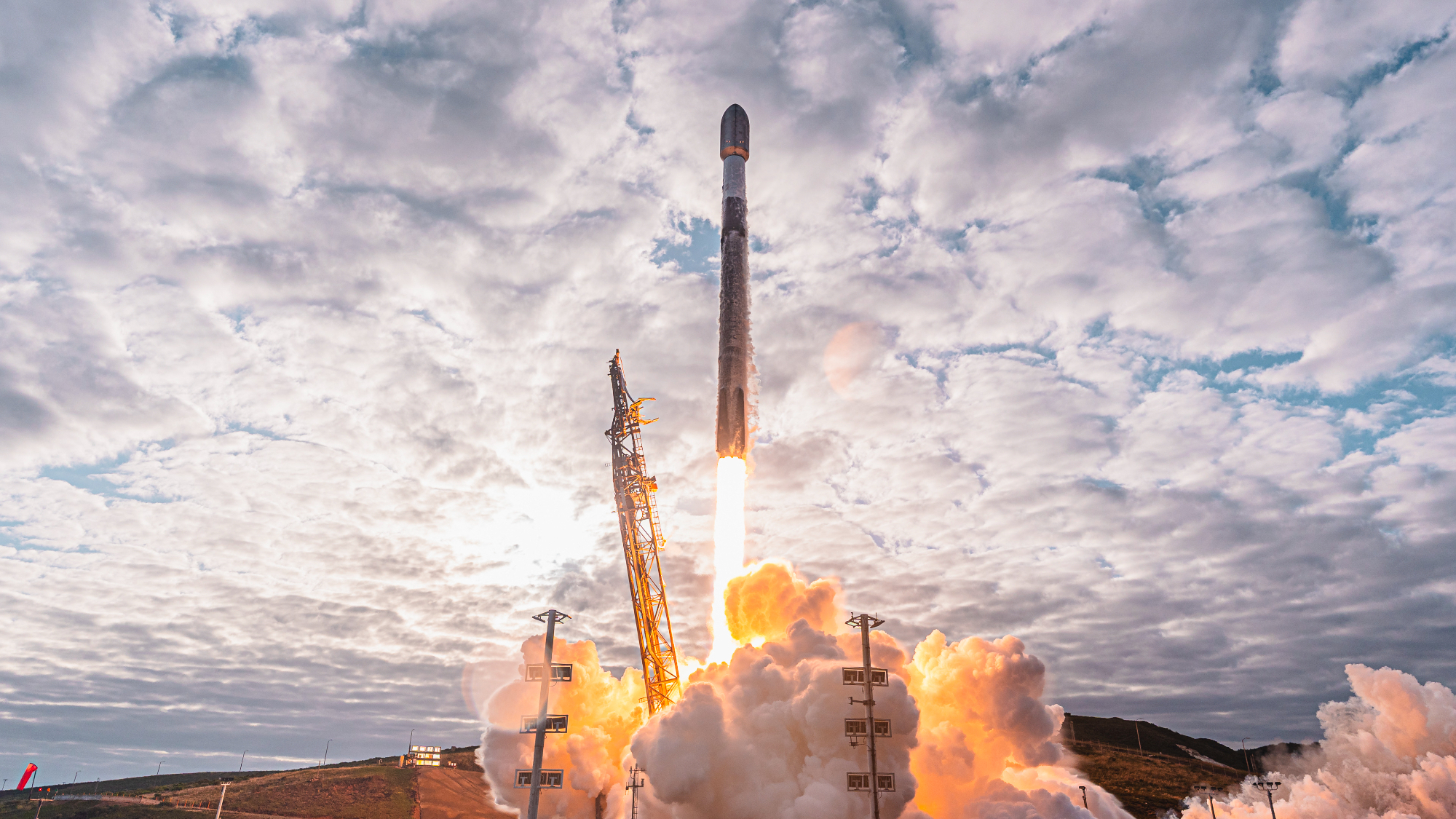
SpaceX just launched its 50th mission of the year.
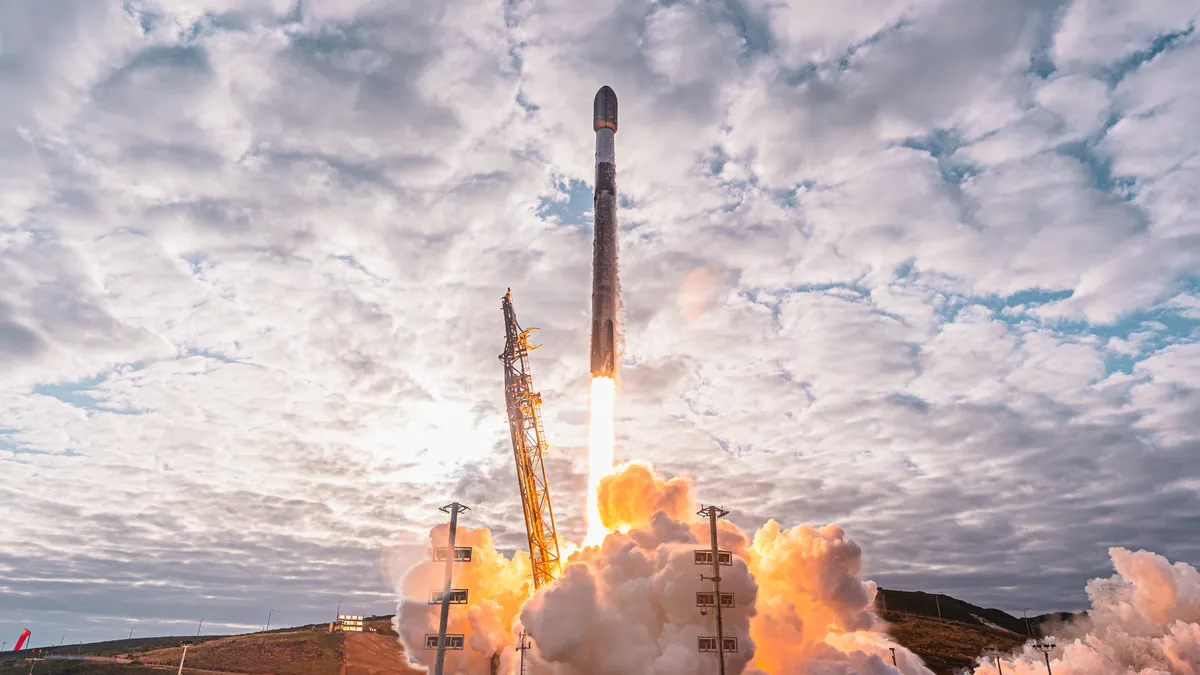
It was the 15th launch and landing for this particular booster, which is designated 1088.
The Falcon 9’s upper stage, meanwhile, continued carrying the Starlink satellites to low Earth orbit. The spacecraft were deployed on schedule a little over 61 minutes after liftoff, SpaceX announced via social media.
The newcomers join the largest constellation ever assembled, which currently consists of nearly 10,300 active satellites. And it’s growing all the time, as Sunday’s launch shows: Forty-two of SpaceX’s 50 launches this year have been Starlink missions.
Previous Booster 1088 missions
All 50 of those launches have been conducted by Falcon 9s. SpaceX also flies two other rockets, Falcon Heavy and Starship, but neither one has lifted off in 2026.
That will change soon, if all goes to plan. Indeed, a Falcon Heavy was supposed to launch on Monday (April 27), carrying the ViaSat-3 F3 communications satellite to orbit, but bad weather nixed that plan. SpaceX is currently eyeing Wednesday morning (April 29) for that liftoff, which will be the first for a Falcon Heavy since October 2024.
Starship, which SpaceX is developing to take people to the moon and Mars, among other tasks, is still in the test-flight phase. The company is gearing up for the 12th suborbital trial of Starship, which could happen as soon as next month.
Fifty launches at this point puts SpaceX on track for about 160 orbital missions in 2026. That would be just shy of the company record, 165, which it set last year. (SpaceX also launched five suborbital Starship test flights in 2025, boosting its total liftoff tally to 170.)










Related Posts
Stay Informed With the Latest & Most Important News
Previous Post
Next Post
Advertisement
-
 01Two Black Holes Observed Circling Each Other for the First Time
 -
 02From Polymerization-Enabled Folding and Assembly to Chemical Evolution: Key Processes for Emergence of Functional Polymers in the Origin of Life
 -
 03Astronomy 101: From the Sun and Moon to Wormholes and Warp Drive, Key Theories, Discoveries, and Facts about the Universe (The Adams 101 Series)
 -
 04True Anomaly hires former York Space executive as chief operating officer
 -
 05Φsat-2 begins science phase for AI Earth images
 -
 06Hurricane forecasters are losing 3 key satellites ahead of peak storm season − a meteorologist explains why it matters
 -
 07Binary star systems are complex astronomical objects − a new AI approach could pin down their properties quickly