
Now Reading: Building on America’s 65-Year Legacy of Human Spaceflight
-
01
Building on America’s 65-Year Legacy of Human Spaceflight


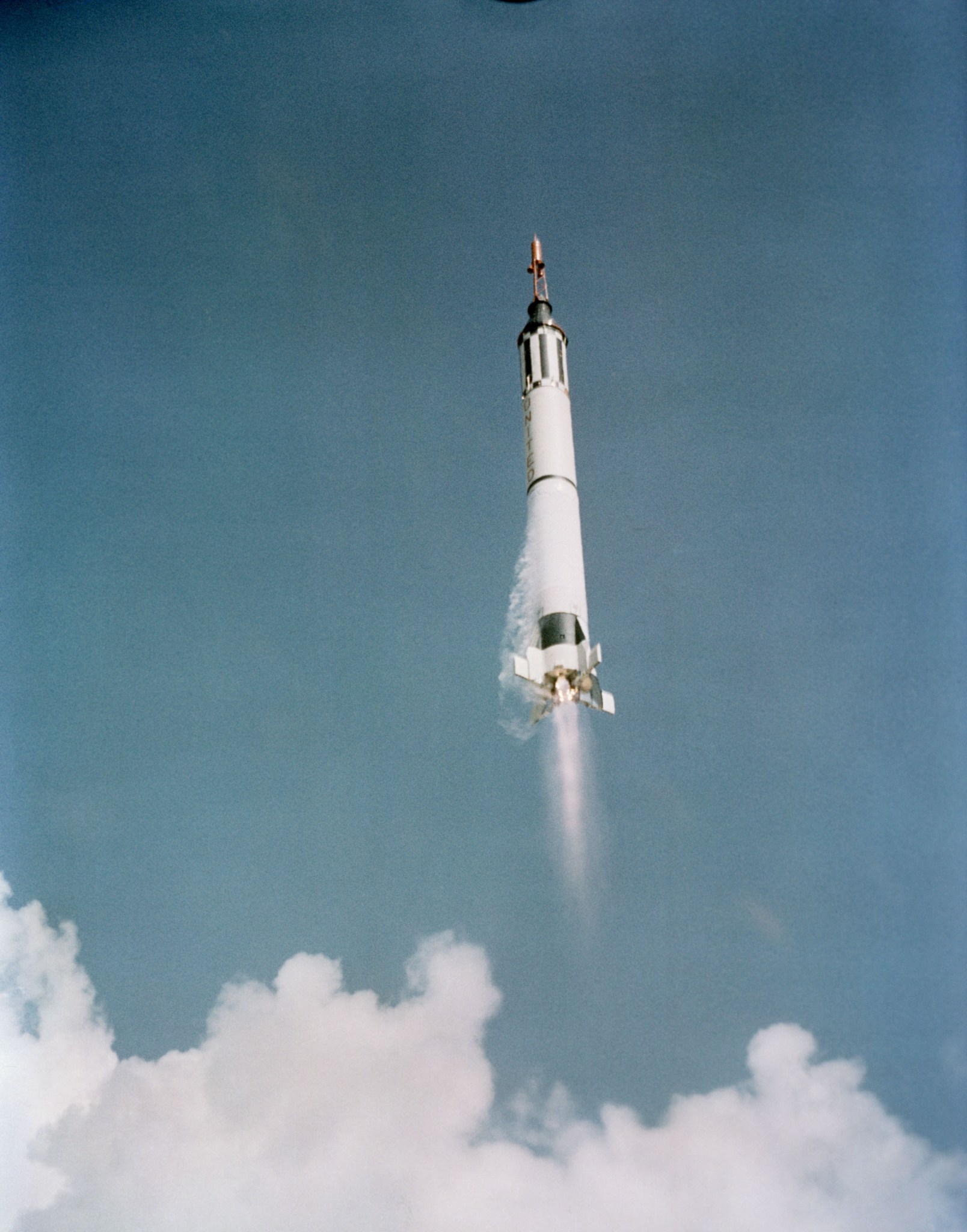
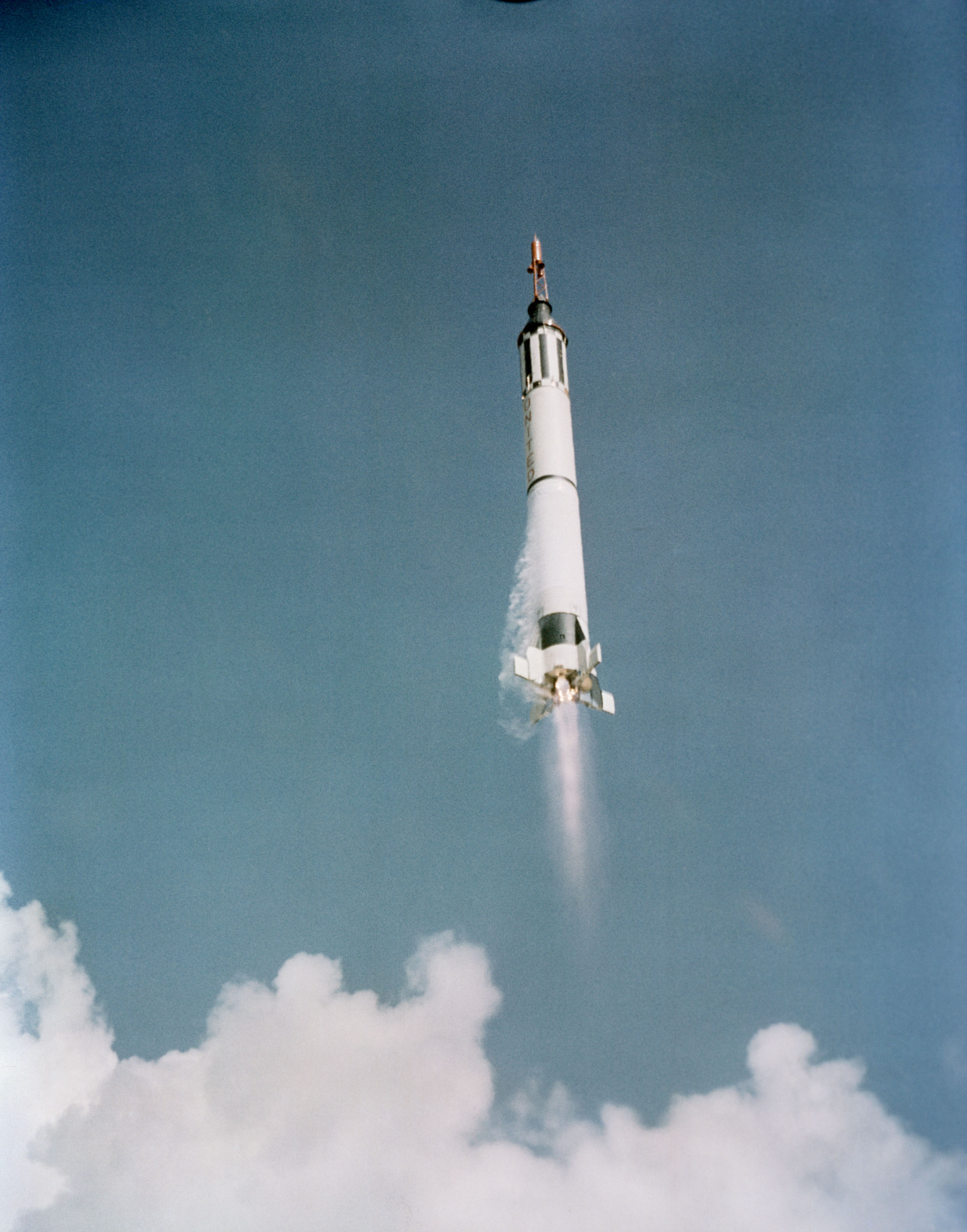
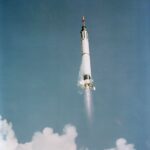
On the morning of May 5, 1961, the Mercury-Redstone 3 launch vehicle lifted into the sky from Cape Canaveral, Florida, carrying astronaut Alan B. Shepard Jr. Over the next 15 minutes, Shepard ascended to an altitude of 116 miles (187 kilometers) in his Freedom 7 spacecraft, becoming the first American to fly into space before splashing down in the Atlantic Ocean. This short flight marked the United States’ entry into human spaceflight and was a defining first step that would carry the nation to the Moon just eight years later.
Sixty-five years later, as NASA accelerates the pace for the Artemis missions that will return astronauts to the surface of the Moon and lay the foundations for a Moon base, the anniversary of Shepard’s flight offers an opportunity to reflect on the pioneering spirit of NASA’s Project Mercury and Project Gemini missions.
Image credit: NASA










Related Posts

Stay Informed With the Latest & Most Important News


Advertisement
-
 01Two Black Holes Observed Circling Each Other for the First Time
 -
 02From Polymerization-Enabled Folding and Assembly to Chemical Evolution: Key Processes for Emergence of Functional Polymers in the Origin of Life
 -
 03Astronomy 101: From the Sun and Moon to Wormholes and Warp Drive, Key Theories, Discoveries, and Facts about the Universe (The Adams 101 Series)
 -
 04True Anomaly hires former York Space executive as chief operating officer
 -
 05Φsat-2 begins science phase for AI Earth images
 -
 06Hurricane forecasters are losing 3 key satellites ahead of peak storm season − a meteorologist explains why it matters
 -
 07Binary star systems are complex astronomical objects − a new AI approach could pin down their properties quickly