
Now Reading: A SpaceX Starlink satellite is tumbling and falling out of space after partial breakup in orbit
-
01
A SpaceX Starlink satellite is tumbling and falling out of space after partial breakup in orbit

A SpaceX Starlink satellite is tumbling and falling out of space after partial breakup in orbit

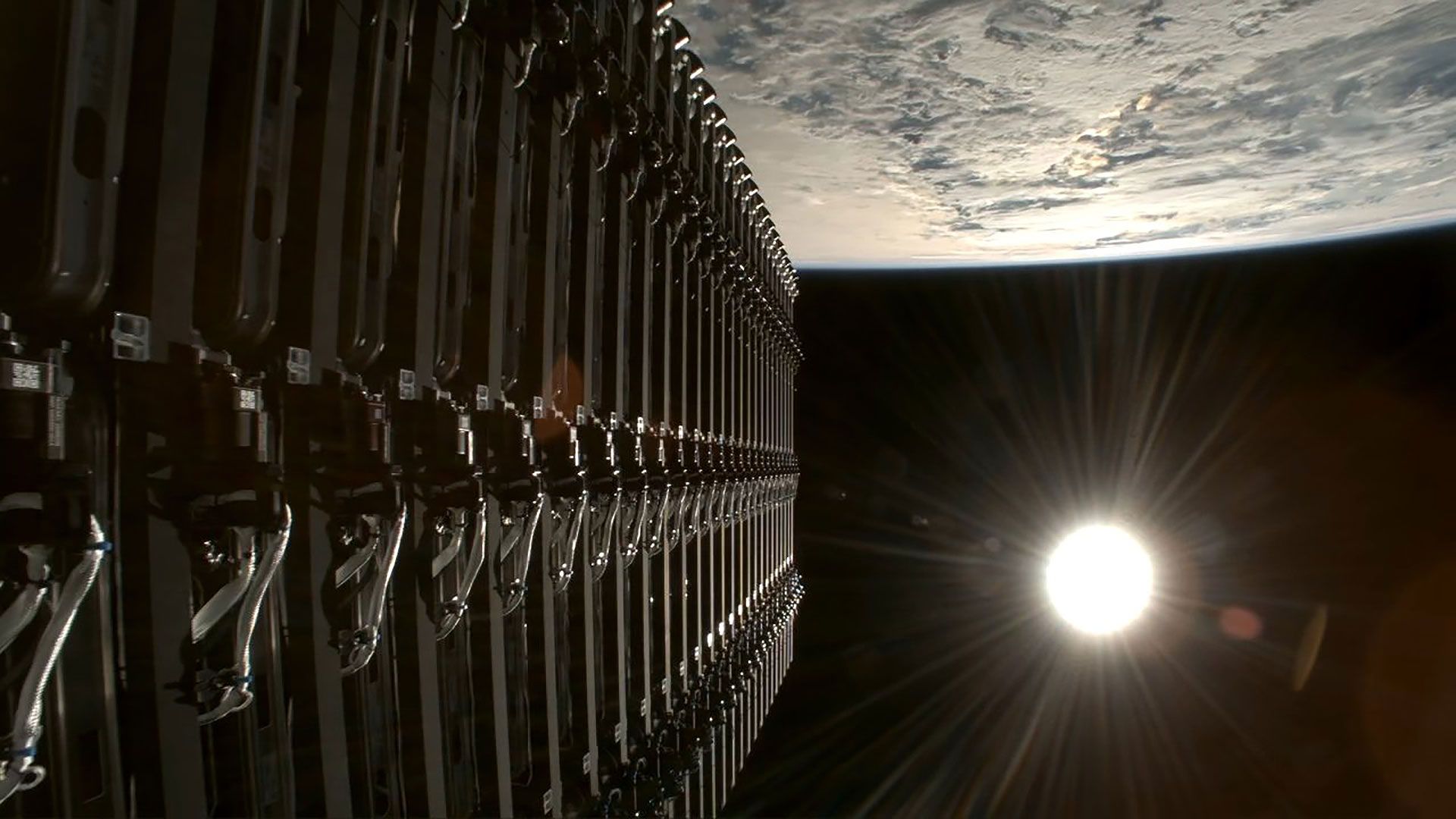
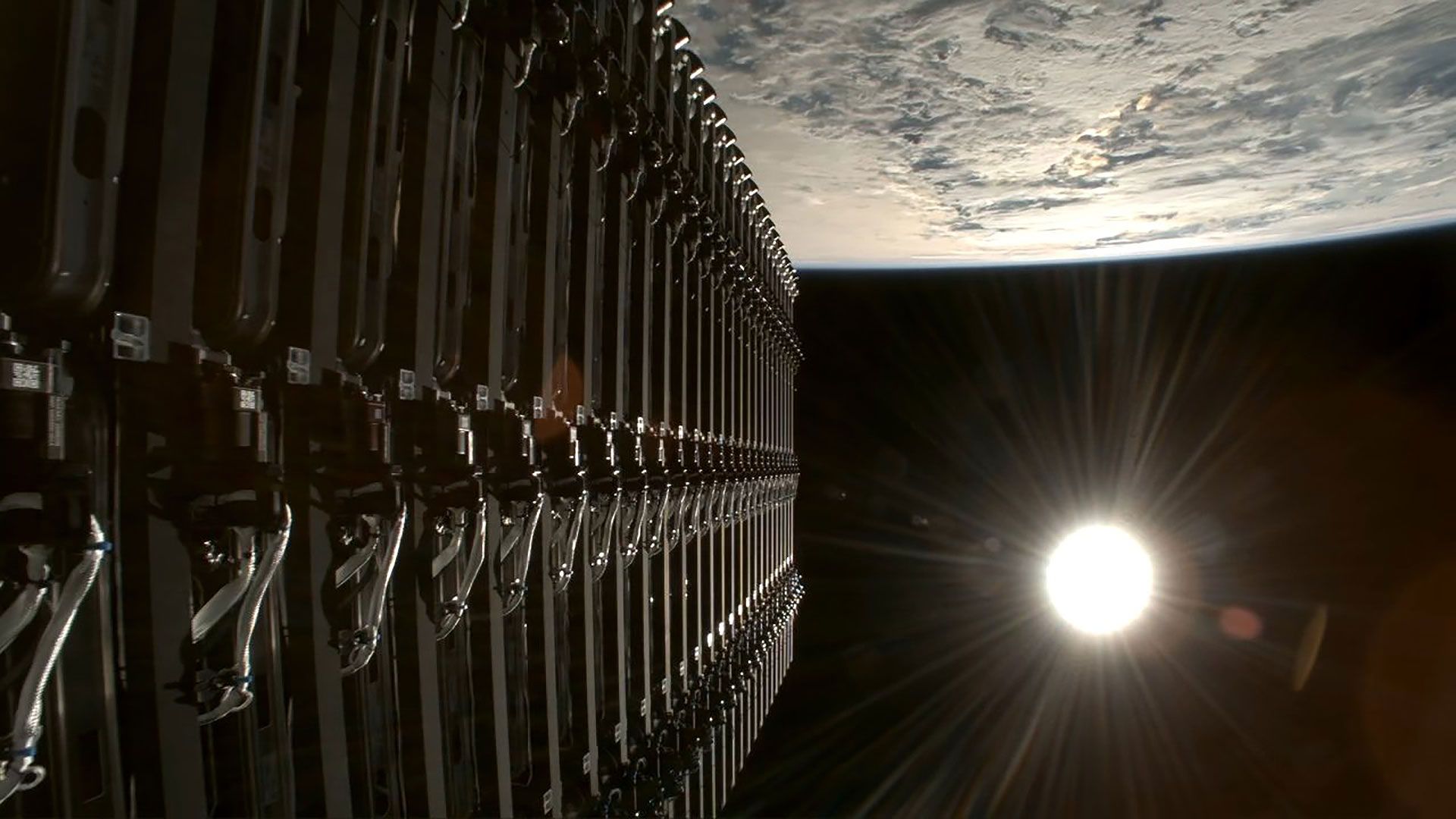
One of SpaceX’s Starlink broadband internet satellites suffered an anomaly in orbit on Wednesday (Dec. 17) and is now plunging toward Earth.
The mishap led to a loss of communication with the Starlink spacecraft, which was orbiting at an altitude of 260 miles (418 kilometers), according to the company.
On December 17, Starlink experienced an anomaly on satellite 35956, resulting in loss of communications with the vehicle at 418 km. The anomaly led to venting of the propulsion tank, a rapid decay in semi-major axis by about 4 km, and the release of a small number of trackable…December 18, 2025
SpaceX is working with NASA and the U.S. Space Force to keep tabs on the newly liberated pieces of space debris, the post continued, stressing that there’s not much to worry about.
“The satellite is largely intact, tumbling, and will reenter the Earth’s atmosphere and fully demise within weeks. The satellite’s current trajectory will place it below the @Space_Station, posing no risk to the orbiting lab or its crew,” Starlink representatives wrote.
“As the world’s largest satellite constellation operator, we are deeply committed to space safety,” they added. “We take these events seriously. Our engineers are rapidly working to root cause and mitigate the source of the anomaly and are already in the process of deploying software to our vehicles that increases protections against this type of event.”
The Starlink megaconstellation is by far the largest ever assembled. It currently consists of nearly 9,300 active satellites, meaning that SpaceX operates about 65% of all the functional spacecraft zipping around our planet.
And that number is growing all the time. SpaceX has launched 122 Starlink missions this year alone, sending more than 3,000 of the satellites to low Earth orbit.
Starlink satellites have a design lifetime of about five years, and SpaceX deorbits each one intentionally before it conks out in orbit.
The company has taken other steps to mitigate the space-junk threat posed by the megaconstellation as well. For example, Starlink spacecraft avoid potential collisions autonomously, an ability they put into practice quite often: In the first six months of 2025, Starlink satellites conducted about 145,000 evasive actions — an average of about four per spacecraft per month.
There’s no guarantee that every satellite operator is quite so responsible, however. Last week, for example, a satellite recently deployed by a Chinese rocket gave a Starlink spacecraft a close shave, apparently without providing the proper warning ahead of time.
“As far as we know, no coordination or deconfliction with existing satellites operating in space was performed, resulting in a 200-meter close approach between one of the deployed satellites and STARLINK-6079 (56120) at 560 km altitude. Most of the risk of operating in space comes from the lack of coordination between satellite operators — this needs to change,” Michael Nicolls, vice president of Starlink engineering at SpaceX, said via X on Dec. 12.










Related Posts


Stay Informed With the Latest & Most Important News
Previous Post
Next Post



Advertisement
-
 01Two Black Holes Observed Circling Each Other for the First Time
 -
 02From Polymerization-Enabled Folding and Assembly to Chemical Evolution: Key Processes for Emergence of Functional Polymers in the Origin of Life
 -
 03Astronomy 101: From the Sun and Moon to Wormholes and Warp Drive, Key Theories, Discoveries, and Facts about the Universe (The Adams 101 Series)
 -
 04True Anomaly hires former York Space executive as chief operating officer
 -
 05Φsat-2 begins science phase for AI Earth images
 -
 06Hurricane forecasters are losing 3 key satellites ahead of peak storm season − a meteorologist explains why it matters
 -
 07Binary star systems are complex astronomical objects − a new AI approach could pin down their properties quickly