
Now Reading: Artemis 2 slips to March
-
01
Artemis 2 slips to March


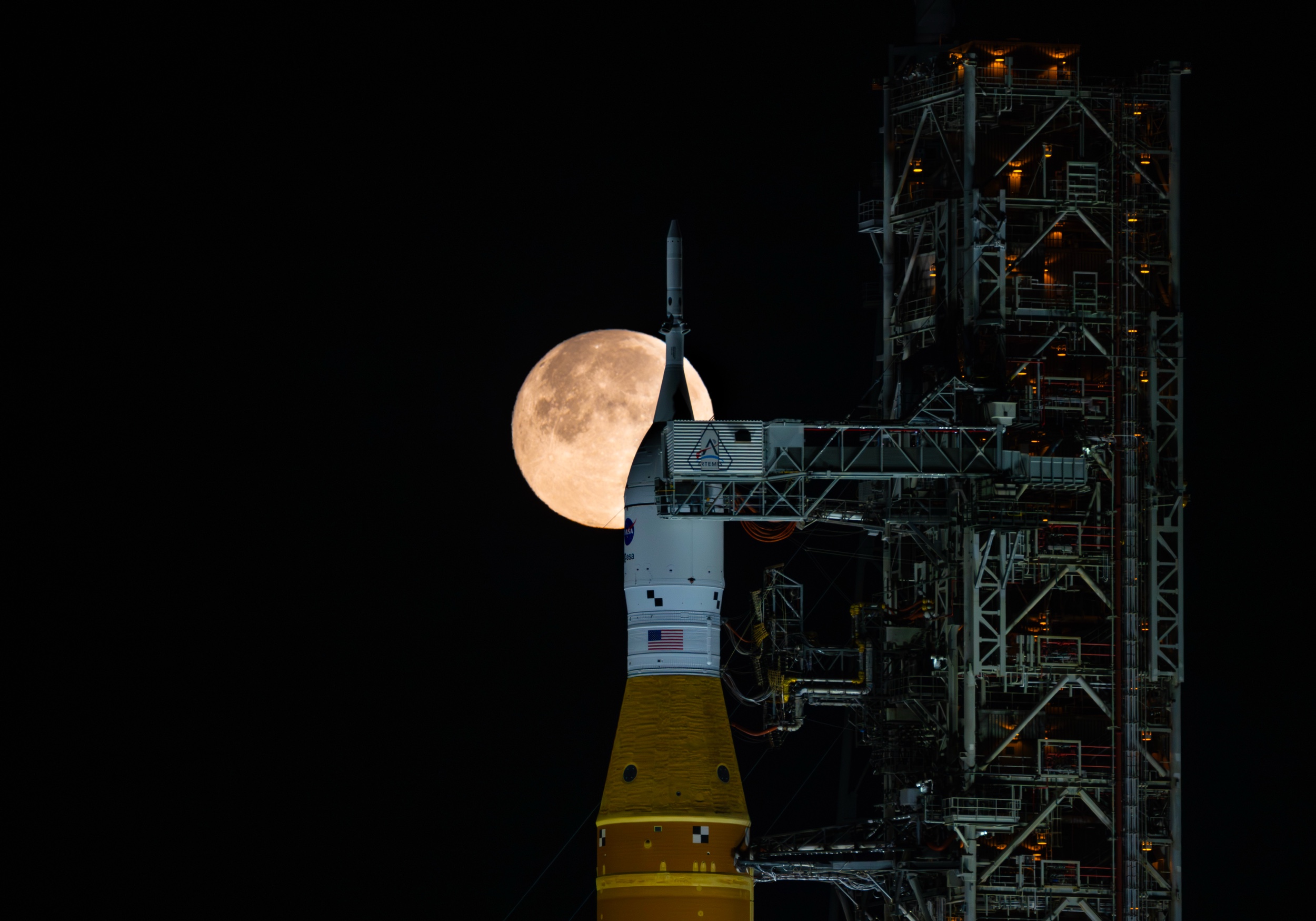

WASHINGTON — NASA is no longer planning a February launch of the Artemis 2 mission after encountering hydrogen leaks during a fueling test of the Space Launch System.
In a statement early Feb. 3, NASA said it completed a wet dress rehearsal for Artemis 2 but determined the vehicle will not be ready to launch during the February window, which closes Feb. 11.
“To allow teams to review data and conduct a second wet dress rehearsal, NASA now will target March as the earliest possible launch opportunity for the flight test,” the agency said.
“With more than three years between SLS launches, we fully anticipated encountering challenges,” NASA Administrator Jared Isaacman said in a social media post.
“That is precisely why we conduct a wet dress rehearsal. These tests are designed to surface issues before flight and set up launch day with the highest probability of success,” he said.
The wet dress rehearsal is a two-day countdown test that includes fueling the Space Launch System’s core and upper stages with liquid hydrogen and liquid oxygen and proceeding through a countdown that concludes at T-minus 29 seconds.
During propellant loading Feb. 2, NASA reported a hydrogen leak at the interface where liquid hydrogen flows into the core stage. Fueling was paused to study the issue and later resumed.
Crews fully fueled the rocket and completed closeout procedures at the pad. Delays in that work led NASA to opt for a single terminal countdown, starting at the T-minus 10-minute mark, rather than the two planned.
The countdown was halted at T-minus 5 minutes, 15 seconds when hydrogen leak rates increased at the same interface that experienced problems earlier in the day. NASA ended the rehearsal at that point and began draining propellants from the vehicle.
Several other issues occurred during the test. A valve in Orion’s hatch pressurization system was accidentally vented during closeout work, requiring additional time to repressurize the system. Unseasonably cold temperatures, which had already delayed the rehearsal by two days, caused further issues, including delays in tanking operations and problems with cameras and other pad equipment. NASA also reported intermittent audio dropouts in communications among ground teams.
Hydrogen leaks are not new for the program. Similar issues affected preparations for the Artemis 1 launch in 2022, leading to multiple wet dress rehearsals and scrubbing the first two launch attempts. NASA officials said last month they were confident those issues had been addressed.
The next launch period for Artemis 2 runs from March 6 to 11, with five two-hour windows available. Another launch opportunity extends from April 1 to 6.
With a February launch no longer possible, NASA said the four Artemis 2 astronauts — Reid Wiseman, Victor Glover, Christina Koch and Jeremy Hansen — will exit preflight quarantine. They entered quarantine Jan. 23, two weeks before the first February launch opportunity, to avoid getting sick before launch, and will reenter quarantine two weeks before the next launch attempt.
The delay also clears the way for NASA to proceed with the Crew-12 mission to the International Space Station as soon as Feb. 11. Agency officials said in a Jan. 30 briefing that if Artemis 2 had launched in February, Crew-12 would have been delayed until after Artemis 2 completed its approximately 10-day mission. A scrubbed Artemis 2 launch attempt would have postponed Crew-12 to no earlier than Feb. 13.










Stay Informed With the Latest & Most Important News
Previous Post
Next Post



Advertisement
-
 01Two Black Holes Observed Circling Each Other for the First Time
 -
 02From Polymerization-Enabled Folding and Assembly to Chemical Evolution: Key Processes for Emergence of Functional Polymers in the Origin of Life
 -
 03Astronomy 101: From the Sun and Moon to Wormholes and Warp Drive, Key Theories, Discoveries, and Facts about the Universe (The Adams 101 Series)
 -
 04True Anomaly hires former York Space executive as chief operating officer
 -
 05Φsat-2 begins science phase for AI Earth images
 -
 06Hurricane forecasters are losing 3 key satellites ahead of peak storm season − a meteorologist explains why it matters
 -
 07Binary star systems are complex astronomical objects − a new AI approach could pin down their properties quickly