
Now Reading: Astronomers discover a new type of planet that probably smells like rotten eggs
-
01
Astronomers discover a new type of planet that probably smells like rotten eggs


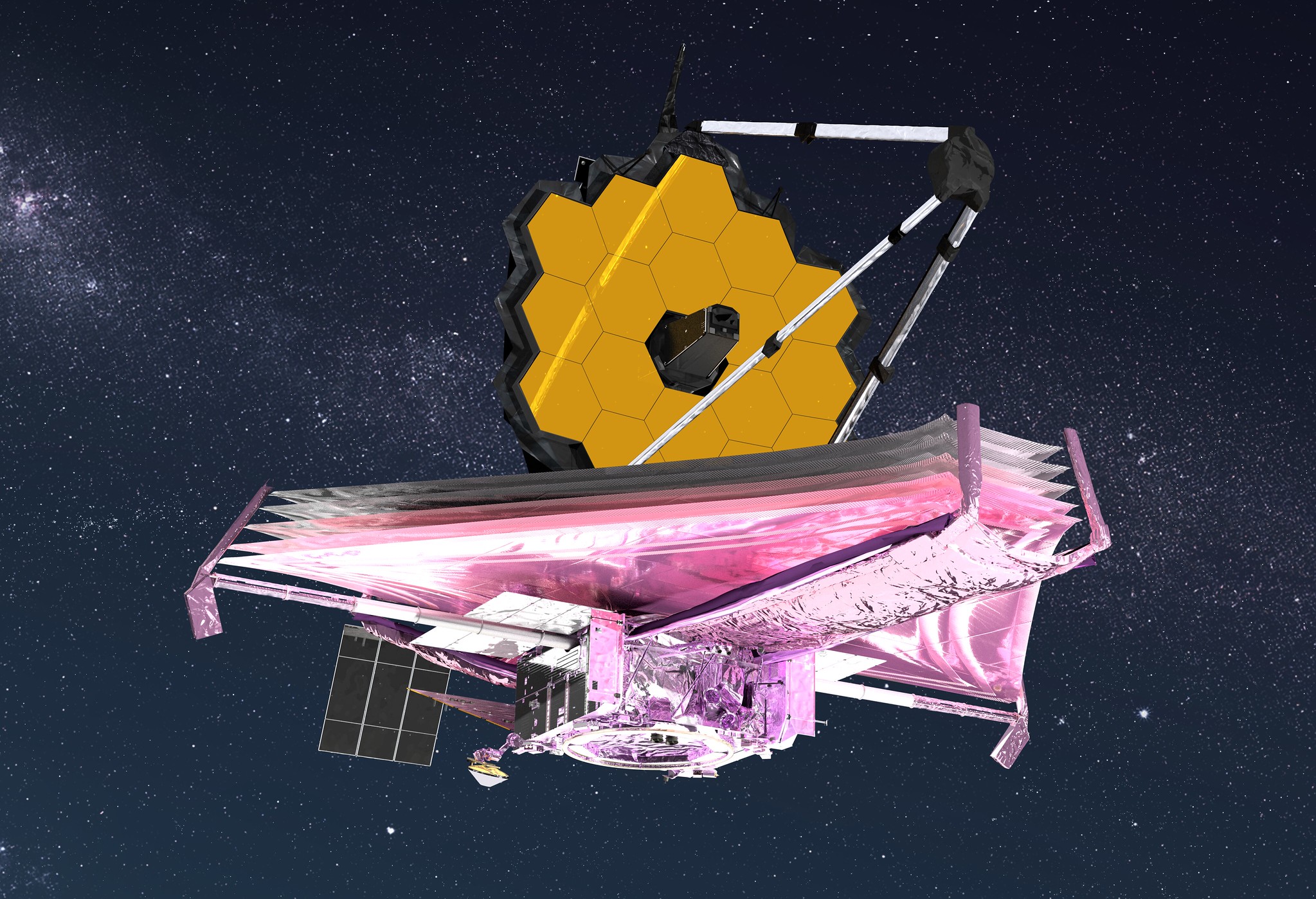
Astronomers have used the James Webb Space Telescope (JWST) to investigate a new type of planet. This molten lava world beyond the solar system likely smells like rotten eggs, and suggests that there is a much wider diversity of worlds beyond our solar system than previously recognized.
The extra-solar planet, or exoplanet, is designated L 98-59 d, and it orbits a small red star located about 35 light-years away. Data from the JWST and an array of Earth-based telescopes suggest that this exoplanet, which is around 1.6 times the size of the Earth, is extremely low-density. Its atmosphere is packed with hydrogen sulfide, a compound known for its distinct rotten egg stench.
Article continues below
“This discovery suggests that the categories astronomers currently use to describe small planets may be too simple. While this molten planet is unlikely to support life, it reflects the wide diversity of the worlds which exist beyond the solar system,” team leader Harrison Nicholls of the University of Oxford in the UK said in a statement. “We may then ask: what other types of planets are waiting to be uncovered?”
Oceans of magma
Nicholls and colleagues were able to use advanced computer simulations to retell the nearly 5 billion-year history of L 98-59 d. They then compared these models to actual telescope data to reconstruct what must be happening deep below the surface of this exoplanet.
They determined that L 98-59 d likely has a mantle of molten silicate, similar to the lava found on Earth, and an ocean of magma that spans the whole planet. This vast global magma ocean allows the exoplanet to lock away huge amounts of sulphur over vast periods of time. Sulfur-rich gases have then been released into the atmosphere of L 98-59 d over billions of years. This includes the sulfur dioxide and other sulfur-based molecules the JWST spotted in the planet’s upper atmosphere.
The magma reservoir may have also helped L 98-59 d hold on to its hydrogen and sulphur-rich atmosphere, preventing it from being lost to space as a result of bombardment of X-rays from its parent star.
Over billions of years, molecules have been exchanged between the planet’s atmosphere and its interior, shaping it into the first world in a new class of gas-rich sulphurous planets sustaining long-lived magma oceans.
The team’s simulations show that L 98-59 d was likely born with vast amounts of volatile material and may have once been a much larger sub-Neptune planet. The world likely shrank and cooled over billions of years, losing some, but not all, of its atmosphere.
“What’s exciting is that we can use computer models to uncover the hidden interior of a planet we will never visit,” team member Raymond Pierrehumbert of the University of Oxford said. “Although astronomers can only measure a planet’s size, mass, and atmospheric composition from afar, this research shows that it is possible to reconstruct the deep past of these alien worlds – and discover types of planets with no equivalent in our own solar system.”
The team’s results were published on Monday (March 16) in the journal Nature Astronomy.










Related Posts


Stay Informed With the Latest & Most Important News
Previous Post
Next Post


Advertisement
-
 01Two Black Holes Observed Circling Each Other for the First Time
 -
 02From Polymerization-Enabled Folding and Assembly to Chemical Evolution: Key Processes for Emergence of Functional Polymers in the Origin of Life
 -
 03Astronomy 101: From the Sun and Moon to Wormholes and Warp Drive, Key Theories, Discoveries, and Facts about the Universe (The Adams 101 Series)
 -
 04True Anomaly hires former York Space executive as chief operating officer
 -
 05Φsat-2 begins science phase for AI Earth images
 -
 06Hurricane forecasters are losing 3 key satellites ahead of peak storm season − a meteorologist explains why it matters
 -
 07Binary star systems are complex astronomical objects − a new AI approach could pin down their properties quickly