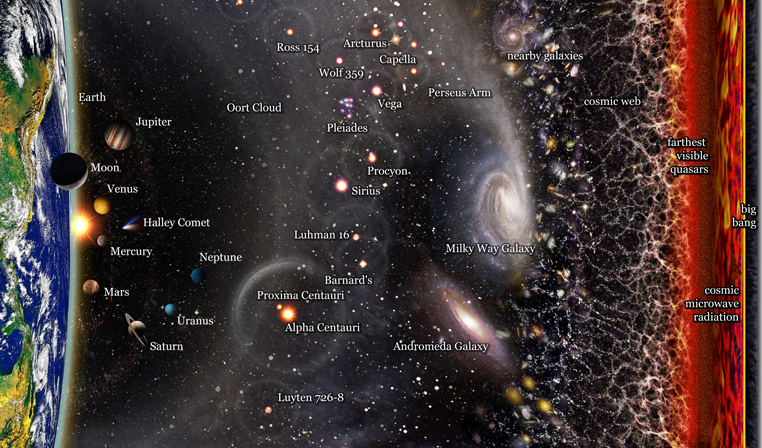
Let’s start out with something that we can say for certain: we live in an expanding universe.


Let’s start out with something that we can say for certain: we live in an expanding universe.
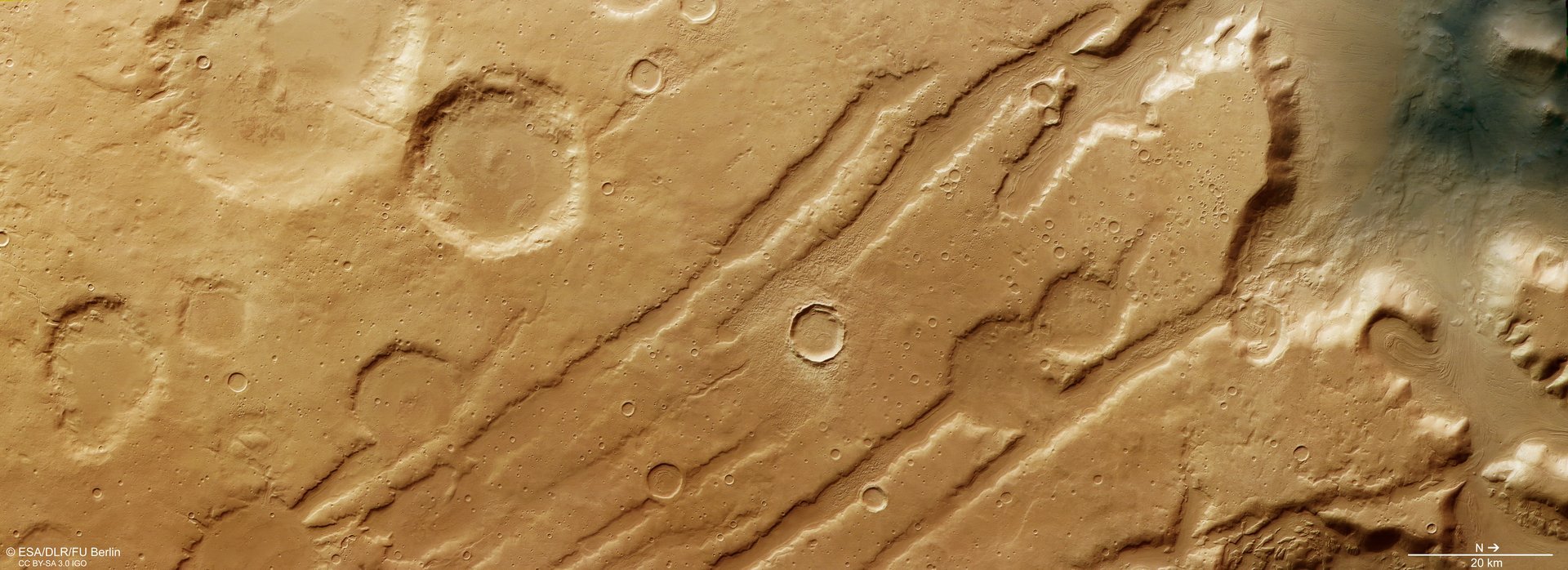
Travelling up from Mars’s equator towards its north pole, we find Coloe Fossae: a set of intriguing scratches within a region marked by deep valleys, speckled craters, and signs of
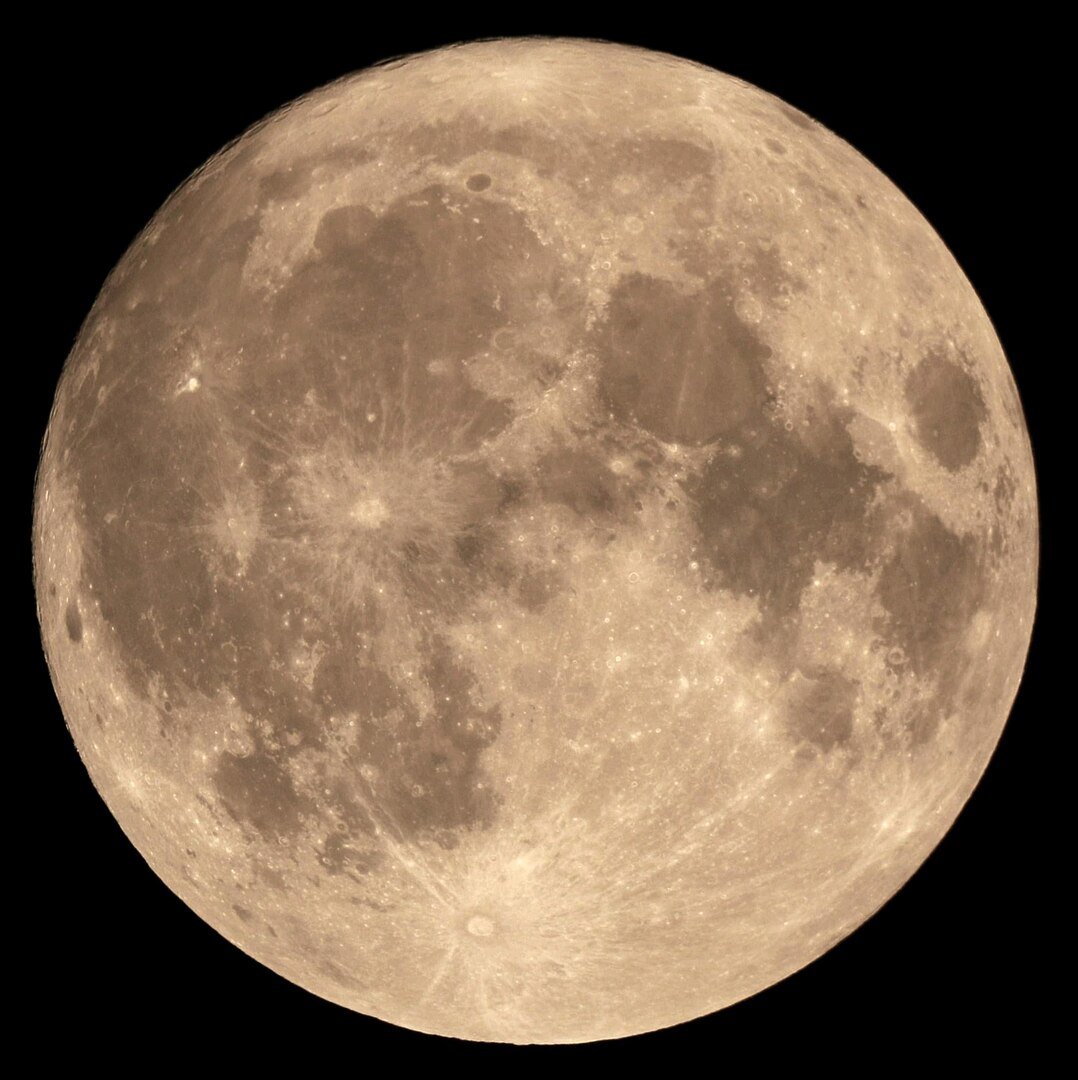
The Moon gains new craters all the time, but catching one forming is surprisingly rare. Between 2009 and 2012, something struck our celestial companion just north of Römer crater, creating
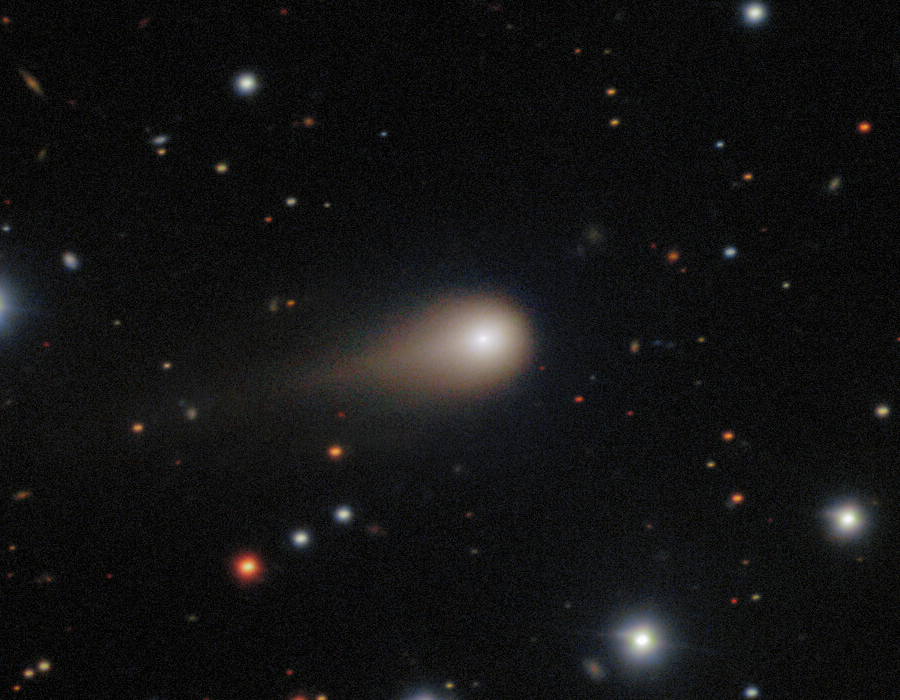
When an interstellar comet tears through our Solar System at 250,000 kilometres per hour, pinning down its exact trajectory becomes a race against time. ESA astronomers achieved something unprecedented in
The European Space Agency’s Euclid mission—designed to map the geometry of the dark universe with unprecedented precision—continues to deliver its first scientific insights. The Euclid Consortium has published a fresh
A team of researchers has confirmed stars ring loud and clear in a “key” that will harmonize well with the science goals and capabilities of NASA’s upcoming Nancy Grace Roman
About 4.5 billion years ago, the most momentous event in the history of Earth occurred: a huge celestial body called Theia collided with the young Earth. How the collision unfolded
A crew of tiny worms will be heading on a mission to the International Space Station in 2026 that will help scientists understand how humans can travel through space safely,
A geomagnetic superstorm is an extreme space weather event that occurs when the sun releases massive amounts of energy and charged particles toward Earth. These storms are rare, occurring about
NASA unveiled close-up pictures on Wednesday of the interstellar comet that’s making a quick one-and-done tour of the solar system.