
A Southwest Research Institute-led study found that protons and heavy ions react differently to solar magnetic reconnection events, revealing a more complex magnetic engine powering the solar wind. Magnetic reconnection


1972Articles
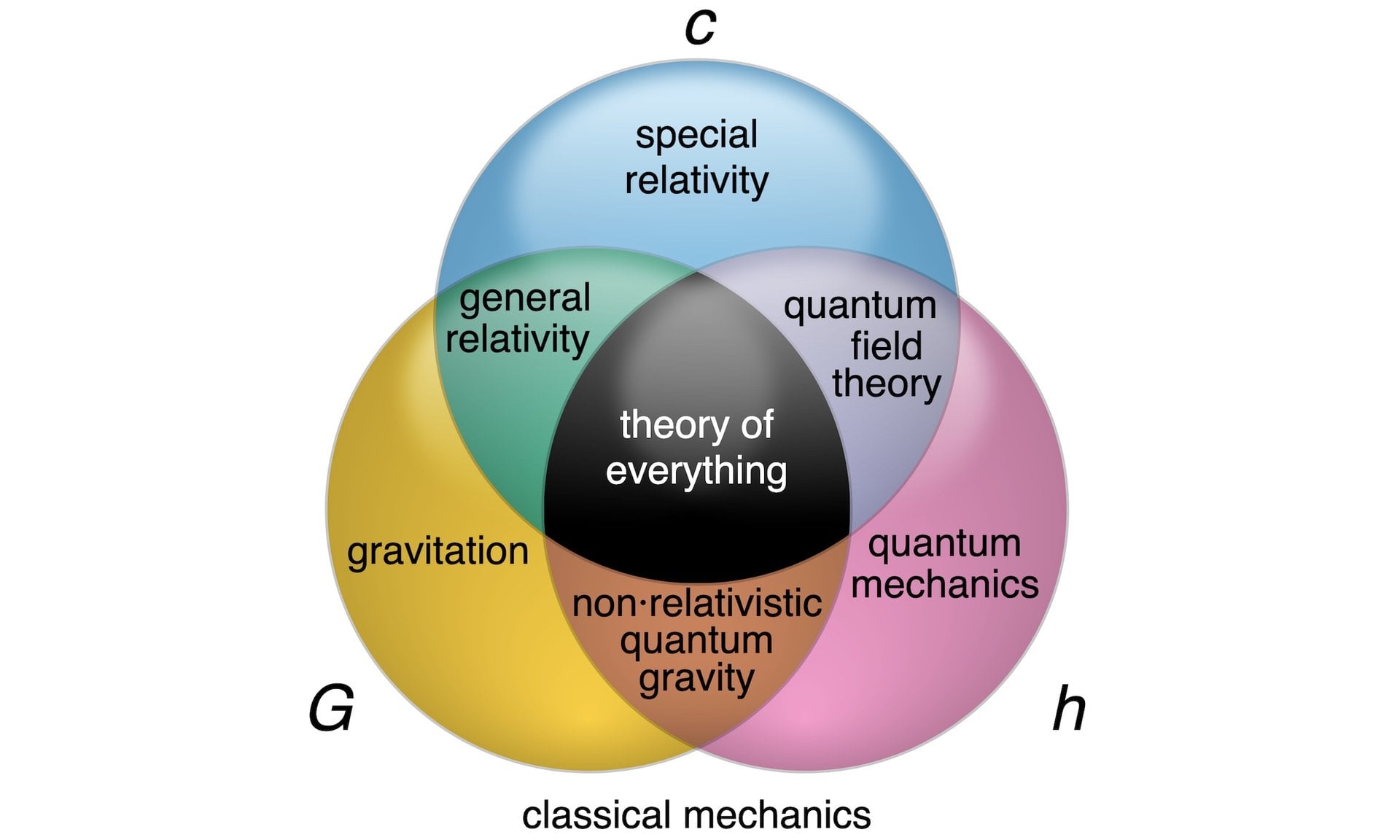
The Universe expanded rapidly soon after the Big Bang, and we aren’t sure why. But a theory of quadratic quantum gravity might be the answer.
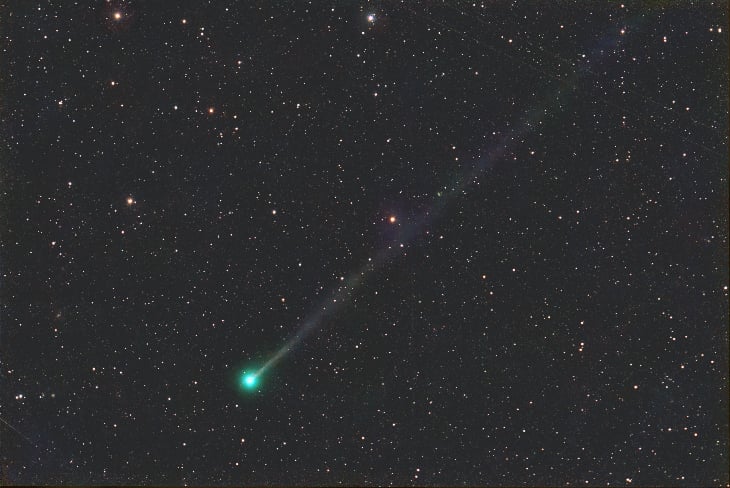
All eyes are on the inner solar system in April 2026, as two comets reach perihelion. One, Comet R3 Pan-STARRS we’ve known about since last year. Another, sungrazer A1 MAPS
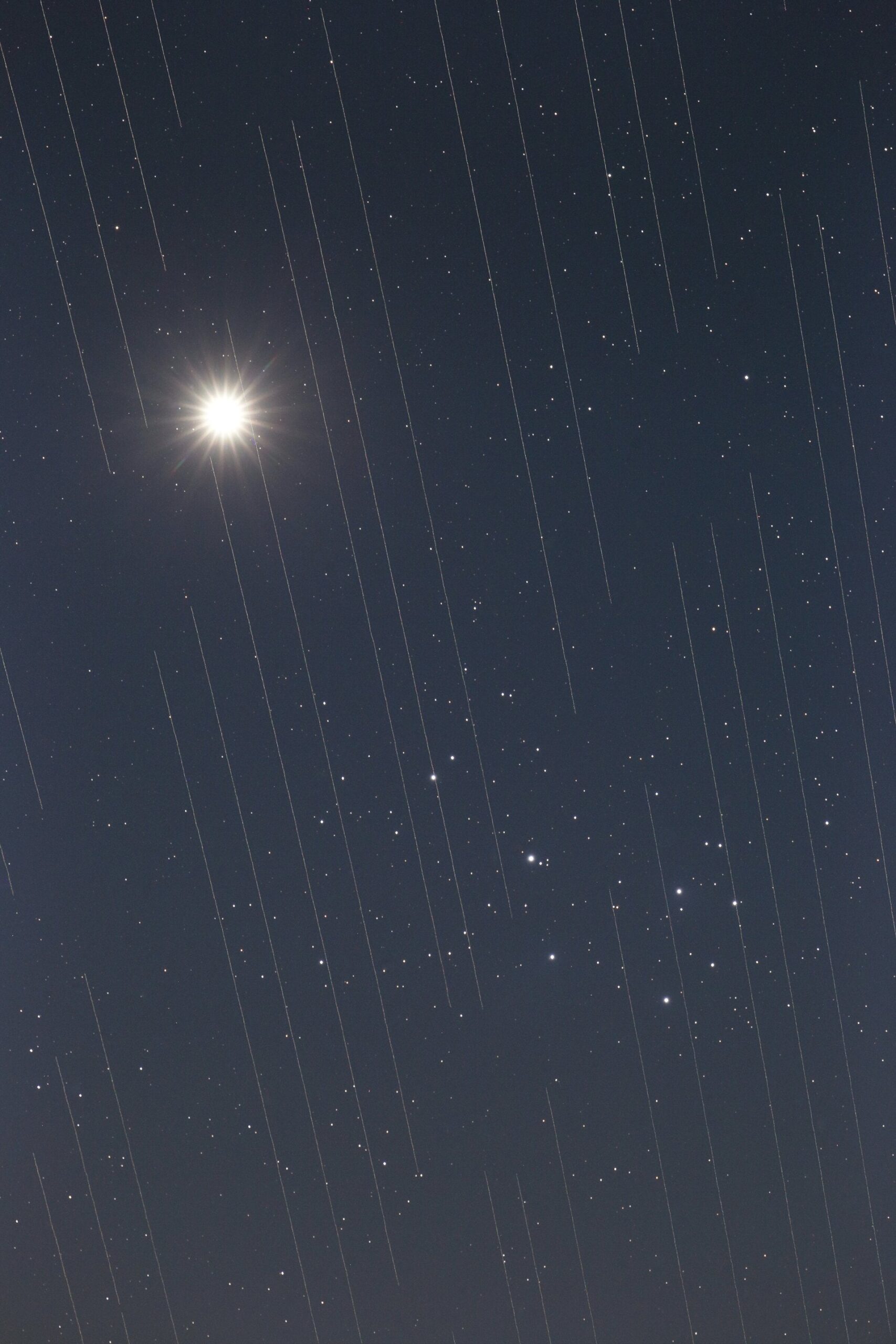
If you thought the current crop of satellite megaconstellations was bad, you’re going to be horribly disappointed by new proposals from both SpaceX and a company called Reflect Orbital. Their
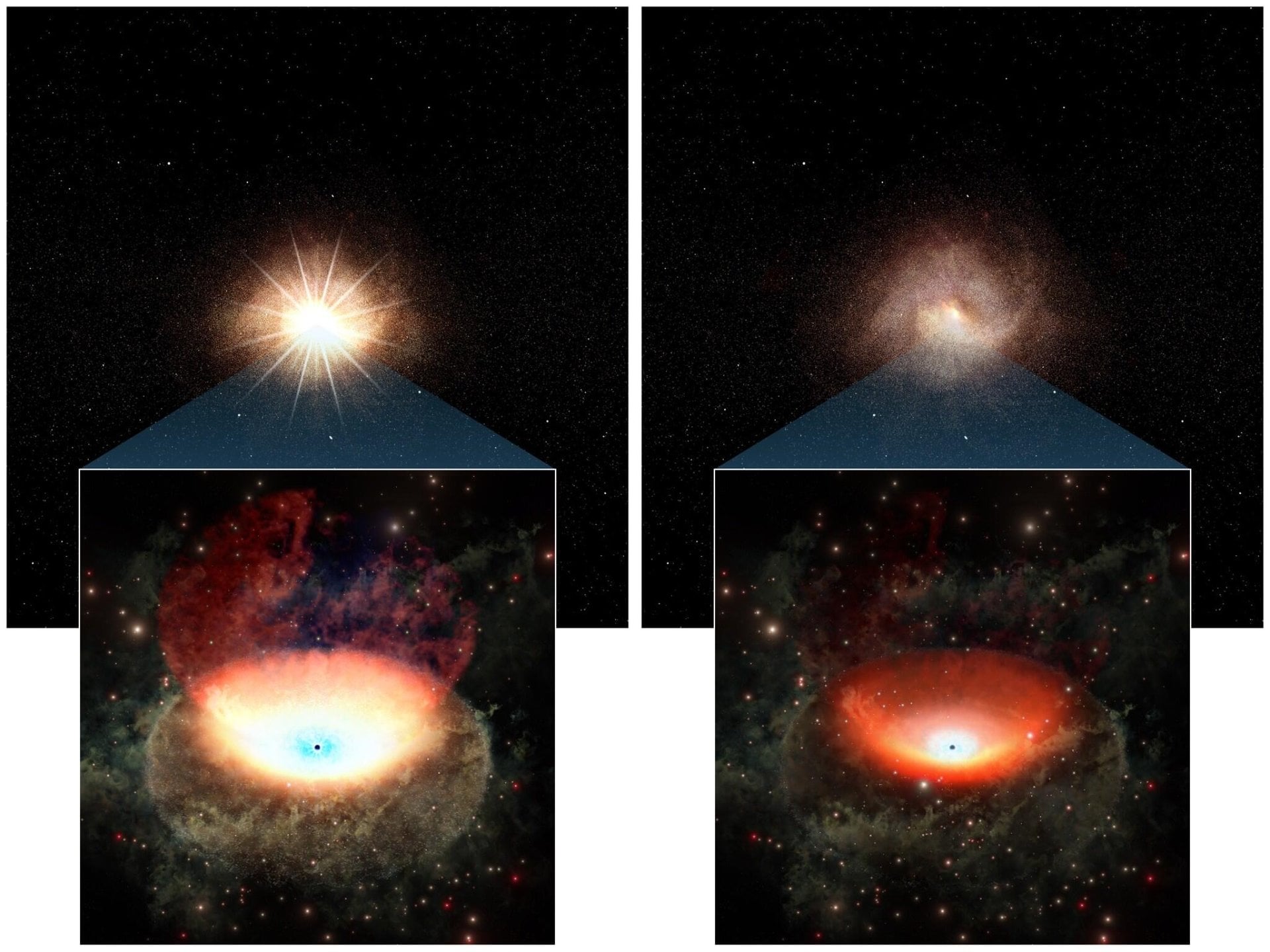
It’s not often that astronomers can observe huge changes in a galaxy’s brightness over the course of a few years. Most galaxies change in brightness (and other characteristics) over millions
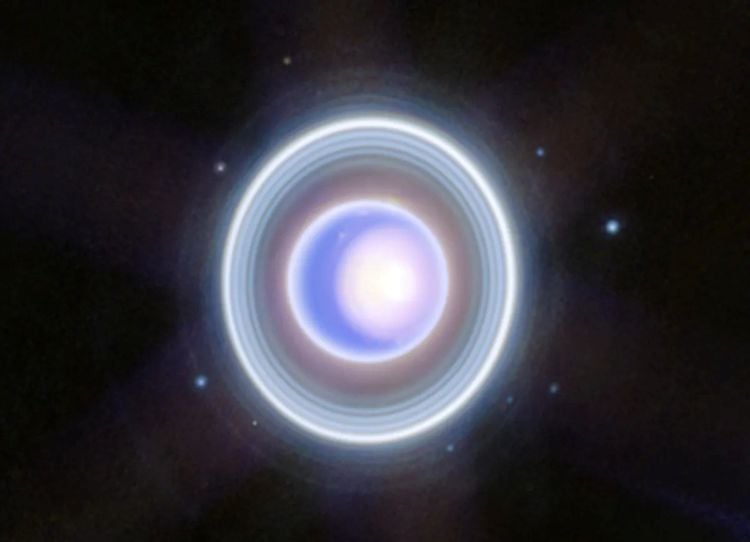
The ice giant Uranus is one of the most fascinating objects in the solar system, with its sideways rotation, intricate ring system, and unique family of moons. However, it is
The sun, our nearest star, never stops breathing. Every second of every day, it exhales a vast stream of charged particles that sweeps outward through the solar system at hundreds
The criteria for finding an Earth-like planet unofficially comes down to two things: water and the habitable zone. But a phenomenon known as atmospheric escape often “escapes” the minds of
The central premise of the blockbuster film “Project Hail Mary” is a long-shot mission with a familiar goal: Save humanity from extinction. While the details of the threat facing humanity
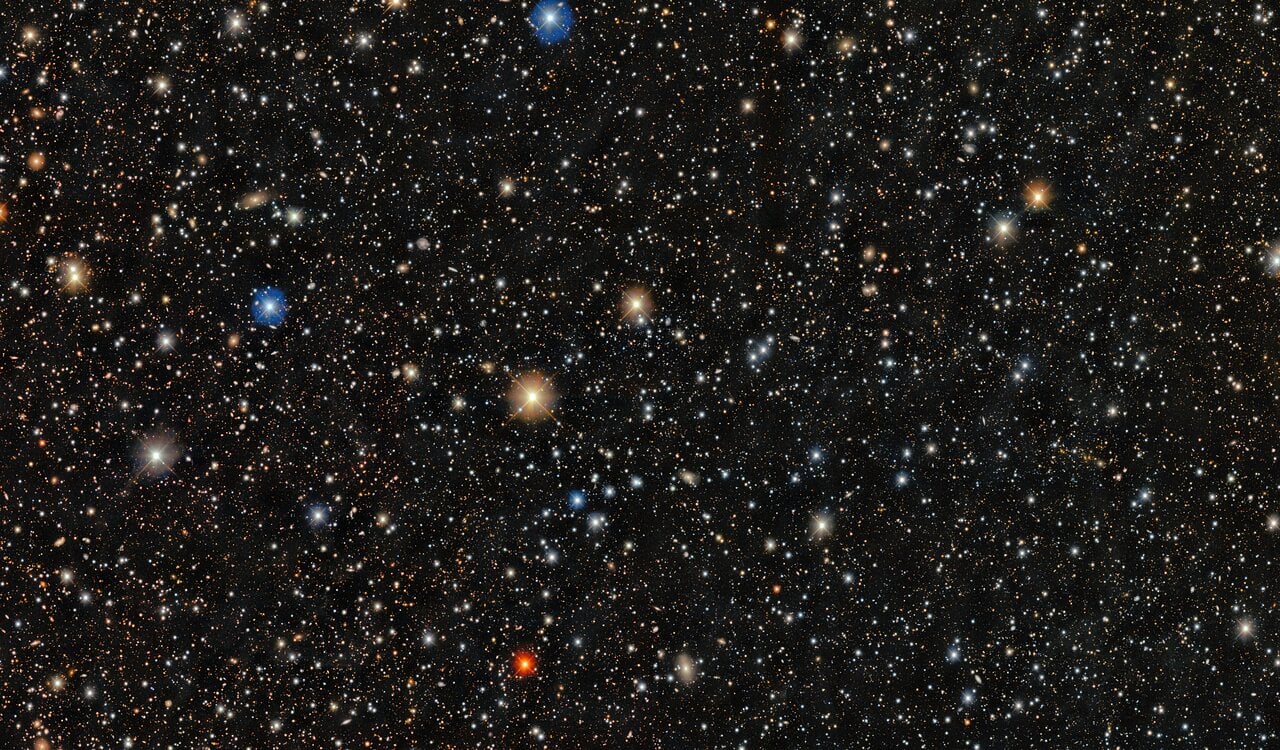
Astronomers studying the ultra-faint dwarf galaxy Pictor II have found an extremely chemically peculiar star that contains traces of elements created by the first stars in the Universe. It’s called

Advertisement
Popular Now
-
 01Two Black Holes Observed Circling Each Other for the First Time
 -
 02From Polymerization-Enabled Folding and Assembly to Chemical Evolution: Key Processes for Emergence of Functional Polymers in the Origin of Life
 -
 03Astronomy 101: From the Sun and Moon to Wormholes and Warp Drive, Key Theories, Discoveries, and Facts about the Universe (The Adams 101 Series)
 -
 04True Anomaly hires former York Space executive as chief operating officer
 -
 05Φsat-2 begins science phase for AI Earth images
 -
 06Hurricane forecasters are losing 3 key satellites ahead of peak storm season − a meteorologist explains why it matters
 -
 07Binary star systems are complex astronomical objects − a new AI approach could pin down their properties quickly
Scroll to Top