
Ganymede is not only Jupiter’s largest moon, but also the largest in our solar system and one of the few that hosts a massive ice ocean. Adding to this planet-like


1972Articles
Astronomers using the James Webb Space Telescope have made a surprising discovery about a galaxy long, long ago and far, far away: It isn’t rotating. That’s something only seen in
For the first time, scientists have measured the instantaneous mind-blowing power of jets blasting from a black hole.
NASA’s Psyche spacecraft will get a boost from Mars on Friday, May 15, passing just 2,800 miles (4,500 kilometers) from the planet’s surface at some 12,333 mph (19,848 kph). The
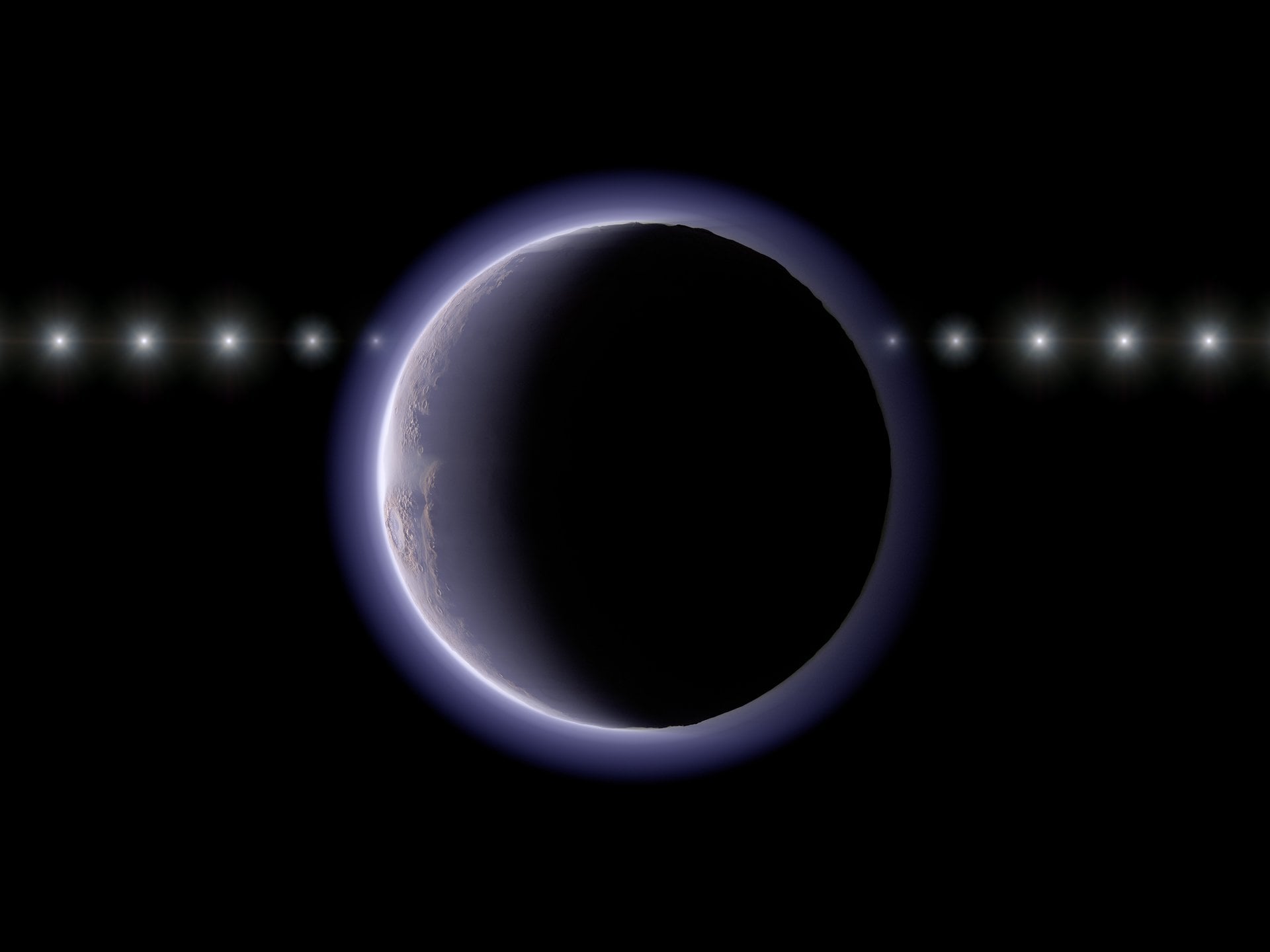
Astronomers are puzzling over another oddball on the edge of the solar system: This time, it’s an icy object less than a quarter of Pluto’s size with a thin atmosphere
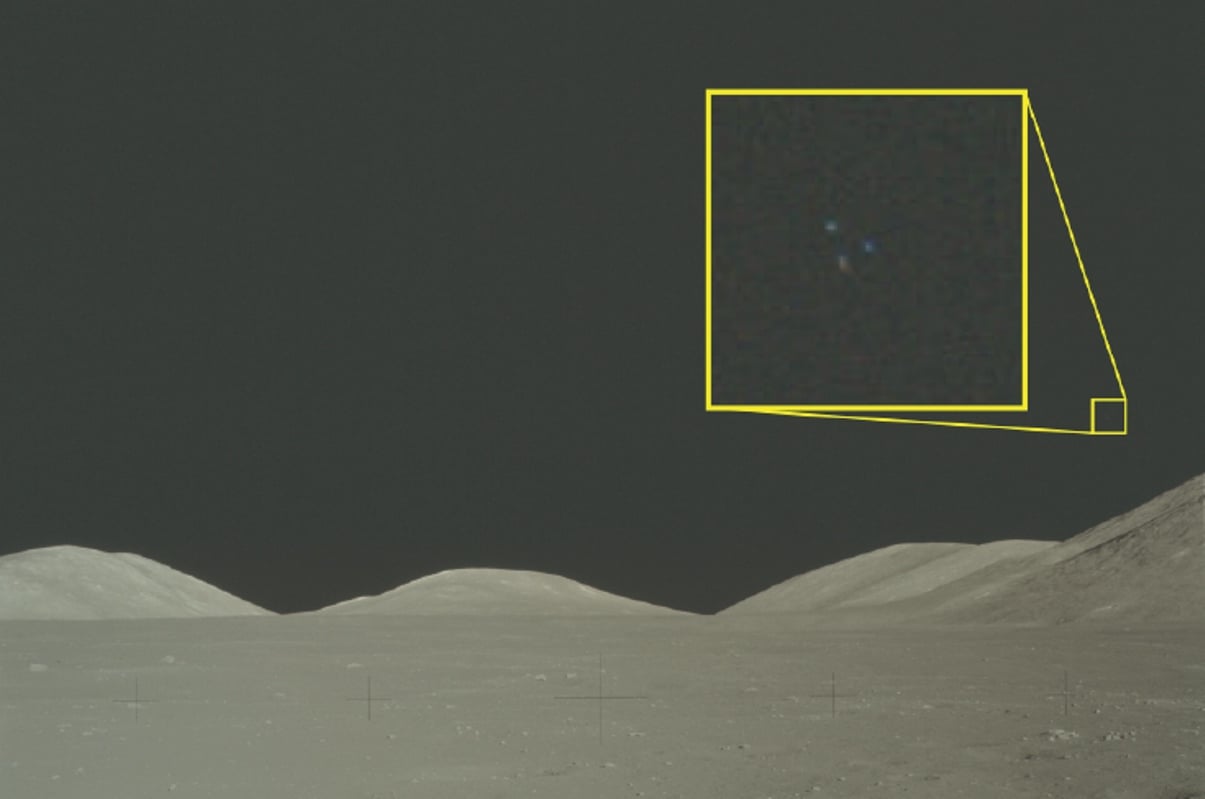
The Department of Defense has released a fresh batch of images and transcripts relating to reports of unidentified anomalous phenomena, formerly known as UFOs, including pictures and descriptions from NASA’s
The European Space Agency (ESA) and the Japan Aerospace Exploration Agency (JAXA) have signed a Memorandum of Cooperation to deepen collaboration in planetary defense, alongside a dedicated agreement for collaboration
A new study, published in Science Advances, has refined some important details about the moon’s largest and oldest impact crater, which stretches more than 1,200 miles (2,000 km) on the
Researchers at National Jewish Health have published new findings demonstrating that short-duration spaceflight may not significantly impact lower extremity joint structures, while also identifying a promising, noninvasive tool to monitor
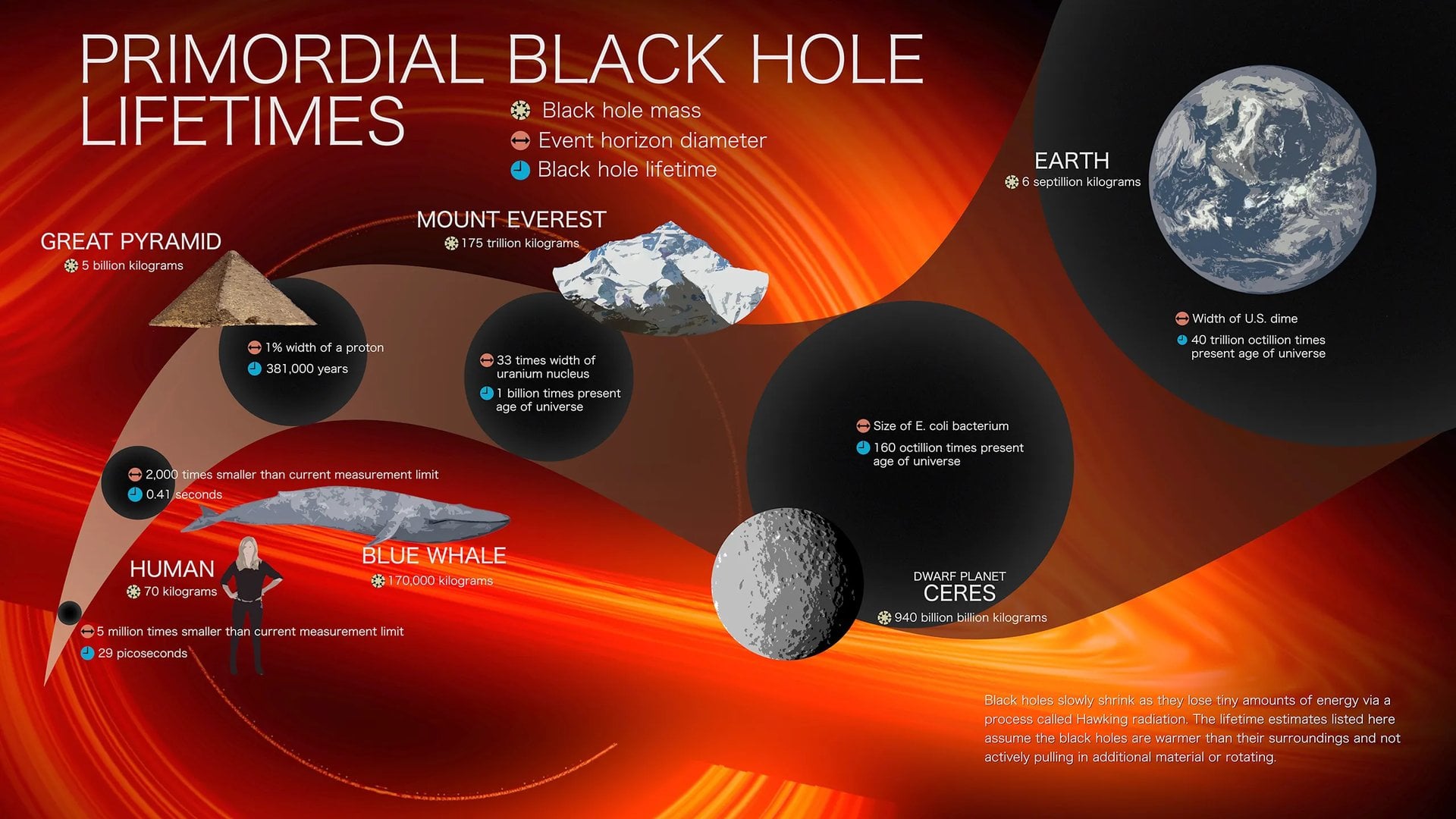
Black holes evaporate through Hawking radiation, meaning their days are numbered. But a new study finds they could enter a metastable stage where they look similar to white holes.
Advertisement
Popular Now
-
 01Two Black Holes Observed Circling Each Other for the First Time
 -
 02From Polymerization-Enabled Folding and Assembly to Chemical Evolution: Key Processes for Emergence of Functional Polymers in the Origin of Life
 -
 03Astronomy 101: From the Sun and Moon to Wormholes and Warp Drive, Key Theories, Discoveries, and Facts about the Universe (The Adams 101 Series)
 -
 04True Anomaly hires former York Space executive as chief operating officer
 -
 05Φsat-2 begins science phase for AI Earth images
 -
 06Hurricane forecasters are losing 3 key satellites ahead of peak storm season − a meteorologist explains why it matters
 -
 07Binary star systems are complex astronomical objects − a new AI approach could pin down their properties quickly
Scroll to Top