
For the last few decades, researchers have been studying what the universe looked like in its first seconds. It is generally accepted that the universe expanded exponentially in the first


1972Articles
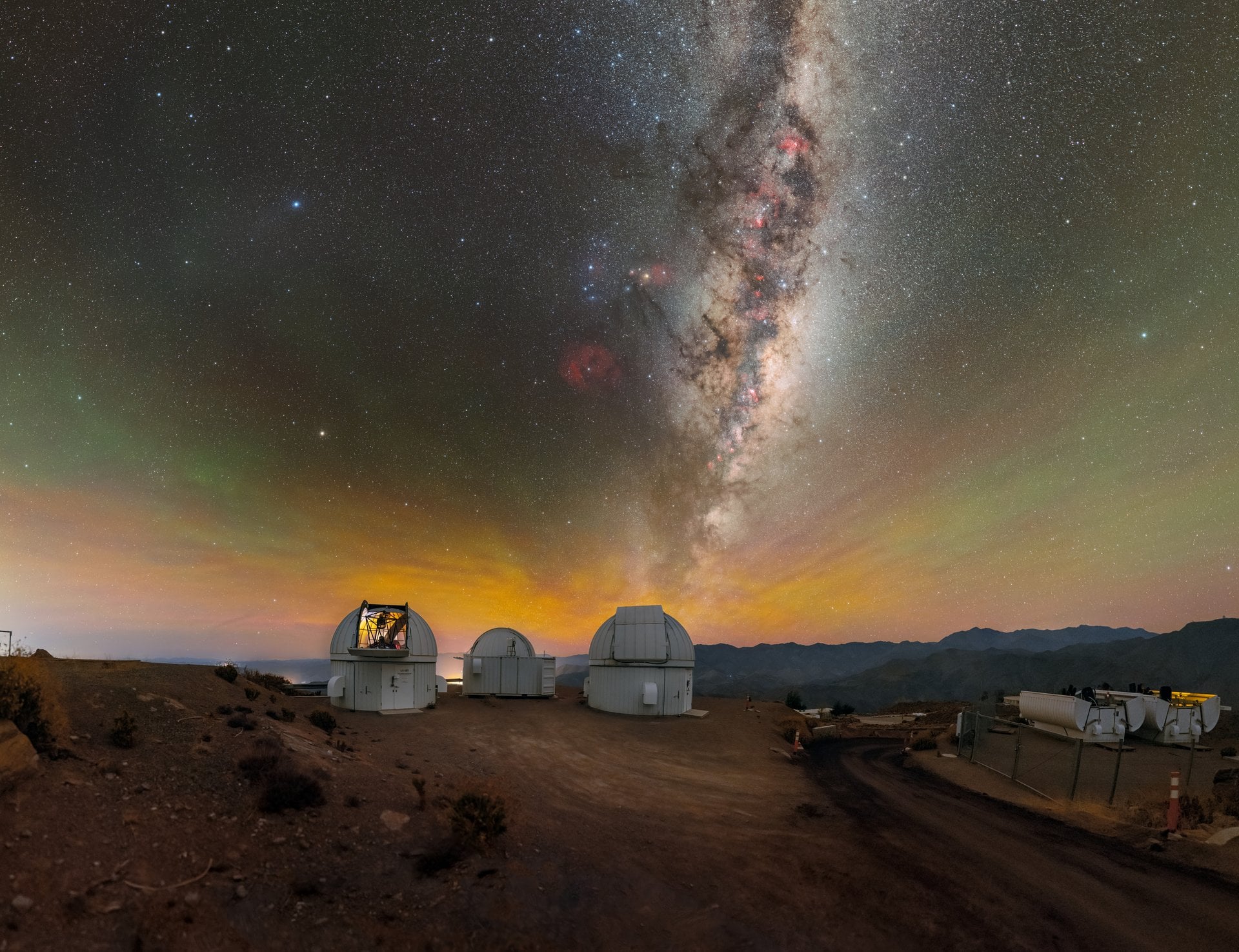
NSF NOIRLab has completed end-to-end runs of its ecosystem for following up on alerts from NSF–DOE Vera C. Rubin Observatory. The runs demonstrated how multiple NOIRLab-developed software tools, plus a
Stellar streams are trails of stars that astronomers can study to solve mysteries about the history of our Milky Way galaxy and, potentially, the dark matter that helps shape the
New UNLV-led research is helping to unravel clues to a cosmic mystery that has eluded scientists for decades. Cataclysmic variables (CVs) are binary star systems in which primary stars—incredibly dense
A new study reveals all five fundamental nucleobases—the molecular “letters” of life—have been detected in samples from the asteroid Ryugu.
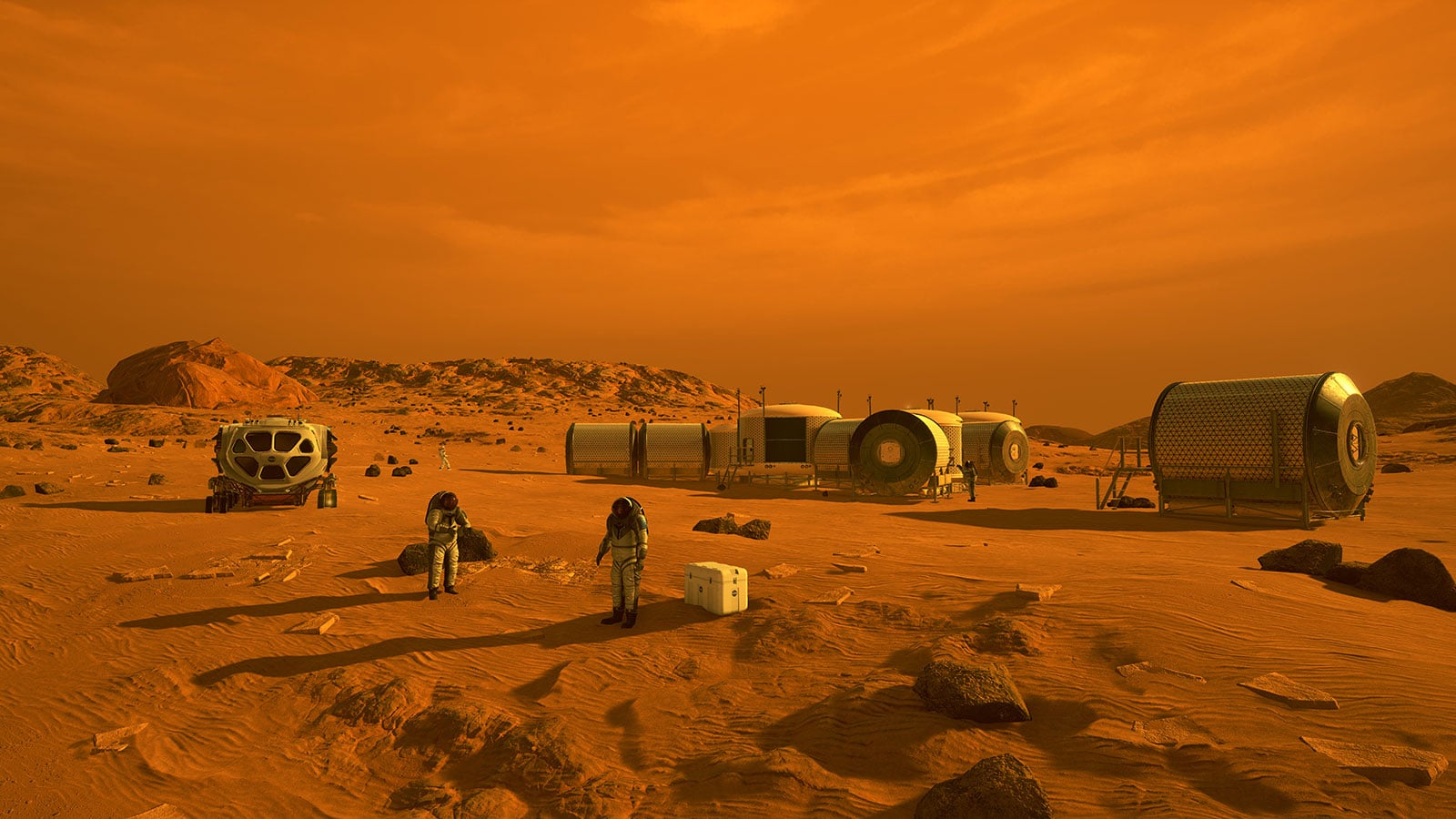
Marie Mortreux, an assistant professor in the University of Rhode Island’s College of Health Sciences, is part of an international team of researchers studying how the Mars’s gravity would affect
Sixty years after Neil Armstrong barely survived an emergency in orbit around Earth on Gemini 8, never-before-seen photos of his heroic return have been donated to the Ohio museum that
Using the James Webb Space Telescope (JWST), an international team of astronomers has observed a nearby spiral galaxy known as NGC 628. Results of the observational campaign, published March 10
Provided they host thick, hydrogen-dominated atmospheres, moons orbiting free-floating exoplanets could retain much of the heat generated deep within their interiors by tidal forces. Led by David Dahlbüdding at the
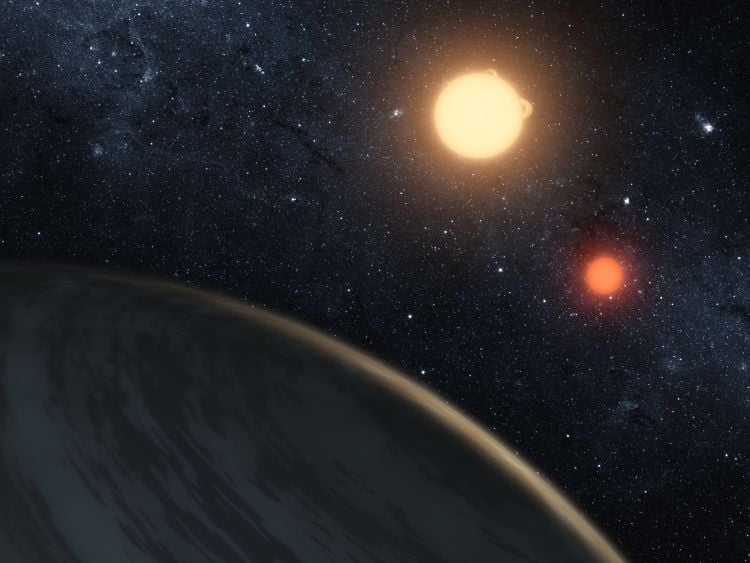
You just established a settlement on an Earth-like planetary body far from our solar system. You did your evening chores after eating dinner, and you want to go out for

Advertisement
Popular Now
-
 01Two Black Holes Observed Circling Each Other for the First Time
 -
 02From Polymerization-Enabled Folding and Assembly to Chemical Evolution: Key Processes for Emergence of Functional Polymers in the Origin of Life
 -
 03Astronomy 101: From the Sun and Moon to Wormholes and Warp Drive, Key Theories, Discoveries, and Facts about the Universe (The Adams 101 Series)
 -
 04True Anomaly hires former York Space executive as chief operating officer
 -
 05Φsat-2 begins science phase for AI Earth images
 -
 06Hurricane forecasters are losing 3 key satellites ahead of peak storm season − a meteorologist explains why it matters
 -
 07Binary star systems are complex astronomical objects − a new AI approach could pin down their properties quickly
Scroll to Top