Panspermia is the idea that life was spread from world to world somehow. New research shows that one type of Earthly extremophile can survive the extremely high pressure from asteroid


Panspermia is the idea that life was spread from world to world somehow. New research shows that one type of Earthly extremophile can survive the extremely high pressure from asteroid
This image, taken with ESO’s Very Large Telescope (VLT), seems to have captured a cosmic hawk as it spans its wings. While the dark clouds in the middle of the
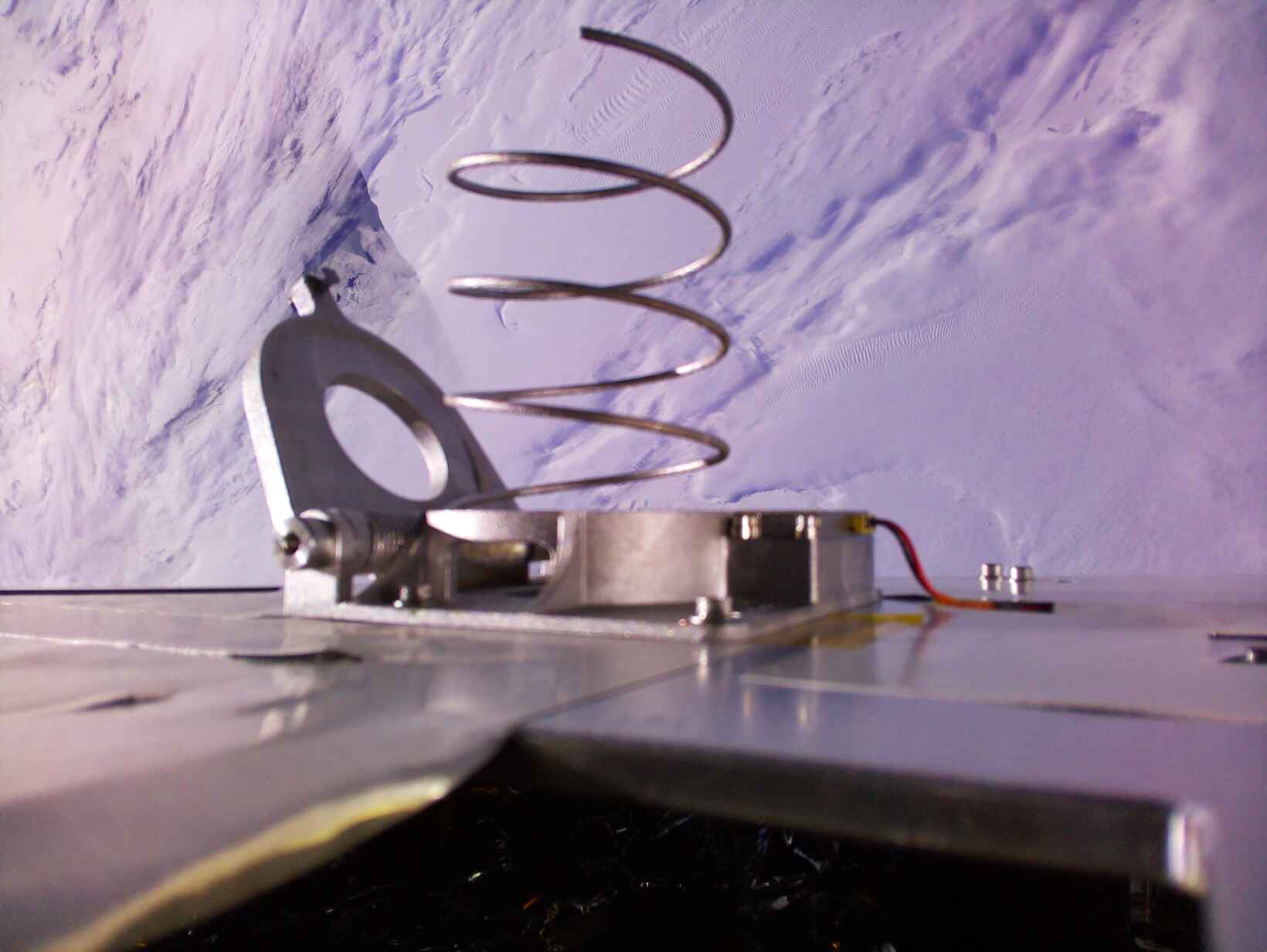
With a simple motion, a jack-in-the-box-like spring designed at NASA’s Jet Propulsion Laboratory showed the potential of additive manufacturing, also known as 3D printing, to cut costs and complexity for
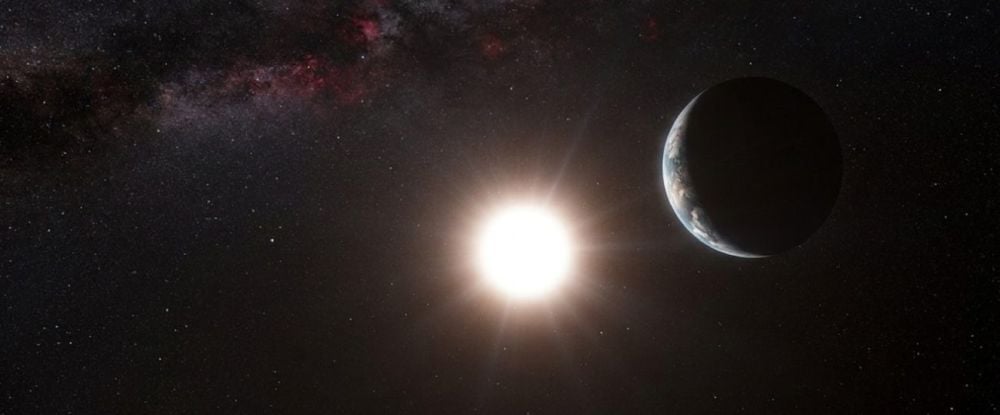
Planetary systems such as our solar system take hundreds of millions of years to evolve. But we see most exoplanet systems either very early in their development, or long after
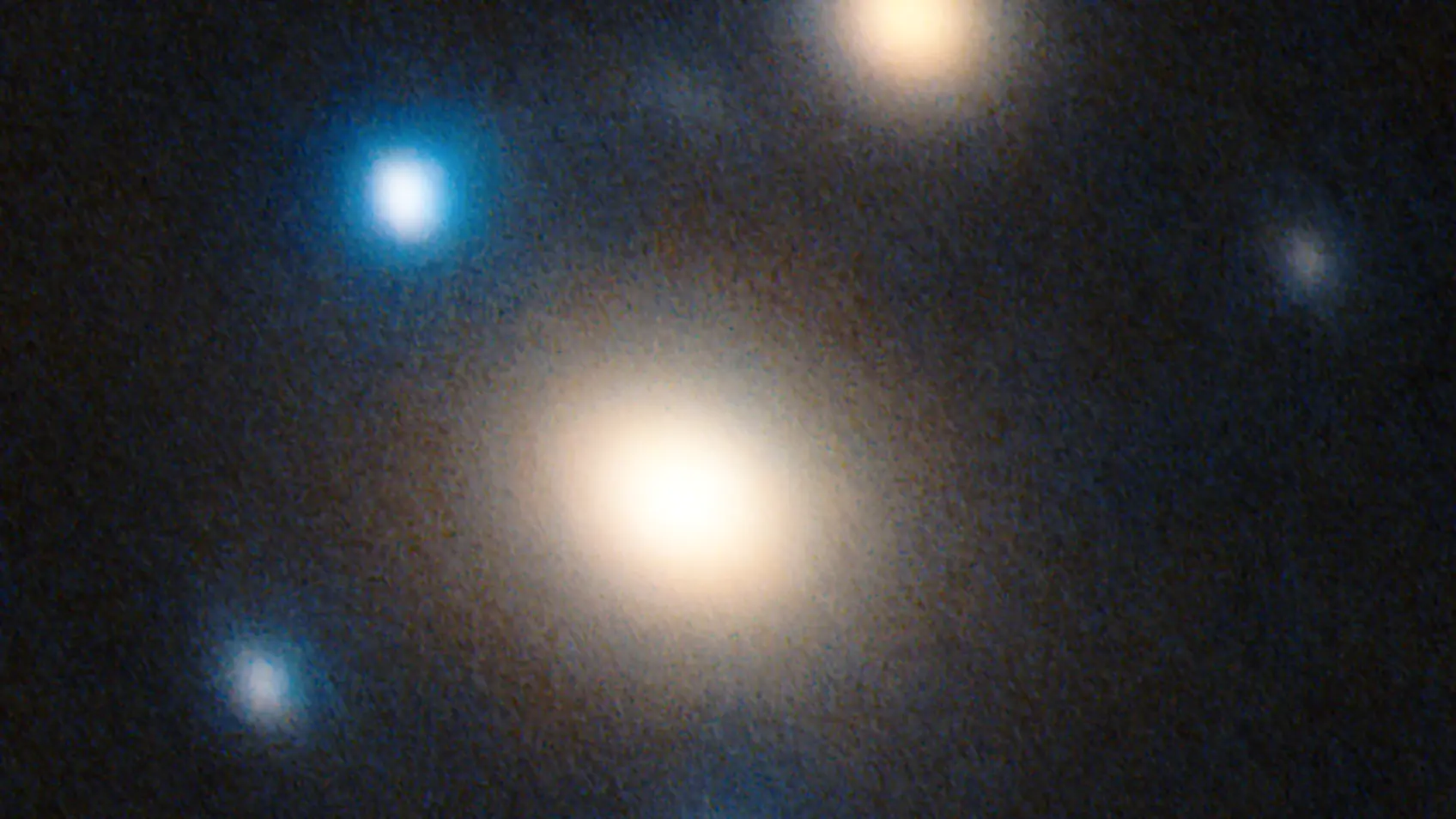
Researchers in Munich have used the Large Binocular Telescope in Arizona to capture five images of one and the same supernova in a single picture. The gravity of two foreground
For the past two decades, scientists have wondered about a bright, distinct striped pattern seen in radio waves emanating from the Crab Pulsar, the remnant of a supernova observed by
Estimating a mass for a potentially hazardous asteroid (PHA) is perhaps the single most important thing to understand about it, after its trajectory. Actually doing so isn’t easy though, as
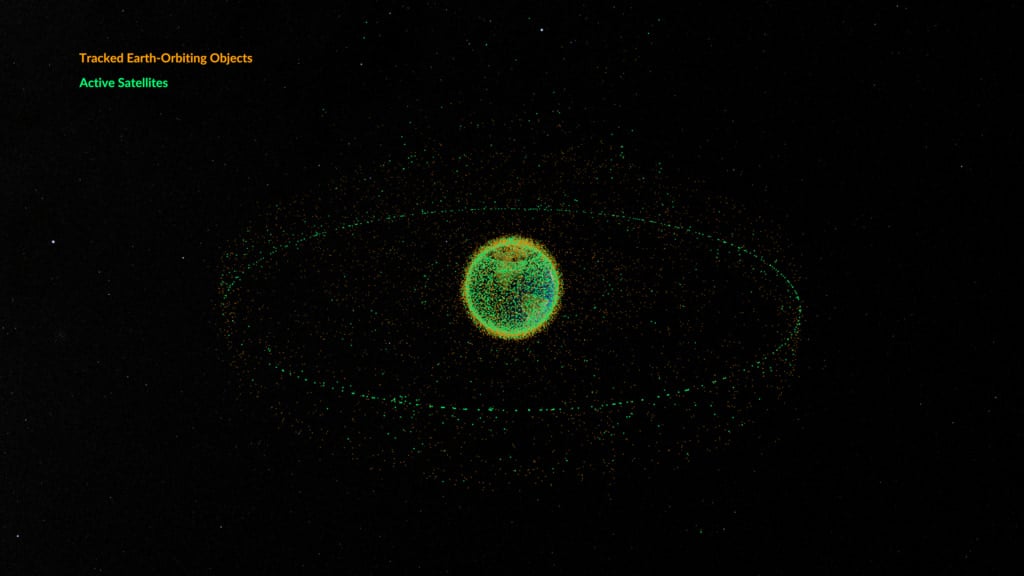
Satellite imaging is increasingly important to every field from crop monitoring to poverty reduction. So it’s no surprise that there have been more and more satellites launched to try to
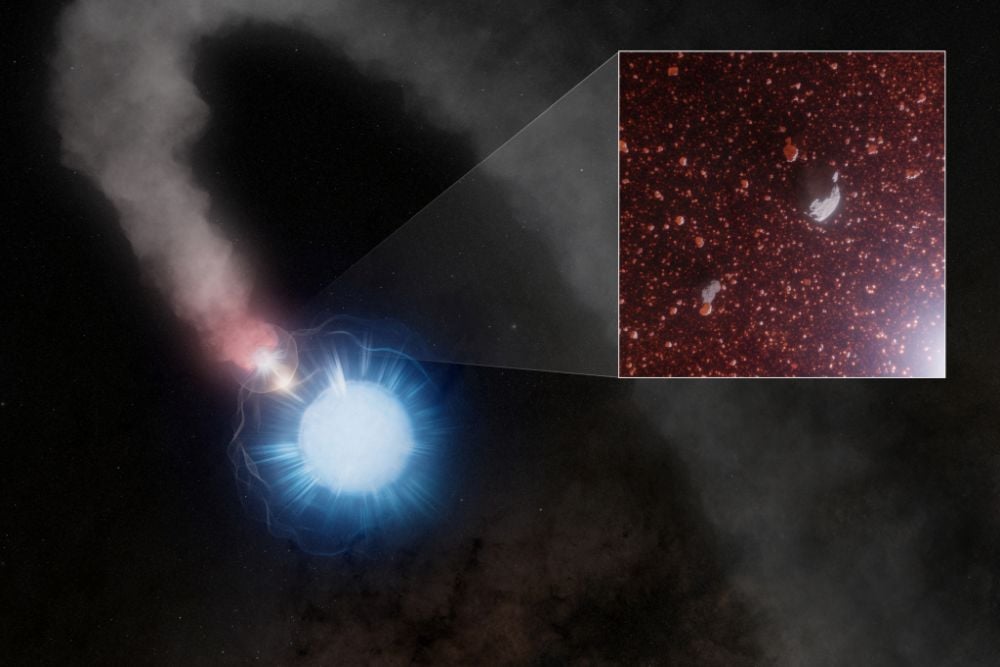
Star dust is at the root of everything that exists, and is produced in large quantities around Wolf-Rayet binaries. But there are some puzzling observations of dust grain sizes that
“Sunlight” beams off a partly cloudy Atlantic Ocean just after sunrise as the International Space Station orbited 263 miles above on March 5, 2025. This is an example of sunglint,