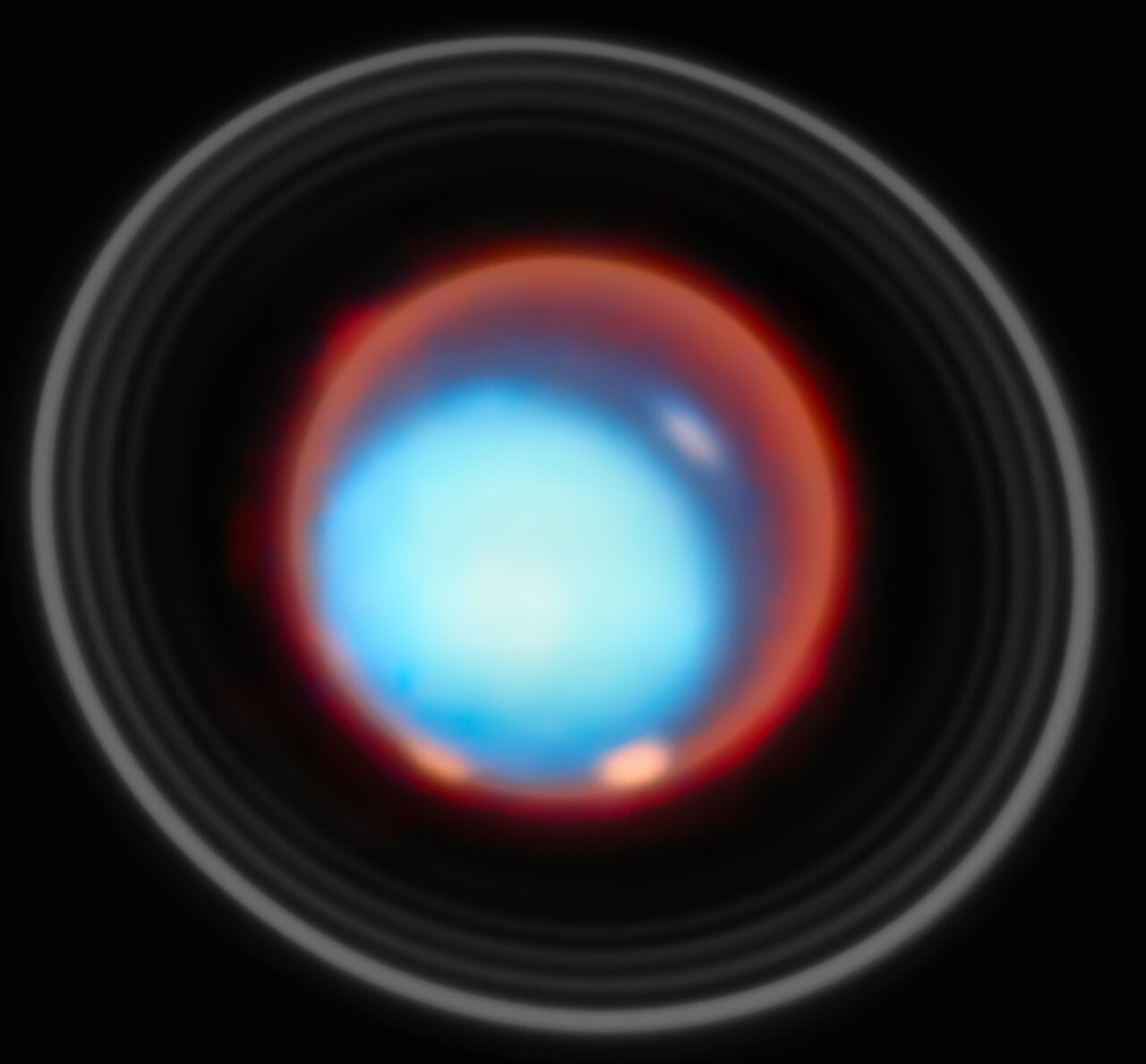
Uranus is a planet that seems to roll around on its side as it orbits the Sun. That’s because it’s tipped over, with an axial tilt of 97.8 degrees. That


Uranus is a planet that seems to roll around on its side as it orbits the Sun. That’s because it’s tipped over, with an axial tilt of 97.8 degrees. That
Tardigrades, commonly known as water bears, may be better suited by a new name: Tardiguardians of the Galaxy. Unlike the fictional ragtag team of unenthusiastic heroes, the microscopic animals are
This striking image from the science camera on ESA’s Jupiter Icy Moons Explorer (Juice) shows interstellar comet 3I/ATLAS spewing dust and gas. The tiny nucleus of the comet (not visible)
With a simple motion, a jack-in-the-box-like spring designed at NASA’s Jet Propulsion Laboratory showed the potential of additive manufacturing, also known as 3D printing, to cut costs and complexity for
Some of the universe’s most extreme explosions leave behind almost no trace. The original explosion is unseen, but our observations can capture the long-lived echo it leaves behind as the
Thanks to Fink, a software package created by two CNRS engineers, it is now possible to track millions of transient celestial phenomena observed in the sky by the Vera C.
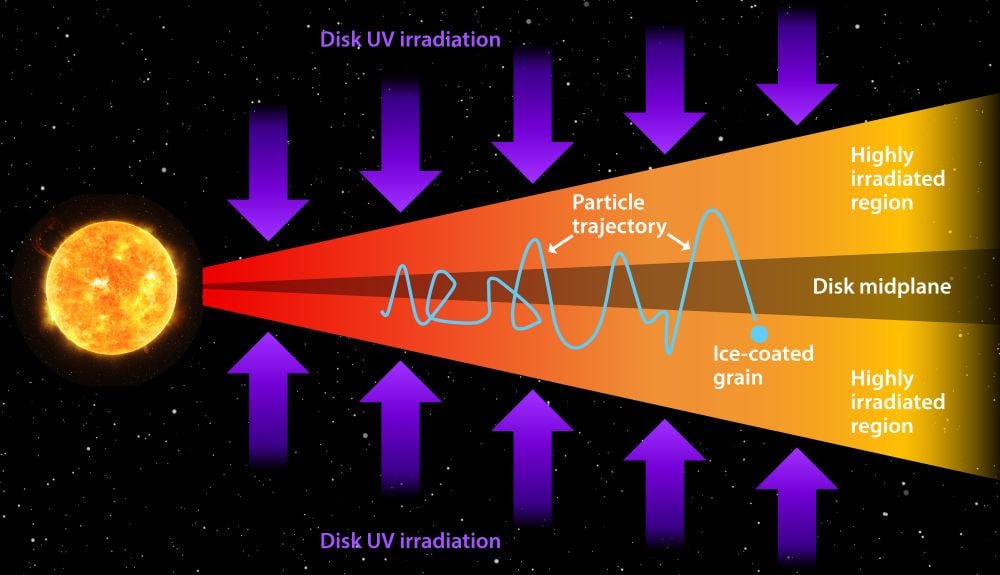
Complex Organic Molecules (COMs) are important building blocks for life. They can form in space and be delivered to planets. But new research shows some of them can form in
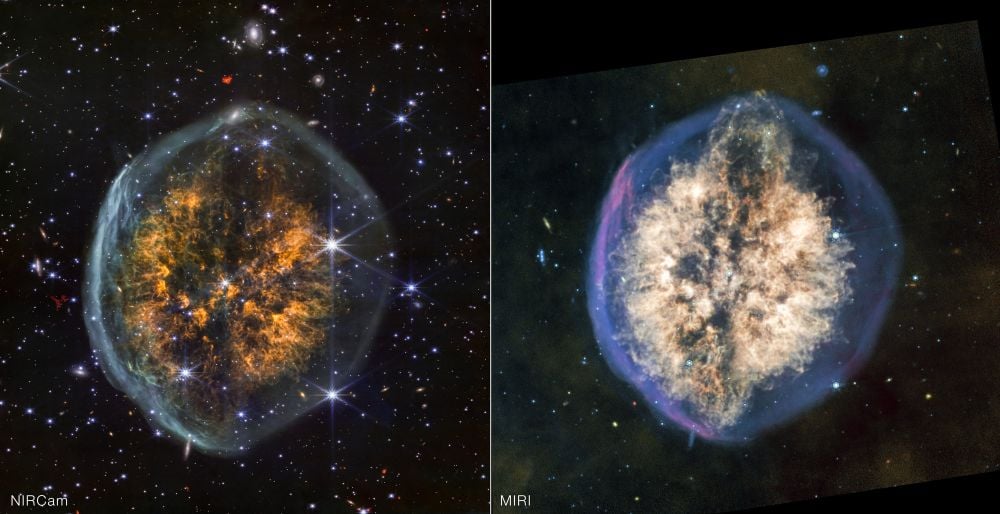
A dying star has ejected its outer layer and illuminated it with its powerful radiation. The resulting nebula looks every bit like a transparent human skull. Astronomers are calling the
NGC 941 is located approximately 55 million light-years away in the constellation Cetus. This faint galaxy is classified as an intermediate spiral, exhibiting characteristics between a barred spiral with a
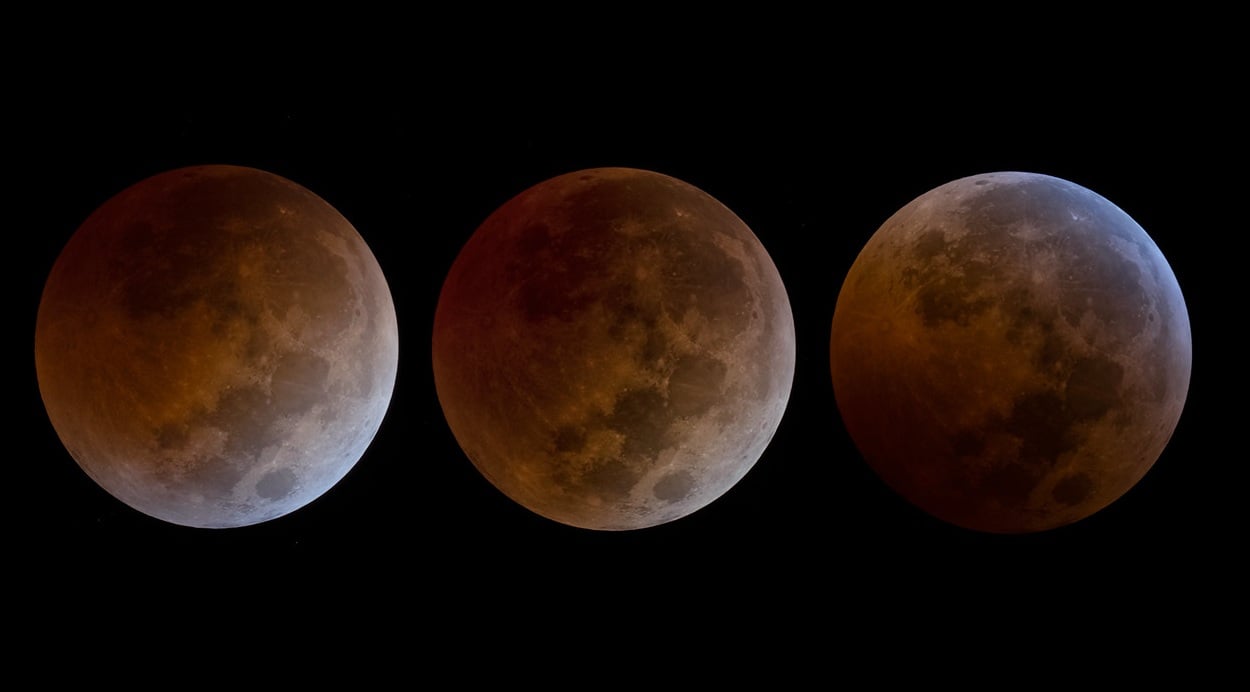
If skies are clear, don’t miss one of the top astronomical events of the year this coming Tuesday, March 3rd, as the Moon passes through the Earth’s shadow in a