
A new publication from Bielefeld University sets a benchmark in optimization research. Together with an international team, Professor Michael Römer from the Faculty of Business Administration and Economics has developed


1972Articles
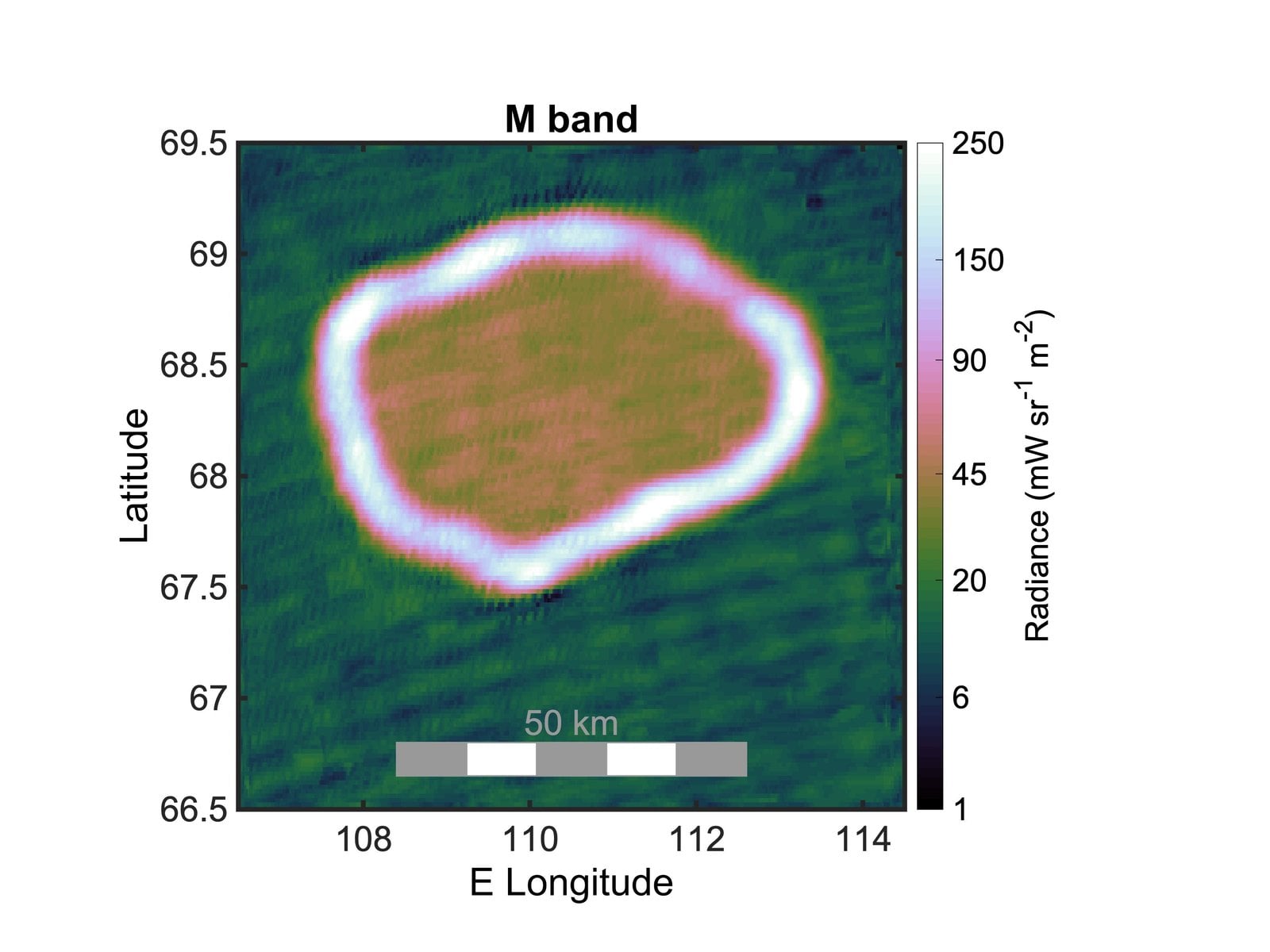
Io is a world of extremes. It is by far the most volcanically active world in our solar system. Being continually squeezed in the never-ending tug-of-war between Jupiter and its
The Paranal solar ESPRESSO Telescope (PoET), installed at the European Southern Observatory’s (ESO’s) Paranal site in Chile, has made its first observations. The telescope will work with ESO’s ESPRESSO instrument
The Eta Aquarid meteor shower soon will light the sky with debris from Halley’s comet. But a bright moon will spoil the fun this year, making the display harder to
Solar radio bursts are intrinsically linked to the motion of their emitting source through the coronal and heliospheric plasma. Electron transport is mostly confined to magnetic field lines. These electrons
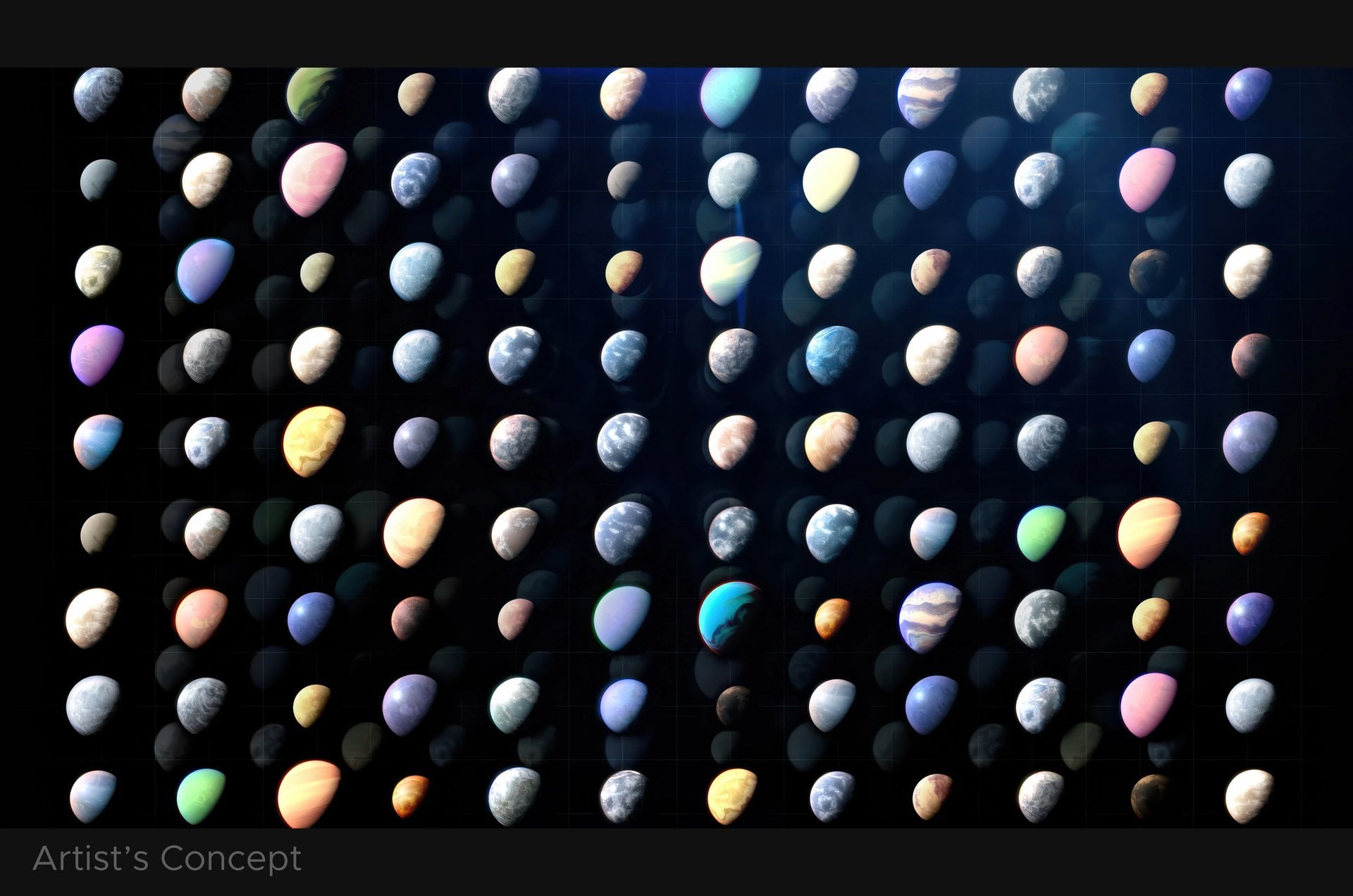
Exoplanet science and the search for life beyond Earth continue to advance at break-neck speeds, with the number of confirmed exoplanets by NASA rapidly approaching 6,300, with 223 of those
Millions of people watched the historic launch of Artemis II and were captivated by the mission’s 10-day journey around the moon as NASA astronauts Reid Wiseman, Victor Glover, and Christina
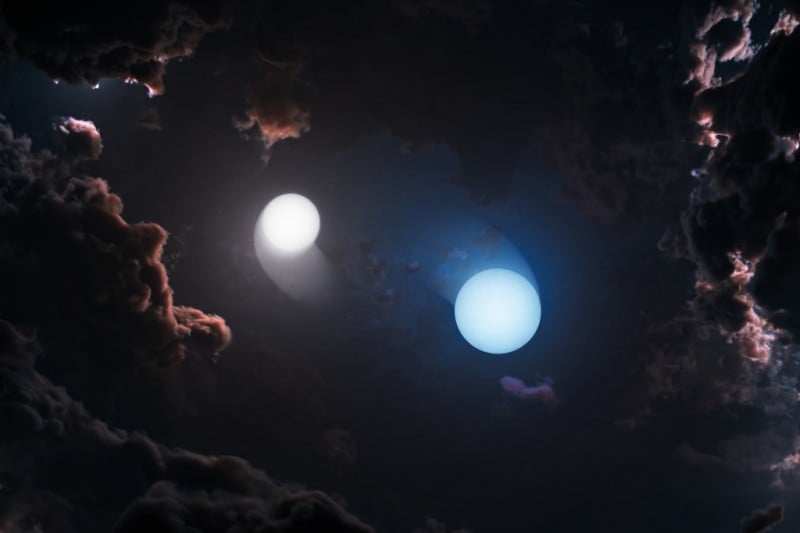
The Orion Nebula provides a master class in the study of newly born stars as the closest starbirth region to us. Yet, many of its youngest ones are still swaddled
Seeing an eclipse from Earth is awe‑inspiring—for astronauts in space, the scene was even more grand
The astronauts on Artemis II’s trip to the moon in April 2026 didn’t just have an amazing journey through space. They also saw something extraordinary. They were the first humans
There are tens of thousands of near-Earth objects (NEOs) that represent some of the most easily accessible resources in the solar system. Planning trajectories to rendezvous with these miniature worlds
Advertisement
Popular Now
-
 01Two Black Holes Observed Circling Each Other for the First Time
 -
 02From Polymerization-Enabled Folding and Assembly to Chemical Evolution: Key Processes for Emergence of Functional Polymers in the Origin of Life
 -
 03Astronomy 101: From the Sun and Moon to Wormholes and Warp Drive, Key Theories, Discoveries, and Facts about the Universe (The Adams 101 Series)
 -
 04True Anomaly hires former York Space executive as chief operating officer
 -
 05Φsat-2 begins science phase for AI Earth images
 -
 06Hurricane forecasters are losing 3 key satellites ahead of peak storm season − a meteorologist explains why it matters
 -
 07Binary star systems are complex astronomical objects − a new AI approach could pin down their properties quickly
Scroll to Top